
Stop! Your Routine Might Be Making Your Diabetic Foot Odor Worse
- It's a Chemistry Problem, Not a Hygiene Problem Elevated blood glucose changes the composition of your sweat, altering skin pH and creating ideal conditions for the bacteria that produce that sharp, sour corn-chip smell.
- Common Remedies Can Backfire Baking soda, synthetic masking sprays, and rewearing socks don't address the root cause—and some can make the pH imbalance on diabetic skin even worse.
- A Two-Step System Actually Works Moisture-absorbing powder in the morning prevents odor from starting, and a natural enzyme-based shoe spray in the evening clears out what accumulated during the day.

You've probably noticed it before you even take your shoes off. That sharp, almost sour smell that follows you into the room. Maybe your family has stopped saying anything—they've gotten used to bracing for it. Or maybe you're the one quietly dreading the moment you have to sit down and remove your footwear around other people.
If you're managing diabetes and dealing with persistent foot odor, you're not alone. And you're not imagining that it smells different from regular foot sweat. It does. And the reason why matters—because once you understand what's actually happening, you'll stop wasting time on solutions that can never work for you specifically.
Why Does Diabetic Foot Odor Smell Different From Regular Foot Odor?
Diabetic foot odor tends to smell sharper and more sour than typical foot sweat because elevated blood glucose levels change the chemical composition of sweat, altering skin pH and creating the ideal conditions for the bacteria that produce that distinctive "corn chip" scent.
Here's the short version of the science: sweat itself has no smell. The odor comes from bacteria on your skin breaking down that sweat. But when glucose spills into your sweat (which happens more with poorly managed blood sugar), you're essentially feeding those bacteria a richer diet. More fuel, more activity, more odor. It's that direct.
There's also the pH piece. Healthy skin sits at a slightly acidic pH—around 4.5 to 5.5—which helps keep the microbial balance in check. Research published on PubMed Central has linked diabetes to disruptions in this skin barrier, pushing pH higher and making the skin's surface more hospitable to the kinds of bacteria that produce the strongest odors. So if you've been blaming your hygiene, stop. This isn't a cleanliness problem. It's a chemistry problem.
And it also explains why the corn chip smell—that stale, fermented scent—tends to be so much more pronounced. The bacteria responsible, particularly Brevibacteria and certain strains of Staphylococcus, thrive in exactly the warm, glucose-rich, pH-shifted environment that diabetes can create inside a closed shoe.
Here's something most guides miss: people with diabetes often wash their feet more frequently in an effort to control odor, but over-washing can strip the skin's natural acid mantle—already compromised by the condition—making the bacterial environment on your skin even more active. Wash once daily with a gentle, pH-balanced soap, dry thoroughly between the toes, and let the powder and spray do the heavy lifting between washes. More washing is not better washing.
Which Common Habits Are Actually Making Diabetic Foot Odor Worse?

Three habits consistently make diabetic foot odor worse: rewearing socks without washing, using heavily fragranced foot products that disrupt skin pH, and relying on baking soda or masking sprays that do nothing to address the moisture driving the problem.
Let's talk about the baking soda thing first, because it's everywhere online and it's only half a solution at best. Yes, baking soda is alkaline, which can temporarily neutralize acidic odors. But here's the problem: your skin's pH is already being pushed higher by your condition. Adding an alkaline powder directly to your feet can make that imbalance worse, not better. You're essentially pouring gasoline near a fire and calling it a safety measure.
The scented foot sprays and powders from the drugstore have a similar issue. They're formulated to mask odor, not address its source. You spray them on, they smell like synthetic lavender for twenty minutes, and then the smell underneath comes back—often stronger, because now it's mixed with whatever synthetic fragrance is in the product. It's frustrating. And it's not you. The products just weren't built for this.
Rewearing socks, even "just once more," is a significant contributor. Every hour in a closed shoe, bacteria are metabolizing sweat. If you put on yesterday's socks, you're reintroducing a colony of already-active bacteria directly onto your skin. Fresh start every morning is non-negotiable.
And then there's the shoe situation. Most people with foot odor focus entirely on their feet and ignore the shoes. But the inside of your shoe is where bacteria live between wears. It's warm, it's dark, it retains moisture. If you're not treating the shoe itself—not just your foot—you're getting back into the problem every time you put them on. It's like washing your hands and then immediately touching a dirty doorknob.
What Are the Best Ways to Manage Foot Moisture When You Have Diabetes?
The most effective approach to managing foot moisture with diabetes is a two-step system: applying a talc-free, moisture-absorbing powder before putting on shoes, and treating the inside of shoes after each wear with a natural enzyme-based spray to neutralize what's already there.
Moisture is the core of the problem. Sweat doesn't just carry glucose—it creates the damp, warm environment that odor-causing bacteria need to reproduce. Control the moisture, and you've cut the problem at its root.
Talc-free foot powders are the right call here for a few reasons. Traditional talc-based powders have raised health concerns over the years, and they also tend to clump when wet, which can create uncomfortable pressure points in shoes—something you absolutely want to avoid when you're managing diabetic foot sensitivity. A silky, plant-based powder that absorbs moisture without caking is a completely different experience.
If you want to stop the moisture before it starts—so bacteria never get the food they need to produce odor in the first place—this is the product to reach for:
What You'll Need
- Newspaper (for stuffing shoes overnight to draw out moisture)
- Cedar shoe trees (for long-term moisture control between wears)
- Natural Foot Powder and Extra Strength Shoe Deodorizer Spray Check Price →
- Fresh cotton socks (wear a clean pair every single day, no exceptions)
Apply the powder directly to clean, dry feet in the morning before socks and shoes go on. A light dusting is enough. You'll notice your feet stay noticeably drier throughout the day, and that difference alone makes a big impact on how your shoes smell by evening.
For your shoes, particularly any that already have an established odor problem, you need something that goes beyond masking. This is where so many people get stuck. They buy a fruity-scented spray, it smells better for a day, and then the odor comes back. The reason: they neutralized the smell but left the bacteria in place. A natural enzyme-based formula, like the Extra Strength Shoe Deodorizer Spray, works differently—it targets the source of the smell rather than covering it up. Spray the inside of your shoes after you take them off, let them air out overnight, and you'll notice the difference within a few days.
Consistency is what separates people who fix this problem from people who live with it. One good week doesn't reset decades of buildup in a well-worn shoe. Keep at it.
What Should You Look For in Foot Care Products If You Have Diabetes?
People managing diabetes should look for foot care products that are free from harsh chemicals, synthetic fragrances, alcohol, and talc—ingredients that can irritate skin or disrupt the already-compromised skin barrier common with the condition.
Skin sensitivity is a real concern. The American Diabetes Association emphasizes foot health as a priority for people with diabetes, and that includes being cautious about what you apply to your feet. The skin on diabetic feet is often drier, more prone to cracking, and slower to heal. You don't want to be spraying alcohol-heavy products on that skin and hoping for the best.
Look for plant-based, naturally derived formulas. Ingredients like lemon, eucalyptus, tea tree, and lemongrass aren't just pleasant—they have genuine odor-fighting properties without the harshness of synthetic chemicals. And "talc-free" on a foot powder label isn't marketing fluff. It's a meaningful choice, especially for anyone whose feet need a little extra care.
Also worth mentioning: avoid anything with a very strong synthetic fragrance. Your goal isn't to replace one smell with another. Your goal is to actually eliminate the odor. Products that lead with fragrance are almost always masking, not solving.
We tested our natural spray against big-brand aerosols and conventional baking soda sprays. The difference isn't just in the scent—it's in what actually stays fresh the next day. Here's how they compare:
| Feature | Natural Foot Powder and Extra Strength Shoe Deodorizer Spray | Conventional Drugstore Aerosol Spray |
|---|---|---|
| Odor Source Targeting | Enzyme-based formula neutralizes odor at the source | Synthetic fragrance masks smell temporarily |
| Safe for Sensitive Diabetic Skin | No alcohol, no harsh chemicals, plant-based formula | Often contains alcohol and synthetic irritants |
| Moisture Prevention | Talc-free powder absorbs sweat proactively all day | No moisture-control component included |
| Odor Return After Use | Smell stays gone because source is neutralized | Odor returns within hours as fragrance fades |
| Ingredients Transparency | Plant and mineral-based, clearly labeled | Proprietary blends, often undisclosed chemicals |
| Price Per Use | Bundle offers better value for a complete system | Cheaper upfront, but requires more frequent re-purchase |
How Do You Reset Shoes That Already Smell Bad?

To reset shoes with established odor, spray the interior thoroughly with an enzyme-based deodorizer, stuff them with newspaper to draw out moisture, and allow them to air dry in a ventilated space for at least 12 hours—repeat for 3 to 5 consecutive days for severe cases.
This is the part nobody tells you: if your shoes already have a serious odor problem, a single treatment won't do it. The bacteria are embedded in the foam and fabric lining. You need to be methodical.
Here's the reset protocol that actually works:
- Newspaper stuffing: After each wear, stuff your shoes tightly with crumpled newspaper. Newspaper is remarkably good at pulling moisture out of the interior, and dry conditions are where bacteria struggle. Leave the newspaper in overnight and remove it in the morning.
- Evening spray: Once you've removed the newspaper in the morning (or right when you take your shoes off at night), spray the inside of the shoe thoroughly with the Extra Strength Shoe Deodorizer Spray. Get into the toe box. Let it air dry before the next wear—don't stuff with newspaper while the spray is wet.
- Cedar shoe trees: Once the shoes are dry, cedar shoe trees are your best friend for long-term maintenance. Cedar naturally absorbs residual moisture and releases a mild, clean scent. They also help shoes hold their shape, which matters if you're investing in quality footwear.
Do this routine for a week straight. Most people notice a 70–80% improvement within three to four days. Shoes that seemed past saving come back. And if you're curious why washing your shoes might actually be making things worse, this guide on why washing smelly gym shoes backfires is worth a read before you toss them in the washing machine.
Are There Any Natural Ingredients That Are Particularly Effective for Diabetic Foot Odor?
Tea tree oil, eucalyptus, and lemongrass are among the most effective natural ingredients for neutralizing foot odor, as they disrupt odor-causing bacteria without the harshness of alcohol or synthetic chemicals that can irritate sensitive diabetic skin.
Tea tree oil in particular has a solid track record. It's been studied for its ability to disrupt odor-causing bacteria, and it works at relatively low concentrations—meaning you don't need an overwhelming amount to get a result. Crucially, it's also far gentler on skin than alcohol-based alternatives, which tend to dry out and potentially crack already-vulnerable skin.
Lemongrass is another ingredient worth paying attention to. It's the active component in the Natural Foot Powder that makes it so effective at controlling the moisture that feeds odor. It also has a clean, mild scent that doesn't overpower—which matters when you're applying it to your feet every morning.
Eucalyptus is a supporting player that punches above its weight. It helps open up and refresh the shoe environment, cutting through stale air while also contributing to the formula's odor-neutralizing effect.
What you want to avoid: any product that leads with alcohol, strong synthetic fragrances, or chemicals you can't pronounce. For people with diabetes, the skin on your feet is an asset worth protecting. Treat it that way. If you've been skeptical that natural solutions can match chemical ones in effectiveness, this piece on what actually works with tea tree oil addresses that skepticism head-on with specifics.
What's the Long-Term Strategy for Keeping Diabetic Foot Odor Under Control?
Long-term control of diabetic foot odor requires a consistent daily routine: moisture-absorbing powder every morning, shoe treatment every evening, and rotating between at least two pairs of shoes to allow full drying between wears.
Shoe rotation is one of the most underrated pieces of this. A shoe needs at least 24 hours to fully dry out between wears. If you're putting on the same pair every day, you're never giving the moisture a chance to escape. Two pairs in rotation cuts your odor problem roughly in half before you've even used a single product.
Beyond rotation, the morning powder routine and the evening spray habit are the two bookends that hold everything together. Morning powder prevents the moisture that feeds odor. Evening spray cleans up whatever bacteria were introduced during the day. It's a proactive-reactive system, and it works because it addresses the problem at both ends.
For a complete system that handles both sides—prevention and elimination—the Natural Foot Powder and Extra Strength Shoe Deodorizer Spray bundle is how we'd approach it. You get the powder for mornings and the spray for evenings, bundled together at a better price than buying them separately. It's the most logical setup for anyone who wants to stop managing this problem reactively and start staying ahead of it.
Nothing's perfect. If you're expecting one application to fix years of shoe odor overnight, you'll be disappointed. But if you're willing to be consistent for two weeks, the difference is genuinely noticeable—not just to you, but to everyone around you.
Is the natural route a flawless fix? Mostly yes, but it does take daily commitment. Here's the honest breakdown:
- Addresses both prevention (powder) and elimination (spray) in one system
- Plant-based formula is gentle on sensitive diabetic skin
- Talc-free powder won't cake or create pressure points in shoes
- Natural enzymes neutralize odor rather than just covering it
- Bundle price is better value than buying separately
- Results require consistent daily use—not a one-and-done fix
- Severely odor-saturated shoes may need 5+ consecutive treatments before the smell fully clears
Ready to stop dreading the moment your shoes come off?
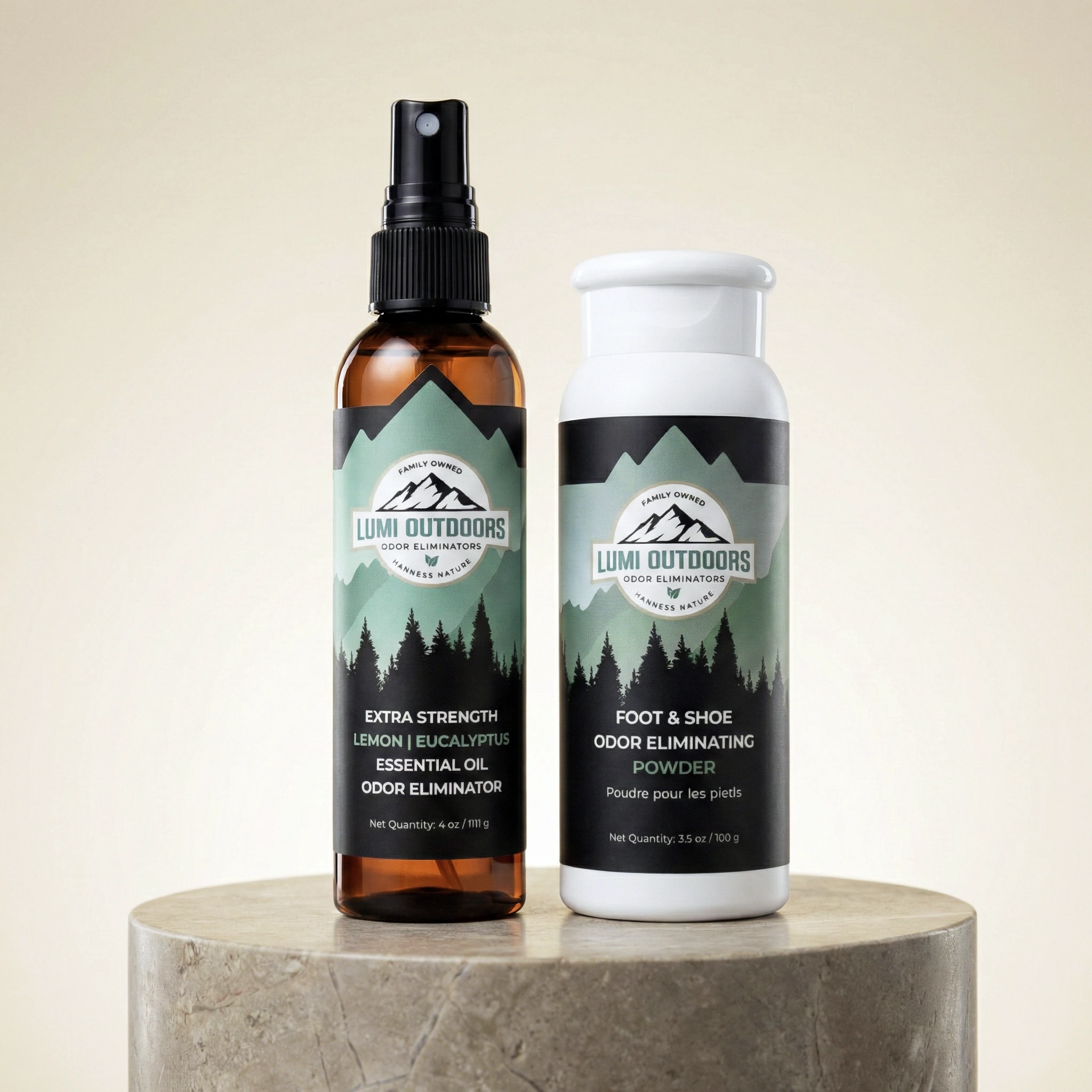
Join 1 Million+ Other People Who Chose Lumi to Conquer Their Shoe Odor.
- THE ULTIMATE 1-2 PUNCH AGAINST ODOR
- A COMPLETE KIT FOR SHOES, BAGS & GEAR
- PROUDLY FAMILY-OWNED & MADE IN UTAH
- THE "FRESH CONFIDENCE" GUARANTEE