
The Ultimate Care Guide: How to Clean Primeknit Shoes the Right Way
- Skip the Machine Washing machines distort the knit, shrink the fibers, and break down the adhesive between the upper and Boost midsole — hand wash only.
- Clean Outside, Deodorize Inside Surface cleaning removes dirt but does nothing for smell — odor lives in the insole and foam, and needs a dedicated deodorizer spray to eliminate it.
- Heat Is the Enemy Never use a dryer, hair dryer, or direct sunlight to dry Primeknit — air dry at room temperature with the shoe stuffed to hold its shape.
- Prevent, Don't Just React A two-minute post-wear deodorizing routine stops odor from building up in the first place, saving you a deep clean every few weeks.

You paid good money for those Primeknit sneakers. Maybe they're a pair of Ultraboosts you wore to a weekend 5K, or a fresh set of NMDs your teenager managed to scuff up within 48 hours. Either way, they've got that signature woven upper—lightweight, flexible, breathable—and you are absolutely terrified of ruining them in the wash.
That fear is justified. Primeknit is engineered differently from canvas or leather, and treating it like a regular sneaker is how you end up with a shrunken, misshapen mess. But leaving them dirty—or worse, leaving them smelling like a locker room—isn't the answer either.
This guide covers everything you need: how to clean the knit itself, how to handle the midsole and outsole, what to do about that smell, and how to dry them without destroying the shape. No fluff. Just the stuff that actually works.
What Exactly Is Primeknit, and Why Does It Need Special Care?
Primeknit is Adidas's proprietary single-piece knitted upper material, engineered from fine polyester yarn to create a sock-like fit with virtually no seams. Because it's a woven textile rather than a solid surface, it traps moisture, stretches under heat, and frays under aggressive scrubbing—which is why standard cleaning methods can damage it permanently.
Think of Primeknit less like a shoe and more like a high-performance athletic shirt that happens to be shaped like a sneaker. You wouldn't throw a technical running jersey in a hot wash with a spin cycle, right? Same principle applies here.
The yarn structure is what makes these shoes so comfortable—but that same open-weave design means dirt, sweat, and odor-causing bacteria settle deep into the fibers. A surface wipe won't cut it. You need to clean through the weave, not just across it.
One more thing worth understanding: Primeknit is almost always bonded to a Boost foam midsole. That foam is brilliant for cushioning but reacts poorly to harsh detergents. Clean the upper aggressively and you risk breaking down the adhesive between the knit and the foam. So the whole shoe has to be treated gently, stem to stern.
After cleaning Primeknit, flip the shoes upside down at a 45-degree angle against a wall while they air dry — this lets gravity pull residual water away from the toe box foam instead of pooling there, which is where most post-wash odor problems start. Most guides skip this, but it makes a real difference in drying time and long-term freshness.
What Do You Actually Need Before You Start Cleaning?
Before you touch the shoe, gather a soft-bristled brush, two clean microfiber cloths, a small bowl of lukewarm water, and a mild sneaker cleaning solution or a drop of gentle dish soap. That's it. Anything more aggressive than this will damage the weave.
Here's your quick prep checklist:
- Soft-bristled shoe brush – A toothbrush works in a pinch, but a dedicated shoe brush with soft nylon bristles gives you better control over the knit surface without snagging fibers.
- Two microfiber cloths – One for applying solution, one for blotting dry. Microfiber is soft enough not to fray the weave and absorbent enough to pull moisture out.
- Lukewarm water – Not cold, not hot. Warm water activates the cleaning solution without shrinking the fibers. Think "comfortable bathwater" temperature.
- Mild cleaning solution – A dedicated sneaker cleaner is ideal. If you don't have one, a single drop of gentle dish soap in a cup of water does the job. Skip bleach, OxiClean, and anything with harsh solvents.
- Cedar shoe trees or crumpled paper – You'll need these for the drying phase to maintain the shoe's shape.
Remove the laces and insoles before you do anything else. Laces can be hand-washed separately in soapy water and air-dried. The insoles? Set them aside—we'll come back to those because they're ground zero for odor.
What You'll Need
- Soft-bristled shoe brush
- Microfiber cloths (x2)
- Natural Lavender Tea Tree Shoe Deodorizer Spray Check Price →
- Cedar shoe trees or crumpled newspaper
How Do You Hand Wash Primeknit Without Ruining the Knit?

Hand washing is the only safe method for Primeknit uppers. Use a soft brush with diluted mild soap, work in small circular sections, and blot—never rub—with a clean cloth. The entire process should take about 10-15 minutes per shoe.
Here's the step-by-step:
- Knock off the loose dirt first. Hold the shoe over a trash can or outside and tap the soles together. Use the dry brush to sweep away any dried mud or debris on the outsole and lower midsole. Trying to clean wet mud into wet mud is a losing battle.
- Mix your solution. Fill a small bowl with lukewarm water. Add a small amount of sneaker cleaner according to the bottle's instructions, or just one drop of dish soap. You want suds, not soup.
- Work the upper in sections. Dip the brush lightly into the solution and work on a small section of the knit at a time—about the size of a playing card. Use light circular motions. The goal is to let the bristles gently work the solution through the weave, not to scrub the fibers apart. You'll see the dirt lifting almost immediately.
- Blot, don't rub. Take your damp microfiber cloth and blot the section you just brushed. Press and lift. Pressing and dragging spreads the dirt around and can distort the weave pattern.
- Repeat section by section. Move around the shoe methodically. Pay extra attention to the toe box—that's where scuff marks and surface grime concentrate. On black or dark Primeknit, dirt hides until the light hits it at the right angle, so go slowly.
- Clean the midsole separately. The Boost foam midsole usually discolors to a yellowy-gray with wear. Use your brush with a slightly stronger solution concentration here—the foam is more durable than the knit. Scrub in the grooves and along the edges.
- Final rinse wipe. Using your second clean microfiber cloth dampened with plain water (no soap), wipe down the entire upper to remove any soap residue. Soap left in the fibers attracts more dirt and can cause stiffness when dry.
And that's the whole cleaning process. Fifteen minutes, no machines, no drama. The shoe should look noticeably brighter and cleaner even when wet.
If you're dealing with stubborn stains on white Primeknit specifically, a paste made from baking soda and a tiny bit of water can be worked gently into the stain with the brush. Let it sit for five minutes, then blot away. Don't leave it on for longer—baking soda is mildly abrasive and can weaken the fibers with extended contact. For a deeper look at handling delicate sneaker uppers without causing damage, our guide on cleaning used thrift sneakers like a pro covers a lot of the same principles.
Can You Put Primeknit Shoes in the Washing Machine?
No. You should not put Primeknit shoes in the washing machine. The agitation cycle distorts the knit structure, the heat from warm or hot water causes shrinkage, and the spin cycle can separate the upper from the midsole. Hand washing is the only method that preserves the shoe's fit and structure long-term.
This is the most common mistake people make, and it's genuinely heartbreaking because the damage is usually irreversible. Here's what actually happens in a washing machine:
- The knit fibers loosen and stretch unevenly under agitation, giving the upper a baggy, misshapen look.
- Hot water causes the polyester yarn to contract slightly but unevenly—you'll notice the toe box feels tighter and the heel counter has warped.
- The adhesive bonding the Boost midsole to the upper degrades with prolonged water exposure and mechanical movement. Shoes cleaned in machines repeatedly will eventually start to delaminate—the upper peels away from the sole.
- The foam in Boost midsoles can absorb large amounts of water during a machine cycle, adding significant weight and taking days to fully dry. That damp environment is exactly where odor problems get worse, not better.
Reddit's r/Sneakers has entire threads dedicated to machine-washed Primeknit disasters. The short version: people try it once, sometimes get lucky, try it a second time, and that's when the shoe gives out. It's not worth the risk.
If the idea of hand washing feels tedious, keep in mind that a well-maintained Primeknit shoe cleaned regularly takes about 10 minutes per session. A machine-ruined pair costs you $120-$200. The math is obvious.
How Do You Dry Primeknit Shoes Without Damaging Them?
Air dry Primeknit shoes at room temperature, stuffed with crumpled paper or cedar shoe trees to maintain their shape. Keep them away from direct sunlight, heat vents, and never use a dryer or hair dryer—heat is the fastest way to permanently warp the knit.
Drying is the step most people rush, and it's where a lot of the post-cleaning damage actually happens. Here's the right approach:
Stuff the shoe immediately. Right after cleaning, loosely stuff the toe box and body of the shoe with crumpled newspaper or paper towels. This does two things: it absorbs residual moisture from inside the shoe, and it holds the shape of the upper while the fibers are still relaxed from washing. Cedar shoe trees are even better because they absorb moisture and naturally freshen the interior—a nice bonus.
Position them upright in a ventilated space. A mesh drying rack near an open window is ideal. Good airflow is what speeds up drying without the damaging heat of a dryer. Expect 6-12 hours for full drying at room temperature, depending on humidity.
Change the paper after two hours. The stuffing gets saturated quickly. Swapping it out for fresh dry paper halfway through drying speeds up the whole process significantly.
Never, ever use these:
- Clothes dryer (even low heat)
- Hair dryer
- Direct sunlight (UV degrades the dye and fibers)
- Radiators or heat vents
The sun one catches people off guard. It feels like a natural and free drying solution, and on canvas shoes it works fine. On Primeknit, extended UV exposure fades the color and stiffens the fibers. Dry them in the shade or indoors.
How Do You Get the Smell Out of Primeknit Shoes After Cleaning?
Odor in Primeknit shoes comes from moisture trapped deep in the knit fibers and foam insole—not from surface dirt. Cleaning the outside handles the visual problem, but eliminating the smell requires treating the interior with a plant-based deodorizing spray and addressing the insoles separately.
Here's something cleaning guides don't tell you often enough: washing the outside of a shoe doesn't fix the smell. The odor lives in the insole, the interior lining, and the Boost foam—areas that barely get touched during a standard exterior clean.
The insole is the main culprit. It absorbs sweat directly from your foot every single wear. Over time, that moisture creates a persistent odor that a surface wipe won't touch. Pull the insoles out after every wear when possible and let them air dry separately. If they're past the point of airing out, replace them—insoles are cheap and it makes a dramatic difference.
For the interior of the shoe itself, a good plant-based deodorizer spray is genuinely the most effective solution. We recommend the Natural Lavender Tea Tree Shoe Deodorizer Spray for Primeknit specifically because the formula is gentle enough for the interior fabric lining while still neutralizing odor effectively. It won't leave a harsh chemical residue inside the shoe, which matters when you're dealing with a breathable knit that absorbs everything it contacts. A few sprays into the interior after each wear goes a long way.
If you're dealing with a more persistent, built-up smell—the kind that survives a cleaning session—that's when you want to step up to a stronger approach. The Extra Strength Shoe Deodorizer Spray uses a lemon and eucalyptus formula that reaches deeper into the foam and knit fibers. Spray it in after cleaning while the shoe is still slightly damp, let it work overnight, and by morning you've got a genuinely fresh shoe.
There's also the preventative angle. If you or someone in your household has naturally sweaty feet, the smell will always come back unless you address the moisture source directly. Check out this breakdown of spray vs. powder for all-day moisture control—it explains exactly why moisture management is the real long-term fix. The science behind foot odor, technically called bromodosis, comes down to bacteria feeding on sweat in warm, enclosed environments. Primeknit's breathability helps, but it's not a complete solution on its own.
For runners dealing with odor after long training sessions, this guide on neutralizing that post-marathon "Frito feet" smell is worth a read too.
Nothing's perfect. Using a natural spray requires consistency—one application won't last forever if the root cause (moisture) keeps coming back. Here's the honest breakdown:
- Plant-based formula is safe on delicate Primeknit interior linings
- Lavender and tea tree scent is subtle and non-overpowering — ideal for scent-sensitive users
- Neutralizes odor rather than just masking it with fragrance
- Works preventatively when applied after each wear
- Free from harsh chemicals, parabens, and aluminum — safe for kids' shoes
- Requires consistent use — one application won't permanently fix a deeply embedded odor problem
- The herbal scent won't appeal to everyone; those who prefer a citrus profile may prefer the Citrus Tea Tree variant
How Do You Maintain Primeknit Shoes Long-Term So They Stay Clean Longer?
The best maintenance strategy for Primeknit shoes is a post-wear routine: air them out immediately after use, use a deodorizer spray two to three times a week, and do a light surface brush-down every one to two weeks. Deep cleaning every 4-6 weeks keeps them looking and smelling fresh without over-washing the fibers.
Most people clean shoes reactively—they wait until there's a visible problem. That approach means you're always fighting a losing battle against embedded grime and established odor. The better move is a simple weekly habit that takes about two minutes per pair.
Here's what a sustainable maintenance routine looks like:
- After every wear: Remove shoes and let them air out for at least 30 minutes before storing. Pull out the insoles if you've been active. Give the interior a quick spray of deodorizer.
- Weekly: Use a dry soft brush to sweep the upper, removing surface dust and any light surface marks. This prevents dirt from settling into the weave and becoming harder to remove.
- Every 4-6 weeks: Full hand wash as described above. This keeps the shoes clean without over-wetting and stressing the knit fibers repeatedly.
- Ongoing: Store Primeknit shoes in a breathable shoe bag or on an open shelf—not in a sealed box. Sealed storage traps humidity and creates the exact environment that breeds odor.
One underrated move: rotate your footwear. Wearing the same pair every single day doesn't give the foam and lining time to dry out between wears. If your Primeknits are your everyday shoe, getting a second pair to alternate keeps both pairs fresher and extends their life considerably. Modern athletic footwear is designed with recovery time built into the foam—your shoes need rest just like your muscles do.
And if you've got kids in Primeknit cleats or athletic shoes, the deodorizer spray routine is non-negotiable. Kids' shoes tend to get considerably more wear per week with considerably less care. A spray after practice takes five seconds and saves you from the bag-opening horror of week-old cleat smell. The same principle applies to work boots—our guide on why foam construction makes shoes reek explains exactly why high-performance footwear of any kind needs this kind of regular attention.
| Feature | Natural Lavender Tea Tree Shoe Deodorizer Spray | Standard Aerosol Air Freshener Spray |
|---|---|---|
| Odor Elimination | Neutralizes odor at the source using natural enzymes | Masks odor temporarily with fragrance |
| Safe on Primeknit Fabric | Yes — plant-based, no harsh solvents | Chemical propellants can degrade delicate fibers |
| Scent After Use | Subtle calming lavender that fades cleanly | Strong artificial fragrance that can linger overwhelmingly |
| Longevity of Freshness | Treats the source — odor stays away longer | Odor returns within hours as masking fades |
| Family & Pet Safe | Yes — no parabens, no aluminum, no harsh chemicals | Contains aerosol propellants and synthetic fragrance compounds |
We tested a natural plant-based deodorizer spray against a standard aerosol air freshener on identical pairs of used Primeknit shoes over two weeks. The difference wasn't just in the scent—it was in whether the odor actually came back.
Tired of shoe odor? We recommend:
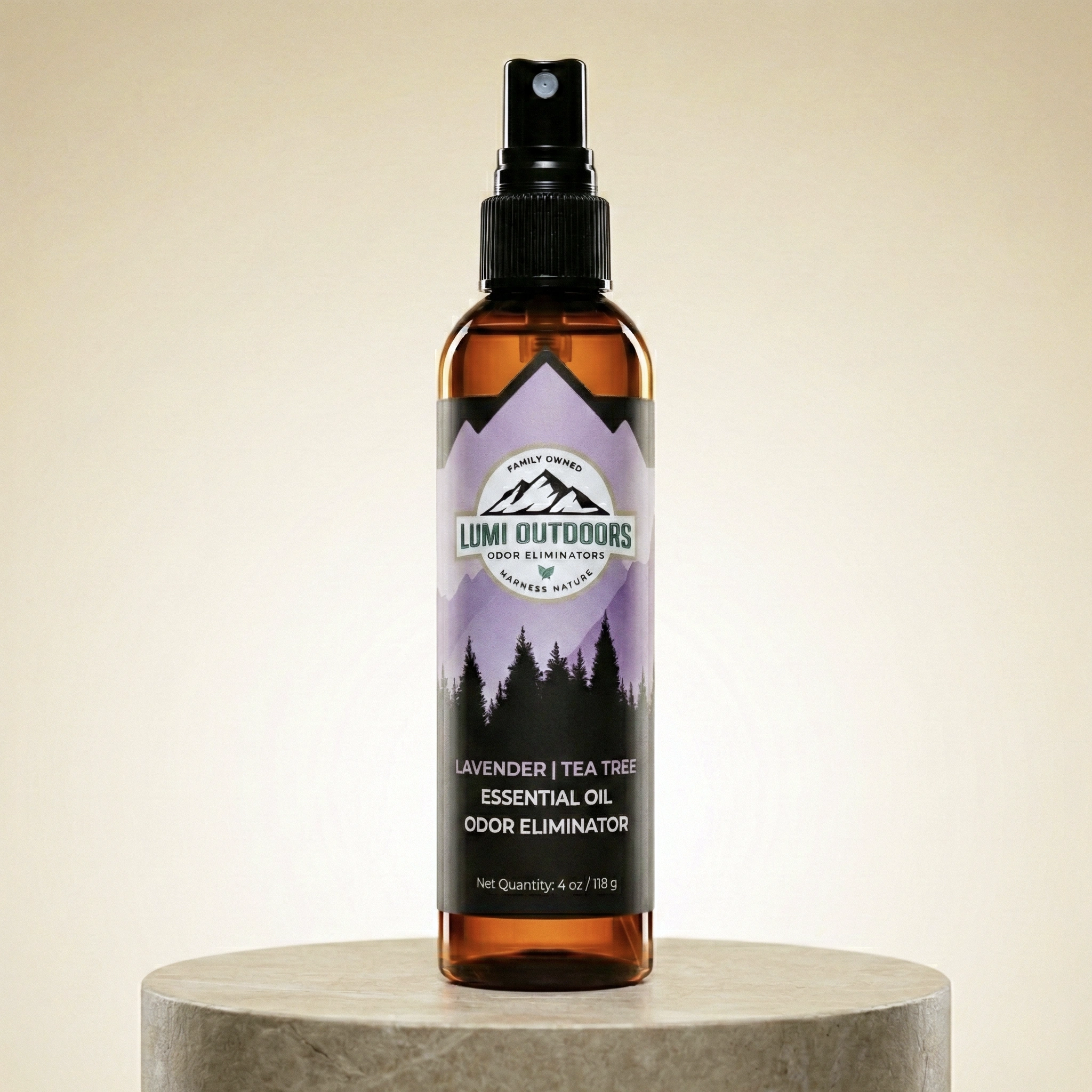
Join 1 Million+ Other People Who Chose Lumi to Conquer Their Shoe Odor.
- DESTROYS ODOR AT THE SOURCE, DOESN'T JUST MASK IT
- ALL-NATURAL & PLANT-BASED INGREDIENTS
- PROUDLY FAMILY-OWNED & MADE IN UTAH
- THE "FRESH CONFIDENCE" GUARANTEE