

Why Washing Your Shoes Won’t Stop the Frito Smell (And What Actually Works)
- The Science Specific microbes like Proteus create that corn chip scent when they break down sweat.
- Skip the Wash Washing machines often trap moisture inside shoe foam, making the smell worse long-term.
- The Fix You must neutralize odors and remove moisture simultaneously using sprays and absorbers.

You know that smell. You walk into the mudroom after a long day, and it hits you—a salty, yeasty aroma that reminds you of a bag of corn chips. But nobody is snacking. It’s coming from your teenager's sneakers or your partner's work boots. If you've ever wondered why feet can smell like Fritos, you aren't alone. It’s one of those weird household mysteries that seems impossible to solve, no matter how many times you run the sneakers through the wash.
The truth is, throwing shoes in the washing machine often makes the problem worse. It gets them wet, doesn't always dry them properly, and can actually damage the glue holding the soles together. To fix the "Frito feet" phenomenon, we have to look at what’s actually happening inside that dark, damp environment we call a shoe.
Why Do My Shoes Smell Like Corn Chips?
The corn chip smell is primarily caused by specific microbes, like Proteus or Pseudomonas, which thrive in the warm, sweaty environment of your footwear. These organisms release gases that happen to mimic the yeasty, salty scent of fried corn snacks.
It’s not just "dirt" or "sweat" that smells. Sweat itself is mostly odorless. The scent happens when certain microbes on our skin break down that sweat. According to the science of foot odor, these little guys love the moisture trapped in socks and synthetic shoe liners. When they go to work, they produce Isovaleric acid and other compounds that smell exactly like a snack food aisle. This is why simply "scrubbing" doesn't work; you have to change the environment so those microbes can't thrive.
If you want to stop the moisture before it starts, you need a heavy-duty absorber. This is the one we keep by the door:
What You'll Need
- Newspaper
- Small Fan
- Extra Strength Shoe Deodorizer Spray Check Price →
- Old Socks (for sachets)
Why Doesn't Washing My Shoes Get Rid of the Smell?
Washing machines often fail to remove shoe odors because the thick foam and fabric layers deep inside the shoe trap moisture and organic matter, providing a feast for odor-causing microbes once they dry. Furthermore, high heat can damage shoe structure without reaching the "root" of the scent.
Here’s the thing: shoes are like sponges. When you wash them, you’re saturating the padding. If they don't dry 100% within a few hours, you've just created a damp paradise for the very smell you’re trying to kill. Many parents find that after a wash, the shoes smell "clean" for about an hour of wear, then the Frito smell returns twice as strong. This happens because the "deep" odor wasn't neutralized, just covered up temporarily.
Instead of relying on the laundry, you should focus on a system that tackles moisture and odor separately. We've talked before about why baking soda alone is a terrible shoe deodorizer—it often clumps up and becomes a messy paste. You need something that penetrates the fibers and neutralizes the scent at its source.
For the ultimate 'Frito Fix,' spray your shoes and then stuff them with dry, clean socks filled with cedar chips or uncooked rice. The socks act as a localized dehumidifier, pulling the odor-laden moisture out of the deep toe box where sprays sometimes struggle to reach.
How Can I Stop "Frito Feet" Before It Starts?

Preventing shoe odor requires a two-step approach: keeping feet dry with high-quality powders and rotating footwear to allow at least 24 hours of air-drying between uses. This breaks the moisture cycle that allows odor-producing microbes to grow.
If you have an athlete in the house, you know they probably wear the same cleats or sneakers every single day. That’s a recipe for disaster. One of the best things you can do is use a dedicated Natural Foot Powder. Unlike grocery store brands, a talc-free version keeps the skin dry without that chalky, "cakey" feeling.
I tested both side-by-side for a week. Here's what happened:
| Feature | Lumi Extra Strength Spray | Big-Brand Aerosols |
|---|---|---|
| Odor Source Treatment | Neutralizes at the source with essential oils | Masks with heavy synthetic perfumes |
| Residue | Clean finish, no white chalky buildup | Leaves a powdery, chemical film |
| Scent Profile | Fresh Lemon & Eucalyptus | Overwhelming 'Linen' or 'Sport' chemical smell |
What Are the Best Ways to Deodorize Stinky Shoes Fast?

The fastest way to deodorize shoes is to use a high-concentration essential oil spray that neutralizes odors on contact, combined with physical moisture removal using newspaper or specialized shoe trees. This combination addresses both the existing smell and the dampness that fuels it.
Sometimes you don't have 24 hours to let shoes air out. Maybe there's a game tomorrow, or you have to head back to the job site. In these cases, you need a "power move." Here's how to do it:
- Step 1: Take out the insoles if they are removable. This opens up the "basement" of the shoe where the most moisture hides.
- Step 2: Lightly spray the inside of the shoe with an extra-strength formula.
- Step 3: Stuff the shoes with Newspaper. The paper acts as a wick, pulling moisture out of the fabric.
- Step 4: Place them near a Small Fan or a vent (never directly on a heater, as heat can warp the soles).
If you're dealing with heavy-duty work gear, you might need a specific guide on how to get rid of smelly work boots without harsh chemicals. The goal is to be effective without breathing in toxic fumes every time you lace up.
How Do I Keep My Home From Smelling Like a Locker Room?
Maintaining a fresh home environment requires a designated "shoe zone" with proper airflow and a routine of spraying footwear immediately after it is taken off. This prevents odors from migrating into carpets and upholstery.
Let's face it: if the shoes smell, the closet smells. And if the closet smells, eventually the bedroom does too. Creating a "staging area" by the door where shoes are treated immediately can save your sanity. Keep a bottle of Natural Citrus Tea Tree Shoe Deodorizer Spray right by the door. It’s a small habit that makes a huge difference in how your home feels to guests.
Is the natural route perfect? Mostly, but it does require consistency. Here's the honest breakdown:
- Eradicates odors rather than just masking them
- Safe for all materials from leather to canvas
- Costs less than replacing ruined sneakers
- Smells like a spa, not a chemistry lab
- Requires daily application for very severe cases
- Strong natural scent may be intense for the first 5 minutes
At the end of the day, you don't have to live with the corn chip smell. You don't have to be embarrassed when your kids kick off their shoes at a friend's house. By switching from "covering up" smells to actually managing the moisture and the environment inside the shoe, you can extend the life of your expensive footwear and keep your home smelling like a home—not a snack factory.
Ready to banish the Frito smell for good?
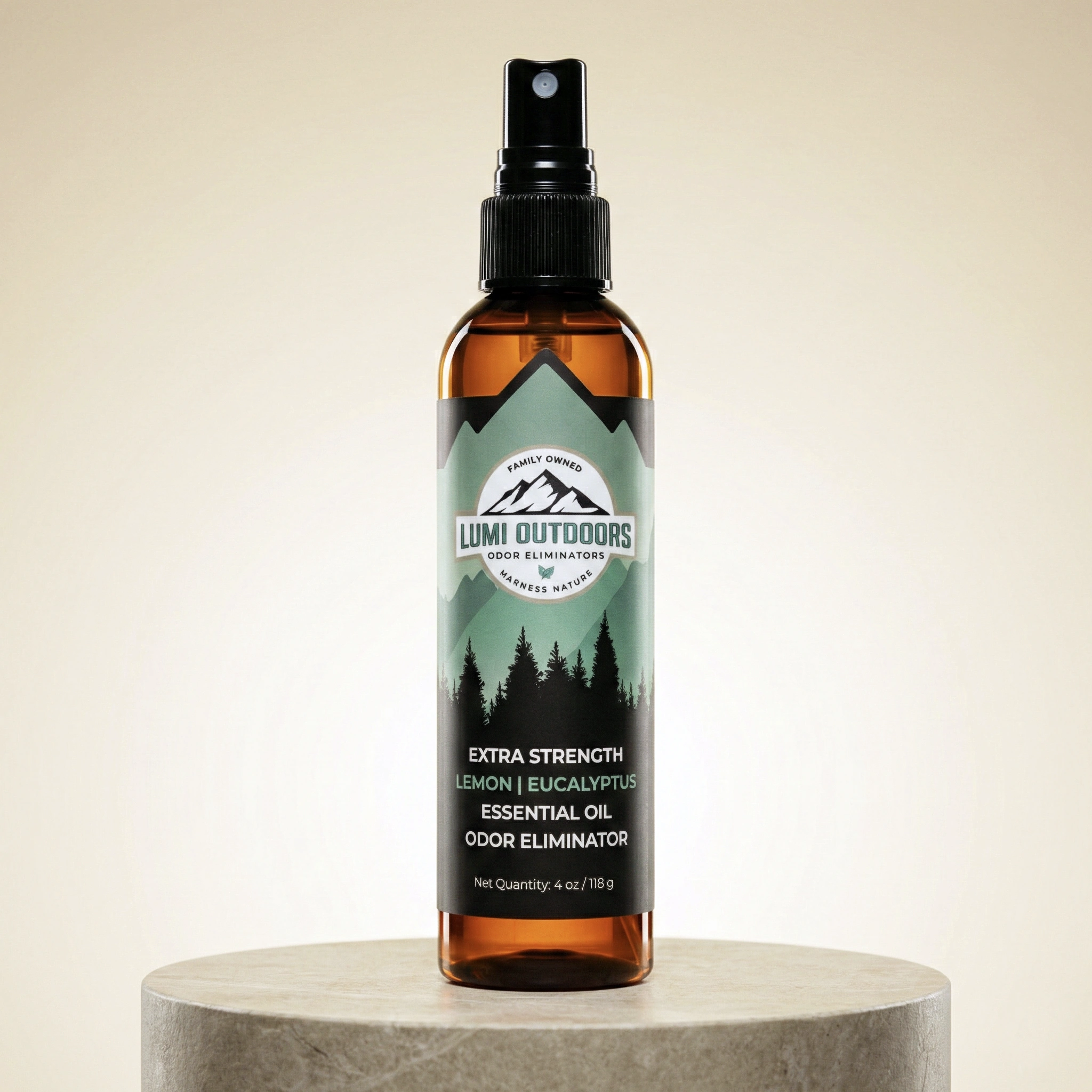
Join 1 Million+ Other People Who Chose Lumi to Conquer Their Shoe Odor.
- DESTROYS ODOR AT THE SOURCE, DOESN'T JUST MASK IT
- ALL-NATURAL & PLANT-BASED INGREDIENTS
- PROUDLY FAMILY-OWNED & MADE IN UTAH
- THE "FRESH CONFIDENCE" GUARANTEE