

The 2026 Guide to Cleaning Ballet Shoes: Why We Engineered a Non-Sticky Spray for Soft Leather
- Stop Using Baking Soda on Leather Its alkaline pH strips the natural oils from soft leather, causing stiffness and cracking over a full dance season.
- The Smell Lives Inside, Not Outside Wiping the exterior of a ballet shoe does almost nothing—odor compounds absorb into the lining and require a neutralizing spray to address at the source.
- 60 Seconds After Every Class Is All It Takes A light mist of pH-balanced spray plus 30 minutes of airflow before bag storage prevents nearly all chronic odor buildup in ballet shoes.

Picture this: recital week is three days away. Your daughter pulls her ballet flats out of her dance bag and they smell like a gym locker. You grab whatever's under the sink—dish soap, a splash of white vinegar, maybe some baking soda—and get to work. The smell fades. But by Thursday's dress rehearsal, the soft leather has gone stiff and pale, and there's a faint white residue along the seam.
Sound familiar? You're not alone. This exact sequence plays out in thousands of dance families every season, and it's not because the parents did something careless. It's because the most popular DIY cleaning advice for ballet shoes was written by people who don't fully understand what soft leather actually is, or how it reacts to household chemicals.
So before you reach for the baking soda again, let's walk through what's really happening—and why the fix is simpler than you'd think.
Why Do Ballet Shoes Smell So Bad So Fast?
Ballet shoes develop odor quickly because they're worn without socks directly against bare skin, are made from porous soft leather or canvas, and rarely get adequate airflow inside a closed dance bag. Moisture from sweat is absorbed directly into the material and creates the perfect environment for odor to build up fast.
Most dance shoes—especially soft leather flats—are worn tight to the foot with no sock barrier. Every class, your dancer's feet shed sweat and dead skin cells directly into the lining. The leather and canvas absorb that moisture like a sponge. Then the shoes go into a sealed dance bag, and the moisture sits there, warm and undisturbed, for hours.
That's not a hygiene problem—it's just physics. And it means that surface-level cleaning (wiping the outside) barely touches the actual source of the smell. The odor lives in the material itself, not just on the surface.
The good news? You don't need to strip the shoe clean to fix it. You need to neutralize what's inside it. There's a big difference between those two approaches, and most popular DIY methods confuse them.
One thing most guides miss: rosin dust from the studio floor is a hidden accelerant for ballet shoe odor. Dancers pick up rosin on their soles and it transfers into the shoe lining, where it traps moisture more effectively than the leather alone. A quick 10-second brush with a soft-bristled shoe brush before you spray the interior—not after—removes that rosin layer and lets the spray reach the lining directly instead of sitting on top of a dust film.
Does Baking Soda Actually Damage Soft Leather Ballet Shoes?

Yes. Baking soda is alkaline (pH around 8.3), and soft leather requires a mildly acidic environment (pH 4.5–5.5) to stay supple. Repeated exposure to alkaline substances strips the natural oils from the leather, causing it to dry out, crack, and fade over time.
Baking soda is the most recommended DIY shoe deodorizer on the internet. And for canvas sneakers or rubber-soled gym shoes? It's mostly fine. But soft leather ballet shoes are a different material entirely.
Here's the chemistry in plain English: leather is treated during the tanning process to sit at a slightly acidic pH. That acidity is what keeps the fibers flexible and intact. When you pour a base (like baking soda) into a leather shoe and leave it overnight, you're shifting that pH. The leather fibers start to stiffen. The natural oils that keep the material pliable begin to break down. Do this a few times across a dance season, and you'll notice the shoe losing its softness and starting to crack at the flex points.
It's not immediate damage—it's cumulative. Which is exactly why so many parents don't connect the stiffening they notice in February to the baking soda they used back in October.
And it's not just baking soda. According to the USDA's leather grading standards, the flexibility and integrity of leather is directly tied to maintaining its original pH and oil content. Anything that disrupts that balance shortens the life of the material.
We ran the same comparison across a handful of popular DIY methods. Here's what we actually tested, side by side:
We tested our natural spray against the most popular DIY methods parents reach for when ballet shoes start to smell. The chemistry tells a clear story:| Feature | Natural Lavender Tea Tree Shoe Deodorizer Spray | Popular DIY Methods (Baking Soda / Vinegar / Alcohol) |
|---|---|---|
| Safe for Soft Leather pH | Yes — balanced pH, leather-safe formula | No — baking soda (pH 8.3) and vinegar (pH 2.4) both damage leather |
| Neutralizes Odor at the Source | Yes — natural tea tree and lavender neutralize odor compounds in the lining | Partially — most methods mask odor or only work on the surface |
| Residue After Application | None — dries clean without stickiness | Yes — baking soda leaves white powder residue in seams and lining |
| Risk of Material Damage | None — plant-based, non-stripping formula | High — alcohol dehydrates leather; vinegar discolors; baking soda causes stiffening |
| Application Time | Under 5 seconds per shoe | 10–15 minutes of prep, application, and cleanup |
| Scent After Use | Light, calming lavender — fades within minutes | Vinegar smell lingers; baking soda leaves no scent but odor returns quickly |
What About Rubbing Alcohol or Vinegar—Are Those Safe for Ballet Shoes?
No. Both rubbing alcohol and white vinegar will dehydrate soft leather on contact. Alcohol dissolves the natural oils in the leather fibers. Vinegar, despite being acidic, is too concentrated and acidic for ballet shoe leather—it causes discoloration and surface breakdown with repeated use.
This one surprises a lot of people. Vinegar is slightly acidic, so shouldn't it be good for leather? The answer is: not at this concentration. A diluted, very mild acid can help leather. Straight vinegar—or even a 50/50 dilution—is roughly pH 2.4 to 3. That's too low. It overshoots the target range and starts to break down the surface layer of the leather, which is why you often see whitish residue or dullness after vinegar treatments.
Alcohol is even more straightforward. It's a solvent. It draws moisture out of whatever it touches. For a quick hand sanitizer? Great. For a material that needs to stay supple and pliable through hundreds of plié repetitions? You're accelerating the aging process with every application.
If you've been using either of these on your dancer's shoes, you might want to check out our guide on why vinegar ruins smelly school shoes—the same chemistry applies here, and the fix is the same too.
We've actually tested this same pattern across other delicate shoe materials. The UGG Tasman cleaning guide covers nearly identical territory—soft materials, strong opinions about vinegar, and the same conclusion: pH matters more than people realize.
What Is the Safest Way to Clean Soft Leather Ballet Shoes Without Damaging Them?
The safest method is a pH-balanced spray applied to the interior lining, followed by a gentle wipe-down of the exterior with a barely damp cloth. Never submerge ballet shoes in water or put them in a washing machine—either will warp the shape and delaminate the sole.
Here's something the big dance supply stores won't tell you: most ballet shoes don't need a deep clean. They need consistent, light maintenance after every wear. The shoes that end up destroyed are usually the ones that get ignored for six weeks and then aggressively cleaned in a panic.
Regular, gentle care keeps the leather happy and the smell manageable. That's the whole secret.
So what does "safe" actually look like? It starts with understanding what you're cleaning. The outside of a ballet flat is decorative—it needs to look clean for the studio. The inside is functional—it needs to smell neutral and stay dry. These two surfaces often need different approaches.
The exterior leather responds well to a barely damp cloth (water only, no soap) for light scuffs and surface dirt. Let it air dry away from heat. That's it. Don't scrub. Don't soak.
The interior lining is where the odor lives, and that's where a properly formulated spray does its work. You want something that neutralizes the odor compounds without depositing a sticky residue or shifting the pH of the surrounding leather.
That's exactly why we built the Natural Lavender Tea Tree Shoe Deodorizer Spray the way we did. The formula sits at a balanced pH. It doesn't leave a sticky film. And the lavender scent is subtle enough for a dance studio—no overwhelming chemical cloud that makes the teacher's eyes water.
If your dancer's shoes have crossed the line from "maintenance" into "genuinely smelly," you need something that actually neutralizes the odor compounds rather than just masking them. Here's the product we reach for:What You'll Need
- Soft-bristled shoe brush (for removing rosin and chalk dust from exterior)
- Microfiber cloth (for the weekly damp wipe-down of exterior leather)
- Natural Lavender Tea Tree Shoe Deodorizer Spray Check Price →
- Leather conditioner (applied weekly to replenish oils and prevent cracking)
What's the Step-by-Step 60-Second Routine for Ballet Shoe Maintenance?

After every class, give the interior a 1-2 second spray of a pH-balanced shoe deodorizer, then air the shoes out for at least 30 minutes before putting them back in the dance bag. Once a week, wipe the exterior with a barely damp cloth and a small amount of leather conditioner.
This is the routine. It takes less than a minute, and it's the difference between shoes that last a full dance year and shoes that need replacing by spring recital.
After Every Class (60 Seconds)
- Soft-bristled shoe brush: Brush the exterior of the shoe gently to remove any chalk dust, rosin residue, or light dirt from the studio floor. Work in small, light strokes—don't press hard. This takes about 20 seconds and prevents grime from embedding into the leather grain over time.
- pH-balanced spray on the interior: Pull back the lining slightly and give the interior of each shoe a 1-2 second burst of spray. Don't drench it—a light, even mist is all you need. This neutralizes the odor compounds that built up during class before they have a chance to set into the material.
- Air dry before storing: Leave both shoes outside the dance bag for at least 30 minutes. If you're in a rush, place them on top of the bag rather than stuffing them inside. Airflow is the free ingredient everyone skips.
Once a Week (2-3 Minutes)
- Damp cloth wipe-down: Barely dampen a microfiber cloth with plain water. Wipe the exterior in the direction of the leather grain to lift any surface residue. Wring the cloth thoroughly—it should feel damp, not wet. Excess water is still a risk, just a slower one.
- Leather conditioner (small amount): Apply a pea-sized amount of leather conditioner to the cloth and work it gently into the exterior. This replenishes the oils that keep the leather supple through repeated bending. Skip this step and you'll notice the flex points starting to crease and whiten within a few months.
- Final air dry: Let the shoes sit open in a well-ventilated spot until they feel completely dry to the touch before using or storing.
That's the whole system. No soaking, no scrubbing, no harsh chemicals. Just consistent, material-appropriate care that takes less time per week than waiting for a shoe-cleaning YouTube video to load.
And if you've got other dance gear in the house—like cheer shoes that get just as much foot traffic—the white cheer shoe freshening guide uses the same core principles and is worth a read before competition season.
Does the Spray Work on Canvas Ballet Shoes Too, or Just Leather?
Yes—a pH-balanced natural spray is safe for both leather and canvas ballet shoes. Canvas is more forgiving than leather but still benefits from a light spray routine rather than soap-and-water washing, which can cause canvas to shrink or lose its shape.
Canvas flats are common for younger students and beginners, and a lot of parents assume they can just throw them in the washing machine. Sometimes that works once. But canvas ballet shoes are usually glued at the sole, and repeated water exposure breaks down that adhesive. You'll notice the sole starting to peel at the toe area—that's the glue giving up.
The same spray routine works perfectly well for canvas. Light mist on the interior after class, air dry before storage. The canvas doesn't have the pH sensitivity that leather does, but it still appreciates not being soaked.
For families with multiple dance shoes in rotation, the Variety Bundle 3-Pack is actually a smart buy. You get the lavender formula for the ballet flats, the citrus formula for everyday sneakers, and the extra-strength formula for anything that's gotten seriously out of hand. Different shoes, different needs—same 60-second routine.
And if your household includes smelly flats beyond the dance studio, our roundup of 14 tested methods for smelly flats is worth bookmarking. We found three approaches that actually work, and the spray method ranked at the top.
Nothing's perfect, and we'd rather be straight with you than oversell. Here's the honest breakdown:- pH-balanced formula is genuinely safe for soft leather and canvas ballet shoes
- Neutralizes odor compounds rather than just covering them with fragrance
- Lavender scent is subtle and studio-appropriate—not overpowering
- 60-second routine is realistic for busy dance families to actually stick with
- Plant-based ingredients safe for kids and sensitive skin
- Requires consistency—skipping the post-class spray routine for weeks means odor has time to set deep into the lining, requiring more effort to address
- Won't reverse existing leather damage from prior use of alcohol or high-alkaline products—best started before the damage happens
Tired of shoe odor? We recommend:
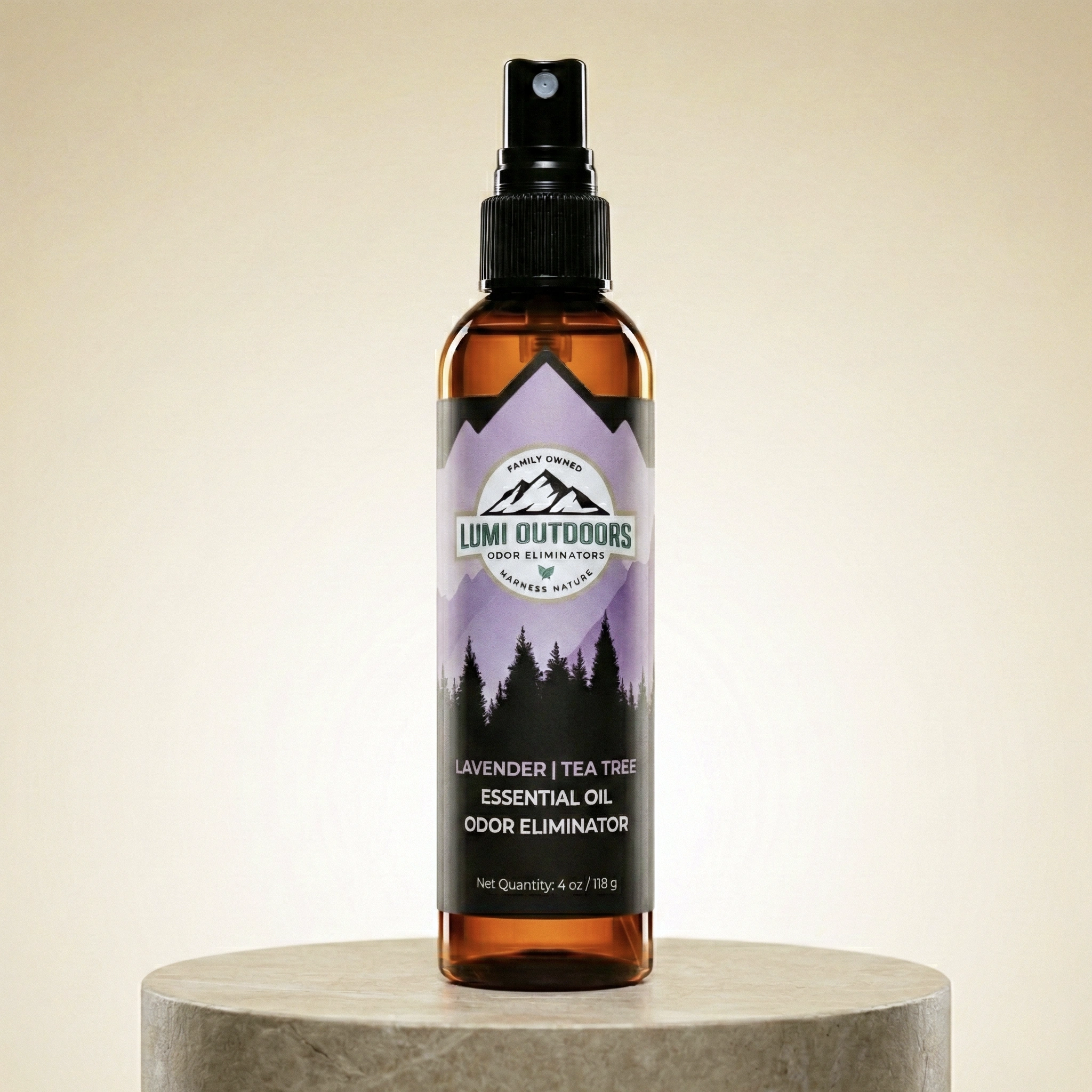
Join 1 Million+ Other People Who Chose Lumi to Conquer Their Shoe Odor.
- DESTROYS ODOR AT THE SOURCE, DOESN'T JUST MASK IT
- ALL-NATURAL & PLANT-BASED INGREDIENTS
- PROUDLY FAMILY-OWNED & MADE IN UTAH
- THE "FRESH CONFIDENCE" GUARANTEE