
The 2-Minute Routine to Deodorize Weightlifting Shoes and Absorb 99% of Sweat
- Stop the Soak: garden-variety odor starts with moisture. Weightlifting shoes lack ventilation, so you must absorb sweat before it sinks into the lining.
- Avoid the Wash: machines destroy the structural integrity of your gear. Heat and water from machines can ruin the expensive adhesives in your lifting shoes.
- Prevention is King: two minutes of prep saves your shoes for years. Applying powder before your workout is 10x more effective than trying to fix the smell later.

You know that specific, heavy scent that hits you the moment you unzip your gym bag after a leg day? It’s not just "gym smell." It’s something deeper, more stubborn, and—let’s be honest—pretty embarrassing if you have to change in a crowded locker room. Weightlifting shoes are an investment, often costing north of $200, but they quickly become the most neglected piece of gear in our kit.
We spend hours researching the perfect heel height or the stability of the sole, yet we treat the inside of the shoe like a biohazard zone we’d rather ignore. But ignoring it is exactly how you end up with "perma-stink"—that smell that stays even after the shoes are dry. If you want to keep your lifters for years instead of months, you need a plan that actually handles the swampy reality of heavy training.
Why Do Weightlifting Shoes Smell So Much Worse Than Regular Sneakers?
Weightlifting shoes smell worse because they are typically made of non-breathable materials like leather or thick synthetics designed for stability, which traps heat and sweat against the foot. The lack of airflow creates a perfect environment for odor-causing organisms to thrive in the damp lining.
When you’re under a heavy barbell, your feet sweat. A lot. It’s a natural reaction to the physical stress. In a standard running shoe, that moisture has somewhere to go thanks to mesh panels. But weightlifting shoes are built for support, not ventilation. They are essentially stiff, leather-bound boxes for your feet.
Here’s the thing: once that sweat soaks into the foam padding and the footbed, it doesn't just disappear. It sits there. If you’re interested in the science, the National Institutes of Health explains how moisture leads to skin issues and odor. Every time you skip a post-workout cleanup, you’re essentially layering more "funk" onto the previous session's remains. This is exactly why scrubbing doesn't work once the smell has moved into the deep fibers of the shoe.
If you want to stop the moisture before it starts, you need a heavy-duty absorber. This is the one we keep by the door:
What You'll Need
- Soft-bristled shoe brush
- Newspaper for stuffing
- Natural Foot Powder Check Price →
- Cedar shoe trees
How Can I Deodorize Weightlifting Shoes Without Ruining the Material?
The safest way to deodorize weightlifting shoes is to use a natural, talc-free powder or a plant-based spray that neutralizes odor without saturating the leather or compromising the adhesive in the sole. Avoid the washing machine, as heat and agitation can warp the shoe's structural stability.
I’ve seen people toss their expensive Romaleos or Adipowers in the washing machine, and it makes me cringe every time. The heat from a dryer or even the soaking from a wash cycle can melt the glue that holds your heel together. That’s a fast way to turn a $200 shoe into a paperweight.
Instead, your first step should always be mechanical. Use a soft-bristled shoe brush to flick away any dried chalk or gym dust from the exterior and the tongue. Chalk is great for your grip, but when it gets into the seams of your shoes and mixes with sweat, it creates a pasty mess that traps odor. Once the exterior is clear, you can focus on the interior moisture.
If your shoes are truly soaked after a session, don't just leave them in your bag. Take them out and stuff them with newspaper. The paper wicks away the liquid that the powder can't reach. It's a simple, old-school trick that works better than any fancy electric dryer. Once they are damp rather than soaking, you can move on to the actual deodorizing step.
What Is the Best Way to Absorb Sweat in Lifters Instantly?

The most effective way to absorb sweat instantly is by applying a high-performance foot powder directly to your feet and inside your socks before you put your shoes on. This creates a dry barrier that catches moisture before it can soak into the shoe’s lining.
Most people wait until their shoes smell like a dumpster to do something about it. That's reactive. If you want to be proactive, you have to treat the source—your feet. Applying a product like the Natural Foot Powder before you even pull on your socks makes a world of difference. It’s the difference between a dry shoe and a swamp.
We compared our natural powder against the big-brand aerosols you find at the grocery store. The difference isn't just in the smell—it's in the chemistry. Many of those sprays just cover up the scent with a "fresh linen" perfume that eventually mixes with the sweat to create something even worse.
| Feature | Lumi Natural Solutions | Generic Aerosol Sprays |
|---|---|---|
| Odor Source Protection | Neutralizes at the source with oils | Masks with synthetic perfume |
| Moisture Absorption | Zinc and clay powders soak up sweat | Often adds more liquid to the shoe |
| Ingredient Safety | 100% Plant and Mineral based | Contains butane and phthalates |
| Longevity | Prevents odor buildup over time | Temporary fix lasts only a few hours |
Using a powder is also a great way to get 12-hour moisture control, which is vital if you're heading to the gym straight from work or staying late for a double session.
Don't just powder your shoes; powder the spaces between your toes. This is where the most concentrated sweat glands are, and stopping moisture there prevents it from ever reaching your shoe's footbed.
How Often Should I Treat My Gym Shoes to Keep Them Fresh?

You should apply a moisture-absorbing powder before every workout and use a deodorizing spray once or twice a week for maintenance. For maximum longevity, use cedar shoe trees after every session to maintain the shoe's shape and pull out any remaining deep-seated moisture.
Consistency is the boring secret to a fresh gym bag. If you only clean your shoes once a month, you're fighting a losing battle. Think of it like brushing your teeth—you do it to prevent the problem, not just when you notice a cavity.
After your workout, once you’ve removed the newspaper (if you used it), slide in some cedar shoe trees. Cedar is naturally porous and smells great without being chemically overwhelming. It also ensures that your lifters don't "curl" as they dry, keeping that flat, stable base you need for heavy squats. If you're dealing with a particularly rough patch of odor, you might want to read up on why feet smell like corn chips to see if there's a deeper issue at play.
Can Natural Ingredients Really Handle Heavy Athlete Odors?
Yes, natural ingredients like lemongrass, peppermint, and eucalyptus are highly effective at neutralizing odors and absorbing moisture without the need for harsh chemicals or synthetic fragrances. These plant-based oils break down the compounds that cause the "stink" rather than just masking them.
I get the skepticism. We’ve been told for years that if it doesn't smell like a chemistry lab, it isn't working. But that's just not true. Ask any parent who has had to deal with a teenager's hockey bag or soccer cleats. The heavy stuff usually needs something that actually attacks the source of the smell.
Our Extra Strength Shoe Deodorizer Spray uses a blend of essential oils that are tough on odors but safe for your skin. Here’s what one of our customers, a CrossFit athlete, had to say:
"I was about to throw away my lifters because the smell was so bad it would stay on my socks after I took them off. I started using the powder before my sessions and the spray after. Two weeks later, and they smell like... nothing. Just clean. I'm a believer."
Is the natural route perfect? Mostly, but it does require consistency. Here's the honest breakdown:
- Stops odors before they become permanent.
- Extends the life of expensive footwear.
- No harsh chemicals or skin irritants.
- Actually absorbs liquid rather than just masking scent.
- White powder can be visible on dark socks if over-applied.
- Requires consistent application to see the best results.
If you're tired of being the person with the "stinky shoes" at the gym, or if you're just a parent trying to save a pair of expensive cleats from the trash, it's time to change the routine. A few seconds of powder before you lift and a quick spray after you finish will save you hundreds of dollars in the long run. Plus, your gym partners will thank you.
Ready to eliminate weightlifting shoe odor for good?
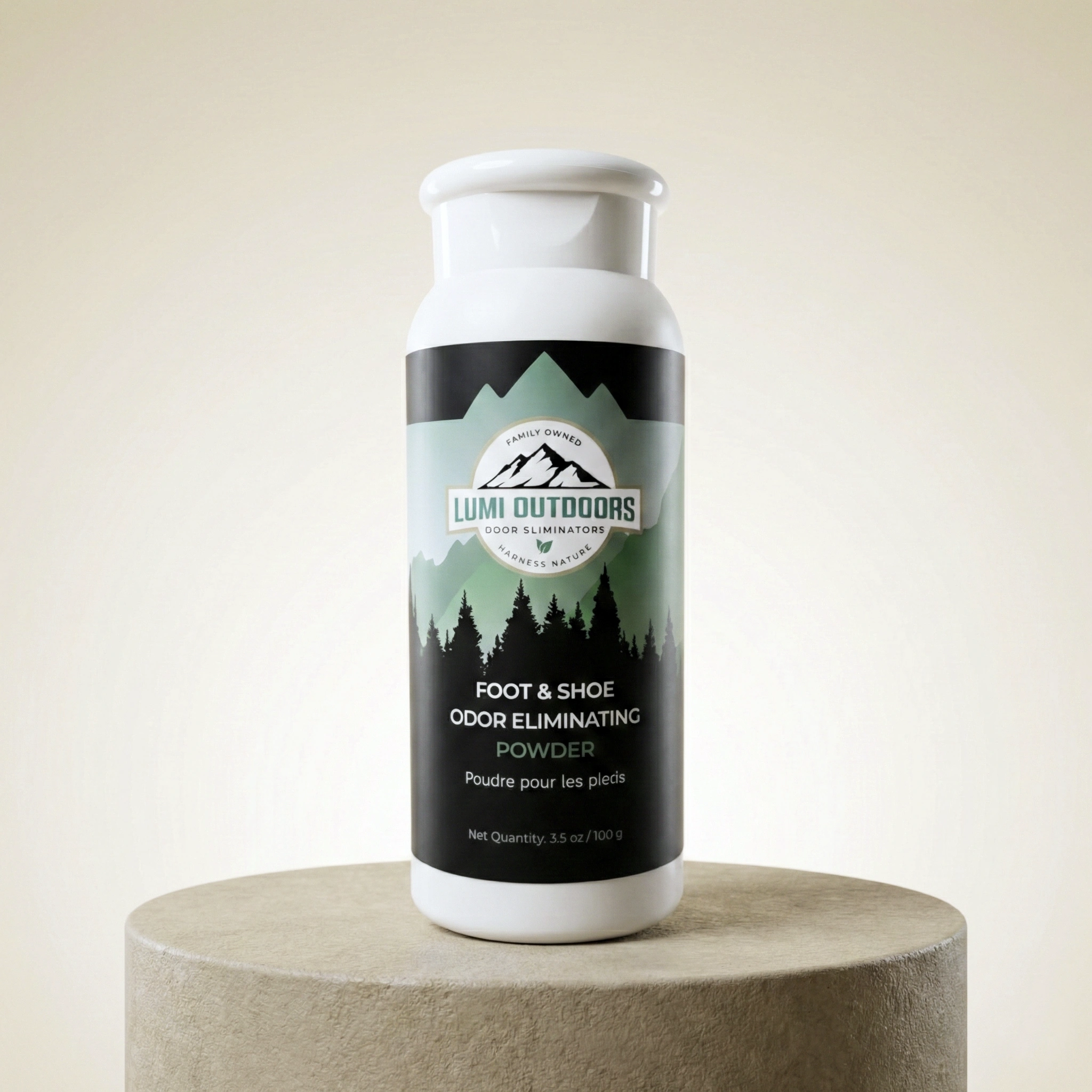
The best way to fight odor is to stop it before it starts. Our all-natural, talc-free foot powder is your first line of defense against mois...
- ABSORBS SWEAT & NEUTRALIZES ODOR
- ALL-NATURAL & TALC-FREE FORMULA
- PROUDLY FAMILY-OWNED & MADE IN UTAH
- THE "FRESH CONFIDENCE" GUARANTEE