
Save Your Full-Grain Leather! 3 Best Powders for Dry Feet
- Salt Rot Danger Sweat contains salts that dry out leather and cause it to crack from the inside.
- Avoid Clumping Talc and cornstarch can turn into a paste that traps moisture against the boot lining.
- Mineral Defense Natural minerals like bentonite clay provide the best moisture protection for full-grain leather.

You spent a lot of money on those boots. Whether they’re your go-to work boots for the job site or those high-end leather hikers you saved up for, full-grain leather is an investment. But here’s the thing most people don’t realize: your feet are slowly destroying them from the inside out. Every time you sweat, that moisture soaks into the leather lining. It’s not just water; it’s salt and oils that, over time, make the leather brittle, smelly, and prone to cracking.
I’ve seen it happen too many times. You think you're taking care of them by oiling the outside, but the inside is a swamp. If you want those boots to last a decade instead of a season, you have to keep them dry. That’s where a good powder comes in. But you can't just grab any bottle off the grocery store shelf. Some ingredients can actually make things worse for high-quality leather.
Why Is Moisture So Bad for Full-Grain Leather Boots?
Moisture from sweat carries salts that settle into the leather fibers, causing them to become brittle and rot from the inside out as they dry. This process, often called salt rot, leads to permanent cracking and structural failure of the footwear.
Leather is essentially skin. It needs a balance of moisture and oils to stay flexible. When your feet sweat, the leather absorbs that liquid. As the water evaporates, the salt stays behind. Think about what happens to a leather belt if you leave it in a salty garage for a year—it gets stiff and breaks. The same thing happens to your boots. This is why proper leather care starts with the environment inside the boot.
If you want to stop the moisture before it starts, you need a heavy-duty absorber. This is the one we keep by the door:
What You'll Need
- Horsehair Shoe Brush
- Newspaper for Stuffing
- Natural Foot Powder Check Price →
- Moisture-Wicking Wool Socks
Can You Use Regular Baby Powder in Leather Boots?
You should avoid using traditional baby powders in leather boots because many contain talc or heavy cornstarch that can clump into a paste when mixed with sweat. This paste traps moisture against the leather and can clog the pores of the material, preventing it from breathing.
Here’s what I’ve found: when you use a cheap, clumping powder, it feels okay for twenty minutes. But after a long day on your feet, that powder turns into a gunk that gets stuck in the seams. It's a mess to clean out, and it actually holds dampness against the leather longer than if you had used nothing at all. You want something that stays light and helps the boot "breathe" while it works.
It also helps to think about your socks. Even the best powder can't do all the heavy lifting if you're wearing cheap cotton socks that hold onto water like a sponge. Switching to wool or a high-quality synthetic blend makes a world of difference when paired with a natural powder.
Before applying powder, use a horsehair brush to sweep out any grit from the inside of your boots. This prevents the powder from mixing with dirt to create an abrasive paste that wears down the leather lining.
What Are the Best Foot Powders for Full-Grain Leather?

The best foot powders for leather use a blend of bentonite clay, arrowroot, or zinc oxide to absorb moisture without clumping or damaging the hide. These ingredients keep the interior dry and prevent the salt buildup that leads to cracking.
When you're looking for a solution, you want to stick to these three types of "hacks" to keep your leather safe:
- The Clay-Based Absorber: Using a powder with bentonite or kaolin clay is like putting a tiny dehumidifier in your shoe. It pulls moisture away from the leather fibers and holds it so it can't soak in.
- The Zinc Oxide Shield: Zinc is great because it doesn't just sit there; it helps create a barrier that keeps your feet feeling fresh without using harsh chemicals that might dry out the leather too fast.
- The Essential Oil Blend: Instead of fake "fresh scent" chemicals, look for powders that use things like lemongrass or peppermint. These help with the smell without leaving a chemical residue that can interact poorly with leather conditioners.
I tested a few different ways to keep my work boots dry over a month. The difference isn't just in the smell—it's in how the leather feels when I put them on the next morning. Here's what I saw:
| Feature | Natural Foot Powder | Drugstore Talc Powder |
|---|---|---|
| Absorbency Level | High (Clay-based) | Medium (Cornstarch) |
| Leather Safety | Safe (Non-clumping) | Risky (Can clog pores) |
| Ingredients | Natural minerals/oils | Harsh chemicals/talc |
| Scent Source | Lemongrass & Menthol | Synthetic Fragrance |
If you're dealing with boots that already have a bit of a "situation" going on, you might need something stronger than just a daily powder. For those cases, I usually recommend a system. You can keep your shoes smelling new by using a powder during the day and a light deodorizer at night, but only if they are both safe for the materials.
How to Apply Powder Without Making a Mess
Don't just dump a handful of powder into your boot. You’ll end up with white clouds all over your floor and a pile of dust in the toe box. Instead, sprinkle a small amount into the heel, then tilt the boot back and forth to let it slide down to the toes. Give it a quick shake, and you're good to go. If you’re using a high-quality product like the Natural Foot Powder, a little bit goes a long way.
Is the natural route perfect? Mostly, but it does require consistency. If you skip a few days, the moisture starts to win again. Here's the honest breakdown:
- Extends the life of expensive leather footwear
- Prevents salt rot and internal cracking
- Uses safe, plant-based ingredients
- Pleasant, natural scent that isn't overpowering
- Can leave a temporary white dust on very dark socks
- Requires daily application for maximum leather protection
At the end of the day, your boots are a tool. Like any tool, they need maintenance. Taking thirty seconds every morning to use a safe, natural powder isn't just about avoiding a "stinky shoe" reputation—it's about making sure you don't have to buy a new pair of $200 boots next year because the leather on your current pair turned into cardboard.
If you're ready to actually protect that leather and keep your feet dry, go for the natural stuff. Your boots (and your partner) will thank you.
Want to save your boots from salt rot?
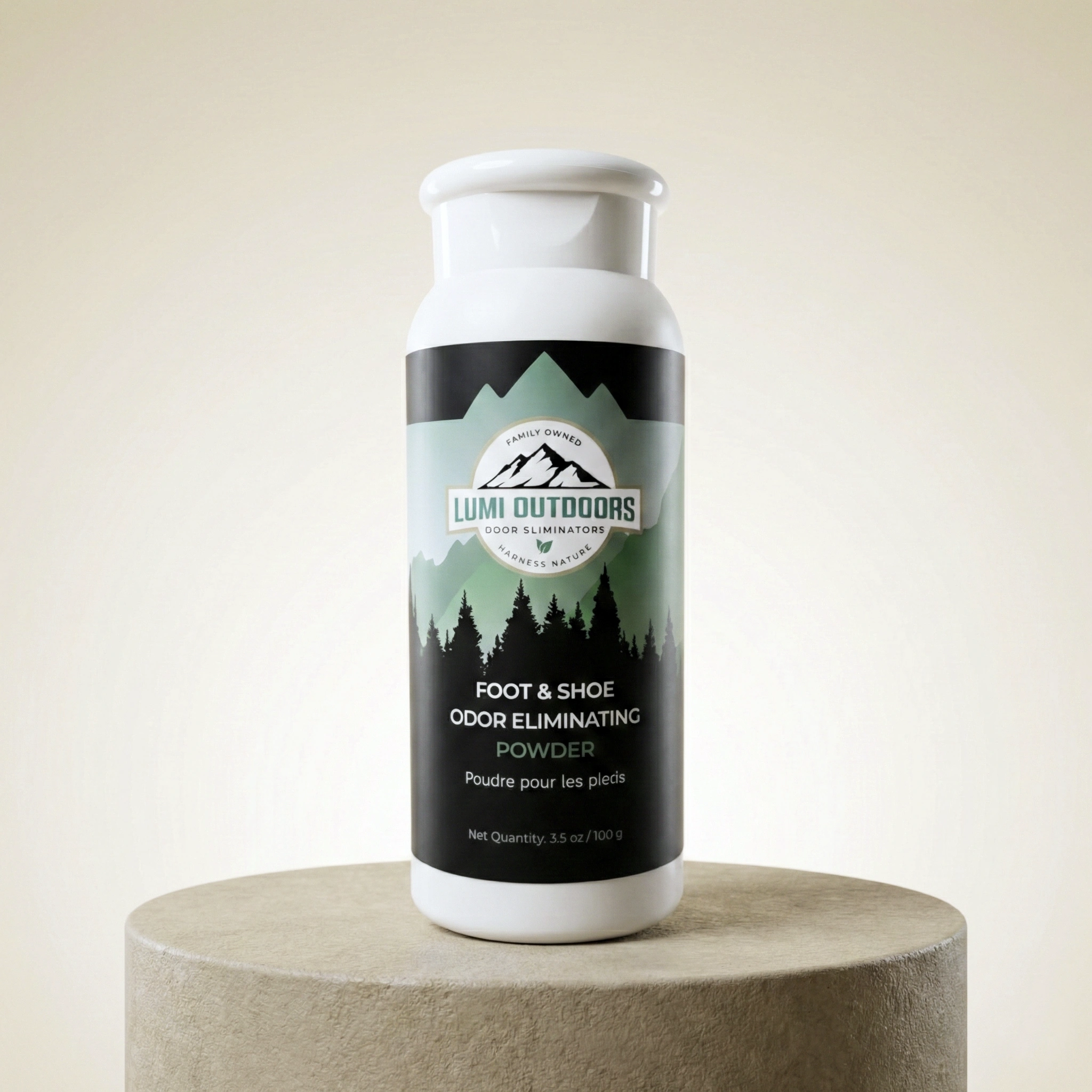
The best way to fight odor is to stop it before it starts. Our all-natural, talc-free foot powder is your first line of defense against mois...
- ABSORBS SWEAT & NEUTRALIZES ODOR
- ALL-NATURAL & TALC-FREE FORMULA
- PROUDLY FAMILY-OWNED & MADE IN UTAH
- THE "FRESH CONFIDENCE" GUARANTEE