
Stop Washing Your Boots: Why You Should Deodorize Soccer Cleats Differently
- Skip the Washer High heat and water break down the glue and synthetic plates, shortening the life of the boot.
- The System Method Combine pre-game powder to absorb sweat with post-game natural sprays to neutralize odor.
- Air Dry Only Always pull the insoles and air-dry cleats away from direct heat to maintain the proper fit.

You know that smell. It's Saturday afternoon, the game just ended, and your kid climbs into the car. Before they even close the door, a wave of something truly foul hits you. It’s a mix of wet grass, old sweat, and something that smells suspiciously like a swamp. By the time you get home, the smell has moved from the cleats to the carpet, and eventually, it’s haunting your mudroom like a bad ghost.
Your first instinct is probably to grab those boots and toss them straight into the washing machine. It makes sense, right? Clothes are dirty, you wash them. But when it comes to soccer cleats, that’s actually the worst thing you can do. You’re not just cleaning them; you’re effectively killing them. I’ve seen parents ruin $200 cleats in a single cycle because the heat and water destroyed the glue holding the sole together.
If you want to stop the moisture before it starts, you need a heavy-duty absorber. This is the one we keep by the door:
What You'll Need
- Soft-bristled shoe brush
- Microfiber cloth
- Natural Foot Powder and Extra Strength Shoe Deodorizer Spray Check Price →
- Old newspaper for stuffing
Can You Put Soccer Cleats in the Washing Machine?
No, you should never put soccer cleats in the washing machine because the high heat and agitation break down the structural adhesives and synthetic materials. This leads to the sole separating from the upper and ruins the fit of the boot.
Soccer cleats are delicate pieces of engineering. Whether they are high-end K-leather or modern synthetics, they aren't built to handle the "spin" cycle. When you soak them completely, the internal padding acts like a sponge. It takes forever to dry, and while it sits there damp, the odor-causing particles only get worse. Plus, the heat from a dryer is even more dangerous. It can cause the plastic plates to warp and the leather to crack.
Instead of the machine, you need a targeted approach. Think of it like a "dry clean only" suit. You wouldn't throw a tuxedo in the wash, and you shouldn't do it to the gear that helps your athlete perform. If you've ever wondered why scrubbing doesn't work, it’s because the smell lives deep in the fibers, not just on the surface.
Why Do Soccer Cleats Smell So Bad Compared to Other Shoes?
Soccer cleats smell worse than regular shoes because they are worn in high-moisture environments with poor ventilation, trapping sweat and organic matter like grass and mud. The synthetic materials often used in cleats don't "breathe," creating a perfect home for odors.
When your kid is sprinting for 90 minutes, their feet are producing a massive amount of sweat. In a normal running shoe, some of that moisture can escape through mesh. But soccer cleats are designed to be water-resistant and aerodynamic. They’re tight. They’re often made of plastic-like materials. This means the sweat has nowhere to go but into the lining.
Then you add the "organic" factor. Bits of grass, mud, and even the rubber pellets from turf fields get inside. When these mix with sweat, they start to break down. This is actually a biological process. According to the Mayo Clinic, moisture is the primary driver for the skin conditions and odors associated with active feet. If you don't dry them out and neutralize those odors immediately, the smell becomes permanent.
I tested our natural spray against the big-brand aerosols for a week of practice. The difference isn't just in the smell—it's in the chemistry:
| Feature | Lumi Extra Strength Spray | Generic Aerosol Sprays |
|---|---|---|
| Ingredient Base | Essential Oils & Natural Enzymes | Harsh Chemicals & Alcohol |
| Scent Quality | Fresh Lemon & Eucalyptus | Artificial "Floral" Masking Scent |
| Material Safety | Safe for Leather & Synthetics | Can dry out or damage glue |
| Longevity | Concentrated (700+ sprays) | Runs out quickly |
How Do You Deodorize Soccer Cleats Without Ruining Them?

To deodorize soccer cleats safely, first remove dry mud with a soft-bristled brush, wipe the exterior with a microfiber cloth, and then use a natural spray and powder system to neutralize odors and absorb moisture. Always air-dry them away from direct heat sources.
Here is the step-by-step process I use at home. It takes about five minutes, but it saves the cleats (and my nose).
Step 1: The External Clean
Don't let mud sit on the cleats. Once it dries, use a soft-bristled shoe brush to flick away the dirt and grass. If you leave mud on the boots, it can trap moisture inside the material, making the smell even worse. After brushing, use a damp microfiber cloth to wipe down the synthetic upper. This keeps them looking new without soaking the inside.
Step 2: The Stuffing Method
If the cleats are truly soaked from a rainy game, pull out the insoles immediately. Take some old newspaper and crumple it up. Stuff it deep into the toes of the boots. The newspaper acts like a wick, drawing the moisture out of the padding. Replace the paper every few hours if it gets saturated. This is a classic trick used by pros to keep their boots light and dry.
Step 3: Neutralize and Prevent
Once the boots are mostly dry, it’s time for the heavy lifting. I use the Extra Strength Shoe Deodorizer Spray. A couple of spritzes inside each boot does the trick. Because it uses essential oils like eucalyptus and lemongrass, it doesn't just mask the smell with a "fake" flower scent. It actually hits the odor where it lives.
Don't just spray the inside—spritz the insoles separately. Most odor lives in the foam of the insole, and pulling them out allows better airflow to the bottom of the boot where moisture often gets trapped.
What Are the Best Natural Remedies for Smelly Cleats?
The best natural remedies for smelly cleats include using essential oil-based sprays, talc-free powders, and sunlight, which provides natural UV rays to help freshen the material. Avoid harsh chemicals that can irritate the skin or degrade the boot's synthetic fibers.
A lot of people reach for the blue can of aerosol spray at the drugstore. The problem? Those are often packed with chemicals you don't necessarily want sitting against your kid's skin for two hours during a game. Plus, they usually just smell like "chemicals plus sweat," which is somehow worse than just the sweat.
Natural options like Tea Tree oil and Citrus are fantastic because they are potent but safe. If you're dealing with a mild case of "stink," the Natural Citrus Tea Tree Shoe Deodorizer Spray is a great daily maintenance tool. It keeps the mudroom smelling like a lemon grove instead of a locker room.
You can also try a vinegar and water mix (50/50) for a quick wipe-down, but be careful—vinegar is an acid. If you use too much on leather cleats, it can dry them out over time. It’s better to use a balanced formula that’s designed for footwear.
How Can You Prevent Cleat Odor Before It Starts?
Prevention starts by keeping feet dry with moisture-wicking socks and using a natural foot powder before putting on cleats to absorb sweat at the source. Consistent post-game cleaning prevents the buildup of odor-causing organic matter.
If you want to be a real pro, you don't wait for the smell to happen. You stop it before the first whistle. This is where a lot of parents miss the mark. They focus on the shoes, but the feet are the factory where the smell is made. Using a Natural Foot Powder before the game is a total game-changer. It keeps the feet dry, which means less sweat ends up in the cleats.
Also, encourage your athlete to change out of their cleats as soon as they leave the pitch. Walking around in sweaty cleats for the hour-long car ride home is just asking for trouble. Put on some slides, let the cleats breathe in the trunk (or better yet, a ventilated bag), and you’ll notice a huge difference. You can read more about this in our guide on 12-hour moisture control.
Is the natural route perfect? Mostly, but it does require consistency. You can't just spray once a year and expect magic. Here's the honest breakdown:
- Saves money by extending boot lifespan
- Non-toxic and safe for kids' skin
- Effective on even the most stubborn odors
- Easy for kids to use themselves
- Requires application after every game for best results
- Natural scent is strong during initial application
At the end of the day, soccer cleats are an investment. You spend a lot of money on them, and your kids spend a lot of time in them. Taking care of them the right way doesn't just save your nose—it saves your wallet. Stop the cycle of washing and ruining. Switch to a system that actually works with the materials, not against them. Your car, your mudroom, and your athlete will thank you.
Ready to stop the soccer-stink for good?
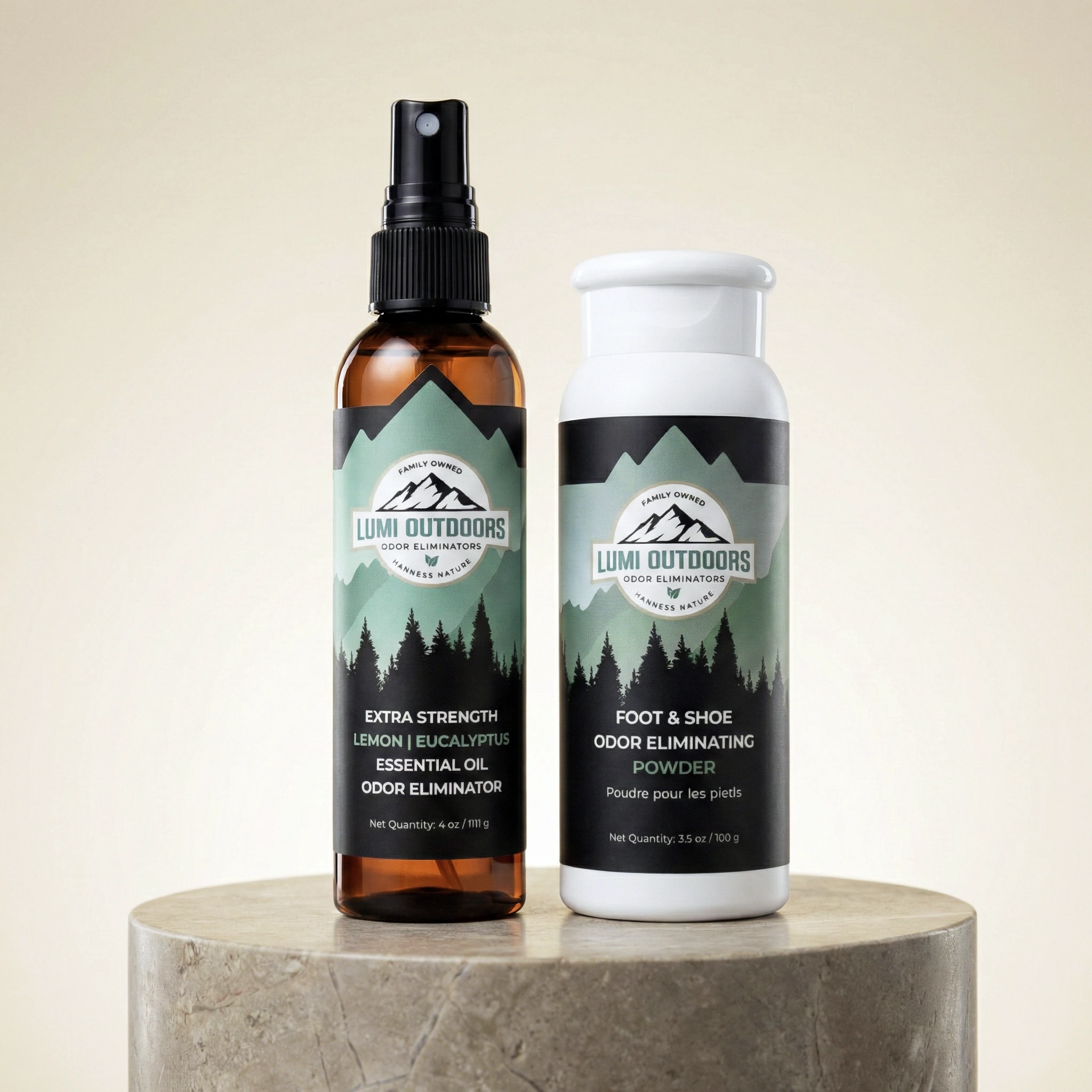
Join 1 Million+ Other People Who Chose Lumi to Conquer Their Shoe Odor.
- THE ULTIMATE 1-2 PUNCH AGAINST ODOR
- A COMPLETE KIT FOR SHOES, BAGS & GEAR
- PROUDLY FAMILY-OWNED & MADE IN UTAH
- THE "FRESH CONFIDENCE" GUARANTEE