

7 Proven Ways to Get Rid of Smelly Dance Shoes and Keep Them Fresh
- Dryness is King Airflow and rotation are the most effective ways to prevent permanent odors from settling into dance gear.
- Nature Over Chemicals Essential oils like eucalyptus and lemon neutralize smells without damaging delicate dance materials like leather or canvas.
- Skip the Mess Kitchen baking soda is often too messy and abrasive for high-performance dance shoes; use purpose-built sprays instead.

Your child’s dance bag shouldn't smell like a swamp, but we've all been there. You open that zipper after a long Saturday rehearsal and the odor hits you like a wall. It’s embarrassing for them and frustrating for you, especially when those specialized shoes cost a small fortune. You want a solution that works fast but doesn't involve dousing their gear in harsh chemicals that touch their skin for hours.
The good news is that those smells aren't permanent. Most of the time, the "stink" is just the result of sweat trapped in dark, tight spaces. If we change the environment inside the shoe, the smell disappears. It takes a few simple habits and the right tools to turn a biohazard dance bag back into something you can keep in the house without gagging.
How Can You Stop Dance Shoes from Smelling in the First Place?
The best way to prevent odor is to manage moisture by wearing high-quality moisture-wicking socks and letting shoes breathe between every single use. This stops the damp environment where odor thrives before it has a chance to take hold.
Think about how dance shoes are built. They are often snug, made of leather or canvas, and designed to hug the foot. This is great for a pirouette but terrible for airflow. When feet sweat—and they will—that moisture has nowhere to go. It soaks into the lining and stays there.
If you want to stay ahead of the game, make sure your dancer has at least two pairs of their most-used shoes. Rotating them gives each pair a full 24 to 48 hours to dry out. It sounds expensive upfront, but you'll find the shoes last much longer because the materials aren't constantly damp and breaking down. Also, consider their socks. Cotton is the enemy here because it holds onto water. Look for synthetic blends or merino wool designed for athletes.
You don't need a chemistry degree to fix this. You just need a spray that works with nature instead of against it.
What You'll Need
- Old Socks (for stuffing)
- Mesh Laundry Bag
- Extra Strength Shoe Deodorizer Spray Check Price →
- Microfiber Cloth
What Is the Best Way to Dry Dance Shoes Quickly?
To dry dance shoes without damaging the material, stuff them with plain newspaper or old socks to soak up moisture and place them in a spot with high airflow. Never use a hair dryer or radiator, as high heat can crack leather and melt the adhesives holding the shoe together.
Moisture is the root of the problem. If you leave damp shoes in a dark bag, you're basically inviting the smell to move in. As soon as class is over, those shoes need to come out of the bag. If they feel damp to the touch, take some old socks and stuff them deep into the toes. This helps the shoe keep its shape while pulling the water out of the fabric.
For leather ballet or jazz shoes, be gentle. Leather is a skin, and if you dry it too fast with a heater, it gets brittle. Instead, find a spot near a window or a fan. Air movement is your best friend. Some parents even use small charcoal bags or cedar inserts, which help pull out the dampness while adding a faint, clean scent. If you're dealing with serious moisture, check out these tips to stop smelly boots forever which apply to heavy-duty dance gear too.
Does Baking Soda Really Work for Dance Shoe Odor?
Baking soda can help absorb some moisture, but it is often messy and can leave a gritty residue that irritates a dancer's feet during movement. It also fails to address the underlying cause of the odor, making it a temporary fix at best.
We’ve all heard the advice to dump baking soda in shoes. It seems like a cheap fix, right? But here is the thing: dance shoes are high-performance gear. If you put powder in a leather ballet flat, it can turn into a clumpy paste once the feet start sweating again. That paste is abrasive and can cause blisters.
Plus, baking soda only masks the scent for a little while. It doesn't actually break down the organic matter causing the problem. In fact, we wrote a whole guide on why baking soda alone is a terrible shoe deodorizer. If you want to use a powder, look for one specifically formulated for feet that uses zinc oxide or arrowroot powder instead of just kitchen staples.
The dance bag itself often holds more odor than the shoes. Once a week, turn the bag inside out and leave it in direct sunlight for an hour to kill the 'bag funk' that migrates back into clean shoes.
How Often Should You Wash Your Dance Socks and Liners?
Dance socks, tights, and removable liners should be washed after every single use to prevent the buildup of sweat and skin cells. For delicate items, use a mesh laundry bag and a gentle cycle to keep them from stretching or tearing.
It sounds like a lot of laundry, but this is the "low hanging fruit" of odor control. Your dancer's skin is constantly shedding, and when that combines with sweat, it creates a feast for the things that cause bromodosis (the medical term for smelly feet).
Get a mesh laundry bag for the small stuff. It keeps tights from getting tangled and protects those thin "footie" socks that disappear in the machine. If the shoes have a removable insole—common in some hip-hop sneakers—pull those out and wash them too. If they aren't machine washable, wipe them down with a microfiber cloth and a bit of soap and water. Keeping the layers between the foot and the shoe clean is half the battle won.
What Natural Sprays Are Safe for Delicate Dance Shoes?

Natural sprays using essential oils like lemon, eucalyptus, and tea tree are the safest choice for dance shoes because they neutralize odors without using harsh solvents. These oils break down the scent at the source while remaining gentle on leather, satin, and canvas.
Most big-name sprays you find at the drugstore are just perfumes mixed with alcohol. They smell like "artificial breeze" for ten minutes, but then the foot odor returns, creating a weird, sickly-sweet mix. Since dancers are often barefoot or in thin tights, you also don't want them soaking up weird chemicals through their skin.
This is where the Extra Strength Shoe Deodorizer Spray makes a world of difference. It uses high-concentration oils that actually work. I've found that one quick spray after a class—while the shoes are still warm—allows the oils to penetrate the fabric better. It doesn't just hide the smell; it stops it.
I tested our natural spray against those big-brand aerosols you find at the grocery store. The difference isn't just in the smell—it's in the chemistry.
| Feature | Lumi Extra Strength Spray | Generic Aerosol Sprays |
|---|---|---|
| Ingredients | Pure Essential Oils | Synthetic Fragrance & Alcohol |
| Odor Action | Neutralizes at the source | Masks with perfume |
| Skin Safety | Plant-based & Gentle | Can cause irritation |
| Longevity | High concentration (700+ sprays) | Quickly evaporates |
Can Using Cedar Inserts Help Maintain Dance Shoes?
Cedar inserts are a great investment for dance shoes because they naturally absorb moisture and provide a pleasant, earthy scent that discourages odor. They also help maintain the shoe's shape, which is vital for leather shoes that tend to shrink or curl as they dry.
Cedar has been used for centuries to keep clothes fresh, and it works just as well for footwear. If you don't want to buy expensive shoe trees, you can find cedar shavings at most pet stores (sold as bedding) and fill an old pair of tights with them to make your own "shoe snakes."
Slide these into the shoes as soon as they come off. The wood pulls the sweat out of the lining much faster than just letting them sit in the air. For dancers with expensive pointe shoes or professional jazz shoes, this is a "pro move" that pays for itself by extending the life of the footwear. If you're curious about why your gear smells so specific, you might want to read about why feet can smell like corn chips.
Why Is Air Circulation the Secret to Odor-Free Dance Bags?
A closed dance bag acts like a greenhouse for odor-causing elements; keeping the bag open or using a mesh gear bag allows air to circulate and prevents the stagnant conditions where smells intensify. This simple habit can reduce the "bag funk" that ruins clean clothes and gear.
Look, we're all busy. It's easy for your kid to get home, drop their bag by the door, and forget about it until the next day. But that's when the damage happens. If you can't get them to take the shoes out, at least make sure the bag stays unzipped. Better yet, switch to a bag with mesh side panels.
Is the natural route perfect? Mostly, but it does require consistency. You can't just spray once a month and expect a miracle. Here's the honest breakdown:
- Completely safe for sensitive skin and bare feet.
- One bottle lasts through an entire dance season.
- Effectively neutralizes odors instead of just masking them.
- Safe for expensive leather and satin materials.
- Requires consistent application after each class for the best results.
- The natural scent is strong initially (though it fades to a clean finish).
Keeping dance shoes fresh isn't about one "magic" trick. It’s about a system. Dry them out, keep the liners clean, and use a high-quality natural spray like Lumi Outdoors to keep the funk at bay. Your nose (and your dancer) will thank you.
Tired of the dance bag funk?
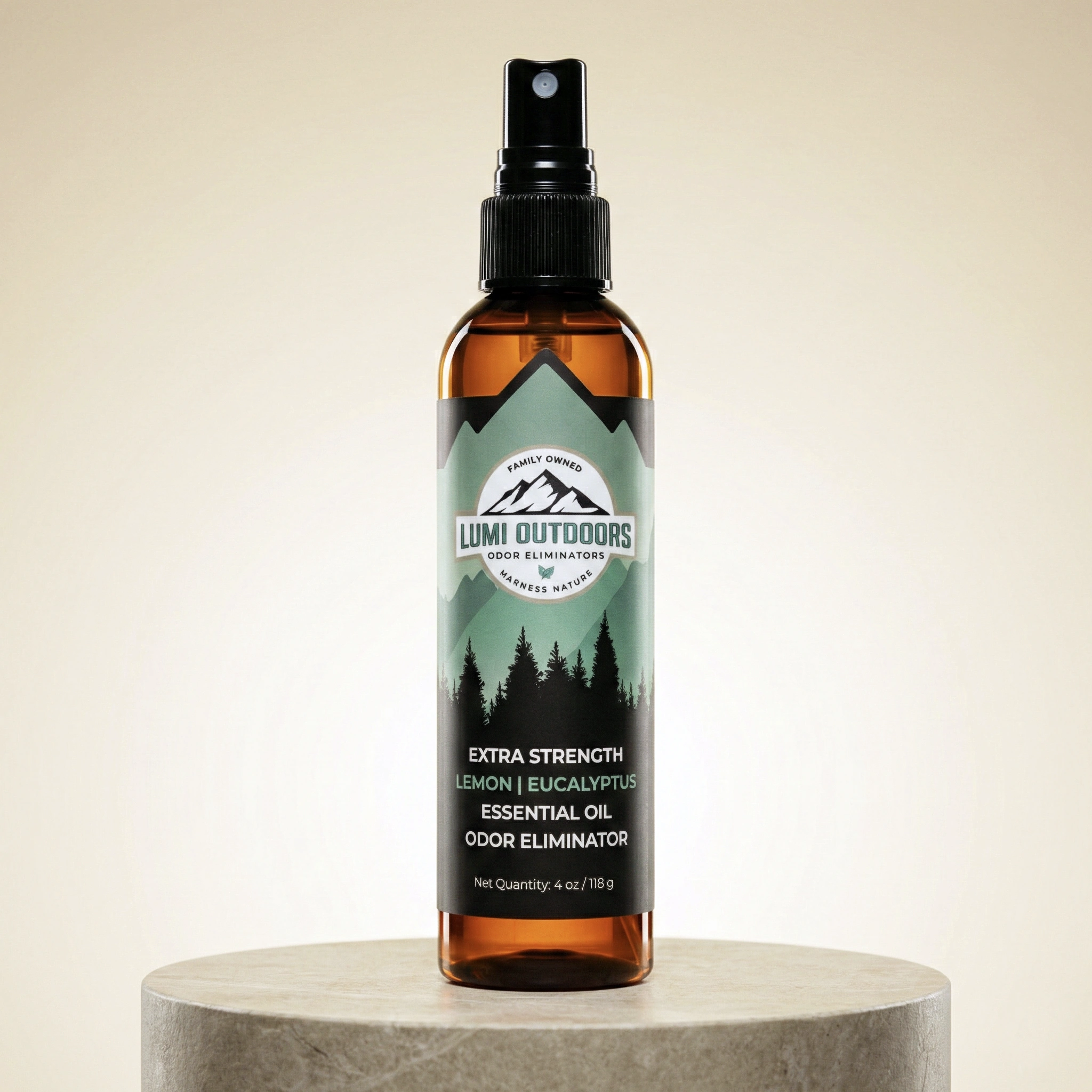
Join 1 Million+ Other People Who Chose Lumi to Conquer Their Shoe Odor.
- DESTROYS ODOR AT THE SOURCE, DOESN'T JUST MASK IT
- ALL-NATURAL & PLANT-BASED INGREDIENTS
- PROUDLY FAMILY-OWNED & MADE IN UTAH
- THE "FRESH CONFIDENCE" GUARANTEE