
Prevent Running Shoes from Smelling with 2 Daily Tweaks
- Moisture Control Control moisture inside the shoe before you start running to stop odors from forming in the first place.
- Post-Run Reset Use a natural spray immediately after your run to neutralize scents while the shoe is still warm.
- Skip the Wash Keep performance shoes out of the washing machine to prevent structural damage and foam breakdown.

You know that specific scent. It’s the one that hits you the moment you open the hall closet or walk into the mudroom after a long run. It’s not just sweat; it’s that heavy, lingering funk that seems to bake itself into the very fibers of your favorite expensive trainers. If you’ve ever felt like your shoes were a biohazard after a half-marathon training session, you aren't alone. We’ve all been there, holding our breath while trying to shove them into a corner where the smell won't migrate to the rest of the house.
Most of us assume this is just the price of being active. We figure that if we're putting in the miles, our gear is going to pay the price. But here’s a secret from the trenches: you don't have to choose between a personal best and a fresh-smelling home. Your shoes are an investment, and keeping them from smelling isn't just about social etiquette. It's about making those $160 sneakers last twice as long.
Why Running Shoes Turn Into Science Experiments
Before we fix the problem, we have to look at what's actually happening inside your footwear. Your feet have thousands of sweat glands. During a run, they're working overtime. When that moisture gets trapped in the dark, warm interior of a cushioned running shoe, it creates a perfect playground for odors to develop. Most people make the mistake of leaving their shoes in a gym bag or a dark closet immediately after a workout. This is basically giving those odors a VIP invitation to stay forever.
It isn't just about the sweat itself. It’s about the environment. When shoes stay damp, the materials start to break down faster. That "old shoe" smell is often the sound of your gear giving up. If you want to prevent running shoes from smelling, you have to disrupt that environment before the odor takes root.
If you want to stop the moisture before it starts, you need a heavy-duty absorber. This is the one we keep by the door:
What You'll Need
- Old Newspaper
- Cedar Shoe Trees
- Natural Foot Powder and Extra Strength Shoe Deodorizer Spray Check Price →
- Clean Microfiber Cloth
Tweak 1: Stop the Swamp with Moisture Management

The first major shift in your routine happens before you even lace up. Odor thrives on liquid. If you can keep the interior of the shoe dry while you're wearing it, you've already won half the battle. This is where most people fail because they focus on the shoes and forget about their feet. You need a barrier that works as hard as your training plan does.
We recommend using a high-quality powder every single time you head out. Don't just puff it in and hope for the best. Take a clean microfiber cloth and quickly wipe out any dust from the last run. Then, apply the powder directly to your feet and a light dusting inside the shoe. This absorbs the moisture as it happens, rather than trying to dry it out later. It’s a proactive strike against the funk.
On those days when you get caught in a downpour or sweat through your socks entirely, you need a backup plan. Grab some old newspaper. Crumple it up and stuff it deep into the toes of your shoes as soon as you get home. The paper pulls the moisture out of the fabric and foam much faster than air-drying alone. Just remember to swap the paper out after an hour if it's completely soaked.
Tweak 2: The 30-Second Post-Run Reset
The second tweak is all about what happens in the first minute after you pull your shoes off. Most of us kick our shoes off by the door and head straight for the shower. That's a mistake. Those first few minutes are when the shoes are at their warmest and the odors are most active. You need to hit them with something that neutralizes the scent immediately.
Instead of reaching for a chemical-heavy aerosol that just masks the smell with "fake mountain breeze," use a plant-based spray. A quick spritz of Extra Strength Shoe Deodorizer Spray works with the heat of the shoe to penetrate the lining. It doesn't just cover the scent; it changes the environment so the odor can't survive. It takes thirty seconds, but it saves you from having to deep-clean your shoes every month.
I tested both side-by-side for a week. Here's what happened:
| Feature | Lumi Natural Sprays | Mass-Market Aerosol Sprays |
|---|---|---|
| Odor Elimination Strategy | Neutralizes with plant oils | Masks with synthetic perfume |
| Skin Safety | Safe for sensitive skin | Can cause irritation or rashes |
| Longevity of Gear | Preserves technical fabrics | Solvents can degrade glue/mesh |
| Environmental Impact | 100% Plant-based & Non-toxic | Aerosol propellants & chemicals |
The Hidden Cost of "Chemical Freshness"

It’s tempting to grab the cheapest can of spray at the grocery store. But if you’re a runner, you’re likely conscious of what you put in and on your body. Many traditional sprays use harsh ingredients that can irritate your skin when your feet get hot and sweaty. Plus, those chemicals can actually degrade the technical fabrics used in modern running shoes. You didn't pay for premium mesh just to have it dissolved by cheap solvents.
Using natural oils like eucalyptus, lemongrass, and tea tree isn't just a "green" choice—it’s a performance choice. These oils are incredibly effective at handling odors without leaving a sticky residue. You’re also avoiding the "toxic cloud" effect in your entryway every time you spray your shoes. If you're curious about the science, check out why the shoe spray vs powder debate is setting you up to fail.
One of our regular customers, Sarah, shared her experience: "I used to keep my husband's running shoes in the garage because the smell was so bad. After two weeks of the Lumi routine, they’re back in the closet and I don't smell a thing. The Extra Strength spray is a lifesaver for our laundry room."
Making Freshness a Permanent Habit
Consistency is the secret ingredient here. Doing this once won't fix a shoe that's been neglected for six months. You have to treat it like your stretching routine—boring, but necessary. For the best results, we suggest a "layered" approach. Use the powder for the moisture, and the spray for the immediate cleanup. If you have multiple pairs of shoes in the rotation (and you should!), having a bundle makes it much easier to keep everything fresh.
After your run, and after you've used your spray, consider using cedar shoe trees. Slide them into your trainers. Cedar is naturally absorbent and helps the shoe maintain its shape while it dries. This prevents the "curling" that happens to the soles over time and adds a very light, natural wood scent that complements your deodorizer spray.
Common Pitfalls That Ruin Performance Gear
There is one mistake we see constantly: the washing machine. Please, for the love of your joints, keep your running shoes out of the washer and dryer. The high heat and agitation can melt the glue that holds your soles together and ruin the foam's ability to absorb shock. A smelly shoe that still has its cushion is better than a fresh shoe that gives you shin splints.
Stick to the daily tweaks. If your shoes are physically dirty, use a damp cloth to wipe the exterior and let them air dry in a well-ventilated spot—never under direct heat or in the sun, which can make the materials brittle. By following this simple, natural routine, you'll find that your gear stays fresh, your home stays guest-ready, and you can focus on your miles instead of your mudroom.
Is the natural route perfect? Mostly, but it does require consistency. Here's the honest breakdown:
- Uses high-concentration essential oils for real results
- Extends the lifespan of expensive training gear
- Completely safe for kids, pets, and sensitive skin
- No sticky residue or chemical clouds in the house
- Requires a daily habit to see the best results
- Not a substitute for replacing shoes once the foam has died
Tired of foot odor?
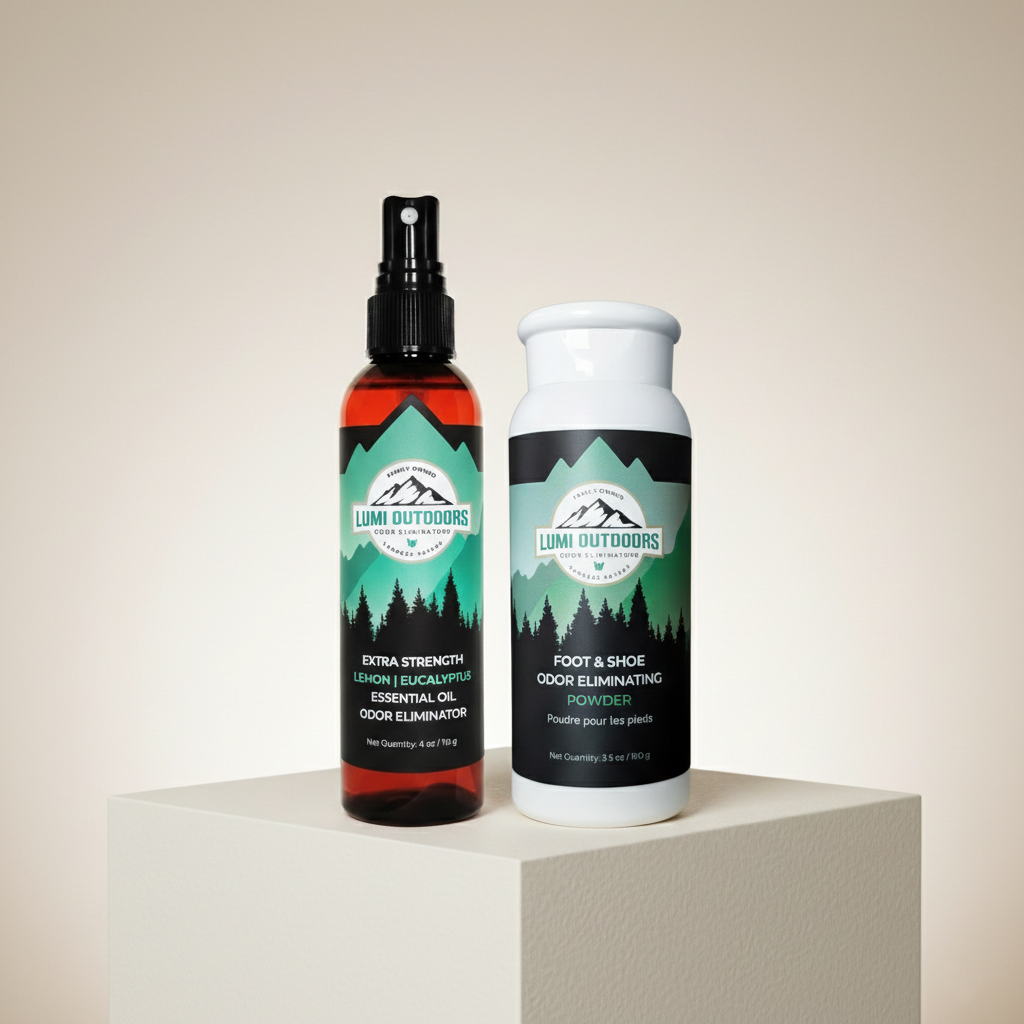
Join 1 Million+ Other People Who Chose Lumi to Conquer Their Shoe Odor.
- THE ULTIMATE 1-2 PUNCH AGAINST ODOR
- A COMPLETE KIT FOR SHOES, BAGS & GEAR
- PROUDLY FAMILY-OWNED & MADE IN UTAH
- THE "FRESH CONFIDENCE" GUARANTEE