

Neutralize Warehouse Boot Odor After a 10-Hour Shift
- The Root Cause Steel toes and concrete floors trap sweat that cannot evaporate naturally during long shifts.
- Why Sprays Fail Standard aerosols only mask the smell, while plant-based essential oils actually break down the odor.
- The Solution Combine a high-strength spray with newspaper stuffing to draw out deep-set moisture overnight.

You know that specific feeling when you finally pull your feet out of your work boots after a ten-hour shift? It’s a mix of pure relief and, honestly, a little bit of dread. If you work on warehouse concrete all day, you aren't just tired; your boots are probably holding onto a smell that could clear a room. It's that heavy, damp, metallic funk that seems to bake into the leather and the lining until you feel like you’ll never get it out.
And it's not just about the smell. It's about your gear. Those boots weren't cheap. Whether you’re wearing Timberland PROs or a heavy-duty pair of Caterpillars, you want them to last. But when they stay damp shift after shift, the materials start to break down. You’ve probably tried the grocery store sprays that smell like "fake mountain air," only to find that two hours later, your boots just smell like fake mountains mixed with a locker room. It’s frustrating, and frankly, it’s a bit embarrassing when you have to leave your shoes in the garage just so the house stays breathable.
Why Do Warehouse Boots Smell So Bad After a Long Shift?
Warehouse boot odor is caused by moisture trapped in non-breathable materials, like steel or composite toes, which creates a breeding ground for odor-causing bacteria. Standing on concrete floors for 10+ hours prevents airflow, keeping sweat locked inside the boot's lining.
Here’s the thing about warehouse work: your feet are essentially trapped in a climate-controlled box that isn't actually controlled. Safety-toe boots are designed for protection, not ventilation. That steel or composite plate at the front acts like a wall, stopping air from reaching your toes. When you spend the day walking on hard concrete, your feet sweat—a lot. Research into foot health and sweating shows that our feet are one of the most concentrated areas of sweat glands in the body.
In a standard sneaker, some of that moisture escapes. In a heavy work boot, it just sits there. By the time you clock out, the fabric lining is saturated. If you don't get that moisture out immediately, the smell doesn't just stay; it grows. It gets into the footbed, the foam cushioning, and even the leather itself. This is why standard "deodorants" fail—they just sit on top of the smell while the dampness continues to rot the boot from the inside out.
If you're tired of leaving your boots on the porch because they're too toxic for the mudroom, you need something that actually works. You don't need a chemistry degree to fix this; you just need a heavy-duty solution that hits the source. This is the one we keep by the door:
What You'll Need
- Absorbent newspaper
- Soft-bristled brush
- Extra Strength Shoe Deodorizer Spray Check Price →
- Electric boot dryer
What Is the Best Way to Deodorize Steel Toe Boots Overnight?

The most effective way to deodorize steel toe boots overnight is to remove the insoles, spray a natural essential oil deodorizer, and stuff the boots with absorbent newspaper to pull moisture away from the toe box. This combination neutralizes the scent while drying the hard-to-reach areas around the safety toe.
If you want to get your boots back to a "guest-ready" state by 6:00 AM, you have to be smart about how you dry them. Don't just toss them in the corner. First, take a soft-bristled brush and quickly knock off any warehouse dust or grime from the outside. If the pores of the leather are clogged with dust, the boot can't "breathe" as it dries.
Next, use absorbent newspaper. Ball it up and shove it all the way into the toe box. The paper acts like a wick, drawing the moisture out of the fabric lining and into the paper. This is a trick my dad used for his old work boots, and it still works better than almost anything else. You'll also want to make sure you're using a high-quality spray. Our Extra Strength Shoe Deodorizer Spray uses lemon and eucalyptus oils that don't just mask the smell—they actually break it down.
“This stuff is amazing. My husband is a contractor and his boots used to stay outside. Now he sprays them every night and the smell is gone. I’m not even exaggerating—it’s a lifesaver for our entryway!” — Sarah J., Verified Buyer
Place your boots near a floor vent—but not directly on a heater—to help the natural oils circulate and dry the inner lining more evenly without cracking the leather.
How Does Moisture Buildup on Concrete Floors Affect Boot Odor?
Standing on concrete floors creates a temperature bridge that causes condensation inside the boot as the warm sweat from your feet meets the cooler temperature of the floor. This constant dampness prevents the boot from ever fully drying during a shift, leading to deep-set odors.
Concrete is a "heat sink." Even in a heated warehouse, the floor is often significantly cooler than your body temperature. This temperature difference causes the moisture inside your boot to stay in liquid form rather than evaporating. It's why your socks feel damp even if you haven't stepped in a puddle. This is also why you should never dry your boots by putting them directly on a heater; it can crack the leather and ruin the adhesive.
Instead, an electric boot dryer is a great tool for warehouse workers. It uses very low, gentle heat and airflow to circulate air through the boot without damaging the materials. Think of it as a gentle breeze for your boots. When you combine this airflow with a proactive approach like using a Natural Foot Powder before your shift, you're attacking the problem from both sides: stopping the sweat and then removing what's left.
I've tried the cheap stuff and the expensive stuff. Here's how they actually compare when things get sweaty:
| Feature | Extra Strength Shoe Deodorizer Spray | Drugstore Aerosol Sprays |
|---|---|---|
| Odor Elimination Strategy | Neutralizes at the source with essential oils | Masks smells with synthetic perfume fog |
| Material Impact | Safe for leather and waterproof membranes | Solvents can dry out leather and ruin glue |
| Scent Quality | Fresh Lemon and Eucalyptus oils | Heavy, artificial chemical smell |
Is Baking Soda Enough to Fix Deep Work Boot Odor?

Baking soda can absorb some surface moisture and mild odors, but it often clumps when exposed to heavy sweat and fails to reach the deep-set smells trapped in the boot's insulation and toe box. For 10-hour shifts, a specialized liquid spray is required to penetrate the fibers.
Baking soda is fine for a pair of casual sneakers you wear to the grocery store. But for a warehouse professional? It's like bringing a squirt gun to a house fire. When baking soda gets wet, it turns into a paste. Imagine that paste getting stuck in the seams of your boots and then drying into a hard crust. It’s messy and not very effective for the "industrial strength" smells we're talking about.
If you've already tried the baking soda route and it didn't work, don't worry. You haven't ruined your boots. You just need to switch to a formula that can actually travel into the fibers of the boot. You might also find that some shoes, like Brooks Ghost sneakers or other athletic shoes you wear on the weekend, react much better to a spray than a powder. Consistency is the secret here. You wouldn't skip a day of deodorant for yourself, so don't skip a day for your boots.
Are Natural Deodorizers Effective for Professional Work Gear?
Natural deodorizers are highly effective for professional gear because they use concentrated essential oils like tea tree and eucalyptus which have natural properties that neutralize odor at the source. Unlike synthetic aerosols, they don't leave a chemical residue that can irritate the skin during long shifts.
There’s a common myth that you need "harsh chemicals" to solve "harsh smells." It's just not true. In fact, many of those chemicals can actually damage the waterproof membranes in high-end boots. Natural oils are often more potent because they aren't diluted with butane or propane propellants. When you spray a natural eliminator, you’re getting the actual active ingredients. Plus, since your feet are going to be in those boots for another 10 hours tomorrow, you really don't want your skin soaking in synthetic perfumes and phthalates all day.
Is the natural route perfect? Nothing's perfect. Here's what worked and what didn't when we put our formulas to the test against the toughest warehouse shifts:
- Potent enough for 10-hour shift sweat.
- No synthetic chemical smell or sticky residue.
- Extends the life of expensive leather work boots.
- Requires nightly application for the first week to fix severe, years-old boot odors.
At the end of the day, you work hard for your paycheck, and your gear should work hard for you. You shouldn't have to choose between a smelly house and ruined boots. By taking two minutes after your shift to properly dry and treat your footwear, you can save hundreds of dollars in replacement costs and keep your home smelling like a home, not a loading dock. Whether you choose our extra strength spray or a daily citrus refresher, the goal is the same: fresh feet and a fresh start every morning.
Tired of your work boots smelling like a loading dock?
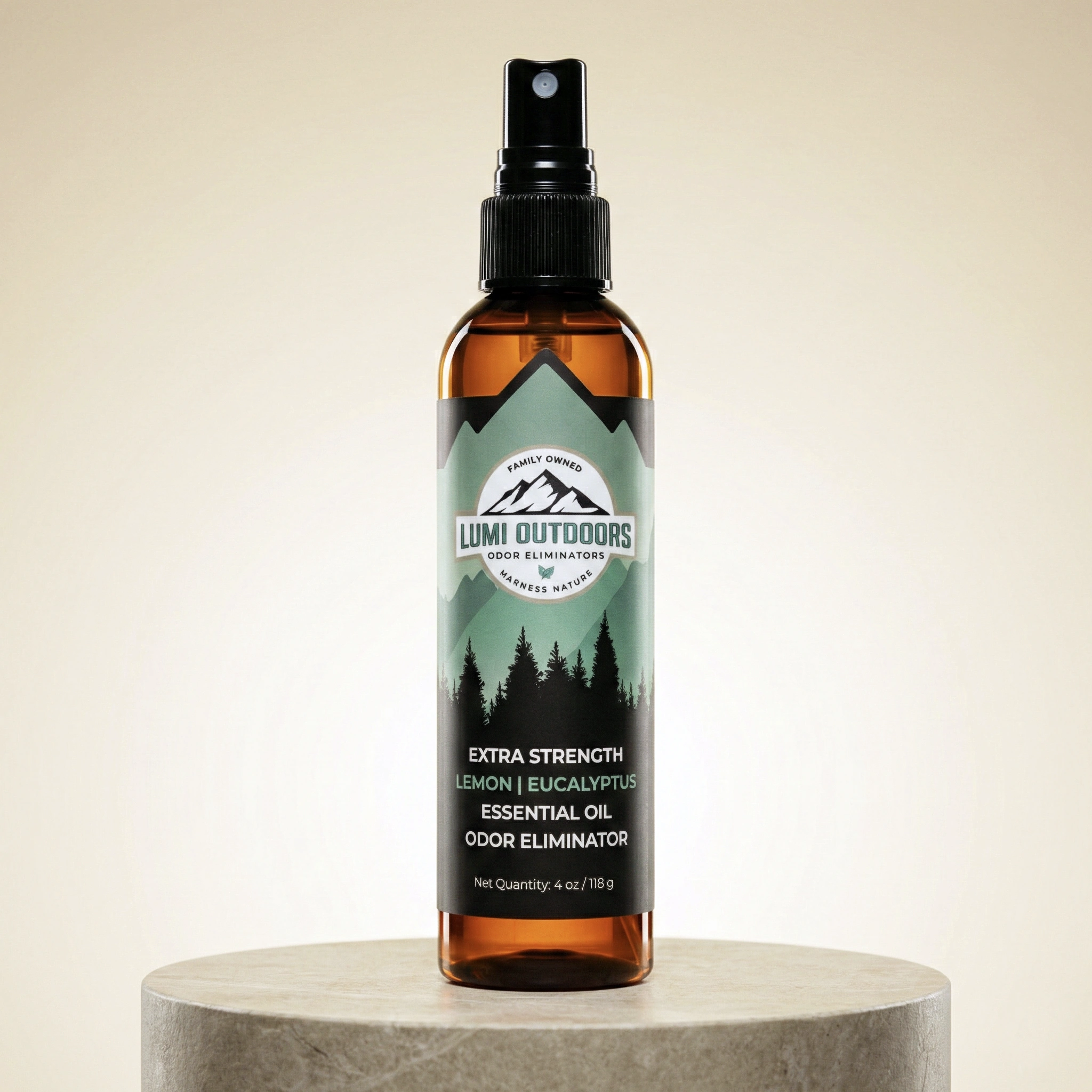
Join 1 Million+ Other People Who Chose Lumi to Conquer Their Shoe Odor.
- DESTROYS ODOR AT THE SOURCE, DOESN'T JUST MASK IT
- ALL-NATURAL & PLANT-BASED INGREDIENTS
- PROUDLY FAMILY-OWNED & MADE IN UTAH
- THE "FRESH CONFIDENCE" GUARANTEE