
Why the Shoe Spray vs Powder Debate is Setting You Up to Fail
- Stop the Swamp Odor thrives in dampness, and liquid sprays often add to the moisture problem rather than fixing it.
- Dryness is Key Natural minerals and starches absorb sweat all day, preventing the smell from developing in the first place.
- Dual-Action Defense Treating both your feet and the shoe interior creates a complete barrier against embarrassing smells.

We’ve all been there. You open the front door after a long day, and before you can even say "I'm home," the smell hits you. It’s that thick, unmistakable scent of damp sneakers, hardworking boots, and the leftover ghost of soccer practice. You’ve probably reached for a bottle of whatever was under the sink—usually a spray—and given those shoes a frantic dousing. But a few hours later, the smell is back, now weirdly mixed with a fake "ocean breeze" scent. It’s frustrating. It feels like you’re just throwing money down a bottomless, stinky pit.
The problem isn't your effort; it’s the strategy. Most people treat shoe odor like a bad mood—something you can just mask with a bit of perfume. In reality, that funk is a physical problem caused by a very specific environment. Your shoes are dark, warm, and, most importantly, wet. When you use a liquid spray as your only line of defense, you’re often just adding more moisture to a swamp. It's time to stop the cycle of wet-on-wet "solutions" and look at why the powder-based approach is the secret weapon you've been missing.
If you want to stop the moisture before it starts, you need a heavy-duty absorber. This is the one we keep by the door:
What You'll Need
- Dry Towel (for pre-application)
- Clean Cotton Socks
- Natural Foot Powder Check Price →
- Measuring Spoon (for precise shoe dosing)
The Science of the Shoe Swamp
Think about what happens inside a work boot or a gym shoe during an eight-hour shift. Your feet have thousands of sweat glands. On an average day, they can produce a significant amount of moisture. When that moisture gets trapped in leather, canvas, or foam, it creates a breeding ground for the source of the smell. It’s not just "old shoe" smell; it’s the literal breakdown of sweat and skin cells in a humid environment.
Liquid sprays have their place for a quick refresh, but they don't address the root cause: the dampness. This is where most people get stuck in the shoe spray vs powder loop. They think they need more "scent" when what they actually need is a "sponge." Powder doesn't just sit on the surface; it actively migrates into the fibers of the shoe and the pores of your skin to grab onto moisture molecules before they can turn into a problem. It changes the environment from a tropical rainforest to a dry desert.
I’ve seen this first-hand with my kids' cleats. We used to go through a bottle of spray every two weeks, and those cleats still lived in the garage because I wouldn't let them in the house. Switching to a high-quality powder changed the game because it stayed active all day long, absorbing the sweat while they were actually running, rather than trying to fix the damage after the fact. For more on managing specific footwear, check out our guide on 99% odor reduction in kids' shoes.
Why One-and-Done Products Usually Fail
We love the idea of a "magic bullet." Spray it once and forget it! But real-world odors are persistent. If you only treat the shoe, you're ignoring the source (the foot). If you only treat the foot, you're ignoring the reservoir (the shoe). A successful routine requires a product that can handle both. Most sprays are designed only for the shoe interior, and many of them contain harsh alcohols that can actually dry out and crack expensive leather over time.
Powder offers a dual-action approach. You can apply it directly to your skin to keep your feet feeling silky and dry, and you can shake it into the shoe to provide a persistent barrier. This "active" protection is what differentiates a professional-grade solution from a grocery store aerosol. You're not just covering up a smell; you're managing a micro-climate.
We compared our natural powder against the big-brand aerosols. The difference isn't just in the smell—it's in the chemistry.
| Feature | Natural Foot Powder | Generic Aerosol Sprays |
|---|---|---|
| Moisture Absorption | High (Active Starch & Clay) | Low (Adds liquid) |
| Longevity | All-day dryness | Wears off in hours |
| Skin Feel | Silky & Friction-reducing | Sticky or damp |
The Powder Advantage: More Than Just a Scent
Let's talk about ingredients. A lot of traditional powders on the market use talc. While talc is a great absorber, many modern families are looking for cleaner, mineral-based alternatives that don't produce that dusty, choking cloud in the bathroom. Natural powders use starches and clays—think arrowroot or kaolin—which are incredibly effective at moisture management without the health concerns associated with older formulas.
The scent profile matters too. Instead of synthetic "fragrance", look for plant-based oils like lemongrass or peppermint. These don't just smell "clean"; they have natural properties that help neutralize the proteins in sweat that cause those pungent odors. When you use Natural Foot Powder, you're getting a concentrated blast of these botanicals that work harder the longer you wear them.
But how do you actually use it without making a mess? That's where most people give up, but a few simple tools make it easy.
How to Apply Powder Like a Pro

If you’ve ever ended up with white footprints all over your carpet, you probably didn't have a system. Using powder effectively is about precision, not volume. You don't need to fill the shoe like a sandbox. You just need a thin, even coat that makes contact with the surfaces that touch your feet.
First, start with your feet. After your morning shower, use a dry towel to ensure there is no lingering water between your toes. This is the most overlooked step! Once dry, sprinkle a small amount of powder into your palm and rub it over the soles and between the toes. Immediately slip on some clean cotton socks. This "locks" the powder against your skin so it can start absorbing sweat the second you start moving.
For the footwear itself, don't just dump the bottle in. Grab a measuring spoon—the half-teaspoon size is perfect. Scoop a little powder, drop it into the heel of the shoe, and then tilt and shake the shoe to move the powder down toward the toe box. This ensures the areas where your toes sweat the most get the most protection. If you're dealing with different materials, you might want to read up on the difference between talc and talc-free options for various shoe types.
Building Your Odor-Free Routine

Consistency is the secret sauce. You wouldn't brush your teeth once a week and expect a clean mouth, right? Your shoes are no different. If you make powdering a part of your daily "getting ready" ritual, you stop the odor cycle before it even begins. This is especially true for professionals in "hot" jobs—think construction workers, nurses, or warehouse staff who are on their feet for 10+ hours. By the time you get home and kick those boots off, the powder has already done the heavy lifting.
Beyond the daily application, give your shoes a break. Try not to wear the same pair two days in a row. This gives the powder time to fully dehydrate the materials and ensures that when you do put them back on, they feel as fresh as the day you bought them. It’s a small habit that can save you hundreds of dollars by extending the life of your expensive footwear.
Nothing's perfect. Here's what worked and what didn't:
- Superior moisture absorption compared to any liquid.
- Talc-free, plant- and mineral-based formula.
- Incredible value—a little goes a very long way.
- Works effectively on both skin and shoe materials.
- Can leave a white residue on dark socks if you use too much.
- Requires a bit more care during application than a quick spray.
At the end of the day, the shoe spray vs powder debate shouldn't be about which one is "better" in a vacuum. It's about which one solves the physical reality of sweat. If you've been relying on sprays and still find yourself embarrassed to take your shoes off at a friend's house, it's time to try the dry approach. It’s cleaner, it lasts longer, and it actually treats your feet with the respect they deserve after a long day of work.
Tired of foot odor? Buy Now.
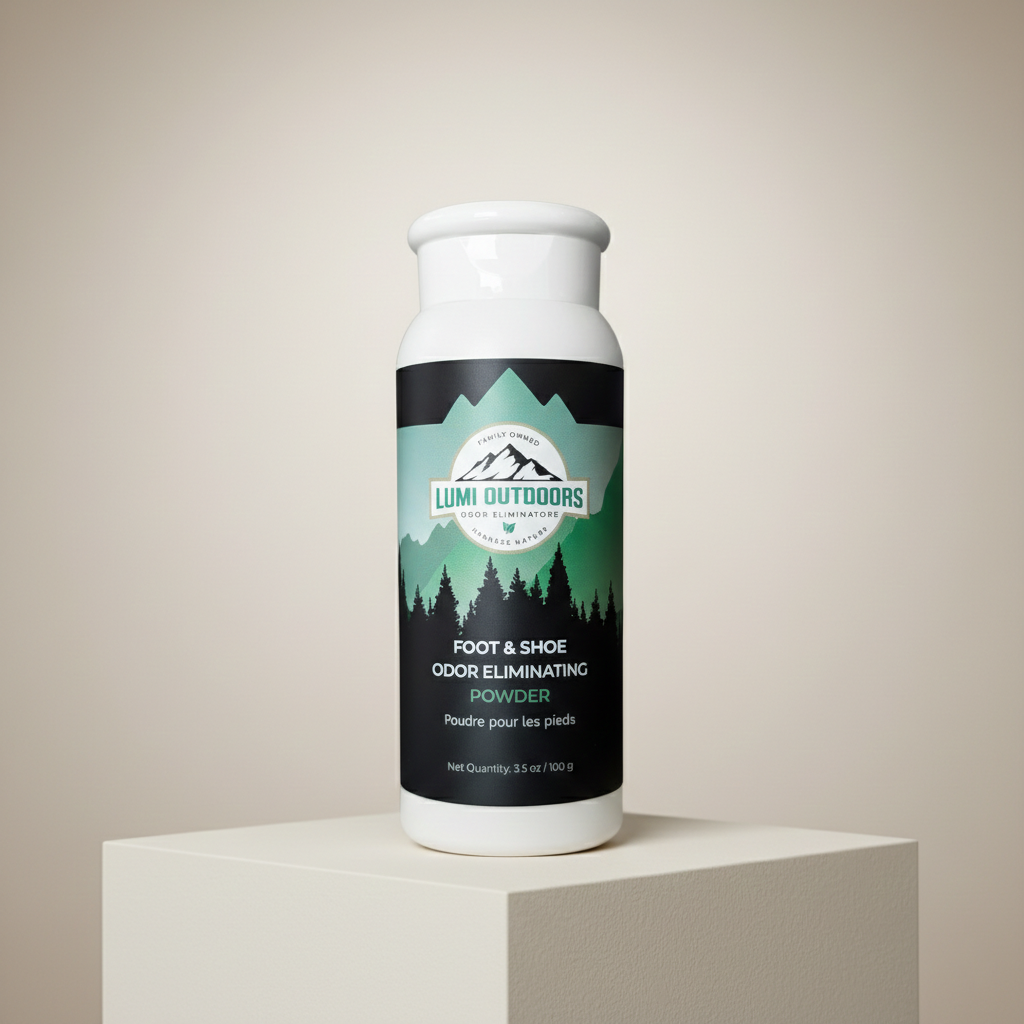
Stop odor before it starts with our natural foot powder.
- ABSORBS SWEAT & NEUTRALIZES ODOR
- ALL-NATURAL & TALC-FREE FORMULA
- PROUDLY FAMILY-OWNED & MADE IN UTAH
- THE "FRESH CONFIDENCE" GUARANTEE