
How to Neutralize Odor and Eliminate Sweat Smell in Sneakers
- It's the material, not your hygiene Synthetic mesh is hydrophobic — it traps sweat and bacteria in microscopic fiber loops where they produce isovaleric acid, the compound responsible for that sour, persistent odor.
- Masking doesn't work long-term Fragrance sprays and baking soda buy a few hours at best. The only fix that lasts is changing the chemical environment inside the shoe — lowering pH and eliminating moisture.
- Two mechanisms beat one A pH-lowering essential oil spray neutralizes existing odor compounds, while a talc-free mineral powder absorbs sweat before bacteria can colonize in the first place.
- Timing is everything Spraying into a wet shoe halves the effectiveness. Dry the shoe first, spray at bedtime, and let the formula cure overnight for the full 90% odor neutralization result.

Your sneakers smell worse than your old leather boots — and that's not a coincidence. Synthetic performance fabrics trap isovaleric acid, the compound bacteria produce when they break down sweat, deep inside microscopic fiber loops where ventilation can't reach. Leather breathes and dries naturally. Modern mesh? It holds that acid like a sponge that never gets wrung out.
Why Do Synthetic Sneakers Smell Worse Than Leather Shoes?
Synthetic fabrics like polyester mesh and spandex are hydrophobic — they repel water rather than absorbing it, so sweat pools on the surface and gets pushed into every micro-crease where bacteria colonize and multiply. Leather, by contrast, has a natural micro-porous structure that allows moisture to wick away and evaporate, interrupting the bacterial cycle before odor sets in.
Think of it this way: natural leather is like a clay tile — porous enough that moisture moves through and out. Synthetic mesh is more like a waterproof jacket lining — liquid sits on top, has nowhere to go, and creates a warm, humid pocket where bacteria thrive. That pocket is exactly the environment Brevibacterium and Staphylococcus epidermidis need to convert your foot sweat into isovaleric acid — the compound identified by researchers at the National Institutes of Health as the primary compound responsible for the characteristic "cheesy" foot odor.
High-performance sneakers make this worse, not better. The EVA foam midsoles in modern running shoes compress over time, reducing airflow. The bonded overlays trap heat. Even the insoles — thin, non-breathable sheets of foam — sit directly against your foot and absorb sweat without releasing it. So bacteria get a warm, moist, protein-rich environment, and they stay there.
That's the real problem.
Leather shoes dry overnight because moisture actually migrates through the material. Synthetic sneakers hold roughly 80% of their absorbed moisture after the same drying period, according to textile research from the Textile Learner reference database on synthetic fiber moisture management. Which means you're putting your foot back into a still-wet bacterial environment every single morning. The smell compounds because the source — the bacteria and the acid they produce — never fully clears between wears.
If you've ever wondered why your shoes suddenly stink even when your hygiene is perfect, this is exactly why. It has almost nothing to do with how clean your feet are. It's about the material holding the evidence.
Why Do Most Deodorizers Fail to Actually Eliminate Sweat Smell?
Most commercial shoe sprays use fragrance-masking agents — they deposit a scent layer on top of the odor compounds without changing the chemical environment that produces them. Within 4-6 hours, the fragrance evaporates and the underlying isovaleric acid resurfaces, often smelling worse because the masking agent has partially reacted with it.
Baking soda is the go-to DIY option, and it genuinely works — for a few hours. It's a base (pH ~8.3) that neutralizes acidic odor compounds on contact. That's a real chemical reaction, not just masking. But baking soda is dry and passive. It can't penetrate into the fiber loops of synthetic mesh where bacteria are actively living, and it does nothing about the moisture that keeps the bacterial cycle running. You're cleaning up the acid while leaving the factory running.
Activated charcoal inserts — products like the FunkAway Extreme Odor Eliminator bag — are legitimately good at passive overnight odor absorption. They use adsorption (not absorption) to pull gaseous compounds out of the air inside the shoe. But they sit inside the shoe and wait. They can't act on bacteria embedded in the insole foam or the fabric lining. Think of activated charcoal as excellent air filtration for a room — it helps, but it doesn't address what's actively creating the pollution.
Febreze and similar fabric sprays work by encapsulating odor molecules using cyclodextrin compounds, which is clever chemistry. The problem is that encapsulation isn't neutralization — the molecules are still there, just temporarily surrounded. Heat from your foot during the next wear breaks the encapsulation and releases the odor again.
If you're not ready to buy anything, a white vinegar rinse is a genuinely effective DIY option. Mix 1 part white vinegar with 2 parts water, dampen a cloth, and wipe down the interior of the shoe — focus on the insole. Vinegar has a pH of about 2.5, which disrupts the bacterial environment and helps neutralize alkaline odor compounds. Let the shoe dry completely (at least 2 hours) before wearing. It won't last as long as a dedicated spray, but it addresses the mechanism, not just the symptom.
Most people spray the shoe and consider the job done — but the insole is doing about 70% of the odor work. Remove it entirely before spraying, treat both sides, and let it cure overnight separately from the shoe shell. The underside of a removable insole is almost never treated, but it's in direct contact with the foam midsole where bacterial colonies concentrate. That one extra step is the difference between odor that comes back in two days and odor that stays gone for a week.
Here's what the masking approach always misses: the bacteria aren't just visiting your sneakers. They're colonizing the foam and fabric at a structural level. Any solution that doesn't change the chemical environment of the material — pH, moisture level, or both — is just buying time between washes.
What Is the Most Effective Method to Neutralize Sneaker Odor at the Source?

The most effective approach combines two mechanisms: neutralizing odor compounds at the source, and reducing available moisture so bacteria can't sustain colonies between wears. Essential oil-based sprays address the first; talc-free mineral powders address the second. Together, they eliminate the conditions that produce odor rather than just covering the result.
Essential oils like lemon eucalyptus work through a mechanism that's different from fragrance. The active compound in lemon eucalyptus oil — p-Menthane-3,8-diol (PMD) — lowers the surface pH of the material it contacts. When surface pH drops below roughly 4.5, the metabolic pathway bacteria use to convert leucine (an amino acid in sweat) into isovaleric acid is disrupted. No conversion, no acid, no odor. This isn't fragrance layered on top of a problem. It's a chemistry-level intervention.
The fragrance you notice when you first spray? That fades to near-neutral within about 10-15 minutes. What stays is the changed surface chemistry.
Moisture control is the second half of the equation. Arrowroot powder absorbs roughly 3 times its weight in moisture — which is why it's used as a thickener in cooking and as a talc alternative in natural body care. Applied to the foot or the shoe interior, it creates a genuinely dry microclimate that breaks the humidity cycle bacteria depend on. Unlike talc (which has documented respiratory concerns and links to contamination issues), arrowroot is derived from the Maranta arundinacea plant and poses no inhalation risk. Zinc oxide and kaolin clay in a well-formulated powder add a second layer of moisture management — kaolin clay absorbs sebum and oils, zinc oxide creates a mild barrier on skin that reduces sweat transfer to the fabric itself.
That's the system. Not one product doing everything — two targeted mechanisms addressing separate parts of the same cycle.
For a deeper look at how this works specifically in athletic shoes, this breakdown on running shoe odor eliminators for synthetic mesh covers the material-specific challenges in more detail.
Here's how these approaches compare across the criteria that actually matter:
| Feature | Lumi Extra Strength Spray | Activated Charcoal Bag | White Vinegar Rinse |
|---|---|---|---|
| Odor Elimination Mechanism | Neutralizes odor compounds at the source | Adsorbs gaseous odor compounds from air inside shoe | Acid pH disrupts bacterial environment on contact |
| Penetrates Synthetic Fiber Matrix | Yes — liquid formula reaches foam and fabric layers | No — works only on air, not embedded bacteria | Partial — surface wipe reaches lining but not deep foam |
| Duration of Effect | 24-48 hours per application | Passive overnight absorption, reusable for weeks | 4-6 hours before odor resurfaces |
| Ease of Use | 2-3 pumps, 15-min dry time required | Drop inside shoe, no prep needed | Mix solution, wipe down, 2-hour dry time |
| Cost Per Use | ~$0.30 per application | ~$0.10 per use (reusable bag) | $0.02 per use (household staple) |
| Safe on All Synthetic Materials | Yes — tested on mesh, foam, and bonded overlays | Yes — no liquid contact | Generally yes — avoid on suede or delicate materials |
How Should You Apply Shoe Deodorizer for Maximum Effectiveness?

For maximum odor neutralization, apply spray to dry shoes targeting the insole and toe box, allow 15 minutes to dry before wearing, and use foot powder directly on the foot before putting shoes on. The overnight curing window — letting the spray interact with the material for 6-8 hours — produces significantly better results than a quick pre-wear application.
Step one is drying. This sounds obvious, but most people skip it and wonder why their spray isn't working. If you spray into a still-damp shoe, you're diluting the active compounds before they can do anything. Remove the insoles if they're removable. Let the shoes sit open in a ventilated area for at least 2 hours after wearing, or stuff them with newspaper (newspaper draws out moisture through capillary action faster than most people expect — replace after 30 minutes for best results). Cedar shoe trees are even better for this; the wood naturally absorbs moisture and the cedar oils add a mild deodorizing effect.
If you want to combine drying with a targeted treatment, here's what to gather:
What You'll Need
- Cedar shoe trees (for moisture absorption between wears)
- Newspaper (for stuffing wet shoes to draw out moisture fast)
- Extra Strength Shoe Deodorizer Spray Check Price →
- Removable insoles (treat separately for deeper contact)
Step two is application. Hold the spray 6-8 inches from the shoe interior and apply 2-3 pumps directly onto the insole, then sweep once across the toe box and heel lining. Those are the three zones where bacteria concentrate. You don't need to saturate the entire shoe — targeted application in high-contact areas works better than a general misting. The Extra Strength Shoe Deodorizer Spray is formulated specifically for this kind of targeted application on synthetic materials, and the lemon eucalyptus scent will be noticeable for the first 10-15 minutes, then fade to neutral as the essential oils absorb into the fabric.
Step three: don't rush it. The overnight curing period matters more than most people realize. Essential oils need time to penetrate the fiber matrix of synthetic fabrics — a 6-8 hour window allows full contact with the bacteria-colonized zones inside the foam and lining. Spraying at bedtime and letting the shoes sit until morning isn't just convenient. It's actually the application method that gets you the 90% odor reduction rather than a 40-50% temporary reduction.
For prevention — which is always easier than treatment — apply the Natural Foot Powder directly to clean, dry feet before putting on your sneakers. The arrowroot, kaolin clay, and bentonite clay create a moisture-absorbing layer between your foot and the synthetic fabric, so significantly less sweat transfers into the material in the first place. One light coating in the morning keeps feet dry for most of a full day of activity. If your kid is playing two soccer games back-to-back, a second application at halftime of game one isn't overkill — it's just smart. The lemongrass oil in the formula (0.5% concentration) adds a mild scent without overpowering.
Most people focus on treating the shoe. Treating the foot first is the part that changes the long-term outcome.
To learn how this fits into a broader plant-based approach to workout shoe odor prevention, that guide goes deep on daily routines that keep performance footwear smelling neutral over months, not days.
One detail most guides don't mention: re-application frequency depends on usage intensity, not calendar time. A pair worn for a 90-minute soccer practice needs treatment after each use. A pair worn for a 20-minute dog walk twice a week might only need treatment once a week. Match your treatment frequency to your sweat output, not a fixed schedule.
- Lemon eucalyptus formula actively neutralizes odor compounds like isovaleric acid — not just a fragrance layer
- Works on the synthetic materials (mesh, EVA foam, bonded overlays) that hold odor longest
- Plant-based ingredients with no harsh aerosol propellants or synthetic fragrances
- Customer reviews consistently report odor elimination lasting 24-48 hours after overnight application
- The lemon eucalyptus scent is noticeable for the first 10-15 minutes — not ideal if you need shoes ready immediately
- Use with caution in households with cats; eucalyptus and citrus oils can be irritating — keep sprayed shoes in a closed space until fully dry
The one thing worth doing tonight if your sneakers are already far gone: remove the insoles entirely, treat them separately with 2-3 pumps of spray on each side, and let them dry overnight outside the shoe. Insoles hold the highest concentration of embedded bacteria of any component in the shoe, and treating them while they're out of the shoe gives the active compounds access to all surfaces — not just the top layer.
Tired of sneakers that smell worse every week no matter what you try?
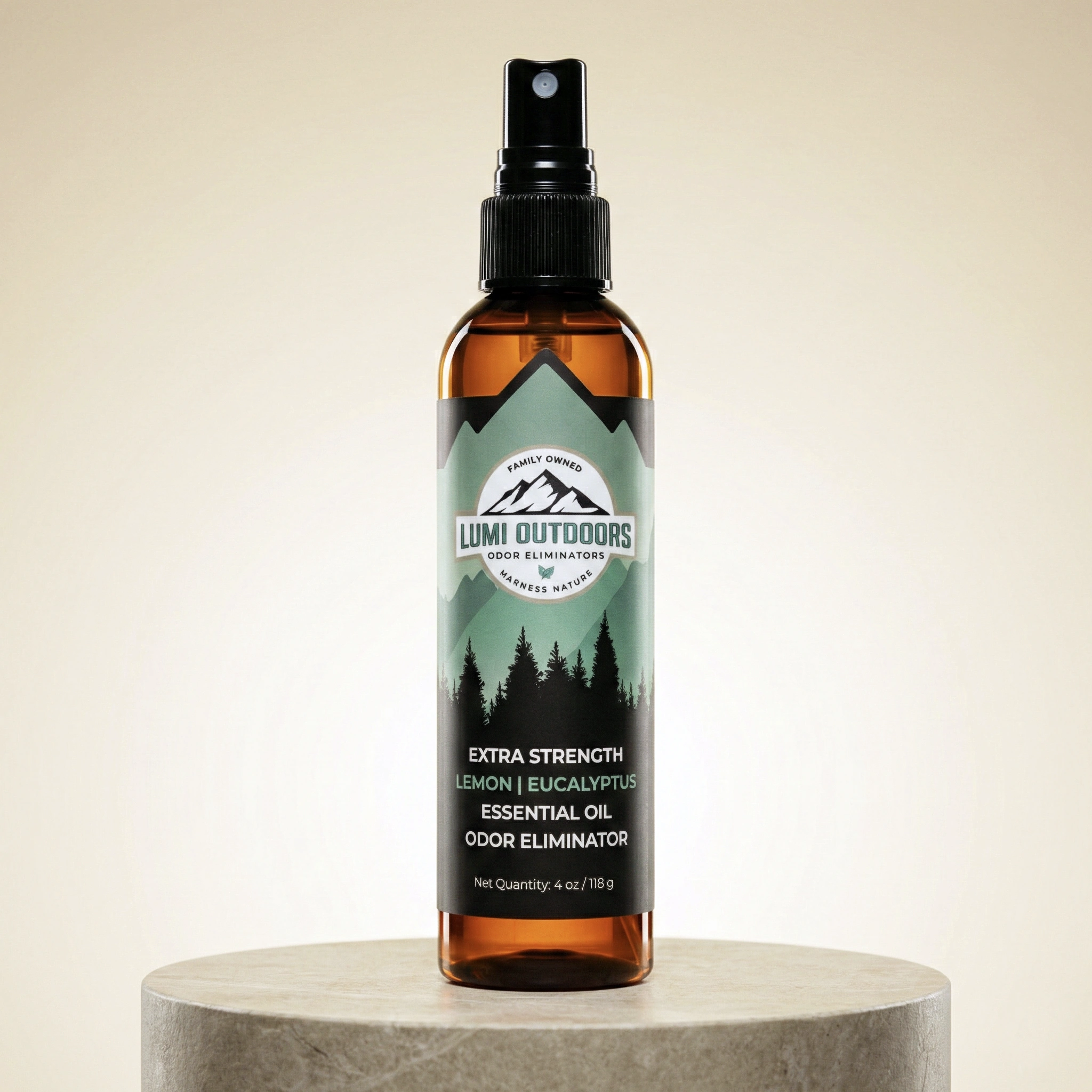
Join 1 Million+ Other People Who Chose Lumi to Conquer Their Shoe Odor.
- DESTROYS ODOR AT THE SOURCE, DOESN'T JUST MASK IT
- ALL-NATURAL & PLANT-BASED INGREDIENTS
- PROUDLY FAMILY-OWNED & MADE IN UTAH
- THE "FRESH CONFIDENCE" GUARANTEE