

How to Clean Firefighter Boots and Erase Even the Toughest Smoke & Sweat Odors
- Avoid the Machine Washing machines and high-heat dryers will ruin leather and adhesives.
- Enzymes are Key Use plant-based enzymes to break down smoke and sweat at the molecular level.
- Dry Fast Drying boots immediately after a shift prevents odor from setting into the leather.

If you live with a firefighter, you know the smell. It’s a heavy, clinging mix of wood smoke, charred materials, and a level of sweat that most people never experience. It doesn't just sit in the boots; it takes over the mudroom, the hallway, and eventually the whole house. You’ve probably tried every grocery store spray under the sun, only to find that "Spring Meadow" mixed with "Structural Fire" is a scent nobody wants.
Cleaning firefighter boots isn't just about making them look shiny for inspection. It’s about keeping that expensive leather from cracking and, more importantly, stopping the funk from becoming a permanent roommate. Those boots are an investment in safety, and treating them right means they’ll last through years of shifts instead of months. But here’s the thing: you can't just throw $300 leather boots in the washer and hope for the best.
If you want to stop the moisture before it starts, you need a heavy-duty absorber. This is the one we keep by the door:
What You'll Need
- Soft-bristled shoe brush
- Mild dish soap
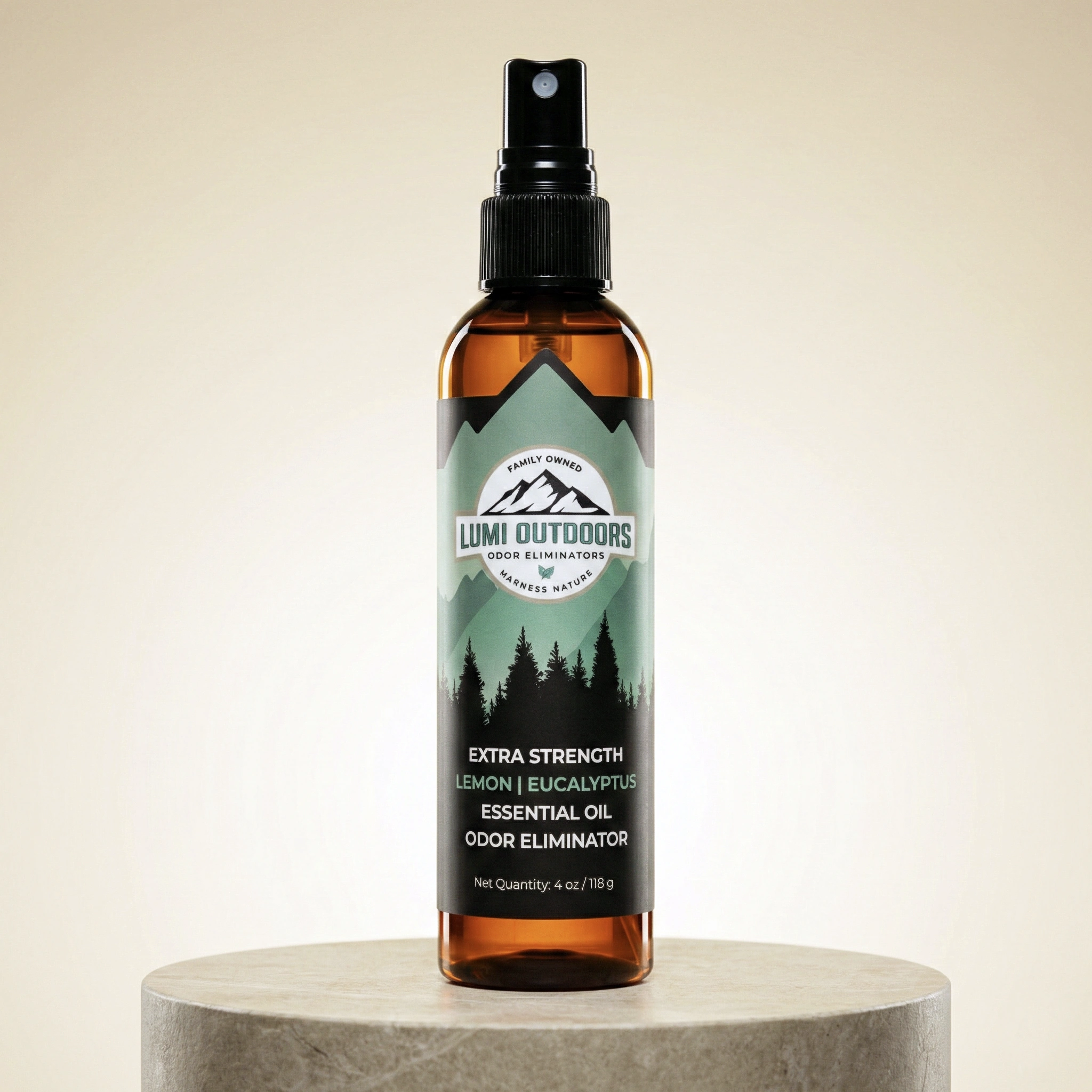
- Extra Strength Shoe Deodorizer Spray Check Price →
- Microfiber cloth
Why Do Firefighter Boots Develop Such Intense Odors?
The combination of extreme heat, heavy perspiration, and porous leather creates a perfect environment for odor molecules to thrive and settle deep into the boot's lining. Firefighters can sweat up to two liters an hour in high-heat situations, and that moisture trapped in thick leather becomes a breeding ground for smells.
When a firefighter is on a call, their feet are essentially steaming. Leather is skin, and like our skin, it has pores. When those pores open up in the heat, they drink in sweat and smoke particles. Once the boot cools down, those pores close, trapping the stink inside. This is why a boot can smell "fine" when it’s cold but suddenly start reeking the moment it warms up on a foot. It's a condition often referred to as bromodosis, where sweat and skin cells break down to create that distinct cheesy or sour aroma.
What Is the Best Way to Deep Clean Firefighter Boots?

To deep clean firefighter boots, use a soft-bristled brush to remove dry soot, scrub the exterior with a mild soap and water solution, and treat the interior with a high-strength enzyme deodorizer. Always air-dry boots away from direct heat sources to prevent the leather from becoming brittle.
Start by taking a soft-bristled shoe brush and knocking off all the dry dirt and soot outside. If you skip this, you’re just turning that soot into gray mud the second you add water. Once the loose stuff is gone, mix a few drops of mild dish soap in a bowl of warm water. Use a microfiber cloth to wipe down the entire exterior. Don't soak the leather; just get it damp enough to lift the grime.
Inside the boot is where the real work happens. Pull out the insoles if they are removable. Most of the smell lives in that foam padding. Scrub those separately. For the boot interior, you need something that actually eats the organic material causing the smell. This is where a natural enzyme spray is worth its weight in gold. It doesn't just sit on top of the smell; it breaks it down at the molecular level.
Never use the high-heat setting on a boot dryer for leather. High heat cooks the natural oils out of the leather, making it brittle and prone to cracking. Use the 'air only' or 'low heat' setting to preserve the boot's life.
Can You Wash Firefighter Boots in a Washing Machine?
No, you should never put firefighter boots in a washing machine because the agitation and soaking can warp the leather, degrade the adhesives, and damage the protective safety toes or shanks. Hand-washing is the only safe method to maintain the structural integrity and fire-retardant properties of the gear.
It’s tempting to just toss them in the heavy-duty cycle, but it’s a recipe for disaster. Leather is tough, but it doesn't like being submerged and tumbled. It causes the material to stretch and then shrink unevenly as it dries, which leads to cracks. Even worse, the high heat of a dryer will ruin the glue that holds the sole to the boot. If you’re looking for a better way to handle the daily grime without a total soak, check out these tips to deep clean gear and stop smelly boots forever. Stick to the manual method—it takes ten minutes and saves you hundreds of dollars in replacements.
How Do You Remove Smoke and Chemical Odors?
Removing smoke and chemical odors requires a deodorizer that uses natural plant oils and enzymes to neutralize the odor molecules rather than covering them with synthetic fragrances. Smoke particles are incredibly small and clingy, so you need a formula that can penetrate the fibers of the boot lining.
We compared our natural spray against the big-brand aerosols. The difference isn't just in the smell—it's in the chemistry.
| Feature | Lumi Extra Strength Spray | Generic Aerosol Sprays |
|---|---|---|
| Odor Neutralization | Natural enzymes destroy molecules | Heavy perfumes mask smells |
| Ingredient Safety | 100% Plant-based oils | Harsh chemicals and butane |
| Residue | Clean, non-greasy finish | Sticky or powdery buildup |
| Scent Quality | Fresh Lemon & Eucalyptus | Artificial chemical scents |
Smoke isn't just a smell; it's a physical residue. If you just spray a standard air freshener, the smoke molecules stay there, and eventually, they’ll win. You need something like the Extra Strength Shoe Deodorizer Spray. It uses lemon, eucalyptus, and tea tree oils. These aren't just for a nice scent; they are naturally powerful at breaking down the organic compounds that make smoke so "sticky." It's a much better approach than the harsh chemicals found in many industrial cleaners, especially if you're worried about skin irritation after a long shift. For more on this, read about how to get rid of smelly work boots without harsh chemicals.
What Daily Habits Keep Fire Boots Fresh Between Shifts?

The most effective daily habit is ensuring boots are completely dry between wears by using a boot dryer or stuffing them with newspaper, followed by a quick spray of a natural deodorizer. Moisture is the root cause of odor, so removing it as fast as possible is the goal.
Here's a simple routine for the mudroom:
- Pull the boots off and immediately wipe any wet mud or soot off the outside.
- Spray the inside with two pumps of a high-strength spray while the boots are still warm—this helps the enzymes penetrate better.
- Set them on a boot dryer (on the "no heat" setting if possible) or stuff them with crumpled newspaper to pull the moisture out of the toe box.
Is the natural route perfect? Mostly, but it does require consistency. Here's the honest breakdown:
- Completely safe for expensive leather boots
- Actually removes smoke smells instead of masking them
- Uses family-safe, plant-based ingredients
- Saves money by extending boot life
- Needs regular application for best results
- Strong initial scent (though it fades quickly)
Maintaining firefighter boots is a chore, no doubt about it. But when you realize that a little bit of natural spray and a good brush can save your nose and your wallet, it becomes part of the job. You don't need a chemistry degree to fix the "firehouse funk." You just need the right tools and a few minutes at the end of the shift.
Ready to banish the firehouse funk for good?
Join 1 Million+ Other People Who Chose Lumi to Conquer Their Shoe Odor.
- DESTROYS ODOR AT THE SOURCE, DOESN'T JUST MASK IT
- ALL-NATURAL & PLANT-BASED INGREDIENTS
- PROUDLY FAMILY-OWNED & MADE IN UTAH
- THE "FRESH CONFIDENCE" GUARANTEE