

Can You Put Desiccant Beads in Shoes to Stop the Smell?
- Beads prevent, they don't cure Silica gel removes moisture to slow bacterial growth, but it cannot neutralize odor-causing bacteria already living in your shoe's foam and fabric.
- Powder beats beads for active wear A talc-free foot powder covers 100% of shoe surface area and works while you move — desiccant beads sit in a pile at the heel and hit their absorption limit within hours.
- Two phases, not one Lasting odor control requires a moisture absorber during the day and an essential oil spray after, targeting the bacteria the powder left behind.

Yes, desiccant beads can help prevent shoe odor by removing moisture — but they can't eliminate a smell that's already there. Silica gel is an adsorbent: it pulls humidity out of the air inside your shoe, which makes the environment less friendly to odor-causing bacteria. But it has no chemical power to neutralize the bacteria already living in your insole.
If your shoes already smell, beads alone won't fix it. Here's why that matters — and what to do about it.
Why Does Moisture Removal Only Solve Part of the Problem?
Shoe odor is caused by Brevibacterium and Staphylococcus bacteria breaking down sweat into isovaleric acid — the compound responsible for that sharp, cheesy smell. Silica gel removes the moisture those bacteria need to thrive, but it can't reach the bacteria already embedded in porous foam and fabric.
Think of it as a triangle: bacteria, warmth, and moisture. Remove one leg and you slow the process. But the bacteria are still there, waiting. The average foot produces about 250ml of sweat per day, according to the American Podiatric Medical Association — that's a lot of fuel for bacterial activity, especially in a closed shoe.
Silica gel also has a saturation point. Once the beads absorb their maximum moisture load, they stop working entirely. During a 10-hour workday or a two-hour soccer practice, beads sitting in the heel of your shoe hit that ceiling fast. They're doing nothing for the last six hours of wear.
And there's a geometric problem. Beads sit in clusters at the bottom of the shoe. They don't make contact with the toe box lining, the sidewalls, or the top of the insole — exactly where the highest bacterial concentration lives. A solid object placed inside a shoe will always miss the surfaces that matter most.
The maker and 3D-printing community landed on this hack because silica gel beads are everywhere in that world — they're used to keep filament dry, and they're cheap in bulk. The logic isn't wrong: dry environments do slow bacterial growth. But odor keeps coming back because beads address the symptom (humidity) without touching the source (bacterial colonies in the foam).
If you're using desiccant beads for stored shoes, put them inside a small breathable mesh bag before dropping them in — loose beads roll into the toe box and can warp soft foam insoles over time. More importantly, mark those bags so they never go back into your filament dry box. Shoe-contaminated beads aerosolize bacterial compounds when reheated, and that's not something you want near food or precision materials.
What's the Most Effective Way to Actually De-Stink Your Shoes?
The most effective approach is a two-phase process: a moisture-absorbing powder during wear to prevent new bacterial growth, followed by an essential oil-based spray after wear to neutralize the bacteria that survived the day.
Start with prep. Remove the insoles — they hold the majority of bacteria and need to be treated separately. If the shoes are visibly dirty, clean them first. Putting any deodorizing product into a mud-caked shoe is a waste of time.
For the moisture phase, a foot powder beats desiccant beads on every practical measure. Powder covers 100% of the surface area — the toe box, the heel, the sides of the insole — not just the bottom. It can be worn while moving. And it stays in place. A talc-free powder with arrowroot, kaolin clay, and zinc oxide (like Lumi's Natural Foot Powder) creates that dry surface environment all day without the saturation ceiling that beads hit.
That's a meaningful upgrade from silica gel.
For the elimination phase, use a spray after you take your shoes off. An essential oil-based spray — eucalyptus and lemon are well-documented for disrupting bacterial membranes — gets into the fibers where beads can't reach. Spray the inside of the shoe and the insole separately. Let both air-dry for 15 minutes before storing. If you want a heavy-hitter for stubborn odor, the Extra Strength Shoe Deodorizer Spray handles the worst of it.
Free alternative that actually works: baking soda. Sprinkle a tablespoon inside each shoe, leave overnight, tap out in the morning. It won't go as deep as a spray, but sodium bicarbonate neutralizes the acidic isovaleric acid molecules directly. It's not a long-term fix, but it's a genuinely effective overnight option — and it costs almost nothing.
Can You Recharge Desiccant Beads That Were Used in Shoes?
Technically yes — silica gel can be recharged by heating at 250°F (120°C) for 1-2 hours to drive out absorbed moisture. But beads used in shoes should never be recharged for food storage or 3D printer filament, and recharging them in a home oven carries real contamination risks.
Here's the problem nobody talks about: shoe desiccant beads don't just absorb water. They absorb whatever is in that water — sweat compounds, skin cells, bacterial metabolic byproducts. When you heat those beads to recharge them, you're aerosolizing those compounds into your kitchen. The isovaleric acid and ammonia compounds that make shoes smell get driven off as vapor.
One-way trip. That's the honest answer for shoe-use desiccant.
The cost math also doesn't favor recharging. A bag of 50g silica gel packets runs about $8-10. A quality foot powder that will last three months of daily use is $12-15. The beads save you maybe $4 and require oven time, ventilation, and the discipline to never mix up which bag goes back into your filament dry box. Dedicated shoe products exist precisely because this kind of repurposing creates headaches.
If you're set on using beads as a secondary maintenance tool — say, stored inside shoes you're not wearing for a month — that's a reasonable use case. Cedar shoe trees do the same job with zero recharging and smell better doing it. But if the shoes already have an active odor problem, beads in any form won't solve it. For that, see why single-method hacks consistently fall short.
The bottom line: use beads to protect stored shoes from developing a smell. Use powder and spray to fight the one that's already there.
Want to stop shoe smell before it starts — not just chase it afterward?
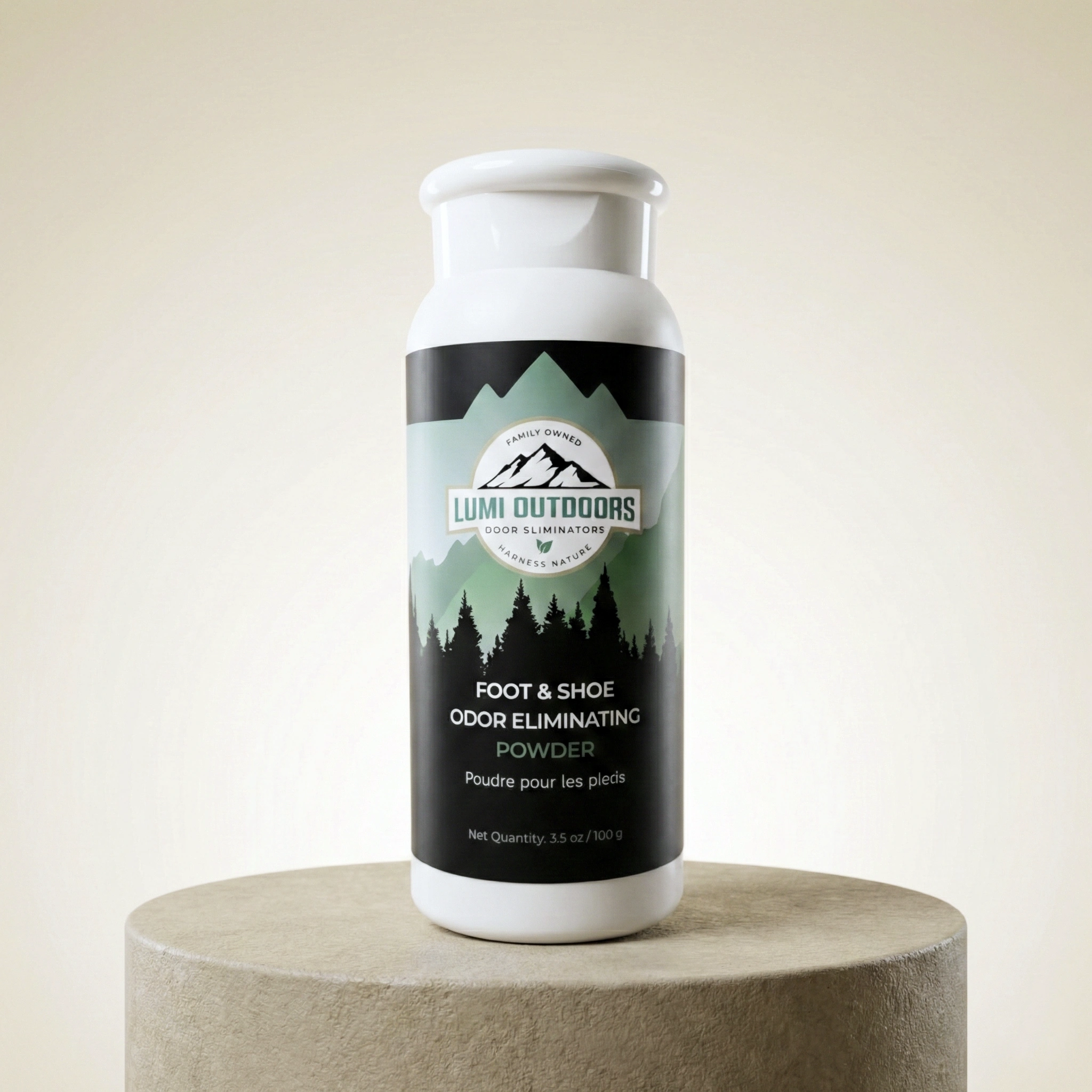
The best way to fight odor is to stop it before it starts. Our all-natural, talc-free foot powder is your first line of defense against mois...
- ABSORBS SWEAT & NEUTRALIZES ODOR
- ALL-NATURAL & TALC-FREE FORMULA
- PROUDLY FAMILY-OWNED & MADE IN UTAH
- THE "FRESH CONFIDENCE" GUARANTEE