

5 Steps to Wash Hockey Skates Like New
- Avoid Machine Washing Washing machines and high-heat dryers will warp and ruin skate materials.
- Strip Everything Opening the boot and removing insoles is required to reach hidden odors.
- Air Dry Only Patience is required for air-drying to keep the skate's custom fit.

You know that specific "scent" that drifts from the back of the SUV after a weekend tournament? It's thick, heavy, and seems to cling to the upholstery long after the gear is in the garage. For years, I thought that was just the price we paid for being a hockey family. We'd roll the windows down, even in February, just to breathe on the way home. It’s a smell that tells a story of hard work, but it’s also a smell that signals your expensive skates are slowly rotting from the inside out.
Walking into the locker room is one thing, but bringing that stench into your living room is another. You’ve probably tried the "leave them in the sun" trick or maybe even contemplated throwing them in the washing machine—don't do that, by the way. Your skates are made of leather, synthetic composites, and heat-moldable plastics that don't play nice with a heavy spin cycle. There’s a better way to handle the grime without turning your skates into expensive paperweights.
You don't need a chemistry degree to fix this. You just need the right tools.
What You'll Need
- Microfiber cloth
- Soft-bristled brush
- Natural Foot Powder and Extra Strength Shoe Deodorizer Spray Check Price →
- Absorbent towels
Step 1: The Great Strip Down
The biggest mistake parents make is trying to clean the skate as one solid unit. Odor loves to hide in the dark, damp spaces where the air doesn't reach. Start by pulling the laces out completely. It feels like a chore, but it opens up the "throat" of the skate so you can actually see what you're doing. Next, yank those insoles out. If you haven't done this in a while, be prepared—the bottom of those footbeds is usually where the worst of the funk lives.
Once everything is out, give the skates a good shake over a trash can. You'll be surprised by the amount of tape bits, hair, and rink-grit that falls out. Clearing the physical debris is the first step in reclaiming your gear. It’s about creating a clean slate before you even think about adding moisture or cleaners into the mix.
Step 2: Wipe the Exterior Grime
Hockey rinks aren't exactly "clean" environments. There’s puck mark scuffs, sweat, and whatever was on the locker room floor stuck to the outside of the boot. Take your microfiber cloth and dampen it slightly with warm water. Wipe down the plastic cowling, the blade holders, and the synthetic exterior. You aren't soaking the skate; you're just removing the surface-level filth.
For the stubborn scuffs on the toe caps, a little extra elbow grease usually does the trick. Avoiding the use of harsh detergents at this stage keeps the integrity of the materials intact. Your goal here is to make them look as good as they’re about to smell. If you’re also dealing with other sports gear, you might notice similar issues with cleats or turf shoes, which often face the same sweat-to-odor cycle.
Step 3: Scrub the Interior (Gently)

Now we get to the heart of the matter. The interior lining of a hockey skate is designed to wick moisture, but eventually, it gets saturated. Mix a tiny drop of mild dish soap in a bowl of warm water. Dip your soft-bristled brush into the mixture and shake off the excess. You want the brush damp, not dripping. Scrub the inside of the boot in circular motions, focusing on the heel pocket and the toe box.
- Use light pressure to avoid pilling the fabric.
- Focus on the tongue—it's a massive sponge for sweat.
- Wipe away any soapy residue with a clean, damp cloth immediately.
- Don't forget to scrub the insoles you removed in Step 1.
I tested this natural routine against just tossing them in the wash. Here’s what happened to the skates:
| Feature | The Natural Hand-Wash Method | Machine Washing |
|---|---|---|
| Material Integrity | Preserves leather and composites | Can cause cracking and delamination |
| Fit Retention | Maintains custom heat-mold shapes | Risk of warping plastic components |
| Odor Removal | Deep cleaning of tongue and insoles | Surface level; odors often return fast |
| Equipment Longevity | Extends life by months or years | Aggressive agitation shortens gear life |
Step 4: The Drying Phase (The Most Important Part)

Heat is the enemy of hockey skates. Never, ever put them in the dryer or blast them with a hair dryer. You’ll ruin the "bake" or the custom mold of the skate, essentially turning a $600 piece of equipment into a generic, uncomfortable boot. Instead, find a cool, dry place with plenty of airflow. If you have a floor fan, park the skates in front of it.
Take your absorbent towels and stuff them deep into the toe of each skate. These will pull the moisture out of the materials from the inside. Change the towels after an hour if they feel damp. This might take a full 24 hours, but patience here saves you from the "crunchy" feeling skates get when they’re dried too fast. If you're curious about the mechanics of how to handle moisture properly, check out the debate between sprays and powders for long-term maintenance.
Step 5: Long-Term Odor Maintenance
Once the skates are bone-dry, it's time to set yourself up for success for the next practice. This is where most people fail—they wait until the smell returns to act. Instead, use a high-quality powder to keep things dry from the start. A quick puff in the skate before your athlete puts them on absorbs the sweat before it can soak into the lining. After the game, a quick spray of something like the Lavender Vanilla Room Spray in the gear bag helps keep the car ride home from becoming a biological hazard.
Think of it like changing the oil in your car. A little maintenance every week prevents a total breakdown. Your skates will last longer, the blades won't rust as quickly from trapped moisture, and you won't be "that parent" in the bleachers with the stinky bag. It’s a win for your wallet and your nose.
Nothing’s perfect. Here’s what worked and what didn't when we tried this system on a full season's worth of grime:
- Saves hundreds on replacement skates
- Uses safe, natural ingredients
- Removes the source of the smell
- Keeps your car and home fresh
- Requires 24 hours of drying time
- Manual scrubbing takes effort
Now, when I open the trunk after a long weekend of hockey, I don't wince. The skates look sharp, they feel comfortable for my kid, and the air in the car actually smells like air—not a damp locker room. Making this small shift in how you care for gear transforms the whole experience from a chore into a routine. Your gear lives longer, and you breathe easier. That’s a trade I’ll take every single time.
Tired of foot odor?
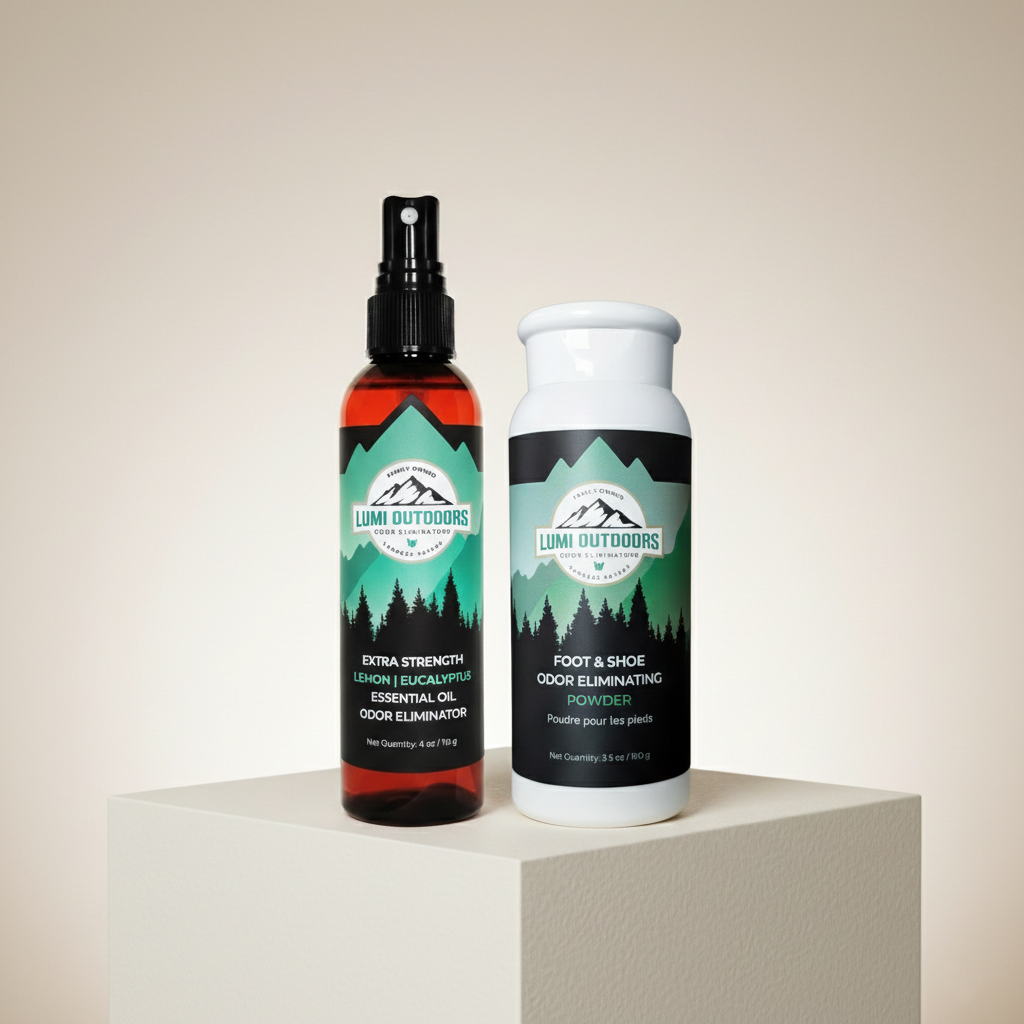
Join 1 Million+ Other People Who Chose Lumi to Conquer Their Shoe Odor.
- THE ULTIMATE 1-2 PUNCH AGAINST ODOR
- A COMPLETE KIT FOR SHOES, BAGS & GEAR
- PROUDLY FAMILY-OWNED & MADE IN UTAH
- THE "FRESH CONFIDENCE" GUARANTEE
Frequently Asked Questions
Can I put my hockey skates in the washing machine?
How often should I deep clean my skates?
What is the fastest way to dry hockey skates?