

5 natural sandal odor remover tips to neutralize sweaty straps
- Prevention beats treatment Applying a talc-free foot powder before wearing sandals keeps sweat from soaking into the footbed — the most effective method starts before you put them on.
- Freezing sandals doesn't work Cold makes odor-causing bacteria dormant, not dead — the smell comes back the moment the sandals warm up, making this popular hack a waste of time.
- Rotation is the highest-leverage free habit Wearing the same sandals every day traps moisture before it can fully dry — alternating two pairs with at least 24 hours between wears fixes the root cycle.
- Spray the strap underside, not the top Odor-causing bacteria concentrate on the skin-contact surface of straps, not the decorative side — most people clean the wrong surface and wonder why the smell persists.

Sandal footbeds absorb more sweat per wear than almost any closed-toe shoe — because there's nothing stopping your foot from direct, sustained contact with porous foam or cork for hours at a time. The result is that distinctive damp, sour smell that builds up fast. Here are 5 methods ranked from easiest to most effective, including one that most people get completely wrong.
Why Do Sandals Smell So Much Worse Than Regular Shoes?
Sandals trap odor because the footbed absorbs sweat, dead skin cells, and body oils with zero airflow underneath — and the open design actually makes bacteria spread faster across the strap surface than in closed shoes.
Your feet have roughly 250,000 sweat glands, and they produce up to half a pint of moisture on a warm day, according to the American Podiatric Medical Association. In a closed sneaker, at least some of that moisture evaporates through the upper. In a sandal, it goes straight into the footbed material and sits there.
The smell itself comes from bromodosis — a process where bacteria naturally present on skin break down sweat compounds into isovaleric acid and other short-chain fatty acids. That's the sour, cheese-like note you're picking up. It's not just "old shoe." It's a biological process happening inside the material.
Sandal straps are a separate problem. The underside of a strap sits directly against skin all day and rarely gets rinsed. Most people clean the top of the strap. The bacteria live on the bottom.
That's the real problem.
And it compounds fast — a footbed that's been damp for 48 hours without drying out becomes a much harder surface to refresh than one that dried completely after each wear. Understanding why shoes suddenly stink even with good hygiene helps clarify that this isn't a cleanliness failure — it's a materials and moisture problem.
So we know what causes it. Now: what actually fixes it?
If you want to combine these methods with a targeted approach, here's what you'll need alongside your existing household supplies:
What You'll Need
- Soft-bristled cleaning brush (for scrubbing footbeds)
- White vinegar (for pre-treatment rinse on rubber or synthetic footbeds)
- Natural Foot Powder Check Price →
- Microfiber cloth (for wiping down strap undersides after each wear)
1. Apply Natural Foot Powder Before You Put Sandals On

Applying a talc-free foot powder to clean, dry feet before wearing sandals creates a moisture-wicking barrier that prevents sweat from soaking into the footbed in the first place — addressing odor at the source rather than after the fact.
This is the move most people skip. They treat the sandal after it already smells. But prevention takes 10 seconds and cuts the bacteria load dramatically.
Dust a light layer of powder between your toes and across the ball of your foot before you slip your sandals on. You're not looking for a heavy coat — just enough to absorb the initial sweat surge in the first hour of wear, which is when most of the footbed saturation happens. If your feet tend to run hot, extend the coverage to the heel and arch.
The ingredient profile matters here. Talc-free formulas built on arrowroot powder, kaolin clay, and corn starch absorb moisture without any of the concerns associated with talc-based powders. Zinc oxide, a staple in diaper rash creams and broad-spectrum sunscreen, rounds out the formula. You can read more about the benefits of a 100% plant-based, talc-free powder formula if you want to understand why this matters for daily use.
The Natural Foot Powder uses exactly that combination — arrowroot, zinc oxide, kaolin clay, and a 0.5% lemongrass oil concentration that keeps the scent subtle rather than overwhelming. Apply it to your feet before wearing sandals, or dust a small amount directly into the footbed as a standalone treatment between wears.
This approach is genuinely worth prioritizing over any reactive method. A dry footbed has a fraction of the bacterial activity of a wet one — and you'll notice the difference within a week.
Most sandal owners clean the top surface of the footbed and miss the perimeter edge — the raised lip where the footbed meets the midsole. That seam traps compressed sweat residue and dead skin that never fully dries. Run a damp toothbrush along that edge once a week and you'll remove the bacterial reservoir that keeps reinfecting your clean footbed. It takes 30 seconds and makes every other deodorizing method work noticeably better.
2. Sun-Dry Your Sandals After Every Wear
Direct sunlight kills a significant portion of surface bacteria on sandal footbeds through UV exposure — 30 to 60 minutes of midday sun on a dry day is enough to meaningfully reduce bacterial load without damaging most sandal materials.
This is the most underused free method. And it actually works.
UV-B radiation disrupts bacterial DNA replication, which is why sunlight has been used as a passive disinfecting method in laundry and surface care for generations. For sandals, the combination of UV exposure and evaporative drying addresses two problems at once: it reduces live bacterial populations and removes the moisture they need to reproduce.
Place sandals sole-side down in direct sun after you take them off. An hour in midday summer sun is ideal. One caveat: avoid leaving leather-soled sandals in intense heat for extended periods — the adhesives in some soles can soften with prolonged exposure above 140°F. Thirty to sixty minutes on a warm day is the sweet spot for most sandal materials.
Pair the sun-drying session with a quick wipe of the footbed using a slightly damp cloth first. This removes the surface layer of dead skin cells and dried sweat that bacteria feed on, so the UV exposure hits the actual bacterial layer rather than a protective film on top. Takes 90 seconds. Makes the sun treatment significantly more effective.
3. Don't Freeze Your Sandals — Here's What Actually Happens
Freezing sandals does not eliminate odor-causing bacteria — it makes them temporarily dormant. The smell returns within hours of the sandals warming back to room temperature, making this a popular method that delivers zero lasting results.
You've probably seen this one on Pinterest or in a "shoe hacks" roundup. The logic sounds right: cold kills things. But cold doesn't kill bacteria. It pauses them.
Bacteria like Staphylococcus epidermidis and Brevibacterium species — the primary culprits behind foot odor — survive freezing temperatures and resume metabolic activity the moment they warm up. A study from the American Society for Microbiology has documented how non-spore-forming bacteria can remain viable after freeze-thaw cycles without meaningful population reduction. Freezing your sandals is the equivalent of putting a problem in a drawer. It's still there when you open it.
The same logic applies to spraying perfume or air freshener directly on footbeds. You're masking the odor temporarily with a competing scent. The bacteria producing the smell are untouched.
Not even close to a fix.
If you want a quick refresh between wears without any product, the most effective free approach is to rinse the footbed lightly under cool water, scrub briefly with a soft brush and a small amount of dish soap, then allow to air-dry completely — ideally in the sun — before wearing again. This physically removes the bacterial substrate (dead skin and dried sweat) rather than just suppressing activity.
Here's how the most common sandal odor approaches compare based on their mechanism of action:
| Feature | Natural Spray | Baking Soda | Freezer Method | Sun Drying |
|---|---|---|---|---|
| Targets odor directly | Yes — essential oils neutralize odor compounds | Partially — neutralizes acid byproducts, not bacteria | No — bacteria survive freeze-thaw cycles | Yes — UV-B radiation disrupts bacterial DNA replication |
| Cost per use | ~$0.15 per application | Free / pennies per use | Free | Free |
| Safe for leather straps | Yes — no harsh solvents | Use with caution — can dry out leather over time | No — temperature stress can crack leather | Yes — with 30–60 min time limit |
| Lasting odor elimination | 24–48 hours per application | 2–4 hours mask effect only | Zero — smell returns when warm | Several hours if combined with cleaning |
| Effort required | Low — spray and wait 15 min | Low — sprinkle and leave | Low — just time | Very low — set and forget |
| Works on embedded footbed odor | Yes — penetrates foam and cork | No — surface treatment only | No | Partially — reaches surface layers |
4. Treat Straps and Footbeds with an Essential Oil Deodorizer Spray

Plant-based deodorizer sprays with essential oils like tea tree and lavender neutralize odor embedded in sandal footbeds and strap material — going deeper than surface wiping alone can reach.
The DIY methods above handle surface-level moisture and bacterial load. For odor that's embedded in foam or cork footbeds — the stuff a quick rinse can't fully reach — you need something that targets the odor source directly.
Look for a spray with tea tree oil and lavender. Tea tree oil neutralizes odor without harsh chemical solvents. Lavender adds a genuinely calming scent that fades to neutral within 10–15 minutes, so you're not left with an overpowering fragrance when you put the sandals on.
The Natural Lavender Tea Tree Shoe Deodorizer Spray is what fits this gap. Spray it directly onto the footbed and the underside of the straps — the part that actually contacts skin — after each wear. Let it sit for about 15 minutes before wearing. That drying window is the one limitation worth knowing upfront: it's not a spray-and-go formula if you're running late.
For comparison, Dr. Scholl's Odor-X uses activated charcoal, which works well for passive overnight odor absorption when you leave an insert inside a closed shoe. For open sandals without an insert, a direct-spray formula reaches the material more effectively than a charcoal pad ever could.
Spray the strap underside. Most people spray the top. That's why their sandals still smell.
5. Rotate Two Pairs — One Is Never Enough
Wearing the same pair of sandals every day prevents complete drying between wears, creating a chronic moisture cycle that no single cleaning method can fully correct — rotating between two pairs allows at least 24 hours of drying time per pair.
This is the habit change with the highest long-term payoff. And it costs nothing if you already own two pairs.
Foam footbeds retain moisture for 18–24 hours under normal air-drying conditions. Cork footbeds can hold moisture even longer because the cellular structure is more porous. If you're wearing the same sandals every day, you're putting your feet onto a partially damp surface every single time — and that residual moisture is the reason odor builds up faster than any spray can keep up with.
The fix is simple. One pair Monday, Wednesday, Friday. The other Tuesday, Thursday, Saturday. Each pair gets a full rest cycle between wears. Combine this rotation with the sun-drying habit from Method 2 and you're addressing both the bacterial and moisture sides of the equation simultaneously.
It's the single most effective prevention habit — and it requires no product at all.
For a deeper look at whether it's more effective to treat your foot or your shoe first to fix odor for good, that breakdown is worth reading alongside this approach. The short answer: the best results come from addressing both — which is exactly what pairing foot powder (Method 1) with rotation (Method 5) does.
One more thing that doesn't make most lists: material matters for drying speed. Rubber footbeds dry fastest. Cork dries moderately. Memory foam dries slowest and holds bacterial odor most persistently. If your sandals have memory foam footbeds, add an extra 4–6 hours to your rotation window, or use the sun-drying step every time without exception.
Here's the honest summary of this approach — five methods, each genuinely useful in a different way:
- Tea tree and lavender target odor at the source, not just the symptom
- Gentle enough for leather, synthetic, and cork sandal materials
- Calming herbal scent fades to neutral within 10–15 minutes
- Plant-based formula — no harsh chemicals or aerosol propellants
- Works on both footbeds and the skin-contact side of straps
- Needs about 15 minutes to dry before wearing — not ideal if you're in a rush
- The lavender scent on first application is noticeable; if you dislike floral notes, it may not be your first choice
The one detail worth adding after all of this: if your sandals have removable footbeds, take them out for drying. A footbed sitting inside a sandal shell dries at roughly half the rate of one that's been pulled out and laid flat. It's a small step that most sandal owners never think to do — and it's probably the fastest single upgrade to any drying routine you're already doing.
Ready to try Natural Foot Powder?
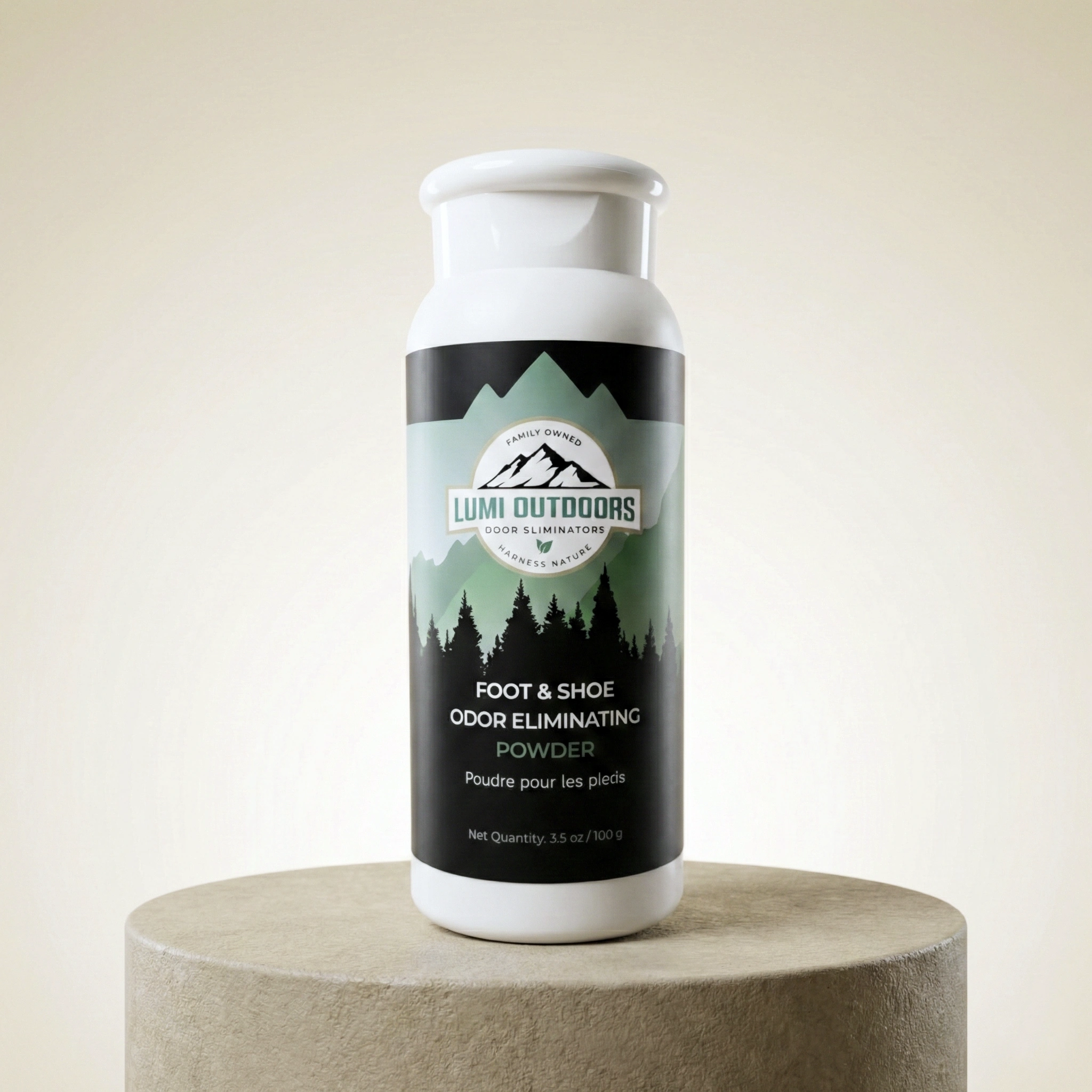
Eliminate odor at the source with our natural, plant-based Natural Foot Powder.
- ABSORBS SWEAT & NEUTRALIZES ODOR
- ALL-NATURAL & TALC-FREE FORMULA
- PROUDLY FAMILY-OWNED & MADE IN UTAH
- THE "FRESH CONFIDENCE" GUARANTEE