
Why Your Wool Slippers Smell Musty—And The One Natural Thing That Fixes It
- The Root Cause Wool traps moisture and skin cells deep in its fibers, which causes that classic musty smell.
- Avoid the Wash Washing machines often shrink and ruin wool, so a natural spray is a much safer alternative.
- The Fix A mix of lavender and tea tree oils neutralizes odors while maintaining the integrity of the wool.

You know that feeling. It's a chilly Saturday morning, the house is quiet, and you've just brewed a fresh pot of coffee. You slide your feet into your favorite pair of wool slippers—the ones you spent a bit extra on because they're supposed to be "breathable" and "natural." But as you walk toward the kitchen, a faint, heavy scent follows you. It isn't the coffee. It’s that unmistakable, damp, musty smell coming from your feet.
For a long time, I thought this was just the "price of admission" for wearing wool. I figured that because wool comes from sheep, it’s just naturally going to smell a bit like a wet farm animal after a few months of use. I tried everything to ignore it. I'd shove them under the couch when friends came over. I’d try to mask the scent by wearing thick socks, but that just made my feet sweat more, making the problem even worse. It felt like I was stuck in a loop of buying expensive slippers, wearing them until they became a biohazard, and then tossing them out. It’s frustrating, right? You want a cozy home, not one that smells like a locker room hidden under a pile of wool.
If you're tired of that weird basement-smelling wool ruining your morning, you don't need a washing machine that might shrink your slippers to the size of a doll’s shoe. You just need a bottle of this natural wonder:
What You'll Need
- Soft-bristled shoe brush
- White vinegar
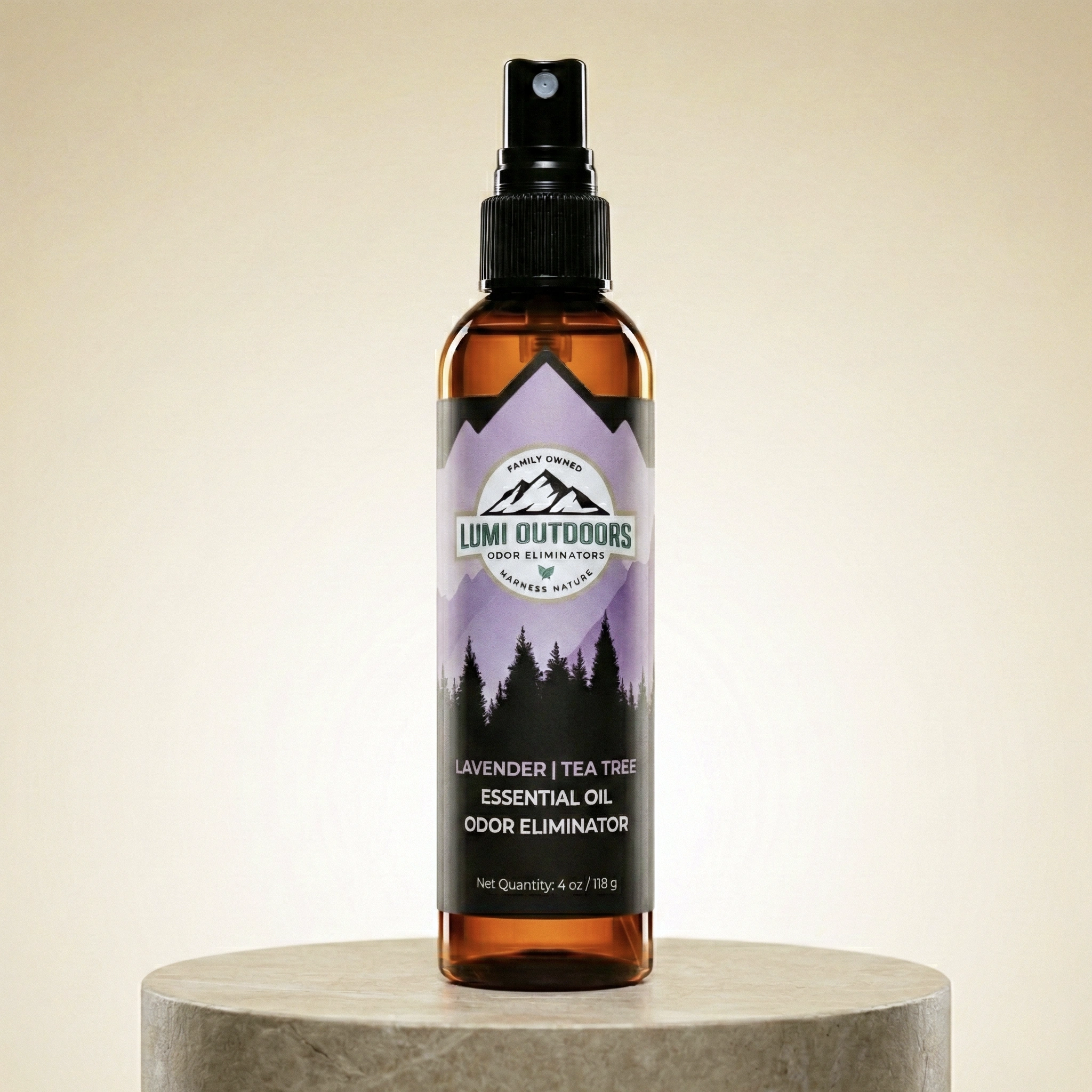
- Natural Lavender Tea Tree Shoe Deodorizer Spray Check Price →
- Cedar blocks
Why Do Wool Slippers Develop a Musty Smell Over Time?
Wool slippers smell musty because the porous natural fibers trap moisture from your skin and environment, creating a damp habitat where odor-making compounds thrive. Unlike synthetic fabrics, wool absorbs up to 30% of its weight in water before feeling wet, meaning it stays damp deep inside the fibers long after you take them off.
Here's the thing about wool: it's a miracle fiber, but it has a "memory" for smells. Every time you wear your slippers without socks, your feet release moisture. Even if you don't think your feet are "sweaty," they are. This moisture gets pulled into the center of the wool fiber, or the cortex. When that moisture sits there, it starts to break down skin cells and oils that have rubbed off your feet.
Because wool is so dense, it doesn't get much airflow. It’s like a damp sponge sitting on your kitchen counter. If you don't let it dry out completely, it starts to develop that "wet dog" or musty basement aroma. And since we usually wear slippers inside where it's warm, we're basically creating a little incubator for odors. It’s no wonder scrubbing doesn't work—the smell is literally part of the fabric now.
Can You Wash Wool Slippers Without Ruining the Shape?
You can wash some wool slippers, but it is risky because heat and agitation from a washing machine can cause the fibers to felt, leading to permanent shrinking and loss of shape. Hand-washing with cold water and a wool-specific detergent is the only safe way to clean the physical fabric without damage.
I learned this the hard way. I tossed a pair of high-end wool clogs into the wash on a "gentle" cycle. When they came out, they looked like they belonged to a toddler. Wool fibers have tiny scales on them. When they get wet and rubbed together (agitation), those scales lock together. This is called "felting," and once it happens, there's no going back. Your slippers will be stiff, small, and probably still smell a bit like damp wool.
Instead of a full soak, I've found that maintenance is the better path. You want to treat the odor without drowning the fiber. If you must clean a spill, use a soft-bristled shoe brush to gently flick away dried dirt first. For deeper spots, a tiny bit of white vinegar on a cloth can help, but don't soak it. The goal is to keep the wool as dry as possible while dealing with the scent.
Use a hair dryer on the 'cool' setting to blow out trapped dust and skin cells from deep in the wool pile before you spray. This removes the debris that odor-causing compounds feed on, making your spray twice as effective.
How Do You Deodorize Wool Slippers Naturally at Home?

To deodorize wool slippers at home, first brush away debris, then lightly mist the interior with a natural essential oil spray, and finally allow them to air dry in a well-ventilated spot away from direct heat. This neutralizes the odor at the source without saturating the delicate fibers.
If you want to do this right, you need a routine. Here is what I do every Sunday to keep my slippers from becoming a household embarrassment:
- The Brush Down: Use a soft-bristled shoe brush to clean out the inside. You'd be surprised how much dust and skin builds up in the fleece. Getting that out removes the "food" that odors live on.
- The Spot Treat: If there's a specific "funk" spot (usually near the toes), dab it with a mixture of water and white vinegar. Just a damp cloth, not a wet one.
- The Mist: Spray the Natural Lavender Tea Tree Shoe Deodorizer Spray inside. Two or three pumps is plenty. The tea tree goes to work on the source of the smell, while the lavender makes them smell like a spa instead of a farm.
- The Dry: Place cedar blocks inside the slippers and let them sit in a breezy spot. Don't put them by a heater! Heat makes wool brittle.
We compared our natural spray against the big-brand aerosols you find at the grocery store. The difference isn't just in the smell—it's in how the wool reacts to the ingredients.
| Feature | Lumi Lavender Tea Tree Spray | Grocery Store Aerosol |
|---|---|---|
| Primary Ingredients | Essential Oils & Witch Hazel | Butane, Propane & Fragrance |
| Effect on Wool | Gentle, non-drying mist | Can leave sticky residue |
| Scent Profile | Natural herbal aromatherapy | Heavy, artificial perfume |
| Safety Profile | Family and pet friendly | Contains harsh propellants |
What Are the Benefits of Using Lavender and Tea Tree for Wool?
Lavender and tea tree oils are ideal for wool because they provide a powerful, natural way to neutralize organic odors while leaving a calming, herbal scent that complements the earthy nature of wool. Tea tree oil is famous for its ability to tackle tough smells, while lavender offers a "clean laundry" aroma without using synthetic perfumes.
Most "shoe sprays" smell like fake lemons or a high school locker room. When you mix that synthetic scent with musty wool, the result is... well, it's not good. It smells like a wet sheep wearing cheap perfume. Lavender and tea tree are different. They feel like they belong with wool.
Tea tree oil is a powerhouse. It’s been used for ages because it’s so good at cleaning things up. Lavender adds that aromatherapy element. When you slide your feet into your slippers after a long day, that hit of lavender actually helps you relax. It’s a small way to stop your shoe closet from ruining your home environment. You aren't just hiding a smell; you're creating a better experience for yourself.
How Can You Keep Your Entire Closet Smelling Like a Spa?

You can keep your closet smelling fresh by maintaining a regular deodorizing routine for your shoes and using a plant-based room spray to neutralize any lingering scent molecules in the air. Natural sprays made with essential oils like peppermint or vanilla work to actually clear the air rather than just masking smells with a heavy mist.
Once you get the slippers under control, you'll probably notice other things. Maybe the gym bag in the corner or the shoe rack in the hall. Here’s the "After" story: imagine walking into your bedroom and it smells... like nothing. Just clean, fresh air. No "foot" smell. No chemical "floral breeze" smell. Just home.
I like to keep a bottle of Lavender Vanilla Room Spray right on the dresser. A quick spritz in the closet every morning keeps everything "guest-ready." If you prefer something a bit more energizing, the Natural Peppermint Vanilla Room Spray is great for keeping things crisp. It makes a huge difference in how you feel about your space. You don't have to be embarrassed to open the door when a friend comes over.
Is the natural route perfect? Mostly, but it does require consistency. It isn't a "spray once and forget it for a year" thing. Here's the honest breakdown:
- Smells like a high-end spa, not a locker room
- Won't shrink or damage expensive wool fibers
- Made with ingredients you can actually pronounce
- Safe to use around kids and pets
- Requires regular application for best results
- Bottle is compact, so you'll want to stock up if you have many pairs
Now, my mornings are different. I still have my coffee, and I still have my wool slippers. But now, when I slide my feet in, there’s no wince. There’s no "musty" cloud. There’s just the cozy, warm feeling I wanted when I bought them in the first place. It turns out, you don't have to choose between natural materials and a fresh-smelling home. You just need the right tools to take care of them.
Tired of shoe odor? We recommend:
Join 1 Million+ Other People Who Chose Lumi to Conquer Their Shoe Odor.
- DESTROYS ODOR AT THE SOURCE, DOESN'T JUST MASK IT
- ALL-NATURAL & PLANT-BASED INGREDIENTS
- PROUDLY FAMILY-OWNED & MADE IN UTAH
- THE "FRESH CONFIDENCE" GUARANTEE