
Why Does My Shoe Smell Like a Dead Animal — Not Just Sweat?
- It's not sweat — it's sulfur The dead-animal smell comes from methanethiol, a sulfur gas produced by Brevibacterium bacteria eating dead skin in oxygen-deprived shoe interiors — a completely different process from normal sweat odor.
- Surface sprays won't fix it Once sulfur-producing bacteria establish in the foam and fabric layers of a shoe, you need deep drying first, then chemical neutralization — not just a quick spritz.
- If it persists, check your feet A rotting smell that survives shoe treatment often signals pitted keratolysis, a bacterial skin infection on the soles that requires a dermatologist visit, not just better shoe hygiene.

That "dead animal" shoe smell is caused by anaerobic bacteria — specifically Brevibacterium and sulfur-producing microorganisms — that thrive in oxygen-deprived, damp environments deep inside your shoe. Unlike the sour, vinegary smell of ordinary sweat odor, this smell is sulfuric and rotting because the bacteria produce methanethiol, a volatile sulfur compound that smells almost identical to decomposing organic matter. It's a different biological process, which is why your usual deodorizer barely dents it.
Here's exactly what's driving that smell and — more importantly — how to actually get rid of it.
Why Does a Shoe Smell Like Something Died in It?
The rotting smell comes from methanethiol and isovaleric acid — two chemical byproducts released when specific anaerobic bacteria break down dead skin cells and sweat proteins in the oxygen-deprived environment inside your shoe. This is fundamentally different from regular sweat odor, and understanding that difference is the key to fixing it.
Regular sweat smell is mostly isovaleric acid produced by Staphylococcus bacteria on skin surfaces. It's sour and sharp — think gym locker room. The "dead animal" smell, though, is dominated by methanethiol, a sulfur-based gas that your nose associates with biological decay. It's the same compound responsible for the smell of rotting cabbage and decomposing meat.
Brevibacterium linens is the primary culprit. These bacteria consume the keratin in dead skin flakes, and as a byproduct, they release methanethiol directly. Propionibacteria pile on by converting sweat into propionic acid — on its own it smells vinegary, but mixed with sulfur compounds it creates that nauseating, complex "carrion" character most people can't quite name.
The shoe itself makes everything worse. Thick EVA foam midsoles, bonded leather layers, and cheap synthetic mesh all trap moisture without releasing it. The inside of a shoe that's been worn for eight hours can hold the equivalent of a full teaspoon of sweat per foot. That warm, damp, airless pocket is a near-perfect anaerobic environment — which is exactly what sulfur-producing bacteria need to thrive.
That's the real problem. It's not just surface smell. The bacteria are living in the foam.
According to research published through the National Institutes of Health, the human foot hosts over 200 species of bacteria, with Brevibacterium species disproportionately responsible for the most intense odors. Shoes made with thick, non-breathable materials can raise internal temperatures to over 100°F during activity, accelerating bacterial growth exponentially.
What Makes This Smell Worse Than Normal Shoe Odor?
The "dead animal" intensity usually signals that bacterial colonies have established themselves in the shoe's inner layers — not just on the insole surface — which is why surface sprays and quick fixes tend to fail. Once methanethiol-producing bacteria get into the foam, glue, and fabric layers of a shoe, you're dealing with a reservoir, not just a surface stain.
Cheap synthetic mesh is particularly bad for this. The fine fiber structure creates thousands of tiny pockets that trap skin cells and moisture — exactly the food supply and environment Brevibacterium need. Thick, non-perforated leather isn't much better; it holds internal humidity high for hours after you've taken the shoe off.
There's also a compounding effect most people don't account for: wearing the same pair every day. The American Podiatric Medical Association recommends rotating footwear every 24–48 hours so EVA foam and interior fabrics can fully dry between wears. A shoe that never fully dries between uses never resets its bacterial load — it just adds to it.
If you've noticed the smell is worse in older shoes or shoes worn without socks, that tracks. Bare skin contact accelerates dead skin cell accumulation. Older foam degrades and becomes more porous, holding moisture longer.
Most people spray their shoes and immediately put them back in a closed closet — that's the one move that guarantees the smell returns. Methanethiol is a volatile gas; it needs airflow to dissipate. After spraying, leave shoes open in a ventilated room for at least 15 minutes. A closed closet just recirculates the gas back into the foam, and within 24 hours you're back where you started.
How Do You Actually Eliminate the Dead Animal Smell?

Eliminating sulfur-compound odor requires three sequential steps: deep drying first, chemical neutralization second, and a daily prevention habit third — skipping any step means the smell comes back within a week.
Step 1: Deep drying. Before any spray or powder touches the shoe, you have to remove the moisture that's feeding the bacteria. Stuff the shoes firmly with crumpled newspaper and leave them in a well-ventilated area — not a closet — for 24 to 48 hours. The newspaper draws moisture out of the foam through capillary action. Change it after 12 hours if the smell is severe. A small fan aimed at the open shoes speeds this up considerably.
Don't skip this step. Spraying a wet shoe is like mopping a floor that's still getting rained on.
Step 2: Chemical neutralization. Once the shoes are genuinely dry, you need something that targets sulfur compounds directly rather than masking them with fragrance. Look for an essential oil-based spray with lemon eucalyptus — the citrus compounds react with sulfur gases to chemically reduce their volatility. Lumi's Extra Strength Shoe Deodorizer Spray is what I'd reach for here — the lemon eucalyptus scent is noticeable for the first 10 minutes and then fades to neutral, which tells you the essential oils have dispersed rather than just sitting on the surface. Spray it into dry shoes, let it sit for 15 minutes before wearing, and leave the shoes in open air (not a closed closet) while it dries.
A free alternative that genuinely works: white vinegar diluted 1:1 with water, sprayed inside and left to air-dry completely. Vinegar's acetic acid neutralizes the alkaline metabolic byproducts of Brevibacterium. It's not as targeted as an essential oil spray, but it's a solid first-line option and costs almost nothing.
Step 3: Prevention. A mineral-based foot powder applied to feet before putting on shoes absorbs sweat before it ever reaches the shoe's interior. No moisture means no anaerobic environment. No anaerobic environment means no methanethiol. If you want to know more about why talc-free powder formulas work better for daily use, that breakdown covers the ingredient science in detail.
Could the Smell Mean You Have a Foot Infection?
Yes — if the rotting odor persists even after thoroughly treating and drying the shoes, the bacterial source may be on your feet, not in your shoes, which points to a condition called pitted keratolysis.
Pitted keratolysis is a bacterial skin infection that creates small, shallow pits or craters on the soles of the feet and produces a powerful, genuinely rotting odor — often described as exactly this "dead animal" smell. It's caused by Corynebacterium and Kytococcus sedentarius bacteria that digest the keratin in your skin's surface layer. It's more common than most people realize, especially in people who spend long hours in boots or closed shoes.
Check the soles of your feet. Pitted keratolysis shows up as clusters of small pits or punched-out lesions, often on the ball of the foot or heel. You might also notice white, soft, or slightly discolored patches, especially after showering. There's usually no pain or itching — just an intense smell that won't quit no matter how many times you wash.
If you do see those pits, see a dermatologist or podiatrist. Pitted keratolysis responds well to topical prescription treatments — usually benzoyl peroxide or clindamycin gel — but it won't resolve on its own. Treating only the shoes while the bacteria are actively living in your skin's keratin layer means the smell returns within days of putting on a freshly cleaned pair.
Worth knowing: pitted keratolysis is often misdiagnosed as athlete's foot because both produce strong foot odor. The key difference is that athlete's foot typically causes itching, scaling, and redness between the toes, while pitted keratolysis mainly affects the soles and produces a more severe sulfuric smell without significant itching. You can also check why shoes suddenly stink even with good hygiene habits — if the pattern sounds familiar, it may point toward a skin-level issue rather than a footwear problem.
One final practical note: if you're treating both the shoes and a confirmed foot infection simultaneously, keep a dedicated pair of clean socks for sleeping and avoid wearing the same shoes two days in a row until both treatments have had at least a week to work. Reinfecting a clean shoe from untreated feet — or reinfecting treated feet from a bacteria-loaded shoe — is the most common reason this problem seems impossible to solve.
Still smelling something that shouldn't exist in your shoe rack?
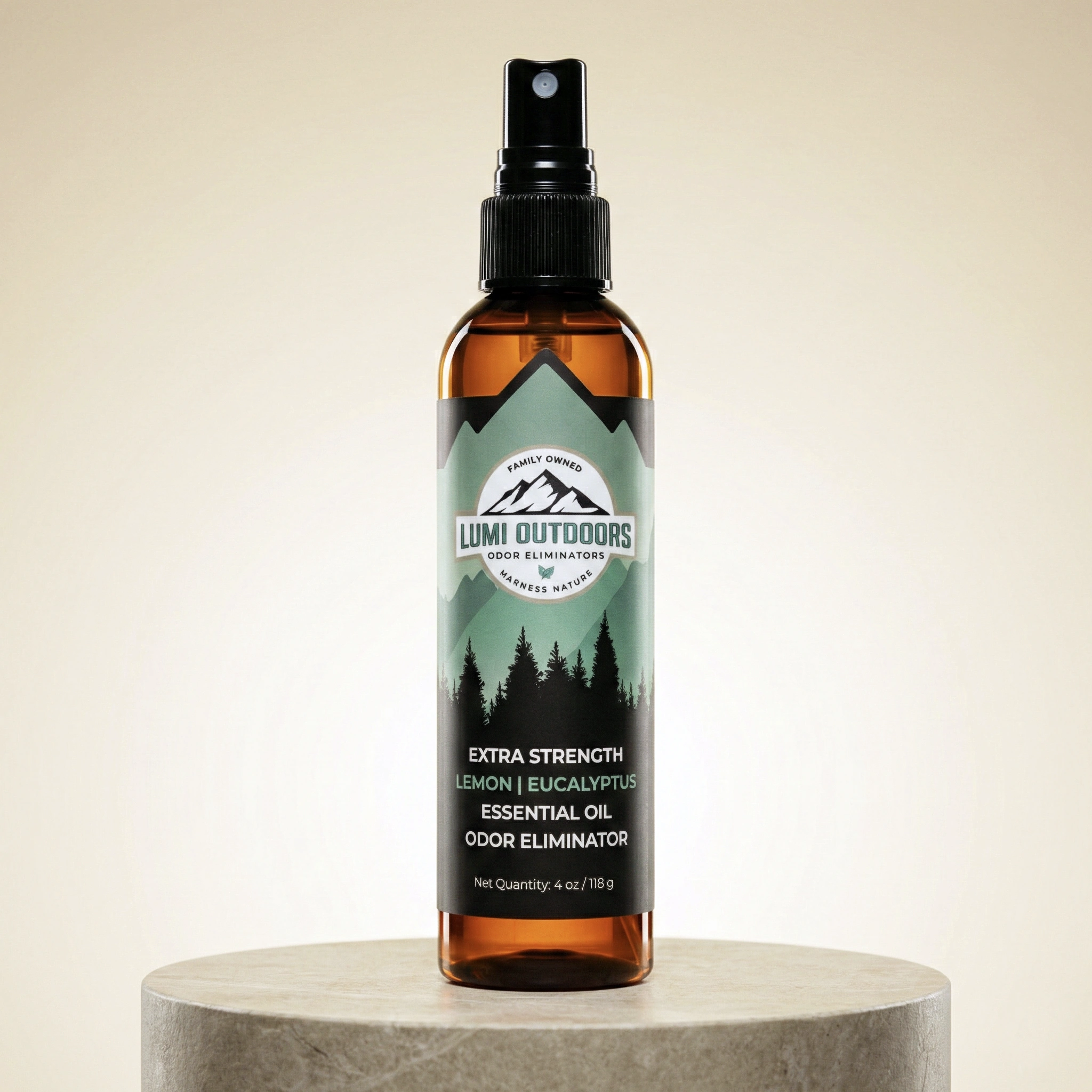
Join 1 Million+ Other People Who Chose Lumi to Conquer Their Shoe Odor.
- DESTROYS ODOR AT THE SOURCE, DOESN'T JUST MASK IT
- ALL-NATURAL & PLANT-BASED INGREDIENTS
- PROUDLY FAMILY-OWNED & MADE IN UTAH
- THE "FRESH CONFIDENCE" GUARANTEE