

Why do your shoes smell like ammonia? The root cause of the sharp odor.
- It's a chemistry reaction Bacteria break down urea in sweat into ammonia gas — the same compound in cleaning products.
- Diet and dehydration amplify it High protein intake and not drinking enough water both increase urea concentration in sweat, making the smell sharper.
- Moisture is the root cause Treating only the smell without removing trapped moisture means the odor returns within 24–48 hours.
- Prevention beats treatment Shoe rotation, moisture-wicking socks, and a daily foot powder stop the odor cycle before it starts.

Why do shoes smell like ammonia? The quick answer
Shoes smell like ammonia because bacteria in your footwear break down urea — a nitrogen-rich compound in sweat — into ammonia gas. This process accelerates when moisture builds up inside the shoe and the bacterial population grows. It's a chemistry problem, not a hygiene failure, and it's fixable.
The sharp, eye-watering smell that hits you when you pull off your sneakers isn't random. It's a specific metabolic byproduct. Urea makes up roughly 2–9% of human sweat, and when the right bacteria get to work on it, ammonia is the result — the same compound in household cleaners. If that sounds alarming, it shouldn't. But it does mean you need to address the root cause, not just mask the smell.
The sections below explain why it happens, what makes it worse, and exactly how to get rid of it.
What's the science behind the ammonia smell in sweat?
The ammonia smell comes from bacterial metabolism: bacteria like Staphylococcus epidermidis and Bacillus subtilis consume urea and amino acids in sweat, releasing ammonia as a waste product. Synthetic shoe liners trap this process in a warm, wet environment — which is why athletic shoes smell sharper than leather dress shoes.
Your feet have roughly 250,000 sweat glands — more per square inch than any other part of your body, according to the National Library of Medicine. During a single workout, your feet can produce up to half a cup of sweat. That moisture soaks into the shoe's foam midsole, fabric liner, and insole — all of which act like a petri dish.
The bacterial conversion of urea to ammonia is called urease activity, and it happens fast. Within hours of a sweaty session, bacterial colonies have already started processing the nitrogen compounds left behind. The warmer and wetter the environment, the faster the reaction runs.
Natural materials like leather and cork are somewhat breathable, which slows moisture accumulation. Synthetic mesh and foam — the standard in most athletic shoes — trap heat and moisture far more efficiently. That's not a knock on synthetic shoes; it's just chemistry. But it explains why your running shoes smell like a chemical plant and your leather loafers don't.
Most people spray the inside of the shoe and call it done — but the tongue and the collar of the shoe (the fabric around the ankle opening) hold just as much bacterial residue as the toe box. Give those areas a quick spray too. That's where the smell hits you first when you pick up the shoe, and it's almost always the source.
Is it your feet, your diet, or something else causing the ammonia odor?
For most people, ammonia-smelling shoes are caused by a combination of high-intensity exercise (which increases protein metabolism) and dehydration (which concentrates urea in sweat). Diet, particularly high protein intake, can intensify the smell — but persistent ammonia odor from the feet at rest may warrant a conversation with a doctor.
Here's where it gets interesting. During low-to-moderate exercise, your body burns carbohydrates and fat for fuel. But during prolonged, high-intensity effort — think long runs, two-a-day practices, or all-day construction work — your body starts burning protein as a backup fuel source. This protein catabolism produces excess nitrogen, which your body exports through urine and sweat as urea. The more urea in the sweat, the more ammonia the bacteria can produce.
Dehydration makes this worse. When you're not drinking enough water, your sweat becomes more concentrated — the same amount of urea packed into less fluid. It's like the difference between diluted vinegar and full-strength vinegar. The chemistry is the same; the intensity is not.
Diet matters too. A very high-protein diet (think 200+ grams per day) gives your body more amino acids to metabolize, increasing nitrogen output. This doesn't mean cut protein — just be aware that your post-leg-day shoe smell isn't a mystery.
That said, there's a scenario worth knowing about.
If you notice a strong ammonia smell in your sweat even when you're not exercising hard — or if it's accompanied by unusual fatigue or changes in urine — that can occasionally signal kidney stress or metabolic imbalance. The American Kidney Fund notes that kidneys are responsible for filtering urea from the blood; when they're under strain, more urea exits through sweat. If you're seeing ammonia smell at rest, check out this resource on whether foot odor could be a warning sign — it's worth reading before you assume it's just your sneakers.
For active people — athletes, healthcare workers, tradespeople — the cause is almost always mechanical: high sweat output, trapped moisture, bacterial overgrowth. Not a medical emergency. But definitely something to address systematically.
How do you actually get rid of the ammonia smell in shoes?
To eliminate ammonia odor from shoes, you need to do two things simultaneously: neutralize the existing bacterial byproducts inside the shoe and remove the moisture environment that lets bacteria keep producing more. Treating the smell without addressing the moisture is why most deodorizers only work for a day or two.
Start with a deep reset. Remove the insoles and wash them separately — they hold the highest concentration of sweat residue. A 10-minute soak in a solution of one part white vinegar to three parts water will neutralize ammonia on the insole surface. The acetic acid in vinegar reacts directly with ammonia (an alkaline compound) and neutralizes it. Rinse thoroughly and let them air dry completely — at least 24 hours — before putting them back.
For the shoe itself, stuff the interior with crumpled newspaper overnight. Newspaper is genuinely effective at pulling moisture out of foam materials. It's free, it works, and it's the kind of low-effort step that most people skip.
If you want something that targets the odor source rather than just absorbing moisture, a spray with eucalyptus or lemon essential oils is worth adding to your routine. If you've been dealing with this situation and want a targeted approach, here's what works:
What You'll Need
- White vinegar (for insole pre-soak)
- Crumpled newspaper (for overnight moisture absorption)
- Extra Strength Shoe Deodorizer Spray Check Price →
- Moisture-wicking socks (merino wool or synthetic blend)
One honest note on the spray: the lemon eucalyptus scent is noticeable for the first 10–15 minutes after application, then fades to neutral. And you'll want to let the shoes dry for about 15 minutes before wearing them. It's not an instant-wear solution — plan ahead the night before.
For healthcare workers and tradespeople dealing with long-shift shoe odor, the same principles apply — moisture management is the foundation. There's a deeper look at why feet smell after long work shifts on clinical rotations that goes into the specific conditions nurses and doctors deal with.
Here's how a few common approaches compare on the key factors:
| Feature | Lumi Spray | Activated Charcoal Bags | White Vinegar Soak |
|---|---|---|---|
| Targets odor | Yes — essential oil formula acts on bacterial source | No — absorbs odor passively, doesn't address bacteria | Partially — neutralizes ammonia chemically but not ongoing bacteria |
| Ease of use | 2-second spray, no prep needed | Place in shoe, replace every 1–2 months | Requires soak, rinse, and 24-hour dry time |
| Cost per use | ~$0.20 per application | ~$0.05 per use amortized | Near zero — household staple |
| Speed of odor elimination | Works overnight, noticeable by morning | Gradual — 24–48 hours to absorb odor | Immediate neutralization on contact surface only |
| Long-term prevention | Yes — regular use breaks the odor cycle | Limited — absorbs but doesn't prevent buildup | No — one-time neutralization only |
How do you prevent the ammonia smell from coming back?

The most effective long-term prevention strategy combines shoe rotation (every 24–48 hours to let foam fully dry), moisture-wicking socks, and a daily powder application inside the shoe before you wear it. Treating shoes after the smell appears is reactive; blocking the moisture-to-bacteria pathway is what prevents it from developing in the first place.
Shoe rotation is free and probably the most underrated tactic in this whole space. Every pair of athletic shoes needs a full day off between wears — minimum. The EVA foam in most sneaker midsoles retains moisture for 18–24 hours after a hard session. If you put the shoes back on before they've dried out, you're feeding a wet bacterial environment from the moment you lace up.
Socks matter more than people realize. 100% cotton socks actually hold moisture against the skin, which feeds the cycle. Merino wool or synthetic moisture-wicking blends actively pull sweat away from the foot surface, reducing the total moisture load inside the shoe by a meaningful amount. It's a $15–20 upgrade that pays off daily.
For a proactive daily layer, a talc-free foot powder applied directly to feet or inside the shoe before wearing creates a dry environment where the bacterial cycle can't get started. The Natural Foot Powder uses arrowroot powder, kaolin clay, baking soda, and zinc oxide — all ingredients that absorb moisture without leaving residue. The zinc oxide is the same mineral used in diaper creams and sunscreen; this isn't just filler. And at 0.
Combine powder on wear days with spray on rest days, and you're addressing both the prevention side and the treatment side at once. That's the approach that actually sticks.
One more thing worth knowing: the question of whether to treat the foot or the shoe first actually has a non-obvious answer — you need to do both, but in a specific order. There's a dedicated breakdown on whether to treat your foot or your shoe first that walks through the logic.
- Plant-based formula with no harsh chemicals or parabens
- Extra-strength lemon eucalyptus blend handles severe, persistent ammonia odor
- Works on all footwear types — cleats, work boots, sneakers, dress shoes
- Low effort: spray at night, fresh by morning
- Needs 15 minutes to dry before wearing — not an instant solution
- Use with caution in cat households — allow full dry time and ventilation before cat access
One tip before you go
If you've already deep-cleaned your shoes and the ammonia smell returns within a day or two, the problem is almost certainly the insole — not the shoe upper. Most stock insoles are open-cell foam that permanently holds bacterial byproducts after heavy use. Replacing the insole entirely (a $10–15 investment) often solves persistent odor faster than any treatment approach. After that, the prevention routine keeps it from rebuilding.
Still getting hit with that sharp ammonia smell every time you open the closet?
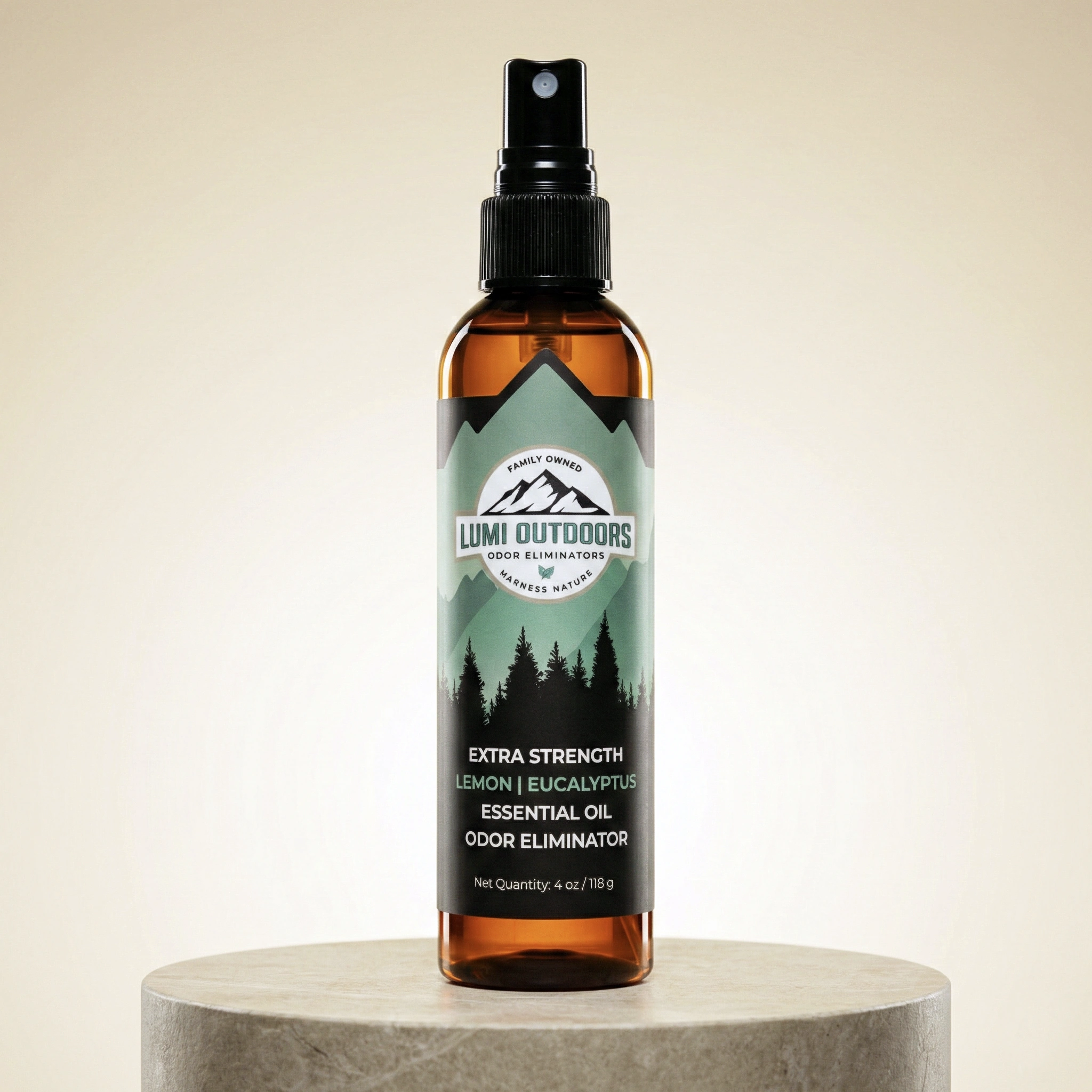
Join 1 Million+ Other People Who Chose Lumi to Conquer Their Shoe Odor.
- DESTROYS ODOR AT THE SOURCE, DOESN'T JUST MASK IT
- ALL-NATURAL & PLANT-BASED INGREDIENTS
- PROUDLY FAMILY-OWNED & MADE IN UTAH
- THE "FRESH CONFIDENCE" GUARANTEE