
Use These 3 Specific Steps to Remove 99% of Smell From Your Spin Shoes
- The Moisture Trap Spin shoes trap moisture in synthetic fabrics, requiring active intervention to stay fresh.
- Quick Drying Stuffing shoes with newspaper after class is the most effective way to pull sweat from the inner lining.
- The Double Defense A pre-ride powder combined with a post-ride spray creates a 1-2 punch that stops odors before they start.

Why Do Spin Shoes Smell So Much Worse Than Regular Sneakers?
Spin shoes smell worse because they are used in high-heat, high-humidity environments where sweat becomes trapped against synthetic, non-breathable materials. Unlike running shoes that get some airflow, cycling shoes are often stiff and enclosed, creating a perfect environment for odor to build up.
If you've ever unclipped after a heavy 45-minute climb and felt like your feet were swimming, you know exactly what I’m talking about. Most spin studios are dark, crowded, and humid. While that's great for the "vibe," it's a nightmare for your gear. Your feet have thousands of sweat glands, and during a sprint, they're working overtime.
The problem is that most cycling shoes are made from synthetic leathers and plastics. These materials are great for power transfer on the bike, but they don't "breathe" like your mesh trainers do. The sweat has nowhere to go. It sits in the fabric, soaks into the foam padding, and stays there. According to the Cleveland Clinic, moisture is the primary driver of the conditions that lead to severe foot odor. If you don't clear that moisture out immediately, that "gym smell" becomes a permanent resident in your locker.
You don't need a chemistry degree to fix this. You just need a way to soak up that sweat before it sinks in. This is the one we keep by the door:
What You'll Need
- Crumpled newspaper
- Microfiber cloth
- Natural Foot Powder Check Price →
- Mesh laundry bag
How Can You Dry Out Spin Shoes Quickly After Class?
The fastest way to dry spin shoes is to remove the insoles immediately and stuff the shoes with crumpled newspaper to pull moisture out of the inner lining. Placing them near a fan or in a well-ventilated area—never under direct high heat—will finish the job without warping the shoe's structure.
I see so many people finish class, toss their damp shoes into a dark gym bag, and zip it up. That's like building a little incubator for smells. By the time you get home, the damage is done. Instead, the second you get to your car or the locker room, pull those insoles out. It takes five seconds but doubles the airflow to the bottom of the shoe.
If you're at home, the "newspaper trick" is a classic for a reason. Take some old circulars or Sunday papers, crumple them into loose balls, and shove them all the way into the toe box. The paper acts like a giant sponge, pulling the dampness out of the fabric. Just don't put them in front of a heater or use a blow dryer on high. Intense heat can melt the glues that hold your expensive cycling shoes together, and nobody wants a sole peeling off mid-ride.
What Are the 3 Steps to Deep Clean Smelly Cycling Shoes?

To deep clean smelly cycling shoes, you must first apply a moisture-absorbing powder before riding, use a natural deodorizing spray immediately after class, and ensure the shoes are completely dry before their next use. This three-step process attacks odor at the source by controlling sweat and neutralizing existing scents.
Here is how you actually do it without spending an hour scrubbing over a sink:
Step 1: The Pre-Ride Shield
Prevention is a lot easier than a cure. Before you even put your socks on, sprinkle some Natural Foot Powder into your shoes. This creates a dry barrier. Instead of the sweat soaking into the shoe’s foam, the powder catches it. It’s a lot like using a primer before you paint; it makes everything else work better. Plus, our version uses lemon and lemongrass, so you'll actually smell like a citrus grove instead of a locker room.
Step 2: The Post-Ride Neutralizer
Once you've finished your cool-down and pulled the shoes off, give the insides a quick wipe with a microfiber cloth to get the surface dampness off. Then, hit them with 2-3 sprays of the Extra Strength Shoe Deodorizer Spray. Don't just spray the heel; get it deep into the toes. The essential oils work to neutralize the odor molecules rather than just covering them up with fake flower scents.
Step 3: The Air-Out
Finally, store them properly. If you can, keep them in a mesh laundry bag rather than a solid plastic one. This allows air to circulate around the entire shoe. If you're a daily rider, you might want to consider having two pairs of shoes so one can fully dry for 24 hours while you use the other. It sounds expensive, but it actually makes both pairs last twice as long because the materials aren't constantly rotting from moisture.
Don't rely on the freezer myth. For a real pro-secret, use a hairdryer on the 'cool' setting for two minutes immediately after class to jumpstart the evaporation of sweat before it can sink into the shoe's deep foam layers.
Is It Safe to Wash Spin Shoes in the Washing Machine?

No, you should never put spin shoes in the washing machine because the mechanical agitation and heat can damage the stiff carbon or plastic soles and loosen the mounting hardware for your cleats. Hand-cleaning with a damp cloth and mild soap is the only safe way to preserve the shoe's integrity and fit.
It’s tempting to just toss them in with the towels and hope for the best, but I’ve seen too many ruined pairs of Pelotons and Shimanos to recommend it. The "clunk-clunk-clunk" of the shoes hitting the drum isn't just annoying; it’s the sound of your investment getting beat up. Also, the metal bolts that hold your cleats in place can rust if they aren't dried perfectly, making it impossible to adjust your clips later.
If the outside is truly filthy, use a soft-bristled brush and a little bit of dish soap. Scrub the spots, wipe them with a microfiber cloth, and let them air dry. We've talked before about why scrubbing doesn't work for deep odors—it's because the smell is buried in the fibers, not just on the surface. That’s why the powder and spray combo is so much more effective than a soapy bath.
How Do Natural Deodorizers Compare to Grocery Store Aerosols?
Natural deodorizers use concentrated plant oils to neutralize odor-causing compounds, whereas traditional aerosols often rely on heavy synthetic fragrances and butane propellants that mask smells temporarily. Natural options are generally safer for direct skin contact and won't leave a powdery chemical residue on your gear.
We compared our natural spray against the big-brand aerosols. The difference isn't just in the smell—it's in the chemistry. Most of those "fresh scent" cans you find at the supermarket are mostly alcohol and perfume. They might smell "clean" for ten minutes, but once that evaporates, you're left with the same old funk, plus a weird chemical aftertaste.
Here’s the thing: you’re wearing these shoes with thin socks, or sometimes no socks at all. Do you really want your skin soaking up butane and synthetic "linen" scents? Our Natural Citrus Tea Tree Shoe Deodorizer Spray uses the real stuff—actual orange and lemon peel oils. It's better for your shoes, better for your skin, and it actually works.
| Feature | Lumi Natural Sprays | Big-Brand Aerosols |
|---|---|---|
| Primary Ingredients | Pure Essential Oils | Butane & Synthetic Fragrance |
| Skin Safety | Safe for bare feet | Potential irritants |
| Odor Action | Neutralizes molecules | Masks with perfume |
| Residue | Zero sticky buildup | Can leave oily film |
How Can You Prevent Future Odor in Your Cycling Shoes?
The most effective way to prevent future odor is to manage moisture proactively by using a talc-free foot powder before every ride and ensuring your shoes are stored in an open-air environment. Consistency is key; stopping the sweat from soaking into the shoe fibers prevents the long-term buildup of stubborn smells.
Consistency is the secret sauce here. It’s like brushing your teeth; you can’t skip a week and then try to fix it all on Sunday. If you make it a habit to tap a little powder into your shoes before you head to the studio, you’re already 90% of the way there. We have a great guide on how to use foot powder for shoes the right way so you don't end up with "clumped" socks.
Another tip I tell everyone: change your socks. It sounds simple, but high-quality moisture-wicking socks made of wool or technical synthetics make a massive difference. Cotton is the enemy. Cotton holds onto water, which keeps your feet wet and your shoes stinky. Switch to a cycling-specific sock, use the powder, and you’ll notice the difference within a single week.
Is the natural route perfect? Mostly, but it does require you to be consistent. Here's the honest breakdown:
- Eliminates the 'swampy' feeling during long rides.
- Uses safe, plant-based ingredients instead of harsh chemicals.
- Significantly extends the life of expensive cycling shoes.
- Leaves a clean, spa-like scent instead of heavy perfumes.
- Requires consistent application after every ride for best results.
- Powder can be a little messy if you're rushing in a small locker room.
At the end of the day, spin class is hard enough without having to worry about the person on the bike next to you catching a whiff of your cleats. By taking just sixty seconds after your ride to dry them out and give them a quick spray, you’re saving yourself the embarrassment and the cost of replacing $150 shoes every season. It's a small habit that pays off every time you clip in.
Ready to end the spin shoe funk for good?
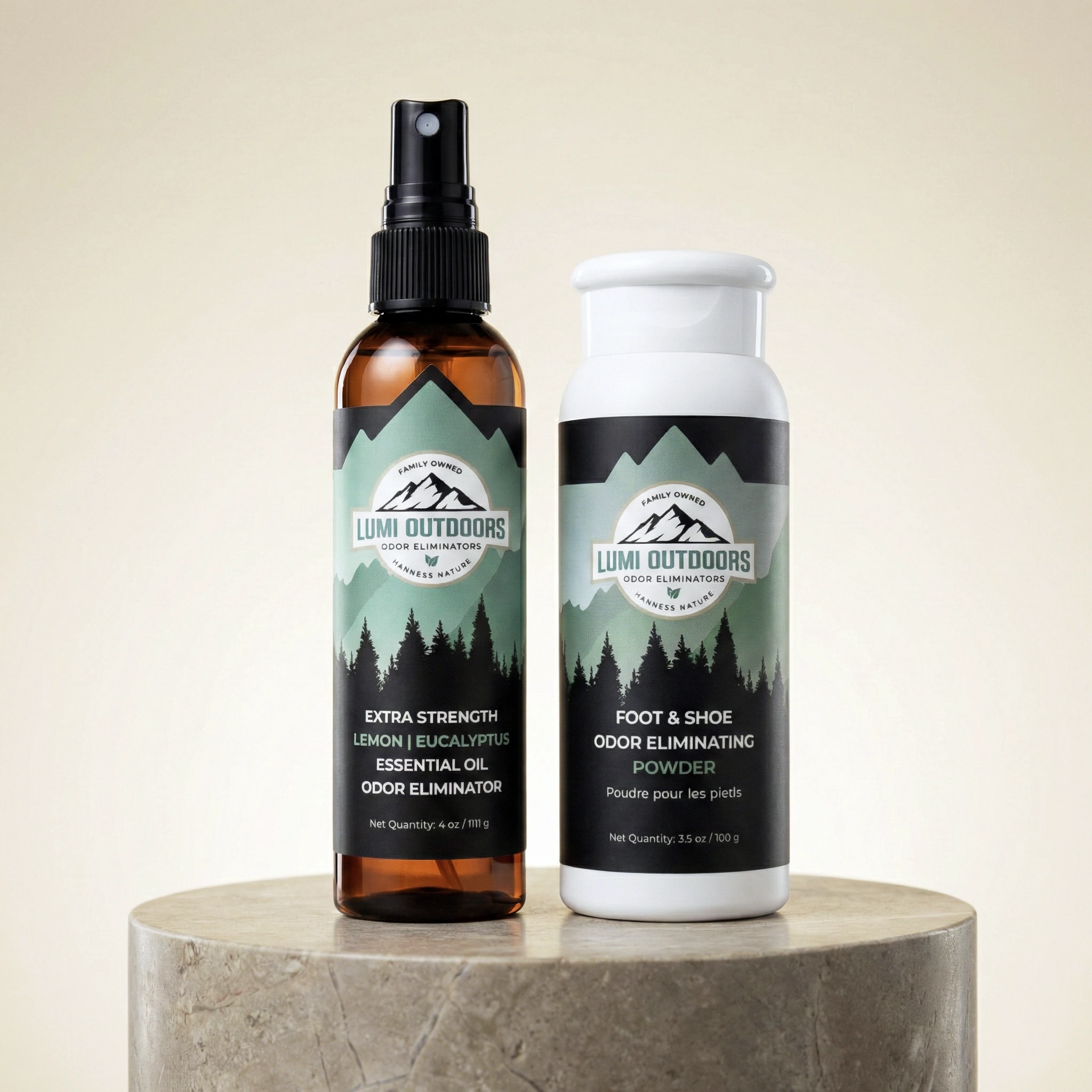
Join 1 Million+ Other People Who Chose Lumi to Conquer Their Shoe Odor.
- THE ULTIMATE 1-2 PUNCH AGAINST ODOR
- A COMPLETE KIT FOR SHOES, BAGS & GEAR
- PROUDLY FAMILY-OWNED & MADE IN UTAH
- THE "FRESH CONFIDENCE" GUARANTEE