
The 'Locker Room' Protocol to Deodorize Hockey Skates After a Tournament
- Act Within 60 Minutes Spraying the skate interior right after the game—while the liner is still warm—stops odor compounds from bonding with the foam before they set in.
- Air-Drying Alone Won't Cut It The skate surface dries first, but the dense foam liner holds moisture and odor long after the outside feels dry—you need a spray that neutralizes, not just absorbs.
- Consistency Beats Deep-Cleaning A simple spray-and-dry habit after every game prevents odor from accumulating and protects the boot liner material over the life of an expensive skate.

You already know the smell. You don't even have to open the bag all the way—just crack the zipper and it hits you like a wall. After a weekend tournament, your kid's hockey skates don't just smell bad. They smell like something died in there and decided to set up camp.
You're not alone in this. Parents of hockey players across the country are fighting the same battle every Monday morning. The skates come home, the bag gets dropped by the door, and suddenly your entire entryway smells like a locker room at a summer camp that lost its cleaning staff. It's embarrassing when anyone comes over. It's frustrating when nothing seems to fix it. And if you've been relying on air-drying alone, here's the hard truth: it's not working fast enough.
This guide walks you through the exact protocol that actually works—the one that stops the odor before it sets in, keeps skates fresh between games, and protects your investment in gear that cost you several hundred dollars.
Why Do Hockey Skates Smell So Bad After a Tournament?
Hockey skates smell intensely after tournaments because the boot liner absorbs massive amounts of sweat over multiple games, and without immediate intervention, that trapped moisture becomes a breeding environment for the odor-producing compounds that make the stench nearly permanent.
Think about what a tournament actually puts those skates through. Two, sometimes three games in a single day. Each game is an hour of hard skating. The foot inside that boot is essentially wrapped in a sealed, insulated chamber with nowhere for heat or moisture to go.
The inner boot of a hockey skate—especially a higher-end skate with a heat-moldable liner—is dense foam and fabric designed to conform tightly to your foot. That's great for performance. It's terrible for drying out. The CDC has documented how enclosed, moist environments accelerate the breakdown of organic compounds—and inside a hockey skate after three periods of play, you've got the perfect storm. Sweat soaks into the liner, the blade holder traps moisture underneath, and the tongue folds over and seals everything in.
By the time the tournament is over and the skates hit your car trunk, the odor process is already running. Air-drying at home can take 24 to 48 hours in ideal conditions. Most of us don't have ideal conditions. We have mudrooms, garages, and entry closets—which are good at one thing: holding smells in.
Why Doesn't Air-Drying Actually Work?

Air-drying alone fails to deodorize hockey skates because it addresses moisture but not the odor compounds already embedded in the liner—by the time the skate is visually dry, the smell has already set deep into the foam and fabric.
This is the part that trips up a lot of hockey parents. The skate feels dry. You stick your hand in, nothing feels wet. But the smell is still there. Sometimes it's actually worse the next day.
Here's why: the surface dries first. The liner foam and the inner stitching hold moisture much longer. And while you're waiting for the inside to dry, the odor compounds from the sweat are bonding with the material itself. You're not just dealing with wet gear anymore. You're dealing with odor that has soaked in.
Baking soda is the next thing most people try. Sprinkle it in, let it sit overnight, shake it out. And it does absorb some moisture. But it doesn't neutralize the odor compounds already in the fabric. It's like putting a dehumidifier in a room that already smells—you might pull some moisture out, but the smell stays right where it is.
Dryer sheets stuffed in the toe? That just adds a fake floral note on top of the existing smell. You end up with something that smells like a meadow inside a locker room. Not an improvement.
Freezing the skates is another popular suggestion. The idea is that cold temperatures neutralize odors. What it actually does is temporarily suppress them. Pull the skates out of the freezer, let them warm up for an hour, and the smell comes right back.
And washing the skates in a machine? Don't. The heat and agitation can warp the boot, damage the blade holder mounting points, and compromise the heat-mold fit you paid good money to achieve. If you've ever wondered why your expensive skates started feeling wrong after a few months, this might be why. (For reference on what machine washing does to performance footwear, check out our guide on why machine washing performance shoes is a losing strategy.)
The real problem is that most home remedies treat the symptom—the wet feeling—instead of the actual cause, which is odor compounds that need to be neutralized, not just dried out.
Most people spray the toe box and call it done—but the worst odor in a hockey skate lives in the heel cup and along the inner ankle padding, where sweat pools and the foam is densest. Tilt the skate forward after spraying the toe, then hold it upside down and spray directly into the heel area with the tongue folded all the way back. That 10-second extra step hits the spots that cause the lingering smell most deodorizing routines completely miss.
What Actually Works to Deodorize Hockey Skates Fast?
The most effective method to quickly deodorize hockey skates is a two-step approach: immediately spray the liner with a plant-based odor-neutralizing spray right after the game, then use skate-drying tools to pull remaining moisture out within the first 12 hours.
The key word there is immediately. Most parents wait until they get home, unpack the bag, and notice the smell. By that point, you've given the odor compounds several hours to bond with the liner. You want to intercept them before that happens.
The spray does something baking soda can't: it neutralizes odor molecules on contact rather than just absorbing moisture. A quality natural spray—made with plant-derived essential oils—interacts with the odor compounds directly and breaks them down. Then the drying process removes what's left.
If you're the type of parent who wants to be fully prepared—and after one tournament weekend, you will be—the Lumi Outdoors Variety Bundle | 3-Pack (Lemon Eucalyptus, Citrus, Lavender) is exactly what you need. The Extra Strength Lemon & Eucalyptus formula handles the heavy-duty post-game work on the skates. The Citrus and Lavender sprays are perfect for the rest of the bag—pads, gloves, helmets. Keep one in the rink bag, one at home, one in the car. Tournament weekends become a lot more manageable when you're not scrambling for the right product.
Stopping odor before it sets is the whole game. If you want to break the cycle of stinky skates for good, this is what it takes:
What You'll Need
- Skate boot dryer or dry newspaper for stuffing
- Microfiber towel for wiping down the boot interior
- Natural Citrus Tea Tree Shoe Deodorizer Spray Check Price →
- Mesh gear bag or open rack for overnight airing
What Is the Step-by-Step Locker Room Protocol for Skate Deodorizing?
The locker room protocol is a five-step post-game routine completed within the first hour after skating that prevents odor from setting into the boot liner—making it far more effective than any treatment applied the next day.
This is the routine. It takes about five minutes. And if you do it consistently, it changes everything about how your gear smells by the following weekend.
Step 1: Spray Immediately After the Game (The 60-Minute Window)
The moment the skates come off, open them up as wide as possible. Loosen the laces completely and fold the tongue back so the inside of the boot is exposed. Then spray your Lumi Outdoors Lemon Eucalyptus shoe spray directly into the boot—a few pumps into the toe box, a couple along the side walls, and one directly into the heel cup. You want coverage, not saturation.
Do this at the rink, in the car, or the second you get home. The 60-minute window after skating is when the liner is warmest and most receptive. The spray penetrates further and works faster when the material is still warm from use.
Step 2: Use Boot Dryers (Not Just Open Air)
Skate boot dryers are a legitimate investment if your household has one or more hockey players. They circulate warm air through the interior of the boot and cut drying time from 36+ hours down to 6-8 hours. Position the dryer nozzles inside each boot with the skate laces fully open.
No boot dryer? Stuff the toe box firmly with dry newspaper. Newspaper is surprisingly effective at pulling moisture out from deep inside foam liners. Change it out after 2-3 hours and replace with a fresh batch. This alone makes a noticeable difference.
Step 3: Store Open, Not Zipped
The hockey bag is a sealed odor chamber when zipped up. After spraying and setting up the dryers, leave the bag unzipped overnight with the skates out and the rest of the gear separated and spread open. If you can hang pads on a rack or drape them over a chair, do it. Airflow is free—use it.
Step 4: Address the Bag Itself
The bag absorbs odor too. A couple of pumps of a natural room spray inside the empty bag goes a long way. The Lumi Outdoors Peppermint Vanilla Room Spray is great here—it neutralizes the built-up smell in the lining without leaving a synthetic chemical scent behind. Leave the bag open and let it air out before repacking anything.
And if the smell has spread beyond the gear and into your entryway or mudroom, a few spritzes of the Lavender Vanilla or Lemon Vanilla room spray handles that too. For tips on dealing with stubborn smells that work their way into enclosed home spaces, this article on why basement smells are harder to fix than you think is worth a read.
Step 5: Repeat Before the Next Game
Before repacking for the next game or practice, give the skate interiors one more light spray. This is your maintenance layer—it keeps the liner fresh going into the next session rather than starting from scratch every time. This two-spray habit (post-game and pre-game) is what separates skates that smell manageable from skates that clear out locker rooms.
How Do Natural Sprays Compare to Aerosol Fresheners for Hockey Skates?
Natural plant-based sprays outperform aerosol fresheners on hockey skates because they neutralize odor compounds rather than masking them, and they're safe for the foam and fabric liners that aerosol propellants can break down over time.
We compared natural spray against the big-brand aerosol fresheners head-to-head over a full hockey season. The difference isn't subtle—it shows up fast and it compounds over time.
| Feature | Natural Citrus Tea Tree Shoe Deodorizer Spray | Big-Brand Aerosol Freshener |
|---|---|---|
| Odor Neutralization | Neutralizes odor compounds at the source | Masks with synthetic fragrance temporarily |
| Safe for Skate Liner Materials | Yes—plant-based, no harsh solvents | Aerosol propellants can degrade foam over time |
| Scent After Application | Clean, natural essential oil scent that fades | Heavy synthetic fragrance that lingers |
| Safe Around Kids | No parabens, phthalates, or harsh chemicals | Contains synthetic chemicals and propellants |
| Value for Multi-Gear Households | 3-pack covers skates, pads, bag, and home | Single-use aerosol, gear-specific limitations |
Beyond performance, there's a material safety angle that most people don't think about. High-end hockey skate liners—especially on skates over $300—use foam composites and synthetic fabrics that are sensitive to certain chemical solvents. Some aerosol propellants and synthetic fragrance chemicals can degrade those materials with repeated use. You paid a lot for those skates. The deodorizer you use shouldn't be shortening their lifespan.
Natural sprays based on plant-derived essential oils—like eucalyptus and citrus—are chemically gentle on materials while still being highly effective at neutralizing odors. The same approach works across all kinds of performance footwear, from hockey skates to youth football cleats to running shoes.
How Do You Maintain Hockey Skates Long-Term So Odor Doesn't Come Back?

Long-term skate freshness requires a consistent weekly routine—not just post-tournament damage control—that includes regular spraying, proper storage, and occasional deep airing of the boot liner.
The parents who win this fight aren't doing anything fancy. They're just consistent. Here's what a good weekly routine looks like during a hockey season:
- After every practice or game: Spray the interior, open the boot fully, and set skates out to air dry away from the bag.
- Once a week: Take everything out of the bag and let the bag itself air out for at least a few hours.
- Before repacking: Light spray in the skate interior and one quick spray inside the bag.
- Every 3-4 weeks: Wipe down the interior of the boot with a damp cloth to remove any residue buildup, then spray and dry thoroughly before the next use.
That's it. The whole routine takes maybe 10 minutes across a week. And it keeps skates in a state where they're never accumulating the kind of deep-set odor that takes days to fix.
The approach here is the same logic that applies to all performance footwear care—small, consistent habits beat reactive deep-cleaning every time. If you want to see how this plays out with other types of athletic shoes, our guide on safely deodorizing foam-cushioned running shoes covers the same principles.
Nothing's perfect, and we'll be honest about that. Here's the straight breakdown of what this approach does well and where it has limits:
- Neutralizes deep-set post-tournament skate odor fast—within the first treatment
- Plant-based formula is safe for expensive foam liners and heat-molded boot materials
- Three-pack variety means you always have the right spray for the right job
- Doubles as a room and gear bag spray, so one product solves multiple odor problems
- Consistent use actually prevents odor buildup rather than just treating it after the fact
- Requires consistent application after every skate—skipping sessions allows odor to re-accumulate
- Very deep-set odor in neglected skates may need 2-3 treatment cycles before the liner fully resets
When you follow this protocol consistently, the difference is real. The skates don't just smell tolerable—they actually smell clean. And that means you get more life out of expensive gear, a fresher home, and one less thing to dread about tournament weekends.
Tired of your entryway smelling like a locker room every tournament weekend?
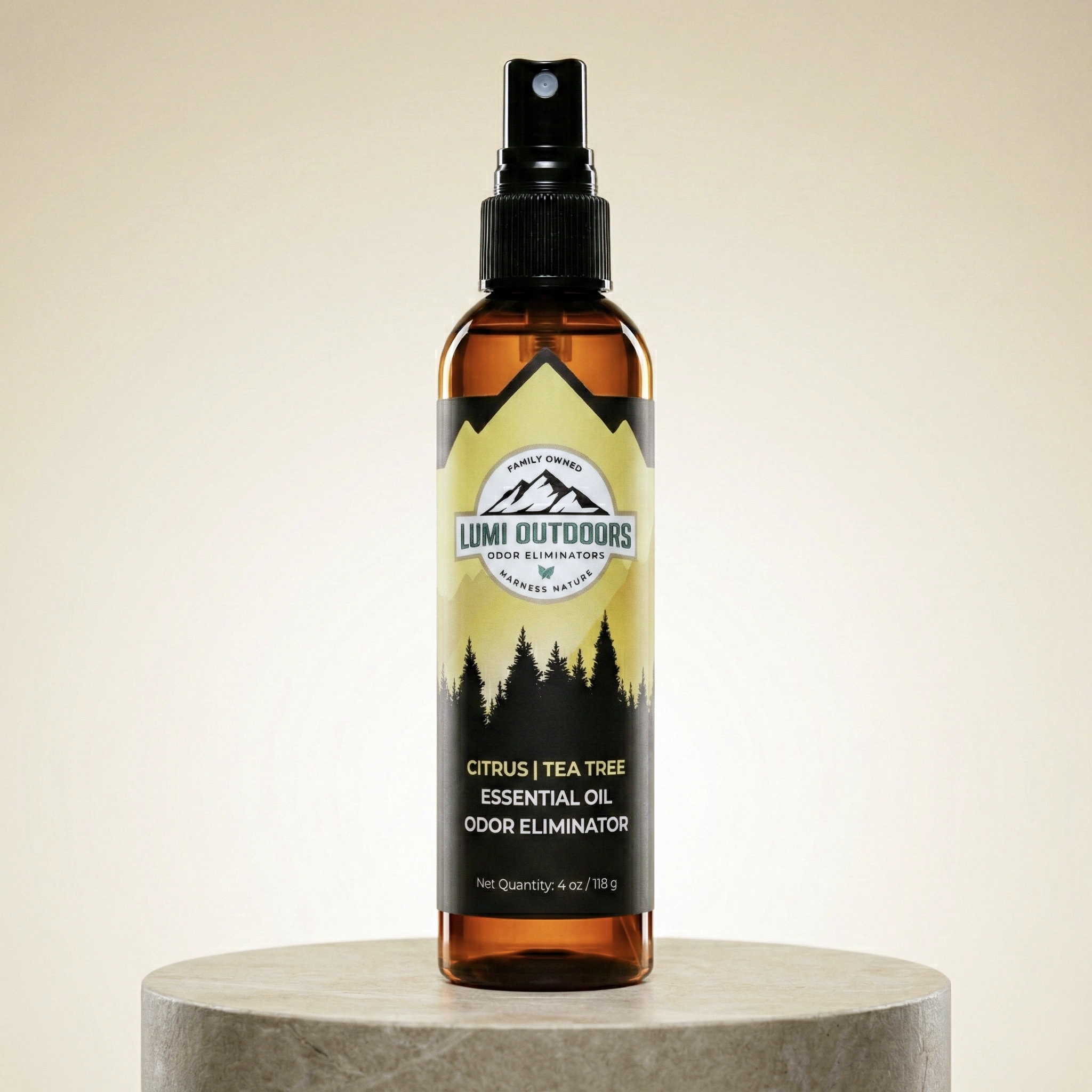
Join 1 Million+ Other People Who Chose Lumi to Conquer Their Shoe Odor.
- DESTROYS ODOR AT THE SOURCE, DOESN'T JUST MASK IT
- ALL-NATURAL & PLANT-BASED INGREDIENTS
- PROUDLY FAMILY-OWNED & MADE IN UTAH
- THE "FRESH CONFIDENCE" GUARANTEE