
Stop Diaper Pail Stink With This Non-Toxic Nursery Spray
- Stop the Masking Standard air fresheners use synthetic chemicals to mask odors, which can irritate developing lungs.
- Molecular Neutralization Natural sprays use essential oils to physically break down odor molecules at the source.
- Nursery-Safe Formula A plant-based spray is safe for fabrics, nursery gear, and the air your baby breathes.

You’ve done the hard part. You braved the "blowout," wrestled the wiggly toddler, and successfully deposited the offending diaper into the high-tech, supposedly airtight pail. You even took the trash out to the curb. So why, when you walk back into the nursery, does it still smell like a soggy gym locker?
It’s frustrating. You spend a fortune on cute organic crib sheets and designer wallpaper, only for the whole vibe to be ruined by a lingering cloud of "Eau de Toddler." Most of us reach for that bright-colored aerosol can under the sink without thinking. We want that smell gone, and we want it gone fast. But here's the thing: that floral "linen mist" isn't actually fixing anything. It’s just starting a chemical war in your baby's room that nobody wins.
Why Does the Nursery Smell Even After the Diaper Pail Is Empty?
Nursery odors persist because porous materials like plastic diaper pails, carpets, and curtains absorb volatile organic compounds from waste. Even when the source is removed, these molecules remain trapped in the fibers and surfaces of the room.
Plastic is surprisingly thirsty. Even the most expensive diaper pails are made of materials that soak up odors over time. If you’ve ever left leftovers in a plastic container for too long, you know exactly what I’m talking about. The smell literally becomes part of the bucket. Then there’s the carpet, the nursing chair, and even the stuffed animals. They all act like giant sponges for those tiny, stinky molecules.
When you spray a standard grocery store air freshener, you aren't removing those molecules. You’re just coating your own nose. These sprays use "masking agents" and "nerve-deadening" chemicals that basically tell your brain to ignore the bad smell because there’s a massive hit of synthetic lavender in the way. It's a temporary fix that leaves the air heavier and more irritating than it was before. For a newborn with developing lungs, that’s a trade-off that just doesn't sit right.
If you're tired of the "smell cover-up" and want a room that actually feels clean, you don't need a stronger chemical. You need a different approach entirely. You just need a bottle of this:
What You'll Need
- Microfiber Cloth
- Electric Floor Fan
- Orange Clove Room Spray Check Price →
- Activated Charcoal Bag
Are Traditional Air Fresheners Safe to Use Around Newborns?
Traditional aerosol air fresheners often contain phthalates and volatile organic compounds (VOCs) that can irritate a baby's sensitive respiratory system. These synthetic fragrances are designed to linger in the air, increasing the chemical load in a small, enclosed nursery.
We often think of "fresh" as a specific scent—like a mountain breeze or a field of flowers. But in reality, fresh shouldn't smell like a laboratory. Many common household sprays release VOCs that can trigger coughing or even skin irritation in infants. According to the Environmental Protection Agency (EPA), indoor air can be significantly more polluted than outdoor air, and synthetic fragrances are a huge contributor to that.
When you spray those aerosols, you’re filling a small room with a fine mist of chemicals that eventually settle on everything—the crib rails your baby chews on, the rug they crawl on, and the clothes they wear. It’s a cycle of exposure that’s hard to break once you start. Instead of reaching for the pressurized can, look for something that uses plant power to break down the odor at the source.
Using something like the Orange Clove Room Spray changes the game. Instead of hanging in the air like a heavy curtain, the essential oils and natural enzymes work to actually neutralize the stink. It’s the difference between painting over a moldy wall and actually cleaning the mold off.
For a 'whole-room' refresh, lightly spritz the intake filter of your nursery's air purifier or a nearby floor fan. The airflow will carry the odor-neutralizing essential oils into every corner of the room much faster than a standard spray.
What Makes a Non-Toxic Nursery Room Spray Effective?
An effective non-toxic spray uses plant-derived essential oils and natural enzymes to physically bind to and neutralize odor molecules rather than just covering them up. Ingredients like citrus and clove have natural properties that help break down organic smells at a molecular level.
You might wonder how "just some plants" can handle the heavy lifting of a diaper pail. It comes down to chemistry. Essential oils aren't just for smelling nice; they contain complex compounds that interact with the air. For example, the oils in our Orange Clove Room Spray don't just sit on top of the odor. They latch onto the sulfur and nitrogen compounds (the stuff that makes poop smell like poop) and change their structure so they no longer trigger your "stink" receptors.
This is why natural sprays often feel "lighter." They do their job and then dissipate, leaving behind a faint, pleasant scent of real fruit and spice instead of a cloying, sugary perfume. It's a much more honest way to clean. Plus, you’re not just saving your nose—you’re saving your gear. Using a natural spray can help you extend the life of expensive nursery items by preventing odors from setting in permanently.
We compared our natural spray against the big-brand aerosols. The difference isn't just in the smell—it's in the chemistry.
| Feature | Orange Clove Room Spray | Big-Brand Aerosols |
|---|---|---|
| Odor Strategy | Neutralizes molecules | Masks with perfume |
| Ingredients | Plant-based oils | Synthetic VOCs & Phthalates |
| Respiratory Impact | Gentle & non-irritating | Can trigger sensitivities |
| Residue | Clean evaporation | Oily chemical film |
How Do You Use Essential Oil Sprays to Neutralize Diaper Odors?

To maximize effectiveness, spray the air and nearby surfaces from about 12 inches away, then use a fan to circulate the air and ensure the natural oils reach every corner of the room. For deep-set smells, lightly mist the inside of the empty diaper pail and wipe it down with a microfiber cloth.
If the smell is really stubborn, a quick spritz in the air might not be enough. Here is my "Pro-Parent" routine for a truly fresh nursery. First, empty the pail. While it’s empty, give the inside of the lid and the bottom of the bin a good spray. Take your microfiber cloth and wipe it down. This removes the "ghost" of diapers past that has settled on the plastic.
Next, tackle the surrounding area. Give the curtains or the rug near the pail a light mist. Don't soak them—just a gentle dusting of the spray will do. Finally, turn on your fan for five minutes. This helps move the essential oil molecules around the room so they can find and neutralize any floating odors. If you still feel like you need constant help, keep a charcoal bag near the base of the pail to soak up moisture between cleanings. Much like keeping sports gear fresh, consistency is the secret to a house that doesn't smell like a locker room.
Can You Use Room Spray on Other Nursery Fabrics?

Yes, high-quality natural room sprays are safe for most nursery fabrics, including rugs, curtains, and glider chairs, as long as you mist from a distance. Always test a small, hidden area first to ensure the essential oils don't react with specific delicate dyes.
The beauty of a plant-based spray is its versatility. You don't have to stop at the diaper pail. If the dog decided the nursery rug was the best place for a nap, or if the nursing chair is starting to smell a bit like spit-up, a quick spray can help. Since there are no harsh bleaches or synthetic dyes, it’s much gentler on your belongings.
I’ve used this on everything from the fabric bins in the changing table to the decorative pillows on the floor. It’s a relief knowing that if my toddler puts their face against the pillow I just sprayed, I don’t have to worry about what they’re breathing in. It just smells like a freshly peeled orange and a hint of warm clove. It’s comforting, clean, and—most importantly—safe.
Is the natural route perfect? Mostly, but it does require a bit of a mindset shift. Here's the honest breakdown:
- Actually removes smells instead of masking them
- Safe for newborns and sensitive respiratory systems
- Uses real essential oils for a sophisticated scent
- Versatile enough for bathrooms and kitchens too
- Non-aerosol spray is better for the environment
- Natural scent is subtle and doesn't linger as long as synthetic perfumes
- Requires a few sprays to tackle heavy 'blowout' odors
At the end of the day, your nursery should be a place where you can actually breathe deep and relax. You shouldn't have to hold your breath every time you go in to rock your baby to sleep. By ditching the chemical aerosols and switching to a plant-based neutralizer, you’re creating a healthier environment for your little one and a much more pleasant one for yourself. No more masking, no more "perfumed poop" smell—just actual, real freshness.
Ready to finally clear the air in the nursery?
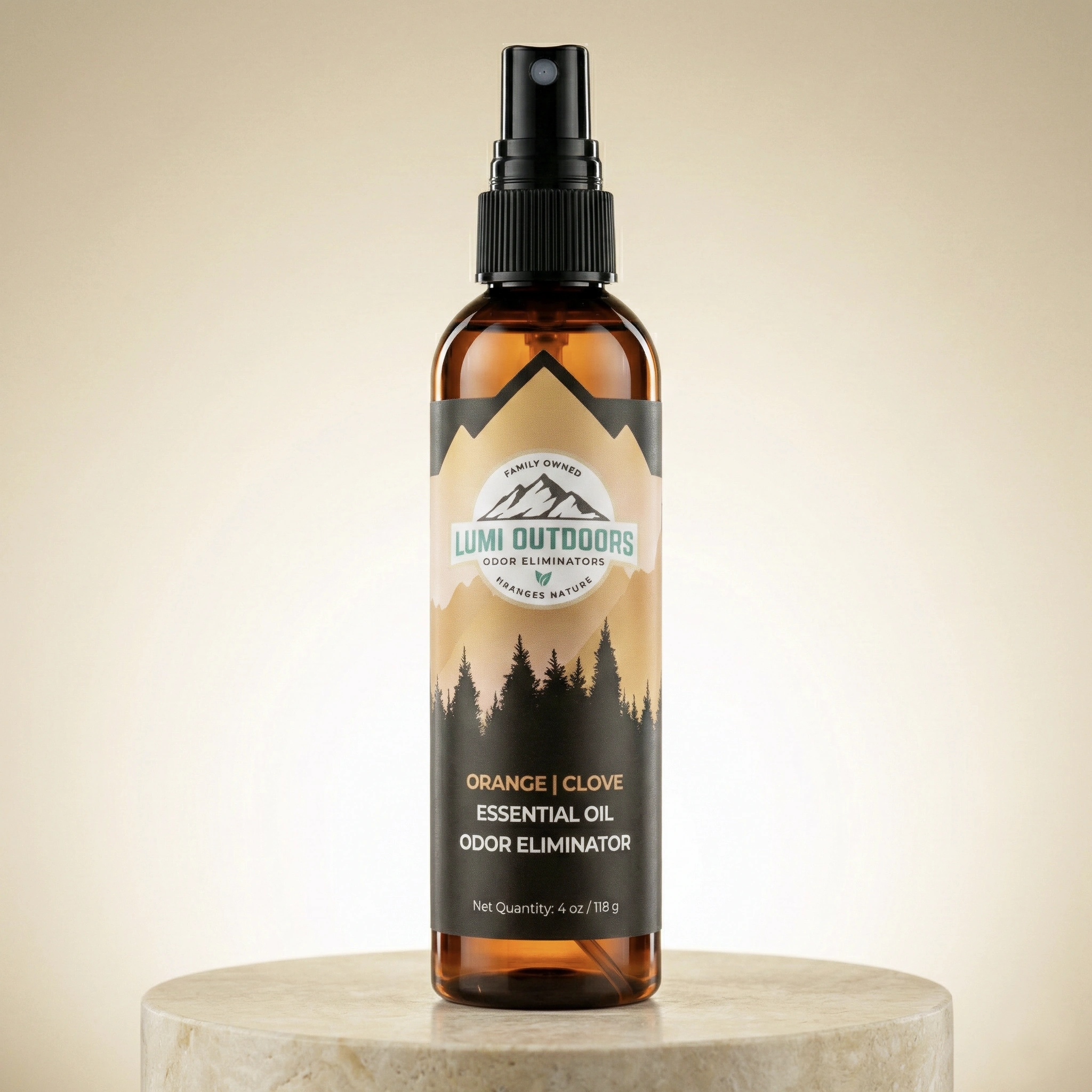
Chemical air fresheners just cover up odors with a synthetic fog. Our Natural Odor Eliminating Room Spray does things differently. Made with...
- ELIMINATES AIRBORNE ODORS, DOESN'T JUST MASK THEM
- NATURAL AROMATHERAPY & PLANT-BASED INGREDIENTS
- PROUDLY FAMILY-OWNED & MADE IN UTAH
- THE "LOVE YOUR SPACE" GUARANTEE