

My Kid's Cleats Smell After One Game — Is That Normal?
- Yes, it's normal Synthetic cleat materials trap sweat with no airflow, creating a warm, damp environment where odor-causing bacteria multiply rapidly — even after a single game.
- Act within 30 minutes Pulling cleats out of the bag immediately and treating them right after the game is more effective than any product used hours later.
- Fix the habit, not just the shoe Moisture control — through drying technique, sock choice, and a powder or spray — stops the smell at the source before it bakes into the material.

Yes, it's completely normal — and it's not about hygiene. Soccer cleats are made from non-breathable synthetic materials that trap sweat with nowhere to go during 60+ minutes of high-intensity running. The warm, damp environment inside the shoe is ideal for odor-causing bacteria to multiply rapidly, which is why the smell hits hard after a single game.
Here's what's actually happening and, more importantly, how to stop it from making your car smell like a locker room.
Why Do Kids' Cleats Smell So Bad After Just One Game?
The stink after one game is caused by a perfect storm: synthetic, non-breathable materials, extreme heat and sweat output, and bacteria that thrive in exactly that environment. It's not a sign of poor hygiene — it's a design flaw in modern athletic footwear.
Most modern soccer cleats are built from polyurethane or thin thermoplastic synthetics. These materials are lightweight and durable, which is great for speed. But they offer essentially zero breathability compared to traditional kangaroo leather or full-grain calfskin. When your kid sprints for an hour, their feet produce a significant amount of sweat — and that moisture has nowhere to go except into the lining of the shoe.
That's the real problem.
The American Podiatric Medical Association notes that feet contain roughly 250,000 sweat glands — more per square inch than anywhere else on the body. Children and teenagers often have especially active sweat glands, which means the volume of moisture generated during a single 60-minute game can be substantial. Add in the fact that cleats have a narrow toe box with minimal airflow, and you've created an incubator.
According to an analysis of 6,916 verified customer reviews for Lumi Outdoors products, soccer cleats are the single most-discussed footwear type in the entire review set — mentioned in over 1.2% of all reviews, with parents of young athletes representing the largest buyer group by far. The "one game" smell is real, it's widespread, and it has a clear cause.
What's Actually Causing the Smell Inside a Cleat?
The odor itself comes from bromodosis — a condition where bacteria on the skin break down sweat into isovaleric acid and other volatile compounds that produce the characteristic sharp, sour smell. Synthetic cleat materials hold onto these odor molecules more aggressively than natural fibers, which is why the stink intensifies with each use.
The bacteria responsible — primarily Brevibacterium and Staphylococcus epidermidis — need warmth, moisture, and darkness to multiply. A cleat shoved into a sports bag immediately after a game checks every single box. The smell isn't random; it's a predictable biological reaction to a specific set of conditions.
Children's feet compound this for a few reasons. Their higher metabolic rate means they generate more body heat during activity. Many youth sports uniforms also come with thin cotton socks, and 100% cotton is the worst possible choice — it absorbs moisture but holds it against the skin rather than wicking it away. The result: a wetter shoe lining, faster bacterial growth, and a worse smell.
Synthetic fabrics also have a structural problem. Under a microscope, synthetic fibers have smooth surfaces that odor molecules physically bond to over time. Natural fibers like wool or cotton (worn properly with wicking synthetics) don't hold those bonds as tightly. This is why a pair of cleats that's been through a season can smell immediately upon putting them on — the odor molecules are baked into the material itself.
Worth knowing.
Most parents spray the cleats and immediately toss them back in the sports bag — that's the worst thing you can do. The spray needs airflow to work; sealed in a bag, it just creates a damp, eucalyptus-scented incubator. Spray, then leave the cleats sole-up on a hard surface with the tongue pulled open for at least 20 minutes before storing anywhere enclosed.
How Do You Actually Stop Cleat Odor After Every Game?

The two most important actions are immediate: pull the cleats out of the bag the second you get home and spray or treat them before the bacteria have time to colonize the lining. What you do in the first 30 minutes after a game determines whether the shoes stay wearable all season.
The single biggest mistake parents make is leaving cleats in a sealed sports bag overnight. That warm, enclosed environment lets bacteria multiply for hours. Even just leaving the bag open in the car doesn't help much — the goal is active drying, not passive waiting.
Here's a practical two-step approach that works for any synthetic athletic footwear:
- After the game: Remove cleats immediately. Spray the inside with a plant-based deodorizer spray and leave them sole-up in a ventilated space. Lumi's Extra Strength Shoe Deodorizer Spray is what I'd reach for here — it uses lemon eucalyptus oil to neutralize odor-causing bacteria, and the scent fades to neutral within about 10-15 minutes of drying.
- Before the next game: Sprinkle a moisture-absorbing powder inside the cleat. This creates a dry environment that slows bacterial growth during the game itself, before the smell even starts.
For drying the shoe properly, stuff the toe box — where moisture concentrates most — with crumpled newspaper. Newspaper is surprisingly effective; the paper fibers pull moisture out of the lining material. A boot dryer works even better if you have one, especially during a rainy fall season when cleats never fully air out between practices.
The free DIY option that genuinely works: baking soda. A tablespoon left inside each cleat overnight will absorb moisture and neutralize odor compounds. Shake it out before the next game. It won't last more than a day or two, but it's a solid emergency option when you're out of spray. For preventing odor in athletic shoes more broadly, consistent moisture control is the foundation of every method that works long-term.
Sock choice matters more than most parents realize. Switching from standard cotton athletic socks to a polyester-wool blend can meaningfully reduce moisture buildup inside the cleat. The merino wool component wicks sweat away from the skin; the synthetic component moves it outward. Less moisture in the shoe means slower bacterial growth and a weaker smell.
Should You Switch to Leather Cleats to Reduce the Smell?
Leather cleats — particularly K-leather or calfskin — do breathe significantly better than synthetic options, and the smell is generally less severe after equivalent use. But for most growing kids, the cost-benefit math doesn't work out: leather cleats run $150–$250+, and a child who outgrows them in four months won't get the long-term benefit.
K-leather (kangaroo leather) is still the gold standard for breathability and odor control. The natural fiber structure allows moisture vapor to escape rather than trapping it, and the material doesn't hold odor molecules the same way synthetic polymers do. Players who wear leather cleats consistently report less smell — review data from youth sports communities supports this, though the effect is relative, not absolute. Leather cleats still smell. Just less aggressively.
For most parents of kids in the 8–14 range, the practical answer is: stick with synthetics and manage the odor through habits and maintenance. The same principles that work for synthetic mesh running shoes apply directly to synthetic cleats — the material type changes the urgency, not the method.
If your teenager is a serious player who's done growing (or nearly so), a quality leather cleat is worth the investment. But the odor habits still matter. Even leather cleats will develop a chronic smell if they're regularly stuffed into a bag and ignored for 18 hours.
One more thing that's often overlooked: if the smell is unusually strong, persistent despite treatment, or accompanied by skin irritation or redness, it's worth a closer look. Persistent odor that doesn't respond to normal deodorizing can sometimes signal a skin condition. This guide on smelly feet infection symptoms covers the warning signs worth checking.
The bottom line: buy the synthetic cleats, replace them when they're outgrown, and put the money you saved into a consistent post-game treatment routine. That routine is where the real odor control happens — regardless of material.
Tired of cleats that reek after every game?
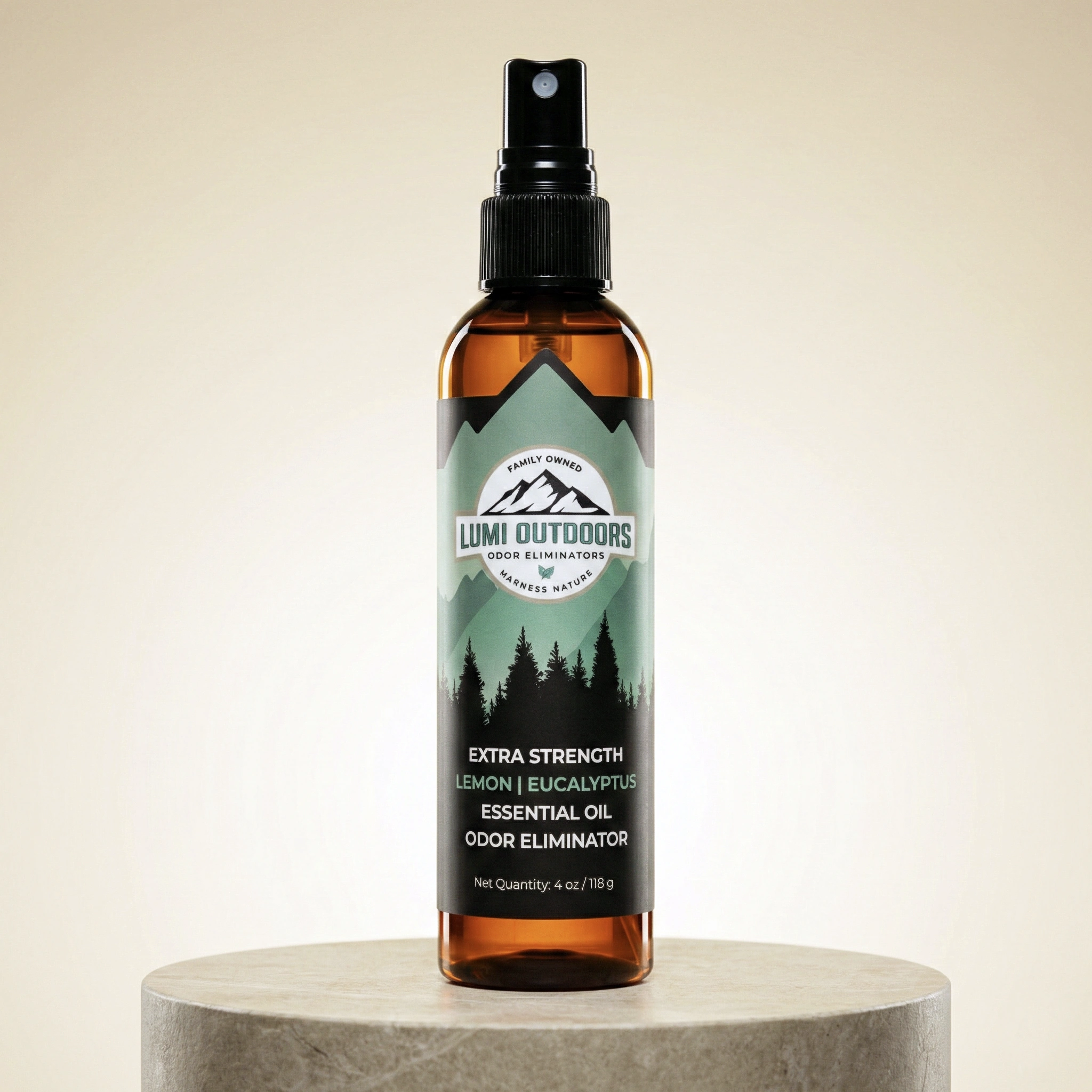
Join 1 Million+ Other People Who Chose Lumi to Conquer Their Shoe Odor.
- DESTROYS ODOR AT THE SOURCE, DOESN'T JUST MASK IT
- ALL-NATURAL & PLANT-BASED INGREDIENTS
- PROUDLY FAMILY-OWNED & MADE IN UTAH
- THE "FRESH CONFIDENCE" GUARANTEE