
Does Isopropyl Alcohol Fix Shoe Odor? The Truth
- Avoid Damage Rubbing alcohol acts as a solvent that dissolves shoe glue and dries out leather.
- Better Alternatives Natural essential oils and enzymes neutralize odor without compromising shoe structure.
- Maintenance Matters Use cedar trees and microfiber cloths to manage moisture and dirt naturally.

If your favorite sneakers have developed a serious funk, you've probably searched for a quick household fix. You've undoubtedly seen the advice: just spray them with rubbing alcohol. In theory, it makes sense. Isopropyl alcohol targets the source of the smell, so it should work, right? It's one of those "hack" videos that pops up on your feed and looks like the ultimate life-saver for a parent dealing with a teenager's soccer cleats or a partner’s heavy work boots.
But here is the truth that most DIY blogs won't tell you: pouring 70% isopropyl alcohol into your shoes is one of the fastest ways to destroy them. Alcohol is a harsh solvent. It strips the natural oils out of leather, causing irreversible cracking. It aggressively attacks and dissolves the industrial adhesives that hold your midsoles and insoles together. You might neutralize the smell for a afternoon, but you are actively destroying a $150 pair of shoes to do it. Is a few hours of freshness really worth a trip to the shoe store for a replacement pair?
The frustration is real. You want a clean-smelling home, and you don't want to be "that family" at the front door where the guest has to hold their breath. But reaching for that brown bottle in the medicine cabinet is a gamble that usually ends in "shoe-icide."
If you want to eliminate the odor without melting the glue holding your shoes together, you need a purpose-built formula. You don't need a chemistry degree to fix this. You just need a solution that respects the materials of your footwear while actually handling the stink.
What You'll Need
- Cotton balls
- Microfiber cloth
- Extra Strength Shoe Deodorizer Spray Check Price →
- Cedar shoe trees
Can You Use Rubbing Alcohol to Get Rid of Shoe Odor?
Yes, rubbing alcohol can eliminate shoe odor because it evaporates quickly and dries out moisture, but it is highly likely to damage the materials and structural integrity of your footwear. Using it on high-performance sneakers or leather boots often leads to cracking, peeling, and glue failure.
I get it. When the smell coming from the mudroom feels like a physical punch to the face, you’ll try anything. Rubbing alcohol is cheap, it’s under the sink, and it feels "medical-grade." But shoes are complex. They aren't just pieces of fabric; they are a mix of foams, glues, treated leathers, and synthetic meshes. According to chemical solvent standards, isopropyl alcohol is designed to break things down.
When you spray alcohol into a shoe, it doesn't just "go away." It soaks into the layers. If you have expensive running shoes, like Hoka Clifton 9s, that alcohol can actually start to eat away at the foam midsole. You’ll notice the "bounce" starts to disappear. The shoe feels flat. You saved a few dollars on a spray, but you just killed the performance of a premium shoe.
Why Does Isopropyl Alcohol Damage Your Shoes?

Isopropyl alcohol damages shoes by acting as a powerful solvent that strips natural oils from leather and weakens the industrial adhesives holding the shoe components together. This leads to brittle materials, permanent cracking, and the eventual separation of the sole from the upper.
Think about your own skin. If you poured rubbing alcohol on your hands ten times a day, they’d be cracked and bleeding within a week. Now imagine your leather work boots. Leather is skin. It needs moisture and oils to stay flexible. Alcohol is the "anti-moisture." It sucks the life right out of the material. Before you know it, those Timberland PROs you spent a week's paycheck on are showing tiny white cracks that can’t be fixed.
Then there’s the glue. Most modern shoes are held together by heat-activated or chemical bonds. Alcohol is literally used in workshops to *remove* glue. Why would you want that inside your shoe? If you've ever had the sole of your shoe start "talking" (flapping open at the toe), there’s a good chance a harsh cleaner played a role.
I tested our natural spray against the big-brand aerosols and DIY alcohol mixes. The difference isn't just in the smell—it's in the chemistry. Here is how they actually stack up when you look at the long-term health of your shoes:
| Feature | Extra Strength Shoe Deodorizer Spray | Rubbing Alcohol (DIY) |
|---|---|---|
| Odor Elimination | Long-lasting natural enzymes | Temporary evaporation only |
| Leather Safety | Safe and non-drying | Causes cracking and peeling |
| Glue Integrity | Won't dissolve adhesives | Acts as a solvent/melts glue |
| Scent Quality | Real Lemon & Eucalyptus oils | Harsh chemical fumes |
What Are the Best Alternatives to Rubbing Alcohol for Smelly Shoes?
The best alternatives to rubbing alcohol are natural, enzyme-based sprays, moisture-absorbing cedar inserts, and proper ventilation. These methods address the root cause of the odor without using harsh solvents that compromise shoe durability.
You don't have to choose between a stinky house and ruined shoes. The first step is always preparation. Before you apply any solution, use a microfiber cloth to wipe away any loose dirt or dried sweat from the exterior and the opening of the shoe. This prevents you from just "sealing in" the grime.
For the internal funk, look for products that use essential oils like lemon, eucalyptus, and lemongrass. These don't just mask the smell with a fake "mountain breeze" scent; they actually change the environment inside the shoe so the odor can't thrive. It’s like the difference between opening a window and just spraying perfume in a stuffy room.
Another trick? Once you've treated your shoes, insert cedar shoe trees. They aren't just for fancy dress shoes. Cedar naturally pulls out moisture and helps the shoe keep its shape. If you're dealing with youth sports cleats, this is a total game-changer for making them last through the whole season.
Focus your cleaning on the 'vamp'—the area over the toes. This is where heat and moisture build up most, and it's where most people forget to spray. Pull the tongue back as far as possible to hit this spot directly.
Is It Safe to Use Isopropyl Alcohol on Leather or Suede?
No, it is not safe to use isopropyl alcohol on leather or suede as it causes immediate discoloration and permanent structural damage. Suede in particular will lose its soft texture and become stiff and matted after exposure to alcohol.
If you absolutely must use a liquid cleaner on a sensitive material, always start with a cotton ball. Dampen it slightly and do a "spot test" on a tiny, hidden area—like the inside of the heel or the edge of the tongue. Wait ten minutes. If the color changes or the material feels stiff, stop immediately.
For suede, alcohol is a nightmare. Suede is delicate. Once the fibers (the "nap") are soaked in alcohol, they often clump together. You'll end up with a bald, shiny spot on your shoes that looks like a grease stain. It’s much safer to use a dry brush and a specialized natural deodorizer that doesn't rely on heavy liquid saturation.
How Do You Properly Deodorize Sneakers Without Harsh Chemicals?

Properly deodorizing sneakers involves a three-step process: removing the insoles for separate cleaning, applying a natural enzyme-based spray, and allowing the shoes to air dry in a well-ventilated area away from direct heat.
Here’s the routine I use at home. First, pull those insoles out. That's where 90% of the sweat lives. Spray them down with a high-quality natural spray and let them dry separately. Then, spray the interior of the shoe. You don't need to soak it—a few mists of something like the Extra Strength Shoe Deodorizer Spray will do the trick.
Don't put them in the dryer! High heat is just as bad as alcohol for shoe glue. Just find a spot with good airflow. If you’re in a rush, put them near a fan, but never on a heater. This slow-drying process lets the natural ingredients do their work without stressing the materials.
One of our customers, Sarah, shared her experience: "My son's soccer cleats were so bad we had to leave them in the garage. I tried the alcohol trick and it worked for a day, but then the leather started peeling. I switched to Lumi and it actually fixed the smell without killing the shoes. Total lifesaver."
Nothing's perfect. Is the natural route a magic wand? It's close, but it does require you to be consistent. Here's what worked for us and what didn't:
- Completely safe for expensive leather and performance foam
- Eliminates the 'nuclear' smell of sports gear instantly
- 100% plant-based ingredients are safe for kids and pets
- Extends the life of your shoes by avoiding harsh chemicals
- The initial lemon scent is quite strong (though it fades to a fresh clean)
- Requires manual application compared to automated UV plug-ins
At the end of the day, you've spent a lot of money on your footwear. Whether it's your daily trainers, your work boots, or your kid's sports gear, those shoes are an investment. Using isopropyl alcohol is a "scorched earth" policy—it might kill the odor, but it takes the shoe down with it. Switching to a natural, high-performance spray is the smarter, safer way to keep your home smelling fresh and your gear in top shape.
Ready to eliminate shoe odor for good?
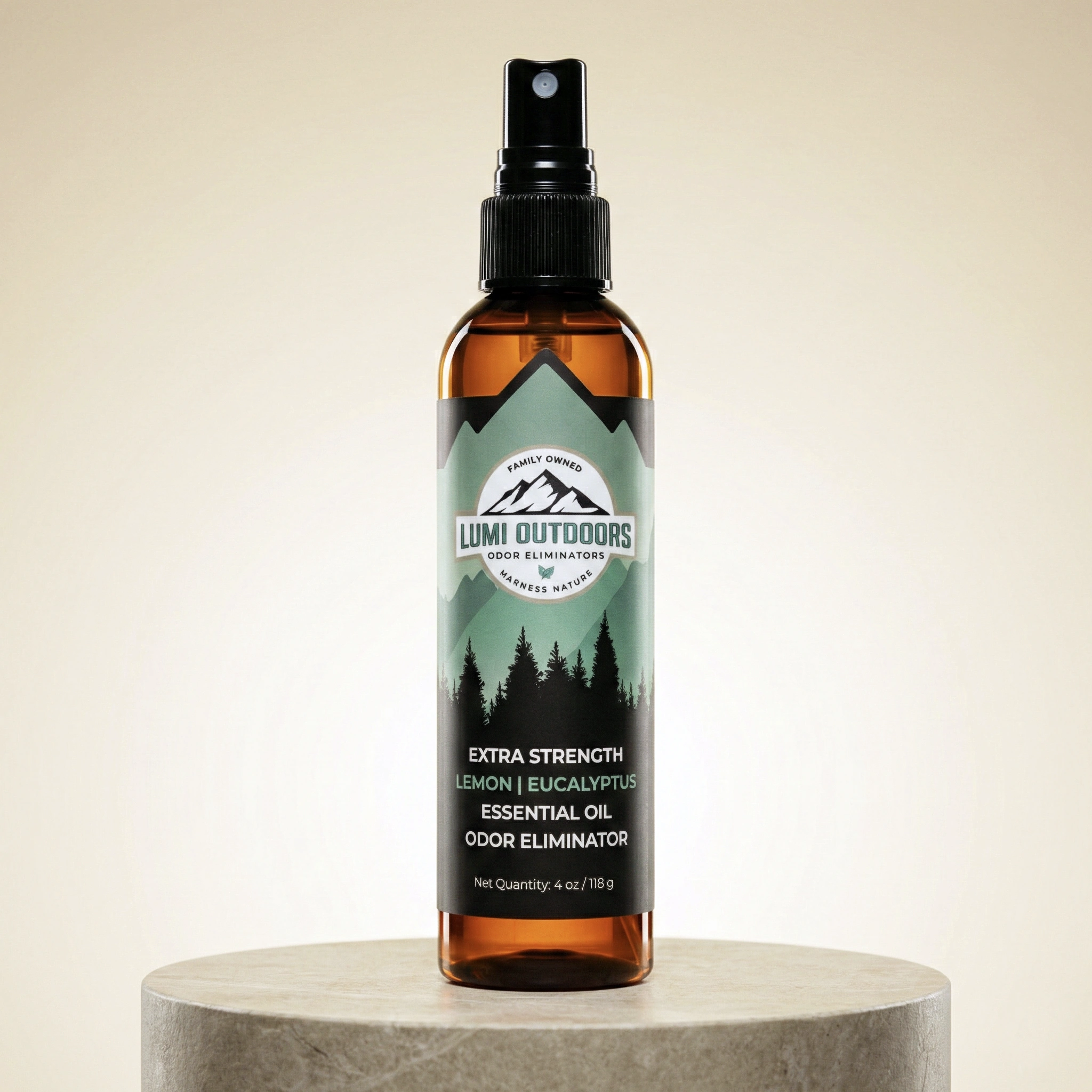
Join 1 Million+ Other People Who Chose Lumi to Conquer Their Shoe Odor.
- DESTROYS ODOR AT THE SOURCE, DOESN'T JUST MASK IT
- ALL-NATURAL & PLANT-BASED INGREDIENTS
- PROUDLY FAMILY-OWNED & MADE IN UTAH
- THE "FRESH CONFIDENCE" GUARANTEE