
Keep Your Feet Fresh and Your Cleats Odor Free with These 7 Cheap Methods
- Moisture is the Enemy Newspaper and baking soda are your best friends for removing the dampness that feeds odors.
- Prevention Wins Using powder before the game stops sweat from soaking into the shoe lining in the first place.
- Skip the Heat Dryers and radiators can warp your cleats, so always stick to air-drying in a breezy spot.

We’ve all been there. You open the trunk after a long weekend at the ballpark, and the smell that hits you is enough to make your eyes water. It’s not just a "sweaty" smell; it’s that deep, pungent funk that seems to seep into the very fabric of the car. If you’re a parent of a baseball player, you know that cleats are the worst offenders. They’re made of synthetic materials that don’t breathe, they get caked in mud, and they spend hours soaking up sweat in the summer heat.
The good news is that you don't have to throw those expensive cleats in the trash or keep them triple-bagged in the garage. You can save your nose (and your budget) with a few simple tricks. Most of these methods use things you already have in your pantry or laundry room. Let's look at how to reclaim your mudroom and keep those cleats from becoming a biohazard.
Why Do Baseball Cleats Smell So Bad?
Baseball cleats smell because the dark, damp environment inside the shoe allows odor-causing organisms to thrive on the sweat and skin cells left behind. Synthetic materials used in modern cleats often trap this moisture longer than natural leather, intensifying the scent.
It's helpful to understand what we're actually fighting. When your kid is running the bases, their feet are pumping out moisture. Because cleats are designed for durability and grip rather than airflow, that moisture has nowhere to go. According to experts at the Cleveland Clinic, this condition is often referred to as bromodosis. If you want to know more about the specifics, you can check out this guide on why your feet smell like corn chips.
You don't need a chemistry degree to fix this. You just need to control the moisture. If you want to stop the moisture before it starts, you need a heavy-duty absorber. This is the one we keep by the door:
What You'll Need
- Newspaper
- Baking Soda
- Natural Foot Powder Check Price →
- Microfiber Cloth
What Is the Best Way to Dry Cleats After a Game?

The best way to dry cleats is to remove the insoles and stuff the shoes with plain newspaper to soak up internal moisture. Always air-dry them in a well-ventilated spot away from direct heat sources like radiators, which can crack the synthetic materials.
I can’t stress this enough: never throw cleats in the dryer. The high heat can warp the plastic plates and ruin the adhesives holding the shoe together. Instead, grab that newspaper from the recycling bin. Scrunch it up into tight balls and shove them all the way into the toes. The paper acts like a sponge, pulling the dampness out of the fabric. Change the paper every few hours if the shoes are truly soaked from a rainy game. This is a classic "grandpa trick" that still works better than most high-tech gadgets.
Can Household Items Like Baking Soda and Newspaper Really Kill Odor?
Yes, household items are highly effective; baking soda neutralizes the acidic byproducts of odor-causing bacteria, while newspaper removes the moisture they need to survive. Using these two in tandem creates an environment where smells cannot easily return.
Baking soda is a staple for a reason. It’s cheap, safe, and it actually works on a molecular level. After you've removed the newspaper and the shoes are mostly dry, sprinkle a generous amount of baking soda inside. Give them a good shake to make sure it reaches the toe box. Let it sit overnight. In the morning, just tap the cleats together over a trash can to get the excess out. However, while it's great for a quick fix, it's not always enough for the long haul. You might find it interesting to read about why baking soda alone is sometimes a terrible shoe deodorizer for chronic issues.
Try the 'Insole Rotation' trick. Buy a second set of cheap insoles and swap them out between games. This gives the foam in each pair a full 24-48 hours to completely dry out and decompress, which drastically cuts down on trapped smells.
How Often Should You Clean Your Baseball Cleats?

You should perform a basic cleaning by wiping off mud and grass after every use, while a deeper deodorizing treatment should happen at least once a week during the season. Regular maintenance prevents the buildup of sweat and dirt that leads to permanent "stink."
Consistency is your best friend here. After the game, use a microfiber cloth or an old rag to wipe down the exterior. If there's caked-on mud, use a stiff brush to knock it off before it dries. When dirt gets into the pores of the synthetic upper, it blocks what little airflow the shoe has. If you stay on top of it, the "deep" smells never get a chance to settle in. Think of it like washing the dishes—it's much easier to do it right after dinner than to wait until the food is dried on like cement.
Does Freezing Your Cleats Actually Work for Smells?
Freezing cleats provides only a temporary reduction in odor because the extreme cold puts odor-producing organisms into a dormant state rather than removing them. Once the shoes warm back up to room temperature and encounter foot sweat again, the smell typically returns.
You'll see this tip all over the internet: "Just put them in the freezer!" While it's true that cold stops the smell for a minute, it’s a bit of a myth. As soon as your kid puts those cleats back on, the warmth and sweat "wake up" the odor. Plus, who really wants a pair of dirty baseball cleats sitting next to the frozen peas? It’s much more effective to use a natural spray that actually addresses the source of the scent rather than just chilling it out for a few hours.
I tested the natural route against those big-brand aerosols you find at the department store. The difference isn't just in the smell—it's in the chemistry.
| Feature | Lumi Natural Sprays | Big-Brand Aerosols |
|---|---|---|
| Ingredient Base | Essential Oils & Plants | Synthetic Chemicals |
| Scent Quality | Clean, Crisp, Natural | Heavy, Perfumey Masking |
| Skin Safety | Safe for bare feet | Can cause irritation |
| Odor Strategy | Neutralizes at source | Covers up with fragrance |
What Are the Most Effective Natural Deodorizers for Sports Gear?
Essential oils like lemongrass, eucalyptus, and peppermint are the most effective natural deodorizers because they provide a powerful, clean scent while cutting through heavy musk. Plant-based sprays are safer for skin contact and won't damage the delicate fibers of athletic gear.
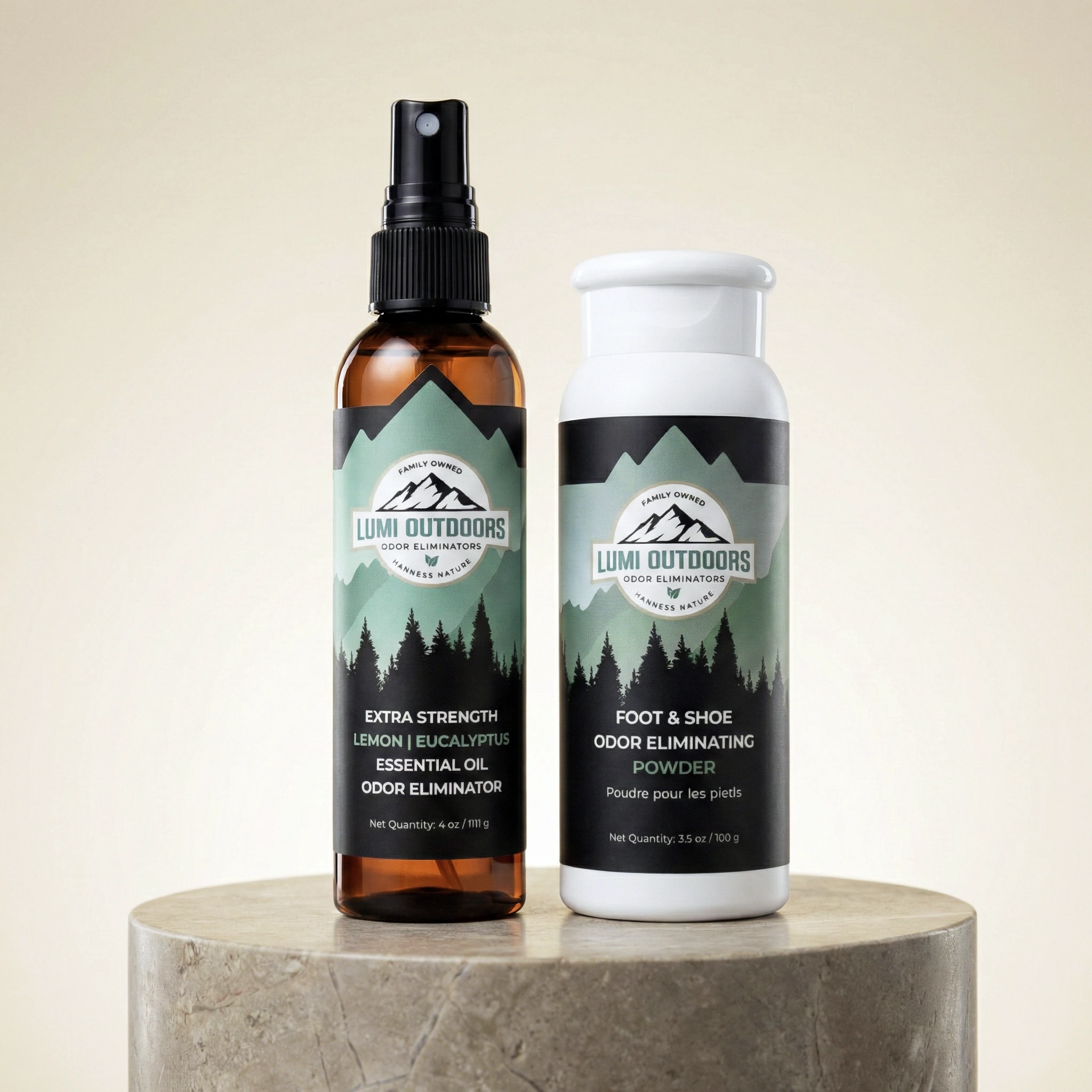
If you prefer a "set it and forget it" method, a high-quality spray is the way to go. Look for formulas that use essential oils rather than synthetic perfumes. Synthetic "linen" or "ocean breeze" scents usually just layer a fake smell on top of the funk, creating a weird, nauseating "minty-trash" aroma. Natural oils like the ones found in Extra Strength Shoe Deodorizer Spray actually tackle the problem. Just a couple of spritzes after the cleats have dried out will keep the bag from smelling like a locker room.
How Can You Prevent Odor Before the Game Even Starts?
To prevent odor before it starts, apply a talc-free foot powder directly to the feet or inside the socks to absorb sweat the moment it's produced. This proactive step keeps the interior of the cleat dry and prevents the moisture buildup that leads to smells.
The best defense is a good offense, right? If you can stop the sweat from soaking into the shoe's lining in the first place, you've won half the battle. This is where a good powder comes in. Have your player dust their feet before they pull on their socks. It keeps their feet feeling dry and prevents that "sloshy" feeling during a double-header. It also saves your socks from becoming stiff and crusty.
Nothing is perfect. Is the natural route always the easiest? Mostly, but it does require you to be consistent with it. Here's the honest breakdown of what you can expect when switching to these methods:
- Uses safe, plant-based ingredients for your family
- Actually neutralizes smells instead of masking them
- Extends the life of expensive sports footwear
- Cost-effective compared to replacing cleats mid-season
- Requires regular application to stay effective
- Doesn't work instantly on shoes that are already soaking wet
At the end of the day, managing baseball cleat odor is just part of the "baseball parent" job description. But it doesn't have to be a miserable one. By using a combination of moisture control (the newspaper trick), pH balancing (the baking soda), and a reliable natural spray, you can keep the gear in great shape for the whole season. Your nose—and your car's upholstery—will definitely thank you.
Tired of the post-game trunk funk?
Join 1 Million+ Other People Who Chose Lumi to Conquer Their Shoe Odor.
- THE ULTIMATE 1-2 PUNCH AGAINST ODOR
- A COMPLETE KIT FOR SHOES, BAGS & GEAR
- PROUDLY FAMILY-OWNED & MADE IN UTAH
- THE "FRESH CONFIDENCE" GUARANTEE