
How to Get Rid of Smelly Work Boots Permanently: A Step-by-Step Guide
- Dry is Die Moisture is the primary cause of odor, so drying your boots completely between shifts is the most important step.
- Enzymes over Aerosols Aerosols only mask smells, while natural enzymatic sprays break down the actual source of the stench.
- Rotation is Key Using two pairs of boots doubles their lifespan by allowing the leather to fully recover from daily sweat saturation.

You know that specific "hit" of smell when your partner pulls off their work boots after a ten-hour shift? It’s enough to clear a room. As a parent who’s dealt with everything from toddler blowouts to teen athlete sneakers, I can tell you that work boots are a whole different beast. They’re thick, they’re heavy, and they’re designed to keep things out—which also means they’re great at keeping moisture and smells trapped inside.
I’ve watched my husband try to "tough it out" with boots that smelled like a swamp, only to realize that ignoring the problem was actually ruining the expensive leather. It’s not just about the smell; it's about making those $200 boots last longer than six months. You don't need a degree in chemistry to fix this, and you definitely don't need to douse your gear in harsh chemicals that make your feet itch.
Why Do Work Boots Smell So Bad?
Work boots smell because the thick materials trap sweat and heat, creating a damp environment where odor-causing bacteria thrive on dead skin cells. Without proper airflow, this moisture remains trapped in the lining, leading to a permanent, concentrated stench.
Here’s the thing: your feet have more sweat glands per square inch than almost anywhere else on your body. When you're working hard in heavy leather or waterproof boots, that sweat has nowhere to go. It isn't just "stink"—it's a biological buildup. If you’ve ever wondered why your feet smell like corn chips, it’s usually because certain bacteria are having a field day in that dark, damp environment.
Most people make the mistake of just trying to cover it up with a cheap grocery store spray. But layering "artificial spring breeze" over "wet leather and sweat" just creates a new, even weirder smell. To actually fix it, you have to tackle the moisture and the source of the odor at the same time.
If you want to stop the moisture before it starts, you need a heavy-duty absorber. This is the one we keep by the door:
What You'll Need
- Soft-Bristled Shoe Brush
- Cedar Shoe Trees
- Natural Foot Powder Check Price →
- Newspaper for Stuffing
How Can You Dry Out Boots Quickly Without Damage?

To dry work boots safely, remove the insoles and stuff the boots with crumpled newspaper or use a dedicated boot dryer on a "no-heat" setting. Avoid direct heat sources like radiators, as high heat can crack leather and degrade the adhesives holding the sole together.
I learned the hard way that putting boots near a fireplace is a recipe for disaster. The leather gets brittle, and suddenly you're out a pair of boots. Instead, use a soft-bristled shoe brush to knock off any mud first. Mud holds moisture against the leather, keeping it damp longer. Once they're clean, pull those insoles out. The insole is where most of the sweat lives, and it needs its own space to breathe.
If you're in a pinch, stuffing newspaper for stuffing deep into the toes works wonders. It acts like a sponge for the humidity inside. Change the paper every few hours if the boots are truly soaked. For a more long-term solution, cedar shoe trees are worth every penny. They don't just hold the shape of the boot; the natural cedar wood absorbs moisture and leaves behind a faint, clean scent.
For stubborn 'hotspots' near the toes, dampen a cotton ball with a little rubbing alcohol and wipe the inside of the boot. It helps dry out deep-seated moisture and prep the surface for your deodorizing spray.
What Are the Best Natural Methods for Removing Boot Odor?

The most effective natural methods for removing odor include using enzymatic sprays that break down the smell at its source and applying talc-free powders to keep feet dry. Essential oils like eucalyptus, lemon, and tea tree are excellent for neutralizing odors without using harsh synthetic fragrances.
We’ve all heard that baking soda is the ultimate fix, but I’ve found it can be a bit of a mess. It can get cakey and hard to remove from the deep crevices of a work boot. There's a better way to use it, though. You can read about why baking soda alone is a terrible shoe deodorizer and how to use it smarter by putting it in a sock instead of directly in the boot.
But honestly? A high-quality spray is much easier. I prefer something that uses plant-based ingredients. My husband uses the Extra Strength Shoe Deodorizer Spray because it handles the "heavy lifting" odors that come from 12-hour shifts. You just spray it in at the end of the day, and the natural enzymes go to work while you're sleeping. No scrubbing required.
We compared our natural spray against the big-brand aerosols. The difference isn't just in the smell—it's in the chemistry.
| Feature | Extra Strength Shoe Deodorizer Spray | Generic Grocery Store Aerosol |
|---|---|---|
| Ingredient Base | Pure essential oils and plant enzymes | Synthetic fragrances and butane propellant |
| Residue | Clean finish, no chalky buildup | Sticky or powdery white residue |
| Odor Action | Neutralizes molecules at the source | Masks odor with heavy perfume |
| Safety | Safe for skin and pets | Warning labels for inhalation/flammability |
Can You Prevent Work Boot Odor Before It Starts?
Prevention starts with moisture management, such as wearing moisture-wicking wool socks and rotating between two pairs of boots to allow 24-48 hours of drying time. Applying a natural foot powder before each shift creates a dry barrier that prevents odor buildup.
It sounds expensive to buy two pairs of boots, but they’ll actually last more than twice as long because they get the chance to fully dry out. When leather stays damp day after day, it starts to rot. If you can’t do two pairs, then you need to be religious about your routine. Check out this guide on how to use foot powder for shoes to keep things bone-dry from clock-in to clock-out.
Another tip: stop wearing cotton socks. Cotton is a sponge for sweat. Switch to a merino wool blend. It sounds counterintuitive for summer, but wool actually pulls moisture away from your skin and helps it evaporate. It’s a total game-changer for foot comfort.
When Is It Time to Throw Away Smelly Boots?
You should discard work boots when the odor persists after multiple deep-cleaning attempts or when the interior lining begins to tear and trap debris. If the structural integrity of the boot is compromised or the smell has moved from the insole into the leather itself, it is time for a replacement.
Sometimes, a pair of boots is just "too far gone." If you’ve tried the sprays, the powders, and the deep cleans, and they still smell the second they get warm, the odor has likely penetrated the actual leather fibers. At that point, you’re fighting a losing battle. It’s better to start fresh and implement a solid maintenance routine with your new pair from day one.
Is the natural route perfect? Mostly, but it does require consistency. Here's the honest breakdown:
- Saves money by extending boot life
- Safe for the whole family and pets
- Smells like actual plants, not chemicals
- Works on the toughest professional gear
- Requires daily consistency for the best results
- Not a substitute for replacing physically rotting boots
At the end of the day, keeping your work boots from smelling isn't about one "magic" product. It’s a system. You dry them out, you use natural sprays like the Natural Citrus Tea Tree Shoe Deodorizer Spray for daily maintenance, and you keep your feet dry with powder. It takes about thirty seconds of effort when you get home, but it saves your nose—and your wallet—in the long run. If you're ready to tackle the whole family's footwear, I'd suggest The Variety Bundle | 3-Pack (Lemon Eucalyptus, Citrus, Lavender). It covers everything from the heavy-duty work boots to the kids' gym shoes.
Tired of the 'Work Boot Funk' taking over your mudroom?
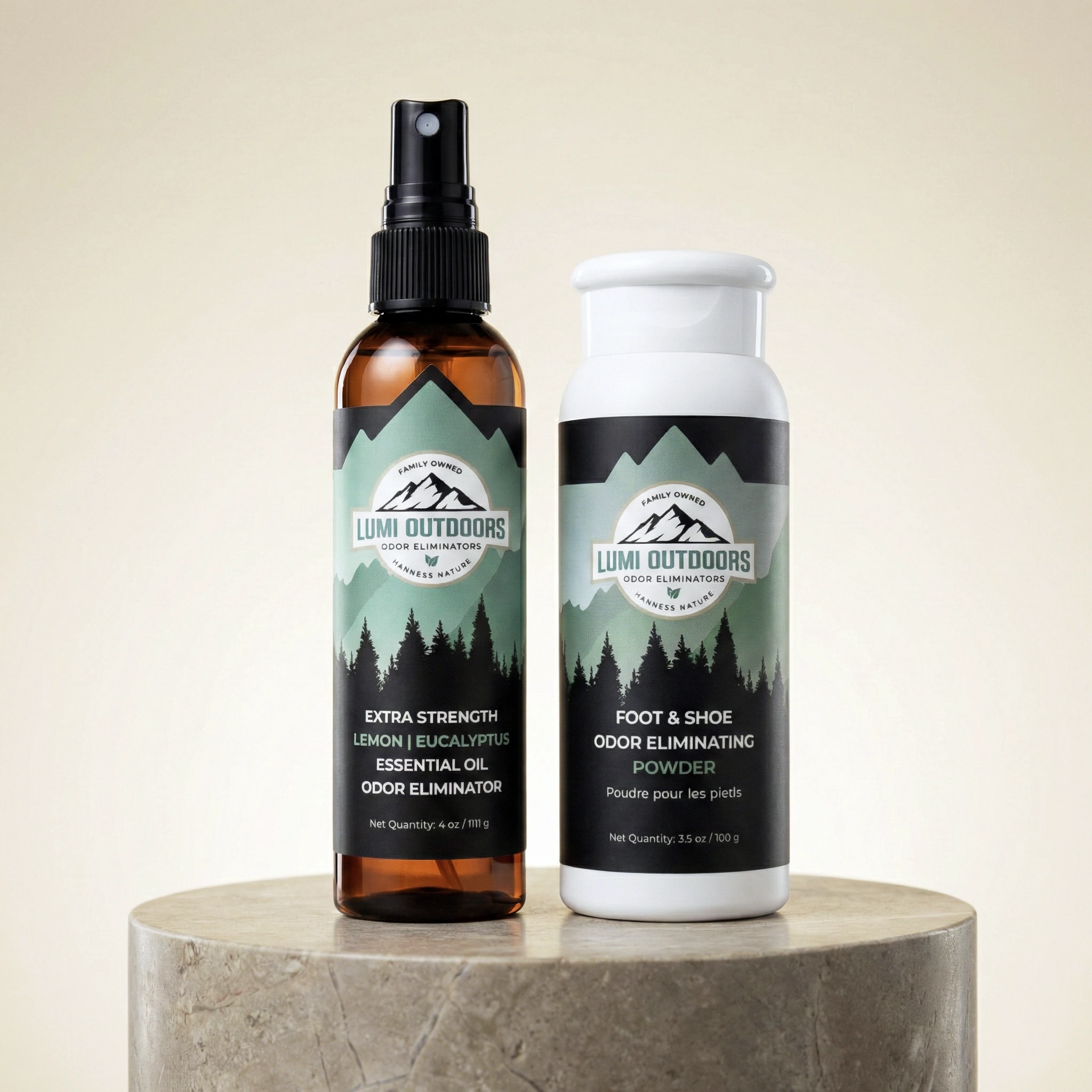
Join 1 Million+ Other People Who Chose Lumi to Conquer Their Shoe Odor.
- THE ULTIMATE 1-2 PUNCH AGAINST ODOR
- A COMPLETE KIT FOR SHOES, BAGS & GEAR
- PROUDLY FAMILY-OWNED & MADE IN UTAH
- THE "FRESH CONFIDENCE" GUARANTEE