
How to Deodorize Sports Gear Naturally (Without Damage)
- The Tech Trap Technical fabrics trap oils and skin cells that create persistent smells if not treated correctly.
- Moisture is the Enemy Drying gear immediately with newspaper or natural powders prevents odors from setting in.
- Skip the Heat Standard detergents and heat can seal odors into synthetic fibers rather than removing them.

I still remember the first time I realized my son’s soccer cleats weren't just "stinky"—they were a legitimate household biohazard. I’d left his gym bag in the trunk of the car for two days during a humid July weekend. When I finally opened that zipper, the smell didn't just drift out; it practically slapped me in the face. It was a mix of old gym socks, damp grass, and something that smelled suspiciously like a science experiment gone wrong.
If you’re the person in your house who handles the laundry, you know exactly what I’m talking about. Whether it’s cleats, yoga mats, or high-performance running shirts, modern sports gear has a way of holding onto smells that would make a skunk blush. And the worst part? Those expensive "tech fabrics" are actually designed in a way that traps odors deep inside the fibers. If you try to blast them with harsh chemicals or high heat, you end up ruining the very gear you spent a small fortune on.
So, how do we fix it without throwing everything in the trash? Here is the honest truth about getting the funk out of your gear using natural methods that actually work.
Why Does Sports Gear Smell So Bad So Fast?
The smell comes from sweat reacting with skin bacteria inside the warm, dark, and damp environment of your gear. Synthetic tech fabrics trap these odors more easily than natural fibers like cotton because their moisture-wicking pores provide a perfect hiding spot for odor-causing compounds.
It’s a bit of a cruel joke. The same technology that keeps your athlete dry and comfortable on the field is the same technology that makes their gear smell like a locker room. Tech fabrics are usually made of polyester or nylon blends. These materials are "hydrophobic," meaning they repel water, but they are "oleophilic," which means they love oil. The oils from your skin get trapped in the microscopic grooves of the fabric, and that’s where the smell lives.
According to experts at the Mayo Clinic, body odor itself isn't the problem—it's what happens when sweat meets the tiny organisms living on our skin. In the dark, damp cave of a sneaker or a gym bag, these organisms thrive. And because we often wait until the gear is dry to "deal with it," the smell has already moved in and unpacked its bags.
If you want to stop the moisture before it starts, you need a heavy-duty absorber. This is the one we keep by the door:
What You'll Need
- Baking Soda
- Newspaper
- Natural Foot Powder Check Price →
- Mesh Laundry Bag
Can You Wash Technical Fabrics in the Washing Machine?
You can wash most tech fabrics on a cold, gentle cycle, but you should never use fabric softeners or high heat. Heat and softeners break down the elastic fibers and clog the pores that allow the fabric to breathe, effectively sealing the odor inside.
Here’s a mistake I made for years: I thought more soap and hotter water meant cleaner clothes. It’s actually the opposite for sports gear. High heat can literally melt the thin synthetic fibers, and fabric softeners leave a waxy coating. That coating might smell like "Spring Meadow" for an hour, but it’s actually trapping the sweat and oils underneath it. It’s like putting a fresh coat of paint over a moldy wall.
Instead, try this:
- Turn everything inside out. The "gunk" is on the inside, so give the water direct access to it.
- Use a mesh laundry bag for smaller items or things with straps. This keeps them from getting stretched out or tangled.
- Add a half-cup of white vinegar to the rinse cycle. It helps break down those skin oils without damaging the tech.
But what about the gear you can’t just toss in the wash? You can’t exactly put a pair of $200 leather cleats or a hockey helmet through a spin cycle. That’s where the chemistry of natural ingredients comes in.
Use the Paper Towel Test to ensure gear is actually dry. Stick a dry paper towel deep into the toe of a cleat for 10 minutes; if it comes out even slightly damp, the odor-causing process is still active and needs more ventilation.
What Are the Best Natural Ingredients for Deodorizing Gear?

Baking soda, citrus oils, and tea tree oil are the best natural options for neutralizing odors without damaging expensive gear. These ingredients absorb moisture and break down the compounds that cause smells without leaving behind harsh chemical residues.
You don't need a chemistry degree to fix this. You just need a few basics that might already be in your pantry. Baking soda is the gold standard for a reason. It’s alkaline, which helps neutralize the acidic odor molecules. I like to keep a small jar of it in the mudroom. If the shoes are particularly bad, I’ll sprinkle a generous amount inside and let it sit overnight before shaking it out in the morning.
Then there are essential oils. Lemongrass, orange, and tea tree oils don't just smell good—they actually help clean the air and the surface of the fabric. Many "big brand" sprays use synthetic fragrances that just mask the smell. It’s like spraying perfume in a dumpster. Using a spray like the Natural Citrus Tea Tree Shoe Deodorizer Spray uses real plant oils to actually handle the problem.
We compared our natural spray against the big-brand aerosols. The difference isn't just in the smell—it's in the chemistry.
| Feature | Lumi Outdoors Natural Sprays | Standard Aerosol Sprays |
|---|---|---|
| Scent Profile | Real Citrus and Tea Tree Oils | Heavy Synthetic Perfumes |
| Ingredient Safety | Plant-based and Paraben-free | Contains Butane and Propane |
| Fabric Impact | Safe for Tech Fabrics | Can Clog Wicking Pores |
| Mechanism | Neutralizes at the Source | Masks with Fragrance |
How Do You Stop Shoe Odor Before It Starts?

The most effective way to prevent odor is to manage moisture immediately after use by using a talc-free powder and ensuring gear is dried in a well-ventilated area. Stopping the "damp phase" prevents the odor-causing process from ever beginning.
Prevention is always cheaper and easier than a cure. One of the best habits I’ve started is the newspaper trick. As soon as my kids come home from practice, we stuff their shoes with crumpled-up newspaper. It’s incredibly effective at pulling moisture out of the deep padding of a shoe. When the moisture is gone, the smell can’t grow.
For the feet themselves, using a Natural Foot Powder before putting on socks makes a massive difference. It keeps the feet dry so the sweat never even reaches the shoe fabric. You can also check out these 7 pro tips to stop stinky kids' feet if you’re dealing with a particularly "gifted" little athlete.
I also learned the hard way that scrubbing doesn't work. If you try to scrub a tech fabric while it's dry, you're just pushing the dirt and oils deeper. You have to treat the fabric with respect if you want it to last more than one season.
Is the natural route perfect? Mostly, but it does require consistency. Here's the honest breakdown:
- Zero harsh chemicals or synthetic gases.
- Safe for sensitive skin and kids' gear.
- Actually neutralizes odors instead of masking them.
- Extends the life of expensive technical fabrics and footwear.
- Powder can leave a white residue if you use too much.
- Natural methods require consistency to stay ahead of the smell.
At the end of the day, managing sports gear is just part of the "active family" tax. It takes a little more thought to do it naturally, but your gear will last longer, your house will smell better, and you won't be breathing in butane or synthetic mystery-fragrances every time you open the closet door. Whether you need a daily refresh or an extra-strength intervention for some work boots, going natural is the smartest move you can make for your gear and your family.
Ready to stop the locker room smell from taking over your home?
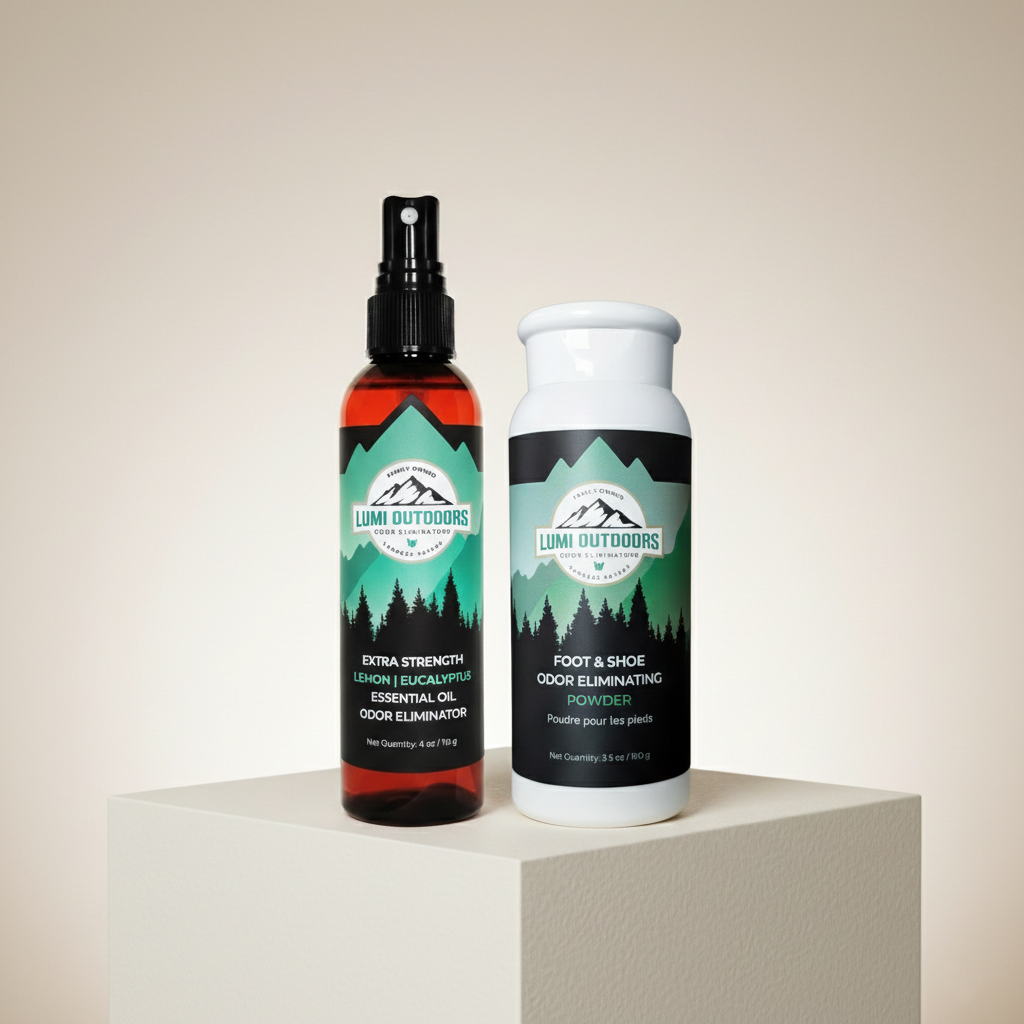
Join 1 Million+ Other People Who Chose Lumi to Conquer Their Shoe Odor.
- THE ULTIMATE 1-2 PUNCH AGAINST ODOR
- A COMPLETE KIT FOR SHOES, BAGS & GEAR
- PROUDLY FAMILY-OWNED & MADE IN UTAH
- THE "FRESH CONFIDENCE" GUARANTEE