
Get 12-Hour Dryness: How to Use Foot Powder for Shoes
- Moisture is the Enemy Powder prevents odor by absorbing the moisture that odor-causing particles need to survive.
- Apply with Precision Use a soft brush or a dedicated 'powder sock' to apply an even layer without making a mess on your floors.
- Natural is Better Choose talc-free, plant-based formulas to avoid caking and ensure safety for daily use on skin.

I’ve been there. You open the front door after a long day, and it hits you—that "wall of smell." It’s the scent of soccer cleats, work boots, and gym sneakers all having a meeting in the hallway. We love our active families, but we don't necessarily love the swampy atmosphere they bring home in their footwear. If you’ve ever felt embarrassed to take your shoes off at a friend's house or wondered if your coworkers can smell your feet from across the desk, you aren't alone.
Most of us just grab a bottle of whatever is on the drugstore shelf and start shaking it like a salt cellar. But here’s the thing: there is actually a right way to use foot powder if you want it to last until your shift ends. It isn't just about masking a scent; it’s about managing the moisture that causes the problem in the first place. When you control the dampness, you control the "stink factor."
Why Does Foot Powder Work So Well for Sweaty Shoes?
Foot powder works by absorbing excess moisture and sweat, which deprives odor-causing particles of the damp environment they need to thrive. By keeping the interior of the shoe dry, the powder prevents the breakdown of sweat that leads to persistent smells.
Think of your shoes like a small, dark, warm cave. When your feet sweat—and they have thousands of sweat glands—that cave becomes a tropical rainforest. According to the American Podiatric Medical Association, moisture is the primary catalyst for the most common foot health and odor issues. If you don't soak up that liquid, it sits in the fabric of your shoes and gets worse every time you put them on.
This is where a high-quality powder comes in. It acts like a tiny army of sponges. Instead of just spraying a perfume that mixes with the sweat to create a weird "floral swamp" scent, the powder physically grabs the moisture. But you have to use a product that doesn't turn into a clumpy paste by lunchtime. Many people find that scrubbing doesn't work because the odor is trapped deep in the fibers, which is why a preventative layer of powder is so effective.
If you want to stop the moisture before it starts, you need a heavy-duty absorber. This is the one we keep by the door:
What You'll Need
- Soft Makeup Brush
- Clean Cotton Sock
- Natural Foot Powder Check Price →
- Newspaper
What Is the Best Way to Apply Foot Powder Without Making a Mess?

The best way to apply foot powder is to sprinkle it into the shoe and then use a "tilt and tap" motion to coat the entire insole and toe box. Alternatively, you can apply it directly to your feet before putting on socks to ensure the powder stays exactly where it is needed most.
We’ve all seen the "cloud of white dust" that settles on the carpet when someone tries to powder their shoes in a hurry. It’s a mess to clean up and a waste of product. To avoid this, try using a soft makeup brush. Keep a dedicated brush in your shoe basket, dip it into the powder, and "paint" the inside of your shoes. This gets the powder into the tight corners of the toe box where most of the sweat happens.
Another trick is the clean cotton sock method. Fill an old (but clean!) thin sock with a few tablespoons of powder and tie the end. You can then "pounce" the sock inside your shoes like a giant powder puff. It distributes a fine, even layer without the cloud of dust. If you're dealing with kids' shoes, this is a lifesaver. It’s one of those tips to stop stinky kids' feet that actually saves your sanity during morning rushes.
Try the 'Socks First' trick: Put your socks on halfway, sprinkle the powder into the toe of the sock, then pull them up. This traps the powder exactly where you sweat most—between the toes—and prevents it from escaping into your shoes or onto the floor.
How Much Foot Powder Should You Actually Use?
A teaspoon of powder per shoe is generally sufficient to provide a full day of moisture protection without causing buildup. Using too much powder can lead to "caking," which feels uncomfortable and can actually trap moisture against the skin.
More isn't always better. If you pour a mountain of powder into your boots, your sweat will eventually turn it into a thick, gritty dough. That’s not a good feeling when you’re three hours into a shift. You want a light, translucent coating. If you can see a thick white layer, you’ve gone too far.
I tested both side-by-side for a week. Here's what happened:
| Feature | Lumi Natural Powder | Drugstore Talc Powder |
|---|---|---|
| Ingredient Safety | Talc-free, plant-based | Often contains talc or harsh silicas |
| Moisture Absorption | Stays dry without caking | Can turn into a paste with heavy sweat |
| Scent Profile | Natural lemongrass/essential oils | Strong "medicinal" or artificial scent |
| Skin Feel | Silky and smooth | Can feel gritty or chalky |
Should You Apply Foot Powder to Your Feet or Directly Into Your Shoes?
Applying powder directly to the feet provides the best protection against friction and immediate sweat, while applying it to shoes helps manage residual moisture and long-term odors. For maximum effectiveness, a light application on both the feet and the shoe insoles is recommended.
If you have a job where you're walking miles—like nursing or construction—apply the powder to your feet first. Focus on the areas between your toes. This helps prevent the "slip and slide" feeling that happens when your feet get damp. If your shoes are already a bit "well-loved" and have a lingering scent, you’ll want to treat the shoes themselves every evening after you take them off.
Before you apply powder to old shoes, make sure they are dry. If they are damp from rain or a workout, stuff them with newspaper for an hour first. The paper pulls out the heavy moisture, making the powder much more effective once you sprinkle it in. This is a core part of how to make stinky shoes not stink for the long haul.
How Can You Keep Your Shoes Dry for 12 Hours or Longer?

To maintain dryness for 12 hours, use a talc-free powder containing cornstarch or arrowroot before putting on shoes, and ensure you wear moisture-wicking socks made of wool or synthetic blends. Rotating your shoes every 24 hours allows them to fully decompress and release trapped humidity.
Twelve hours is a long time for any product to work. To get over the finish line, you need to think about the "system." The powder is your foundation, but your socks are the second layer. Avoid 100% cotton if you're a heavy sweater; cotton holds onto water like a sponge. Look for merino wool or "active" synthetic blends that work with the powder to move moisture away from your skin.
And don't forget the "cooldown" period. When you get home, don't just throw your shoes in a dark closet. Leave them in a well-ventilated area. If you’re really serious about keeping things fresh, you might want to look at a Natural Foot Powder and Extra Strength Shoe Deodorizer Spray bundle. Use the powder in the morning for dryness and the spray at night to refresh the material. It’s the ultimate 1-2 punch for the busiest households.
Nothing's perfect. Is the natural route the best for everyone? Here's the honest breakdown:
- Superior moisture control that lasts a full workday.
- Safe, talc-free formula is gentle on sensitive skin.
- Natural essential oils provide a fresh, non-chemical scent.
- Extends the life of expensive leather boots and sneakers.
- White powder can be visible if used in open-toed shoes without socks.
- Requires consistent daily application for the best long-term results.
At the end of the day, keeping your feet dry isn't just about vanity. It’s about comfort and taking care of your expensive footwear. Whether you're a parent trying to survive "cleat season" or a professional on your feet all day, a little bit of powder goes a long way. It’s a simple, natural habit that makes a massive difference in how you feel when you finally kick off those shoes at night.
Tired of swampy feet and smelly shoes?
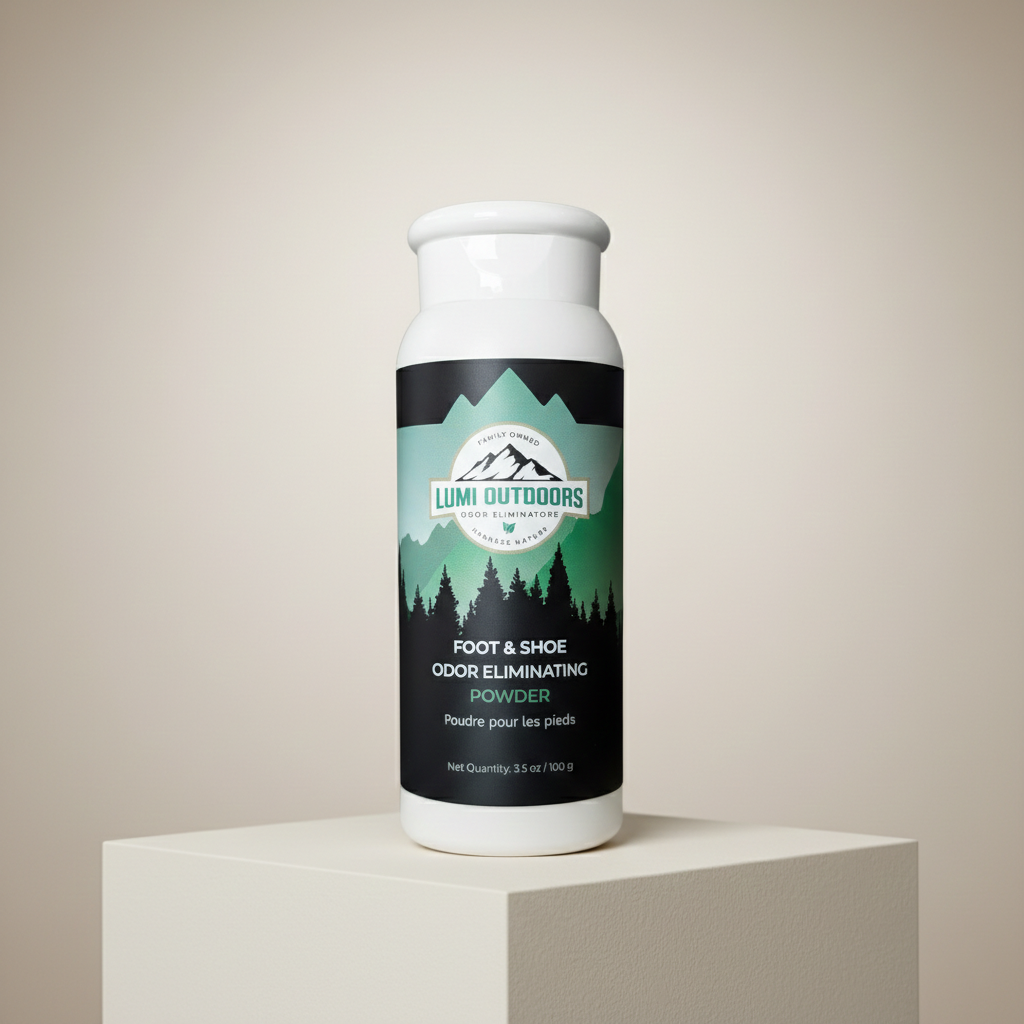
The best way to fight odor is to stop it before it starts. Our all-natural, talc-free foot powder is your first line of defense against mois...
- ABSORBS SWEAT & NEUTRALIZES ODOR
- ALL-NATURAL & TALC-FREE FORMULA
- PROUDLY FAMILY-OWNED & MADE IN UTAH
- THE "FRESH CONFIDENCE" GUARANTEE