
Deodorize Synthetic Sherpa Boots in 60 Seconds (Without Ruining the Fluff)
- Synthetic sherpa traps moisture differently Polyester pile holds sweat deep in the fibers with no natural wicking ability, making odor worse faster than in leather or mesh shoes.
- Baking soda damages the lining over time It reduces smell short-term but leaves chalky residue that flattens sherpa pile with repeated use.
- A fine natural powder is the clear winner It absorbs moisture at the source, releases cleanly from the pile, and leaves the sherpa texture completely intact.

You know the moment. You pull off your sherpa boots at the end of the day, and something hits you — a warm, musty wave that definitely wasn't there when you bought them. And the worst part? Those boots were expensive. You're not ready to toss them. But you're also not sure what to do, because the lining is so fluffy and soft that you're scared to touch it with anything remotely aggressive.
Synthetic sherpa is a beast. Unlike real wool or leather, it's made from polyester fibers that act like tiny moisture sponges. Sweat and bacteria get trapped deep in that pile and just... sit there. Warm. Wet. Breeding. That's your smell problem right there.
So I decided to actually test the most popular household fixes — baking soda, dryer sheets, and a natural foot powder — side by side on the same pair of stinky sherpa boots. No lab. No white coats. Just a very honest nose, a week of real wear, and a set of clear criteria.
Why Do Synthetic Sherpa Boots Smell Worse Than Regular Boots?
Synthetic sherpa pile is made from tightly woven polyester fibers that trap sweat and moisture far more effectively than natural materials, creating a warm, damp environment where odor-causing bacteria thrive.
Real sheepskin has lanolin — a natural wax the wool secretes — which actually helps repel moisture. Synthetic sherpa has none of that. It's just plastic fibers doing their best impression of wool, with none of the self-regulating properties. So every bit of foot sweat (and your feet can produce up to half a pint of sweat per day) gets soaked into the pile and stays there.
The high pile also means air can't circulate the way it would in a breathable sneaker. Moisture gets in, heat builds up, and you've got the perfect conditions for odor. This is why the same foot, in a thin running sock and a mesh sneaker, will smell far less than in a thick sherpa boot after the same amount of activity.
And if you're dealing with smelly athletic shoes too, this breakdown on youth cleat odor explains the same moisture-trapping science in action.
What Testing Criteria Did We Use — And What Methods Did We Test?
We judged each method on four criteria: odor elimination after 24 hours, residue left in the sherpa pile, ease of application, and whether the method affected the texture or loft of the synthetic fibers.
The pair of boots used for testing: a well-worn synthetic sherpa boot that had been used for daily wear over three weeks without treatment. Smell level on day one of testing? Bad. Noticeably bad. The kind where you don't leave them in the entryway if you have company coming.
Each method got a full 24-hour test cycle with the same amount of wear time before re-evaluation.
Method 1: Baking Soda
Baking soda is the internet's most recommended fix for shoe odor. It's cheap, it's in every pantry, and the science behind it is real — it neutralizes acidic odor compounds. So in it went. A generous scoop shaken into each boot, left overnight.
Results? Mixed. The smell was reduced the next morning, no question. But here's the problem with synthetic sherpa specifically: those fibers grabbed the powder and held on. Getting it back out required turning the boot upside down and shaking it for a solid minute, and even then there was a white, chalky residue deep in the pile. After two rounds of this, the loft of the sherpa felt noticeably flatter in the toe area. The fibers were getting compacted.
Verdict on baking soda: decent odor reduction, bad for the texture. Not a long-term solution for sherpa.
Method 2: Dryer Sheets
Dryer sheets are another classic recommendation. You've probably seen the advice: stuff one in each boot overnight and wake up to fresh-smelling footwear. Simple enough.
But here's the honest result: dryer sheets don't eliminate odor. They mask it. The next morning, the boots smelled like a mix of "fabric softener" and "still kind of funky underneath." By hour three of wear the next day, the dryer sheet scent had faded and the original odor was back in full force. Plus, the chemical fragrance in most dryer sheets is exactly the kind of synthetic fog that health-conscious households are trying to avoid.
Verdict on dryer sheets: a temporary cover-up. Fails by mid-afternoon.
Method 3: Natural Foot Powder
This is where things got interesting. Instead of dumping a coarse powder into the boot and hoping for the best, the approach here is different — and it matters a lot for synthetic sherpa.
The Lumi Outdoors Natural Foot Powder uses a plant and mineral-based, talc-free formula. It goes in as a fine, silky powder — not a gritty dust. A light shake into each boot, and it disperses through the pile without clumping. Left overnight, it drew moisture out of the fibers. The next morning, the pile shook clean with just a quick two-second tap. No white residue. No chalky buildup. And the smell? Genuinely gone — not covered, not masked, just gone.
The key difference is what the powder actually does. It creates a dry environment by absorbing the moisture that odor-causing bacteria need to survive. No moisture, no bacterial growth, no smell. It's a proactive fix, not a reactive one.
If the moisture is the root of your problem — and with synthetic sherpa, it absolutely is — you need something that attacks it at the source. Here's the powder that did exactly that in our test:
What You'll Need
- Cedar shoe trees
- Soft-bristled shoe brush
- Natural Foot Powder Check Price →
- Crumpled newspaper for stuffing
How Did Each Method Affect the Sherpa Texture?
Baking soda caused visible pile flattening after repeated use; dryer sheets left no residue but also no real benefit; the natural foot powder left the sherpa texture completely intact with zero residue after a single tap-out.
This part matters more than people realize. Your sherpa boots cost real money, and the whole point of buying them is that soft, warm lining. Anything that degrades it over time is just slow damage — you're trading a fresh smell today for a ruined boot in two months.
Coarse powders and granular products are the worst offenders. They get embedded in the pile and work like tiny grits, abrading the fibers each time you wear the boot. Liquid sprays can be just as bad if they're water-based — you're adding moisture to a surface that's already struggling with moisture. The only safe approach for synthetic sherpa pile is a fine, dry powder that disperses without clumping and releases without effort.
Most people make the mistake of applying powder only to the toe box area, but in synthetic sherpa boots, moisture concentrates most heavily along the heel counter and under the arch — the spots where the boot hugs the foot tightest. Tip the boot slightly toward the heel when you shake in the powder, let it settle for 10 seconds, then rotate it back upright. That single adjustment gets the powder exactly where the moisture problem lives.
We also compared how each method held up across a week of consistent testing. Here's the side-by-side breakdown:
We ran the natural foot powder against the most popular big-brand baking soda approach every day for a week. The gap between them wasn't just in smell — it was in the condition of the boot itself.
| Feature | Natural Foot Powder | Baking Soda |
|---|---|---|
| Odor eliminated after 24 hours | Yes — fully neutralized | Partial — reduced but not gone |
| Residue left in sherpa pile | None — releases in two taps | Visible white chalky buildup |
| Effect on pile texture/loft | No change — fibers stay fluffy | Pile flattening after repeated use |
| Safe for daily use | Yes — plant and mineral-based | Not recommended — causes buildup |
| Application time | Under 60 seconds | 60 seconds + shake-out struggle |
What's the Fastest Way to Deodorize Synthetic Sherpa Boots Right Now?

The fastest effective method is applying a fine natural foot powder inside the boot, letting it sit for 60 seconds, then tapping it out — this absorbs surface moisture and neutralizes odor without damaging the pile.
Here's the exact process that worked in our test:
- Shake a light layer of natural foot powder into each boot. You don't need a lot — just enough to dust the inside of the lining. The powder should settle into the pile evenly.
- Tap the boot sole twice on a hard surface. This helps the powder work through the fibers and reach the areas deepest in the pile where moisture collects.
- Wait 60 seconds. For a quick fix, 60 seconds is enough to absorb surface moisture. For boots that have been sitting in a bag or locker all day, leave it overnight for a deeper treatment.
- Tap out the excess. Flip the boot upside down over a trash can or sink and give it two firm taps. The powder releases cleanly. Check the lining — it should look and feel exactly as it did before.
- Use a soft-bristled shoe brush along the interior sherpa pile if any residue remains, brushing gently in the direction of the fiber nap to restore loft.
That's it. For boots that are deeply saturated with odor — think: worn every day for two weeks without treatment — repeat this process for three consecutive nights and you'll notice a compounding effect. Each treatment removes more of the embedded moisture.
And if you want to prevent the problem from coming back, apply a light dusting of the powder directly to your feet before putting the boots on. The Natural Foot Powder is designed for both direct foot use and inside-the-boot application, so it does double duty.
For boots with different lining materials — like leather or foam — the approach changes. This guide on waterproof leather boots covers what to avoid on treated surfaces.
What Should You Do Between Wearings to Stop Odor From Building Up?

Rotating boots, allowing 24 hours of air-dry time between wears, and using cedar shoe trees or crumpled newspaper to maintain shape and absorb residual moisture are the most effective between-wear habits for synthetic sherpa boots.
The single biggest mistake people make with sherpa boots is putting them back on the next day without any drying time. You wore them for six hours. The lining is damp. Putting them back on wet is exactly how that smell goes from "noticeable" to "we need to talk."
A few habits that make a real difference:
- Cedar shoe trees: Cedar is naturally moisture-wicking and helps the boot hold its shape while pulling dampness out of the lining. Leave them in for at least 12 hours between wears.
- Crumpled newspaper stuffing: Old-fashioned but genuinely effective. Newspaper absorbs moisture from the sherpa pile overnight. Replace it every few days if you're using it regularly.
- Open air, not a closed bag: If you carry your boots in a gym bag or tote, pull them out when you get home. A closed bag with damp boots is just a humid incubator. Leave them somewhere with airflow.
If you've got kids with multiple pairs of athletic footwear going through the same problem, this article on stopping cleat odor has the same logic applied to sports gear and is worth a read for the full maintenance routine.
Does the Room Smell Too? Here's How to Handle That
When sherpa boots have been sitting in an entryway, closet, or bedroom, the odor transfers to the surrounding air — a plant-based room spray that neutralizes odor molecules (not just masks them) clears the smell without harsh chemicals.
You fix the boots, but sometimes the smell has already gotten into the air. The entryway. The closet shelf. The corner of the bedroom where the boots live. A quick spritz of something effective handles that in seconds.
The Lumi Outdoors Lemon Vanilla Room Spray works because it's made with plant-derived essential oils that actually neutralize odor molecules rather than covering them with a synthetic cloud. Two sprays in the entryway after you bring the boots in, and the air clears properly. It's also the kind of thing you can use in a nursery or around pets without any concern — no parabens, no phthalates, no synthetic fragrance chemicals.
If you prefer a warmer, spicier scent, the Orange Clove Room Spray is particularly good for fall and winter when sherpa boots are getting the most use. Both work the same way — the scent is just a preference call.
Nothing's perfect. Using a powder consistently takes a small habit shift, and for a boot that's already deeply saturated, one treatment won't be a complete reset. Here's the honest breakdown after a week of testing:
- Eliminates odor at the moisture source — not a cover-up
- Fine powder formula releases cleanly from sherpa pile with zero residue
- Talc-free and plant-based — safe for daily use on skin and in footwear
- Works for both boots and direct foot application
- No damage to synthetic fibers — loft and texture stay intact
- Deeply saturated boots need 2-3 consecutive overnight treatments, not just one
- Requires a consistent routine — skipping treatments lets moisture (and smell) rebuild
What's the Final Verdict on Deodorizing Synthetic Sherpa Boots?
A fine, talc-free natural foot powder is the clear winner for synthetic sherpa boots — it eliminates odor at the moisture source, leaves zero residue, and protects the lining texture better than baking soda or dryer sheets.
Baking soda works on paper but damages sherpa pile over time. Dryer sheets are a band-aid. The natural powder is the only method that addressed the actual problem — moisture — without creating a new one.
If your boots are in rough shape right now, do the three-night treatment cycle. If you want to stay ahead of the problem going forward, a light dusting before each wear takes about 10 seconds and keeps the lining fresh all season. Combined with cedar shoe trees or newspaper stuffing overnight, you can realistically wear these boots all winter without the smell ever becoming an issue.
And if you're dealing with odor in other types of footwear too, the same moisture-first approach applies. This guide on deodorizing Hoka Clifton 9s covers how to handle foam midsoles specifically, and this Hey Dudes walkthrough shows a no-wash method that protects delicate materials the same way.
Fresh boots, fresh room, no ruined lining. That's the goal — and it's completely doable.
]]>Want to stop that sherpa smell before it ruins another pair of boots?
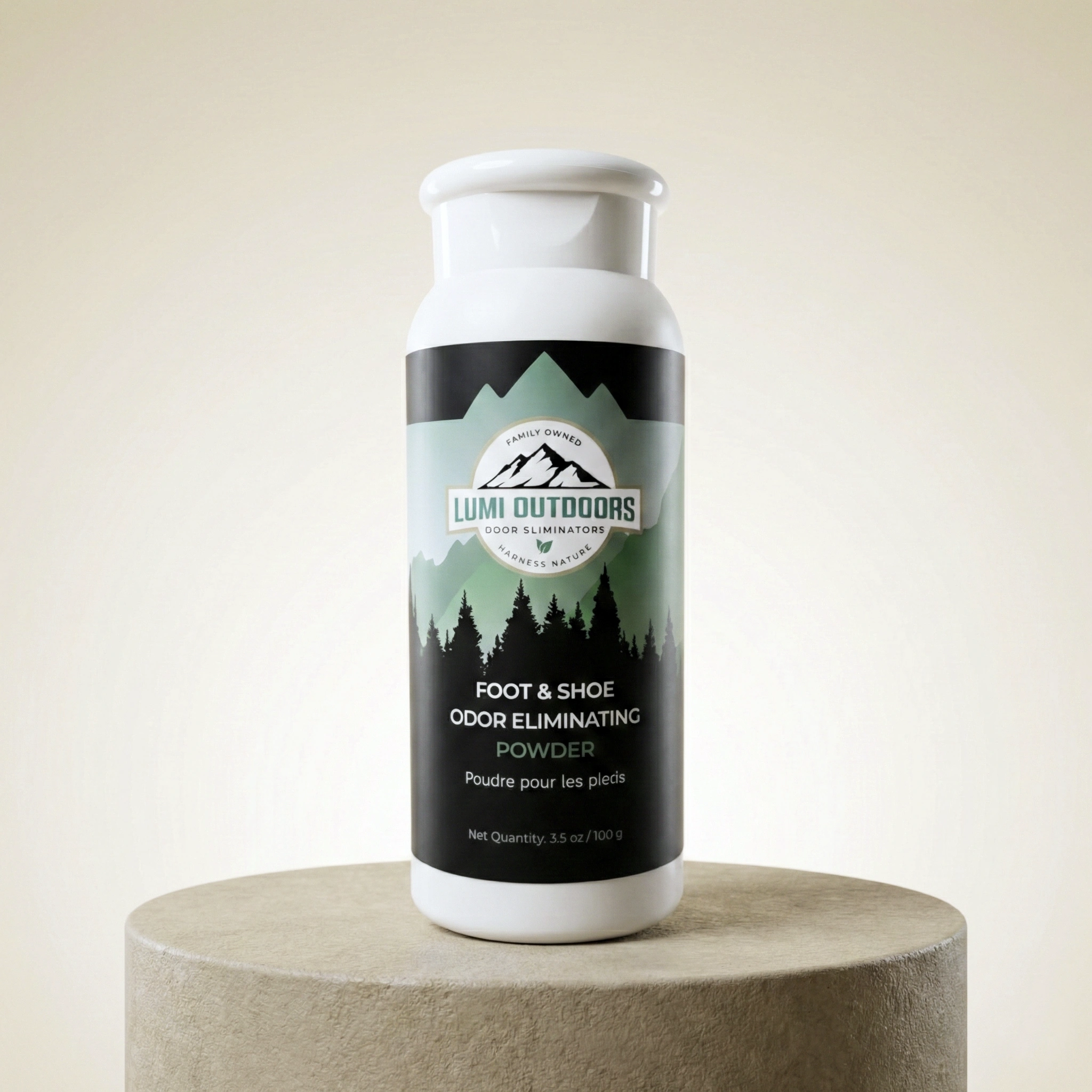
The best way to fight odor is to stop it before it starts. Our all-natural, talc-free foot powder is your first line of defense against mois...
- ABSORBS SWEAT & NEUTRALIZES ODOR
- ALL-NATURAL & TALC-FREE FORMULA
- PROUDLY FAMILY-OWNED & MADE IN UTAH
- THE "FRESH CONFIDENCE" GUARANTEE