
The Backstage Hack to Brighten Smelly Ballet Shoes Before an Audition
- Wet Wipes Are the Enemy Moisture from wet wipes soaks into satin backing and leaves watermarks visible under stage lighting—do not use them on ballet shoes.
- The Smell Lives in the Lining Odor comes from bacteria in the interior lining and insole, not the outer satin, so any fix must target the inside of the shoe.
- Dry Spray Wins Every Time A fine-mist natural spray eliminates odor without saturating delicate materials, leaving zero residue and no damage to the satin finish.

It's 9 PM the night before a major audition. Your dancer is already anxious, her costume is pressed, her hair is pinned. And then you open her dance bag.
The smell hits you first. Then you notice the shoes—limp, dull, the satin catching the light in that sad, grayish way that tells you they've seen better days. Your stomach drops.
You've got twelve hours. Maybe less.
This is not the time for Pinterest hacks that take three days to dry. This is not the time to experiment. You need to know, right now, which methods actually work on satin ballet shoes without destroying them in the process—and which ones will leave your dancer stepping onto that studio floor with crunchy, stained slippers that smell like a science project.
So we tested them. All of them. Here's what we found.
Why Do Ballet Shoes Smell So Bad in the First Place?
Ballet shoes trap sweat directly against bare skin with almost zero ventilation, creating a warm, moist environment where odor-causing bacteria thrive extremely fast. The thin satin or canvas material offers no breathability buffer the way a sneaker's mesh upper would.
A dancer's foot sweats a lot during class. According to the American Podiatric Medical Association, the foot contains more sweat glands per square inch than almost any other part of the body. Ballet shoes sit directly on top of that, often for two or three hours straight, with no thick sock to absorb the moisture.
The result? Bacteria multiply fast, break down the sweat, and produce the compounds responsible for that sharp, sour odor. The shoes absorb it into the lining, the sole, and yes—the satin itself.
And here's the part most people miss: the smell is actually coming from the inside lining, not the outer satin. That matters a lot when you're choosing how to treat it.
Here's something most dance guides never mention: the insole of a ballet slipper is almost always glued in rather than removable, which means moisture and bacteria get trapped under it with nowhere to go. Before spraying, press gently on the insole to check if there's any give — if there is, carefully lift the edge slightly while spraying so the mist can get underneath. That trapped layer is often the real odor source, and missing it means you're only treating half the problem.
What Methods Did We Actually Test?
We put four of the most commonly recommended methods head-to-head on identical pairs of used satin ballet shoes: wet wipes, baking soda, dryer sheets, and a dry natural spray. We judged each on odor elimination, material safety, dry time, and how the shoe looked afterward.
The testing criteria were simple and practical—the same things a parent cares about at 9 PM the night before an audition:
- Did the odor actually go away, or just get masked?
- Was the satin or canvas damaged, stained, or left with residue?
- How long did it take to be wearable again?
- Would a dance teacher or audition panel notice anything wrong with the shoe?
We used the same brand of low-back satin ballet flat for each test—the kind most common in audition settings—and the shoes had been worn regularly for about three months. Real-world condition, not lab condition.
Method 1: Wet Wipes
This is the most common suggestion you'll find online. Grab a baby wipe or a makeup-removing wipe, give the inside a quick swipe, done. It sounds logical. It's not.
Here's what actually happened. The moisture from the wipe immediately soaked into the satin backing. The outer surface of the shoe developed a slight watermark—a faint tide line you could see clearly in stage lighting. The inside lining dried stiff. And the smell? Masked for about twenty minutes, then came back, slightly altered and arguably worse.
Wet wipes failed on three out of four criteria. The only thing they got right was convenience, and that convenience costs you a pair of shoes.
Method 2: Baking Soda
Baking soda is a legitimate deodorizer. It actually works through a real chemical process—it's a base that neutralizes acidic odor compounds. Sprinkle it inside a sneaker overnight and you'll see results.
But ballet shoes are not sneakers. The problem is twofold. First, getting the powder back out of a satin ballet shoe without leaving a chalky white residue is nearly impossible—especially in the tight toe box. Second, baking soda absorbs moisture, and satin dyes can shift slightly when exposed to alkaline powders over time. After one treatment the shoes looked fine. After repeated use, the interior lining had a grayish cast.
Baking soda is a solid choice for work boots or sneakers. (We actually cover this in detail in our guide on stopping youth cleat stink.) For delicate satin? It's too risky the night before an audition.
Method 3: Dryer Sheets
Stuff a dryer sheet in each shoe, leave overnight. It's a classic move. The result: the shoes smell like a laundry room for about four hours, and then the original odor reasserts itself underneath. Dryer sheets mask smell—they don't eliminate it. They also leave a waxy residue on the interior lining that can feel slippery underfoot, which is the last thing a dancer needs on an audition floor.
This method scored last overall. It didn't damage the satin, so that's something. But it also didn't solve anything.
Method 4: Dry Natural Spray
This is where things changed. A dry-mist natural shoe deodorizer spray—the kind formulated with plant-based enzymes and essential oils—worked differently from the start. The mist is fine enough that it doesn't saturate the satin. It goes into the shoe, hits the lining and insole, and the formula gets to work on the actual bacteria causing the smell rather than just coating over it.
Two spritzes inside each shoe, toes pointing down for about ten minutes to let the fine mist settle and dry. That's it. When we checked the shoes an hour later, the satin looked untouched. No tide lines, no residue, no stiffness. The smell was gone—not masked, gone. And it stayed gone through a full class simulation the next day.
If you want to stop the odor at the source without touching the satin finish, a dry natural spray is the one fix that actually delivers. This is the one we recommend:
What You'll Need
- Soft-bristled shoe brush
- Dry newspaper for stuffing the toe box
- Extra Strength Shoe Deodorizer Spray Check Price →
- Mesh shoe bag for ventilated storage
How Does a Natural Spray Actually Work on Satin?
Plant-based shoe deodorizer sprays use natural enzymes and essential oils to break down the odor-causing bacteria in the shoe lining rather than just covering the smell. Because they dispense as a fine dry mist, they don't saturate delicate materials like satin the way liquid cleaners or wet wipes do.
The science behind it isn't complicated. Odor compounds from bacterial activity are organic molecules. The natural enzymes in a quality spray break those molecules apart. The smell doesn't come back because the source is addressed, not hidden. This is the same principle behind enzymatic cleaning formulas used in medical and food-service contexts—break down the organic matter, eliminate the smell.
The reason this matters specifically for satin ballet shoes is that the application method is as important as the formula. Satin is a woven fabric with a smooth face—water, oils, and liquids sit on the surface before absorbing in, and they almost always leave a mark. A true dry mist avoids that problem entirely.
We tested this side-by-side against a name-brand aerosol spray as well. Here's how they compared:
| Feature | Extra Strength Shoe Deodorizer Spray | Big-Brand Aerosol Spray |
|---|---|---|
| Odor Elimination | Eliminates bacteria at the source | Masks odor temporarily |
| Safe on Satin | Yes — fine dry mist, no watermarks | No — heavy mist leaves residue |
| Dry Time | Ready in ~1 hour | Wet feel for 2–3 hours |
| Ingredients | 100% plant-based, no harsh chemicals | Synthetic fragrance, alcohol, propellants |
| Smell After 12 Hours | Fresh — odor does not return | Original odor returns underneath fragrance |
| Safe for Kids & Sensitive Skin | Yes | Not recommended |
What Is the Right Way to Apply Spray to Ballet Shoes the Night Before an Audition?

The correct method is to hold the spray nozzle 6–8 inches from the shoe opening, apply 2–3 short bursts aimed at the interior lining, then store the shoes toe-down in a ventilated area for at least one hour before wearing. Never spray directly on the satin exterior.
Here's the step-by-step that actually works:
Step 1: Brush out any debris first. Use a soft-bristled shoe brush to lightly sweep the inside of the shoe. Any trapped dirt or dried skin cells sitting on the lining will reduce how well the spray can reach the fabric. Ten seconds of brushing makes a real difference.
Step 2: Stuff the toe box with a small ball of dry newspaper. This does two things: it holds the shoe open so the spray reaches the full interior, and it absorbs residual moisture while the spray dries. Newspaper is surprisingly effective at pulling dampness out of tight spaces—it's an old backstage trick for a reason.
Step 3: Spray into the opening, not onto the surface. Hold the bottle 6–8 inches back. Two to three short bursts aimed down into the shoe. You're targeting the insole and the lining, not the satin upper. Keep the bottle moving slightly so you're not concentrating the mist in one spot.
Step 4: Place the shoes toe-down in a ventilated spot. Not in the bag. Not in a closed cubby. Somewhere air can move around them. A windowsill, an open shelf, near a fan if you have one. Let them sit for at least an hour. Overnight is better.
Step 5: Shake out the newspaper before packing. Give the shoes a gentle tap to loosen anything the newspaper pulled out. They're ready.
One more thing worth knowing: this same routine works well as a preventive measure after every class, not just as an emergency fix. If you're already dealing with persistent odor in other footwear around the house, the same approach applies—we've covered it for everything from Air Force 1s with delicate leather toe boxes to heavily used work boots. Delicate materials just need the same spray, applied carefully.
Nothing's perfect. Dry sprays work best when you're consistent and when you give them time to dry fully before wearing. Here's the honest breakdown:
- Eliminates odor at the bacterial source rather than masking it
- Fine dry mist is genuinely safe on delicate satin and canvas
- No white residue, no watermarks, no stiffness in the lining
- Natural plant-based formula is safe around kids and pets
- Effective in under an hour — real emergency-fix speed
- Requires at least 60 minutes of dry time — not an instant fix if you need shoes in under an hour
- Works best with consistent use; a single spray won't undo months of built-up odor in heavily worn shoes
What Else Can You Do to Keep Ballet Shoes Fresh Between Auditions?
The most effective long-term approach is a combination of moisture control between wears, quick spray deodorizing after each class, and keeping the shoes stored in an open mesh bag rather than a sealed dance bag.
The sealed dance bag is actually one of the biggest culprits parents overlook. After class, shoes go straight into a closed bag, still warm, still damp. That's a perfect incubator. Switching to a mesh bag or leaving the shoes out to air for even 30 minutes before packing makes a measurable difference in how fast odor builds up.
Cedar shoe trees are another option worth considering for shoes that sit between performances. Cedar naturally absorbs moisture and has a mild natural scent. They're designed for dress shoes, but a small cedar insert works in ballet flats too. Pair that with a quick spray after each class and you're doing preventive maintenance rather than emergency triage.
If your dancer is serious about auditions, building this two-minute routine into the end of every class is easier than you'd think. Spray, air out, pack in mesh. That's it. The shoes will look better, smell better, and honestly last longer—which matters when quality ballet shoes aren't cheap.
For families dealing with odor across multiple types of footwear—which is most of us—the Variety Bundle | 3-Pack (Lemon Eucalyptus, Citrus, Lavender) is worth having on hand. Keep one bottle in the dance bag, one by the entryway for everyday shoes, one in the gym bag. Different scents for different preferences, and you're covered for everything from ballet flats to work boots without running out at the worst moment.
Are Natural Sprays Safe for All Types of Dance Shoes?

Yes—plant-based dry mist sprays are safe for satin, canvas, leather, and synthetic ballet and dance shoes when applied correctly to the interior lining. Avoid spraying directly on satin exteriors, suede accents, or elastic straps, as any liquid applied directly to these materials can leave marks.
A few specifics to keep in mind:
- Satin ballet slippers: Always spray into the interior only. The formula is safe for the lining fabric.
- Canvas ballet shoes: These are more forgiving. You can spray interior and the canvas upper will handle it fine.
- Pointe shoes: Spray into the toe box lining and the insole area. Avoid the shank and the outer satin—same rules as satin slippers.
- Jazz shoes and character shoes: Leather and synthetic interiors handle spray well. Interior application only for leather exteriors.
The plant-based formula in a quality spray like the Natural Lavender Tea Tree Shoe Deodorizer Spray is free from harsh chemicals, which means you're not introducing anything that could react with dyes, adhesives, or delicate fabrics. That's a real advantage over alcohol-based sprays or aerosols that can dry out and crack leather or leave a residue on smooth synthetic surfaces.
For dancers with sensitive skin—or parents who prefer products without synthetic fragrance—the lavender tea tree option is the most gentle. It does the same deodorizing work with a calm herbal scent rather than a strong citrus hit.
Need your dancer's ballet shoes smelling fresh before tomorrow's audition?
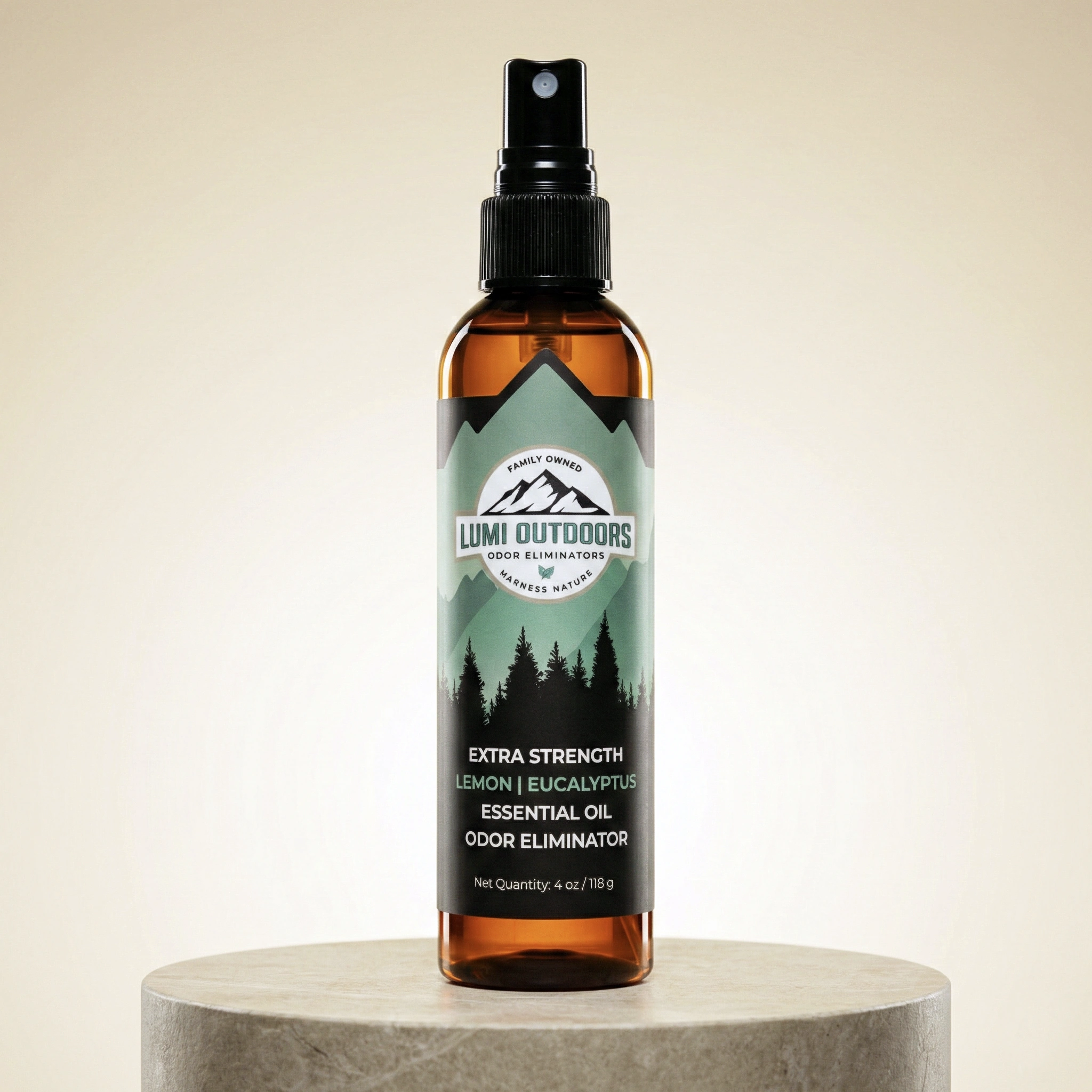
Join 1 Million+ Other People Who Chose Lumi to Conquer Their Shoe Odor.
- DESTROYS ODOR AT THE SOURCE, DOESN'T JUST MASK IT
- ALL-NATURAL & PLANT-BASED INGREDIENTS
- PROUDLY FAMILY-OWNED & MADE IN UTAH
- THE "FRESH CONFIDENCE" GUARANTEE
Frequently Asked Questions
Can I spray the outside of satin ballet shoes to brighten them?
How long before an audition should I treat the shoes?
Will a natural spray work on pointe shoes too?
My daughter's shoes smell bad even after spraying once. What should I do?