
A 100% plant-based safe leather shoe spray that neutralizes tough odor
- Plant-based sprays are safe for leather Pure essential oils like lemon and eucalyptus evaporate quickly and don't leave oily residue — it's synthetic solvents and alcohol that actually damage leather over time.
- The staining fear is about the wrong ingredient Carrier oils stain; volatile essential oils don't. A fine-mist spray with pure essential oils behaves more like water on leather than like a conditioning oil.
- Technique matters as much as formula Spray the interior, not the exterior, hold the bottle 6-8 inches away, and always let boots air dry completely — never seal them in a closet while still damp.

A high-quality plant-based spray is safe for leather boots — provided the formula uses pure essential oils and a fine-mist delivery, not synthetic solvents or carrier oils that leave residue. The volatile compounds in lemon and eucalyptus oil evaporate quickly, leaving no oily film on the leather surface.
Here's exactly which ingredient types to look for, which to avoid, and how to apply a deodorizing spray without risking your expensive boots.
Why Do Leather Boots Hold Odor Worse Than Other Footwear?
Leather is a porous material that absorbs sweat, skin oils, and the bacterial byproducts that cause odor — and unlike canvas or mesh, it can't be machine-washed to reset the cycle. The result is a slow buildup that gets worse with every wear.
The science here is straightforward. The primary odor culprit in work boots is isovaleric acid, a byproduct produced when bacteria like Brevibacterium break down sweat amino acids in warm, enclosed spaces. According to a study in the International Journal of Cosmetic Science, this bacterial activity accelerates significantly when foot temperature stays above 32°C (89.6°F) — which is basically every hour you're wearing a closed-toe work boot.
Premium leather compounds the problem. The material's dense fiber structure traps odor deep in the lining and footbed, well past the surface layer. A surface-level spritz doesn't reach it.
That's the real problem.
And because leather is expensive — a quality pair of work boots can run $200–$400 — owners are understandably nervous about applying any liquid to the surface. That nervousness is actually well-founded. But it points to the wrong culprits. The sprays most likely to damage leather aren't natural ones — they're the conventional aerosols that use alcohol or butane-based propellants. Alcohol strips the natural oils from leather, causing it to dry out and eventually crack. That's the damage most people are actually seeing, and attributing to "shoe spray" in general.
If you've ever noticed your work boots getting stiff after a conventional spray, the odor coming back quickly after treatment is another sign the formula is treating the symptom, not the source.
What You'll Need
- Horsehair shoe brush
- Cedar shoe trees
- Extra Strength Shoe Deodorizer Spray Check Price →
- Moisture-wicking wool socks
Does Natural Oil Mean Greasy Stains on Leather?
No — pure essential oils don't stain leather because they're volatile compounds that evaporate within minutes of contact, unlike carrier oils (like coconut or jojoba) which are fatty and leave residue. The confusion comes from grouping all "natural oils" together, but the chemistry is completely different.
Here's the distinction that matters. Carrier oils have large fatty acid molecules that penetrate the leather's fiber structure and sit there — that's what causes a dark, greasy spot. Pure essential oils like lemon, eucalyptus, and tea tree have small, volatile molecules with high evaporation rates. They don't linger. On leather, they behave more like water than oil.
Nubuck and suede are a slightly different story. Both have open-faced, raised fiber structures that are more sensitive to any liquid — not because of the oil chemistry, but because the fibers can mat down when wet. The fix for this is application technique, not formula. A light mist from 6–8 inches away, followed by brushing with a soft-bristled brush after drying, restores the nap without damage.
Most people spray the inside of their boots and immediately seal them back in a dark closet — that's the one habit that guarantees the smell returns within 48 hours. Bacteria need two things to thrive: warmth and zero airflow. A closed closet provides both. After spraying, leave the boots standing upright with the opening facing up in a ventilated room for at least 30 minutes before storing. The difference in how long freshness lasts is noticeable.
There's also a practical consideration most guides don't mention: plant-based formulas are less likely to react with leather conditioners and waterproofing treatments than synthetic chemical sprays. If you've treated your boots with a beeswax conditioner or a silicone-based waterproofer, introducing an alcohol-heavy aerosol can compromise that treatment. Pure essential oil sprays don't carry that risk.
Based on the ingredient profiles, here's how the main approaches compare for leather-safe odor control:
| Feature | Extra Strength Spray | Chemical Aerosol | Baking Soda |
|---|---|---|---|
| Safe on leather finish | Yes — no alcohol or synthetic solvents | Risk — alcohol content can dry and crack leather | Risk — alkali residue can weaken leather fibers |
| Odor elimination method | Chemically alters odor molecules with lemon aldehyde compounds | Masks odor with synthetic fragrance | Passive absorption — doesn't neutralize bacteria |
| Drying time before wear | ~15 minutes, or overnight for deep treatment | 5-10 minutes | 30+ minutes to vacuum out residue |
| Safe around kids and pets | Yes — plant-based, no phthalates | No — synthetic fragrance and propellant chemicals | Yes — completely inert |
| Cost per use | ~$0.15 per application | ~$0.20-0.35 per application | Near zero — cents per use |
| Works on deep lining odor | Yes — fine mist reaches interior fibers | Partial — surface-level application | No — doesn't penetrate deep enough |
How Should You Actually Apply a Deodorizing Spray to Leather Boots?

The right application method matters as much as the formula itself — spray the interior, not the exterior, use a light mist from 6–8 inches away, and always let the boots air dry completely before wearing or storing them.
Start with a horsehair brush to clear surface dust and debris from the exterior. This isn't about the spray — it's about keeping grit from scratching the leather when you handle the boots. Then do a quick patch test on the inner tongue (not the visible exterior), wait five minutes, and check for any color change. You almost certainly won't see one with a pure essential oil formula, but it takes 30 seconds and saves regret.
Hold the bottle 6–8 inches from the boot opening and apply a light, even mist inside the boot. The goal is coverage, not saturation. You're not trying to soak the footbed — you're coating the interior surfaces where bacteria have taken hold. Let the boots dry completely in a well-ventilated spot away from direct heat or sunlight. Heat speeds up drying but can stress the leather's natural moisture balance.
For tough, persistent odors, apply in the evening and let the formula work overnight. Twelve hours of contact time is significantly more effective than a quick spray-and-go. This is especially true for boots worn during long, high-sweat work shifts where the odor has had months to saturate the lining.
One thing to add for daily maintenance: cedar shoe trees placed inside the boots between wears absorb residual moisture and help the leather hold its shape. Combine that with a light maintenance spray, and you're addressing both the moisture and the bacteria that feed on it.
If you want to skip DIY prep and go straight to a targeted solution, Lumi's Extra Strength Lemon & Eucalyptus Spray uses a fine-mist delivery with pure essential oils — no carrier oils, no alcohol, no propellant chemicals. It's what we'd reach for for a full odor treatment on premium leather. For lighter daily maintenance, the Natural Citrus & Tea Tree Spray handles ambient freshness without over-applying between deep treatments. Both are safe on leather, suede, and nubuck with proper technique.
Worth knowing: baking soda is the most common DIY recommendation, but it's actually a poor fit for leather boots specifically. When baking soda mixes with sweat residue inside a warm boot, it can form a mild alkali paste that softens and weakens leather fibers over time. Here's a deeper look at why baking soda can backfire in footwear. A sealed sock filled with activated charcoal is a safer passive option — no chemical reaction, just absorption.
Why Does a Plant-Based Formula Beat Traditional Chemical Sprays for Leather?
Conventional aerosol sprays often use alcohol, butane, or propane as propellants and solvents, which dry out leather's natural oil content and can dull or crack the finish over time — plant-based formulas skip those solvents entirely.
The specific risk with alcohol is a process called dehydration of the collagen fibers that give leather its flexibility. Repeated exposure makes leather progressively stiffer. A 2019 analysis of conservation materials by the Leather Conservation Centre noted that alcohol-based cleaners cause measurable changes in leather fiber structure at concentrations above 15%. Most aerosol shoe sprays don't disclose their alcohol percentages, but the stiffening effect is a reliable signal.
Eucalyptus and lemon essential oils do something useful that synthetic fragrance ingredients don't: they don't just mask the isovaleric acid smell — the aldehyde compounds in lemon oil actually interact with odor molecules chemically, altering their structure rather than covering them. That's part of why lemon eucalyptus is the go-to combination for ammonia-heavy odors in work boots, where the bacterial load is much higher than in casual footwear.
There's also the long-term home environment angle. Conventional aerosols introduce phthalates and synthetic fragrance compounds into an enclosed space — a mudroom, a closet, a locker room. If you've got kids or a partner with respiratory sensitivities, that accumulates. Plant-based formulas just don't carry that risk.
What's the Best Routine for Keeping Leather Work Boots Fresh Long-Term?
Rotating your boots every 24–48 hours is the single most effective long-term prevention strategy — it gives the leather and interior lining time to dry out completely between wears, which starves the bacteria of the moisture they need to multiply.
Pair rotation with wool or moisture-wicking synthetic socks rather than cotton. Cotton holds moisture against the foot; merino wool actively wicks it away. The American Podiatric Medical Association specifically cites moisture-wicking sock materials as a primary tool for reducing foot odor and skin maceration during long wear periods.
Daily maintenance is lighter lift than people expect. A quick mist with a citrus-based spray after each wear — before storing the boots — takes about five seconds and prevents the gradual buildup that creates serious odor problems. Think of it like brushing teeth: the goal is maintenance, not emergency intervention. The deep treatment with an extra-strength formula is for once or twice a week, or whenever the boots have had a particularly punishing day.
Regular deodorizing also has a direct financial benefit. Acidic sweat byproducts, left untreated, break down the leather lining and the adhesive bonding the footbed to the boot structure. A $15 deodorizing habit genuinely extends the life of a $300 pair of boots. The same principle applies when you're refreshing used boots — the cleaning protocol matters as much as the product you use.
One last thing most guides don't tell you: store your boots upright with cedar shoe trees in place, not on their sides or crammed into a bag. Airflow through the boot interior overnight reduces the residual bacterial activity that accounts for most of the odor you notice when you pick them up the next morning. Small habit. Real difference.
Here's an honest take before you decide:
- Pure essential oil formula evaporates cleanly — no oily residue on leather
- Lemon aldehyde compounds chemically alter odor molecules rather than masking them
- No alcohol or butane propellants that degrade leather collagen over time
- Fine-mist delivery allows precise interior application without saturation
- Safe around kids and dogs at normal household usage
- Needs at least 15 minutes to dry before wearing — not a 30-second fix
- The lemon-eucalyptus scent is noticeable for the first 10 minutes, then fades to neutral — not ideal if you want a lasting fragrance
Want to stop worrying about ruining your leather boots every time you treat them?
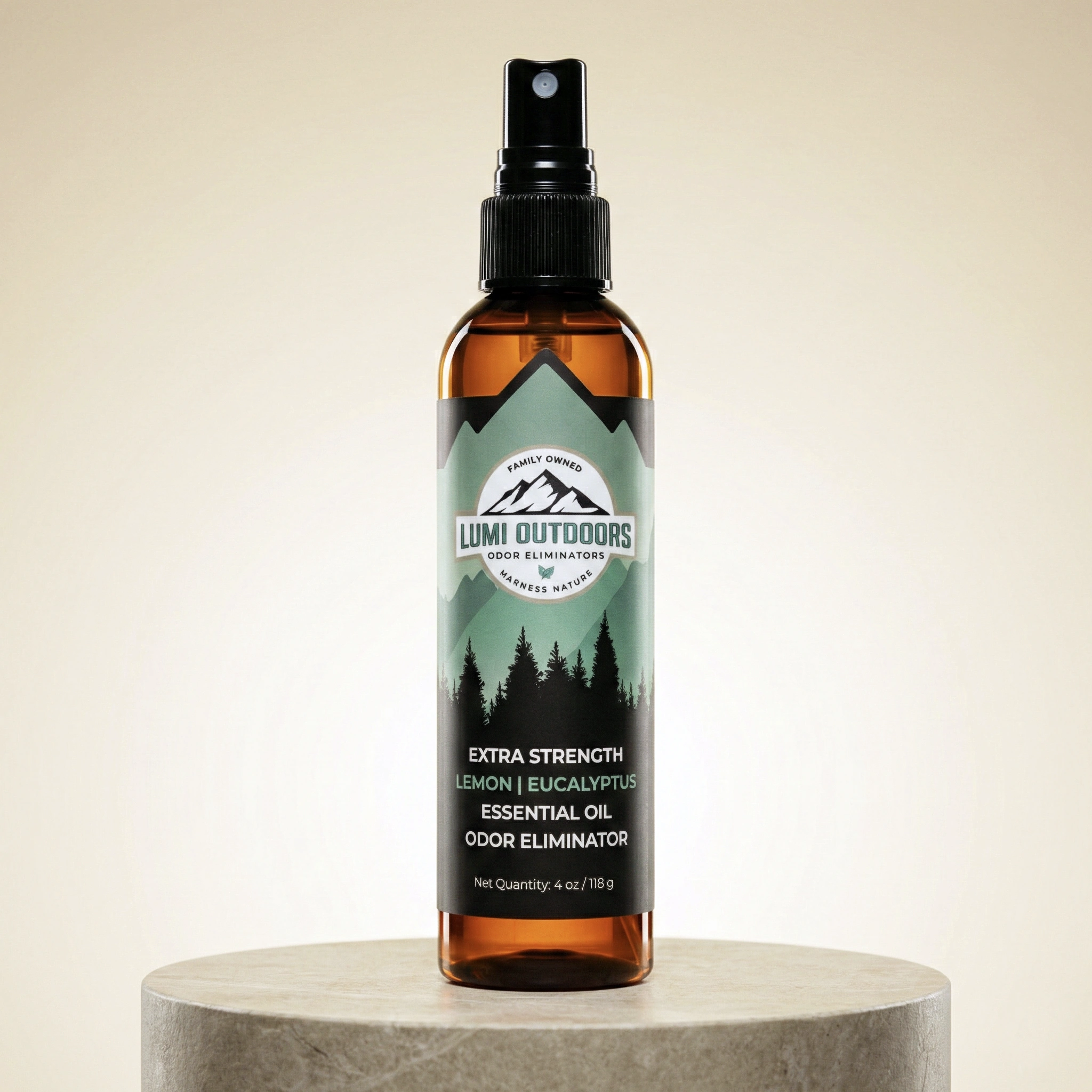
Join 1 Million+ Other People Who Chose Lumi to Conquer Their Shoe Odor.
- DESTROYS ODOR AT THE SOURCE, DOESN'T JUST MASK IT
- ALL-NATURAL & PLANT-BASED INGREDIENTS
- PROUDLY FAMILY-OWNED & MADE IN UTAH
- THE "FRESH CONFIDENCE" GUARANTEE