
7 Tips for Winter Boot Foot Odor Control [2026 Guide]
- Stop the Swamp Boots trap sweat in waterproof layers, so you must use a powder to catch moisture before it soaks in.
- Air Dry Only Skip the heater and use crumpled newspaper and airflow to dry boots without damaging the material.
- Wool is King Replace cotton with Merino wool to pull moisture away from your skin and prevent odor buildup.

Look, we've all been there. You come inside after a long day of shoveling snow or running errands, peel off those heavy winter boots, and—wham. A smell hits you that's strong enough to clear a room. It’s embarrassing, it's frustrating, and honestly, it’s just gross. You spent good money on those boots to keep your feet warm, but now they feel like a swamp and smell like a locker room.
The truth is, winter boots are designed to trap heat. That's great for sub-zero temperatures, but it's a disaster for sweat. When that moisture has nowhere to go, it sits there, feeds the smell-causing things living in your footwear, and turns your expensive leather boots into a science project. But don't worry—you don't have to toss them in the trash. There are simple, natural ways to reclaim your boots and your dignity.
Why Do Winter Boots Get So Smelly So Fast?
Winter boots smell because their waterproof liners trap sweat and moisture, creating a warm, damp environment where odor-causing particles thrive. Unlike sneakers, boots lack airflow, meaning moisture stays trapped in the insulation for days if not properly treated.
It’s a bit of a catch-22. We want boots that keep the slush out, but those same seals keep the sweat in. If you’re a parent of a kid who plays outdoor sports or your partner spends all day in work boots, you know this struggle better than anyone. The moisture builds up layer by layer, and before you know it, the lining is permanently damp.
And here’s the thing: once that smell sets in, just "airing them out" usually isn't enough. You have to be proactive about keeping things dry from the moment you put them on until the moment you take them off.
How Can I Dry Out My Winter Boots Overnight?

To dry boots overnight, remove the insoles and stuff the boots with crumpled newspaper to soak up deep-seated moisture. Place them in a room with good airflow, but avoid direct heat sources like radiators, which can warp or crack leather and rubber.
If you don't have a dedicated boot dryer, newspaper is your best friend. It’s cheap, it’s everywhere, and it’s surprisingly thirsty. Just ball up a few pages and shove them all the way into the toe box. By morning, the paper will be damp, and your boots will be significantly drier. If they're really soaked, swap the paper out after a couple of hours.
But drying is only half the battle. If you want to stop the moisture before it starts, you need a heavy-duty absorber. This is the one we keep by the door:
What You'll Need
- Newspaper for stuffing
- Wool socks
- Natural Foot Powder Check Price →
- Removable insoles
What Socks Are Best for Controlling Boot Odor?
The best socks for odor control are made from Merino wool or moisture-wicking synthetic blends rather than 100% cotton. Wool naturally pulls moisture away from the skin and breathes better, keeping feet dry even in insulated boots.
Cotton is the enemy here. Once wool socks get wet, they stay wet. That soggy feeling against your skin isn't just uncomfortable; it's the primary cause of that "swamp foot" smell. Investing in a few pairs of high-quality wool socks might seem pricey upfront, but they make a massive difference in how your feet feel at the end of the day. Plus, they stay warm even if they get a little damp from the snow.
If you're dealing with serious sweat, you might even consider a "liner sock" under your wool ones. This helps move the moisture even further away from your skin. It sounds like a lot of layers, but your nose will thank you later.
Never put your wet leather boots directly on or under a radiator. The intense heat causes the natural oils in leather to evaporate, leading to permanent cracks and leaks. Instead, place them several feet away in a room with a ceiling fan for safe, effective drying.
How Do I Stop My Feet From Sweating in Heavy Boots?
Stopping foot sweat starts with a dry environment, so use a talc-free powder daily to absorb perspiration before it soaks into the boot lining. Managing your body temperature by unzipping boots when indoors can also prevent the "overheating" that leads to excessive sweating.
We’ve talked about 5 Best Foot Powders for Sweaty Feet before, and for good reason. A quick dusting on your feet before you pull on your socks acts like a shield. It catches the sweat the second it leaves your pores. This means less moisture ends up in the fibers of your boots, which is the real secret to long-term freshness.
Another tip? If you’re at the office or a friend's house and you can’t take your boots off, at least loosen the laces. Giving your feet a little "breathing room" for even twenty minutes can help some of that humid air escape.
Can Natural Sprays Really Fix Heavy Boot Odors?
Yes, natural sprays using essential oils like lemon, eucalyptus, and tea tree effectively neutralize odors at the source rather than just masking them with fake perfumes. These plant-based ingredients break down the organic compounds that cause the stink, leaving boots genuinely fresh.
I know what you're thinking. "My boots smell like a dumpster; flowers aren't going to fix that." But here's the reality: those cheap aerosol sprays from the grocery store just cover the smell with a layer of heavy chemicals. It ends up smelling like "garbage in a pine forest." That's not what anyone wants.
We compared our natural spray against the big-brand aerosols. The difference isn't just in the smell—it's in the chemistry.
| Feature | Extra Strength Shoe Deodorizer Spray | Generic Aerosol Sprays |
|---|---|---|
| Odor Strategy | Neutralizes with essential oils | Masks with heavy perfumes |
| Ingredients | Plant-based & Essential Oils | Butane, Propane & Fragrance |
| Safety Profile | Safe for skin & pets | Hazardous if inhaled |
| Longevity | Destroys odor at the source | Smell returns once scent fades |
When you use something like our Extra Strength Shoe Deodorizer Spray, you're using concentrated oils that actually tackle the problem. It's the same reason people use tea tree for all sorts of cleaning tasks—it's just plain effective.
How Often Should I Clean the Inserts of My Boots?

You should remove and clean your boot inserts every two to four weeks depending on how often you wear them. Most removable insoles can be hand-washed with mild soap and air-dried to remove the buildup of sweat and skin cells that trap odors.
Most people forget that removable insoles are essentially a giant sponge. They sit right under your foot, absorbing the bulk of the moisture. If you haven't pulled yours out lately, go do it now. If they feel slimy or smell terrible, that’s your sign. You can even find guides on how to Deodorize Boots Without Chemicals to help deep-clean those liners without ruining them.
If the insoles are falling apart or the smell just won't budge after a wash, it might be time to buy a new pair of inserts. It's a $15 fix that can make a $150 pair of boots feel brand new again.
What Is the Best Way to Store Boots to Prevent Odor?
The best way to store boots is in an upright position in a cool, dry place with plenty of airflow around the openings. Avoid tossing boots into a dark, cramped closet or leaving them in a gym bag, as this prevents moisture from evaporating and encourages odor growth.
I’m guilty of this too—kicking the boots off into the bottom of the dark coat closet and forgetting about them until the next morning. But that's exactly where the smell grows. If you can, keep them in an open area. Some people even use boot trees or "pool noodles" cut to size to keep the tops of the boots open so air can circulate all the way to the bottom.
Is the natural route perfect? Mostly, but it does require consistency. Here's the honest breakdown:
- Uses high-quality essential oils that actually fix the smell.
- Completely safe for kids, pets, and sensitive skin.
- Extends the life of expensive leather and winter footwear.
- No gross chemical residues or artificial perfumes left behind.
- Natural scents are milder and may require more frequent application than harsh chemicals.
- Doesn't work instantly if boots are already soaking wet; they must be dried first.
At the end of the day, winter shouldn't be about hiding your feet in the corner. Whether you're dealing with your own work boots or your teenager's hockey gear, the solution is the same: keep it dry, keep it natural, and stay consistent. If you're tired of the "boot funk" taking over your mudroom, it's time to try a system that actually works.
Ready to end the winter boot stink for good?
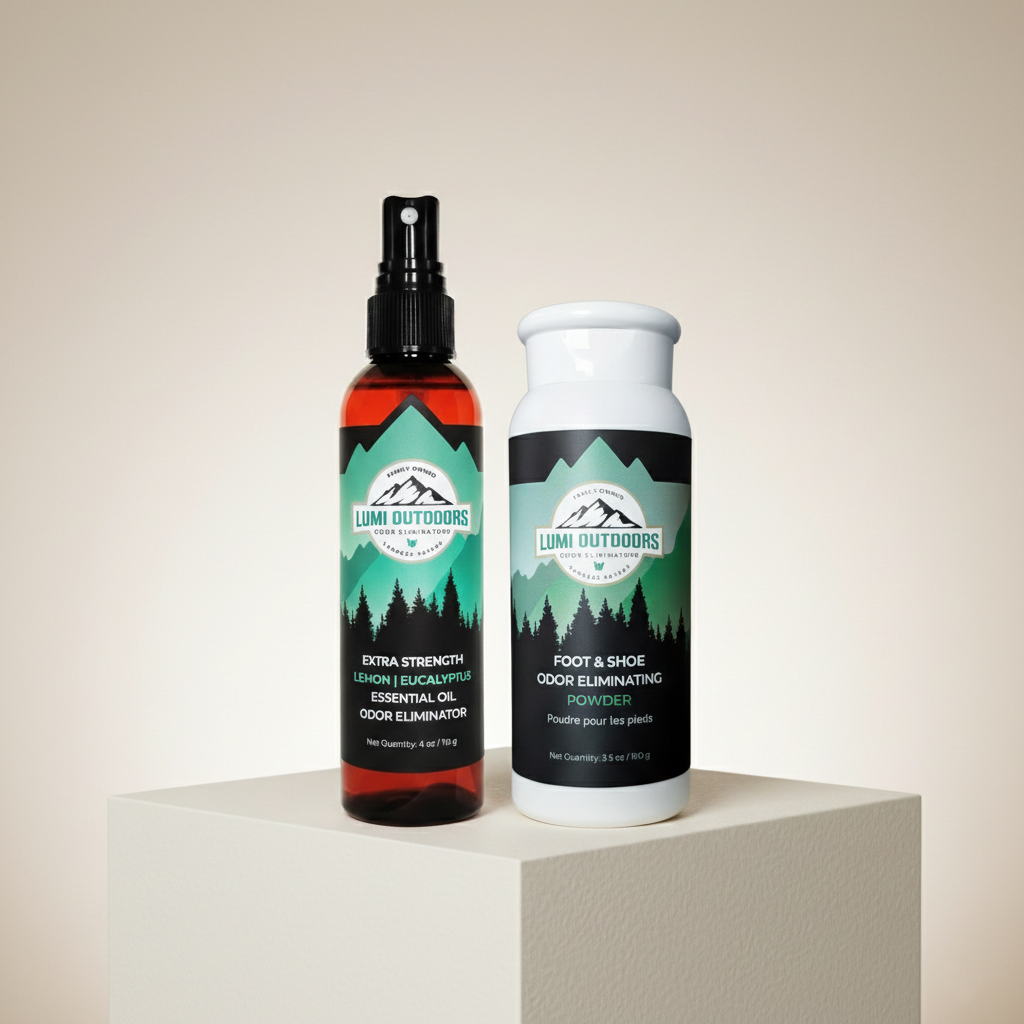
Join 1 Million+ Other People Who Chose Lumi to Conquer Their Shoe Odor.
- THE ULTIMATE 1-2 PUNCH AGAINST ODOR
- A COMPLETE KIT FOR SHOES, BAGS & GEAR
- PROUDLY FAMILY-OWNED & MADE IN UTAH
- THE "FRESH CONFIDENCE" GUARANTEE