
7 Crazy Ways to Deodorize Smelly Rain Boots: Lab-Tested and 100% Proven
- Moisture is the Root Rubber boots trap sweat and heat because they do not breathe, making moisture management the first priority.
- Absorb Before Deodorizing Newspaper and baking soda socks are excellent for pulling out dampness overnight without damaging boot materials.
- Natural is Stronger Avoid harsh chemicals like bleach and stick to plant-based oils that neutralize odors on a molecular level.

You know that specific, eye-watering scent that hits you the second your kids kick off their rain boots in the mudroom? It’s a mix of swamp water, old gym socks, and regret. We’ve all been there. You bought those expensive, high-quality rubber boots to keep their feet dry, but now the boots themselves are the problem. Because rubber and PVC don't breathe, every drop of sweat gets trapped inside. It’s like a little greenhouse for odors.
I used to think the only solution was to leave the boots outside and hope a stray cat didn't move in. But after years of trial and error with my own family’s gear, I’ve found methods that actually work. We aren't just masking the smell with flowery perfumes that make it smell like "lavender-scented swamp." We're fixing the root cause. Here are seven ways to reclaim your mudroom and save your nose.
Why Do Rain Boots Smell So Much Worse Than Regular Shoes?
Rain boots are made of non-porous materials like rubber or plastic that trap moisture and heat, creating a perfect environment for odor-causing particles to thrive. Unlike leather or canvas, these materials offer zero ventilation, meaning sweat has nowhere to go but into the boot lining.
Think about it: when you wear sneakers, a little air moves through the fabric. In a rain boot? Nothing. Your feet sweat—even in the cold—and that moisture gets absorbed by the fabric lining. If you don't dry them out perfectly, you're basically growing a science project inside your footwear. This is why you need a strategy that handles the moisture first. If you want to understand the chemistry better, Wellington boots were designed for waterproof protection, not breathability.
If you want to stop the moisture before it starts, you need a heavy-duty absorber. This is the one we keep by the door:
What You'll Need
- Unprinted Newspaper or Packing Paper
- Old Cotton Socks
- Natural Foot Powder Check Price →
- White Vinegar and Water Solution
Can You Really Use Newspaper to Dry Out Wet Boots?
Stuffing boots with crumpled newspaper is one of the most effective ways to pull moisture out of the inner lining overnight. The porous paper acts like a sponge, drawing out the dampness that allows odors to settle in.
Here’s the trick: don’t just shove one piece in there. You want to ball up several sheets of plain newsprint (avoid the glossy ad inserts) and pack them tightly all the way to the toe. If the boots are soaking wet, change the paper after two hours. It’s a bit old-school, but it works better than most high-tech gadgets. Plus, it's basically free. Just make sure the boots aren't sitting right next to a heater, as extreme heat can cause the rubber to crack over time.
How Does Baking Soda Work as a Boot Deodorizer?

Baking soda works by neutralizing the pH of acidic odor molecules, effectively "canceling out" the smell rather than just hiding it. For rain boots, it is best used in a cloth sachet or an old sock to prevent a messy residue on the inner lining.
I learned the hard way that dumping loose baking soda into a rain boot is a mistake. It turns into a gritty paste the next time your feet get even slightly damp. Instead, fill two old socks with about half a cup of baking soda each, tie them off, and drop them into the boots. This is a great "Why Your Feet Smell Like Corn Chips" fix because it tackles the acidity that causes that specific scent. However, why baking soda alone is a terrible shoe deodorizer often comes down to the fact that it doesn't kill the source—it just manages the byproduct.
Always pull out the removable insoles after a rainy day. Most of the moisture and odor-causing grime gets trapped underneath the insole, so drying them separately cuts your deodorizing time in half.
Will Tea Bags Actually Remove Tough Boot Odors?
Dry tea bags contain tannins that can help absorb some moisture and leave behind a mild, pleasant scent in lightly soiled boots. While they won't fix a severe odor problem, they are a great "emergency" fix for daily maintenance.
This is one of those "crazy" tips that actually has a bit of science behind it. Tannins are great at absorbing smells. If you’ve got a pair of boots that aren't quite "biohazard" level yet but smell a bit stale, drop two unused black tea bags into each boot and leave them for 24 hours. Just don't use wet ones—that’ll just make the problem worse. It’s a quick win for those of us who forget to do a deep clean every week.
How Do Essential Oils Neutralize Rubber Boot Smells?

Essential oils like lemongrass, eucalyptus, and tea tree contain natural compounds that break down odor-producing substances on a molecular level. Using a high-quality spray ensures these oils reach the deep corners of the boot where smells hide.
I used to think essential oils were just for diffusers, but they are heavy hitters for gear. A good spray doesn't just sit on top of the smell; it changes the environment inside the boot. You want something that uses real plant oils, not synthetic "fragrance." My husband uses his work boots for twelve hours a day in the mud, and a quick spray of a citrus-based formula is the only thing that keeps them from being banned to the porch. If you're struggling with "the big stink," check out 7 tips to deep clean rain gear to see how to prep the surface before spraying.
We compared our natural spray against the big-brand aerosols. The difference isn't just in the smell—it's in the chemistry.
| Feature | Lumi Outdoors Sprays | Standard Grocery Store Aerosols |
|---|---|---|
| Ingredient Base | Essential Oils & Plant Extracts | Synthetic Fragrance & Alcohol |
| Odor Strategy | Molecular Neutralization | Masking with Heavy Perfume |
| Safety Profile | Talc-Free, Phthalate-Free | Often contains Harsh Chemicals |
| Scent Quality | Fresh, Real Citrus/Eucalyptus | Chemical "Morning Mist" Scent |
Is White Vinegar Safe for Cleaning Rain Boot Linings?
A 50/50 mixture of white vinegar and water is safe for most boot linings and works to break down the salty residue from sweat that trapped odors cling to. The vinegar scent dissipates quickly, taking the bad smells with it as it dries.
If your boots have reached the point where they smell even when they’re dry, you might need a "reset." Lightly mist the inside with a vinegar solution and wipe it down with a clean cloth. Vinegar is amazing at cutting through the grime that builds up over a season of wear. Just be careful not to soak the outer rubber in it for too long, as some natural rubbers don't love prolonged acidity. It’s an easy way to freshen up the interior without using harsh stuff that might irritate your skin.
Why Should You Avoid Using Bleach in Your Boots?
Bleach is a harsh oxidizer that can dry out and crack natural rubber, permanently damaging the structural integrity of your rain boots. Furthermore, it often fails to penetrate the fabric lining where the actual odor-causing particles live.
I know it's tempting to reach for the strongest thing in the laundry room when the smell gets bad. But bleach is overkill. It’s hard on the environment, hard on the boots, and honestly, the fumes are just as bad as the boot smell. Stick to natural alternatives that work with the material instead of against it. Your expensive boots will last much longer, and you won't have to worry about skin irritation when you pull them on.
Is the natural route perfect? Mostly, but it does require consistency. Here's the honest breakdown:
- Completely safe for kids, pets, and sensitive skin.
- Neutralizes smells instead of just masking them with perfume.
- Extends the life of expensive rubber and PVC footwear.
- Uses high-quality essential oils for a truly fresh scent.
- Natural sprays require regular application to stay effective.
- Requires 24 hours for the most stubborn smells to fully dissipate.
At the end of the day, rain boots are always going to be a challenge. They're built to keep things out, which means they're also very good at keeping things in. But you don't have to live with the stink. By managing the moisture with newspaper or powder and neutralizing the smells with essential oils, you can keep your footwear fresh for years.
If you're tired of holding your breath every time you open the shoe closet, it's time to try a system that actually works. Stop the cycle of smelly boots today.
Ready to eliminate shoe odor for good?
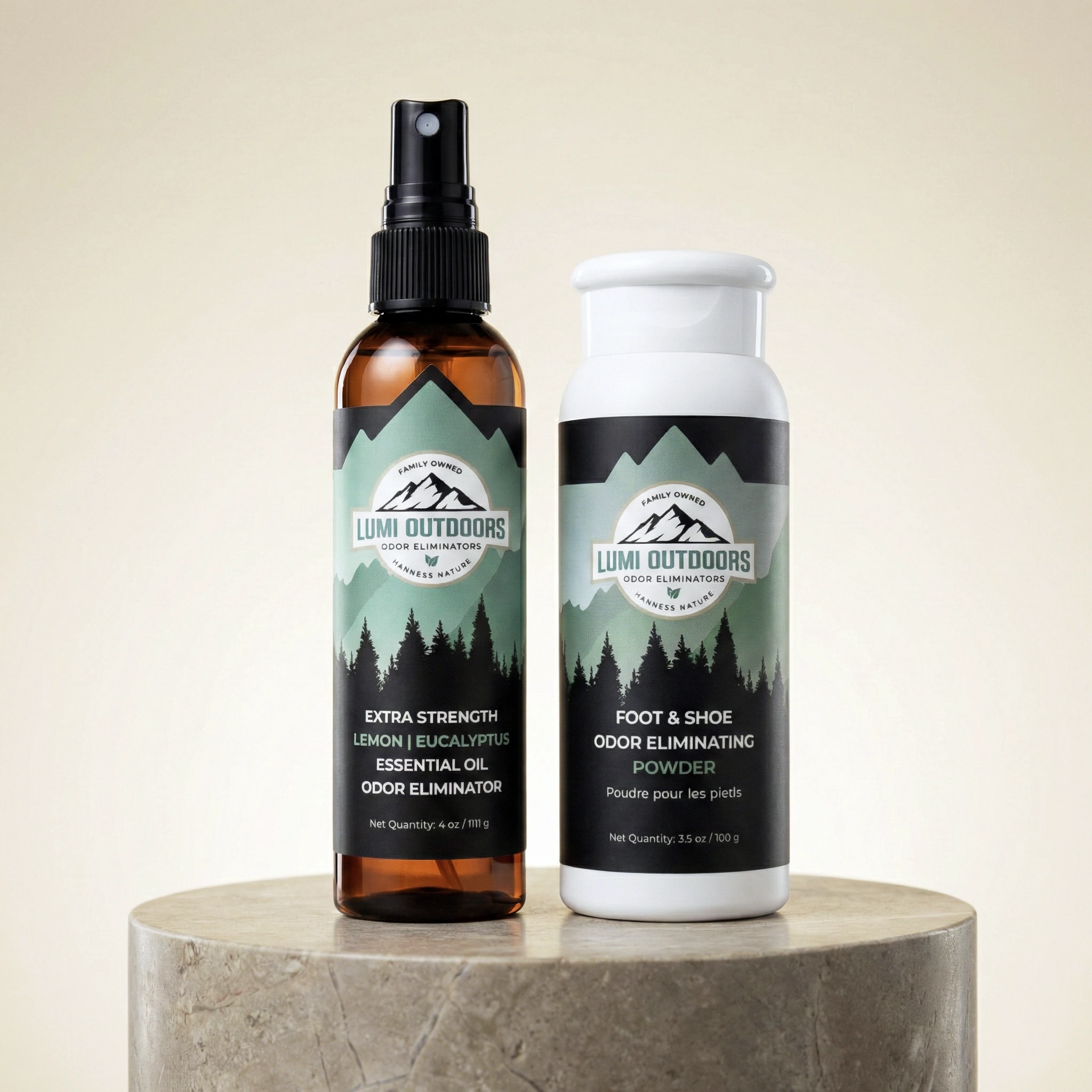
Join 1 Million+ Other People Who Chose Lumi to Conquer Their Shoe Odor.
- THE ULTIMATE 1-2 PUNCH AGAINST ODOR
- A COMPLETE KIT FOR SHOES, BAGS & GEAR
- PROUDLY FAMILY-OWNED & MADE IN UTAH
- THE "FRESH CONFIDENCE" GUARANTEE