
Deodorizing Caterpillar Second Shift Boots? Stop Using Soap!
- Soap and alcohol damage oiled leather These common DIY fixes strip the protective oils from oil-tanned leather, causing drying, cracking, and permanent discoloration — all while failing to fix the root odor problem.
- Odor lives in the insole, not the leather Cleaning the outside of the boot does nothing for smell. The bacteria are in the lining and insole, which is where your deodorizer needs to go.
- Prevent moisture first, neutralize after A talc-free foot powder applied before each wear, combined with an essential oil spray used nightly, is the two-step system that actually lasts.

You pull off your Caterpillar Second Shift boots after a ten-hour shift and the smell hits you before you even get through the door. Your partner says something. The dog leaves the room. You've tried dish soap, baking soda, even a splash of rubbing alcohol — and the smell comes right back within a day or two.
Sound familiar? You're not alone. But here's the thing: the methods you've been reaching for aren't just ineffective. Some of them are quietly destroying the very feature that makes Second Shift boots worth owning — that premium oiled leather finish.
Let's break down exactly what's going wrong, and what to do instead.
Why Do Caterpillar Second Shift Boots Smell So Bad in the First Place?
The odor in work boots comes from sweat-soaked insoles and linings where bacteria thrive in warm, dark, moist conditions. Industrial environments add a second layer — diesel, grease, and concrete dust — that binds to the leather and creates a compound smell that surface cleaning won't touch.
Your feet have more sweat glands per square inch than almost anywhere else on your body. During a full shift, they can release a surprising amount of moisture — all of it going directly into the boot's insole and lining. The bacteria that feed on that sweat release volatile organic compounds, which is the actual source of the smell. This is a condition sometimes called bromodosis, and it's extremely common among people who wear enclosed boots for long hours.
Now add a construction site, a factory floor, or a warehouse. The Second Shift is designed for that world — but those environments load the leather with additional odor compounds. They absorb into the oil-tanned leather and sit there. That's why the smell feels "deep." It is deep.
Wiping the outside of the boot does nothing for odor that lives inside the lining. And that's exactly where most popular DIY fixes go wrong.
What You'll Need
- Cedar shoe trees or boot trees for absorbing moisture during drying
- Moisture-wicking wool or synthetic work socks
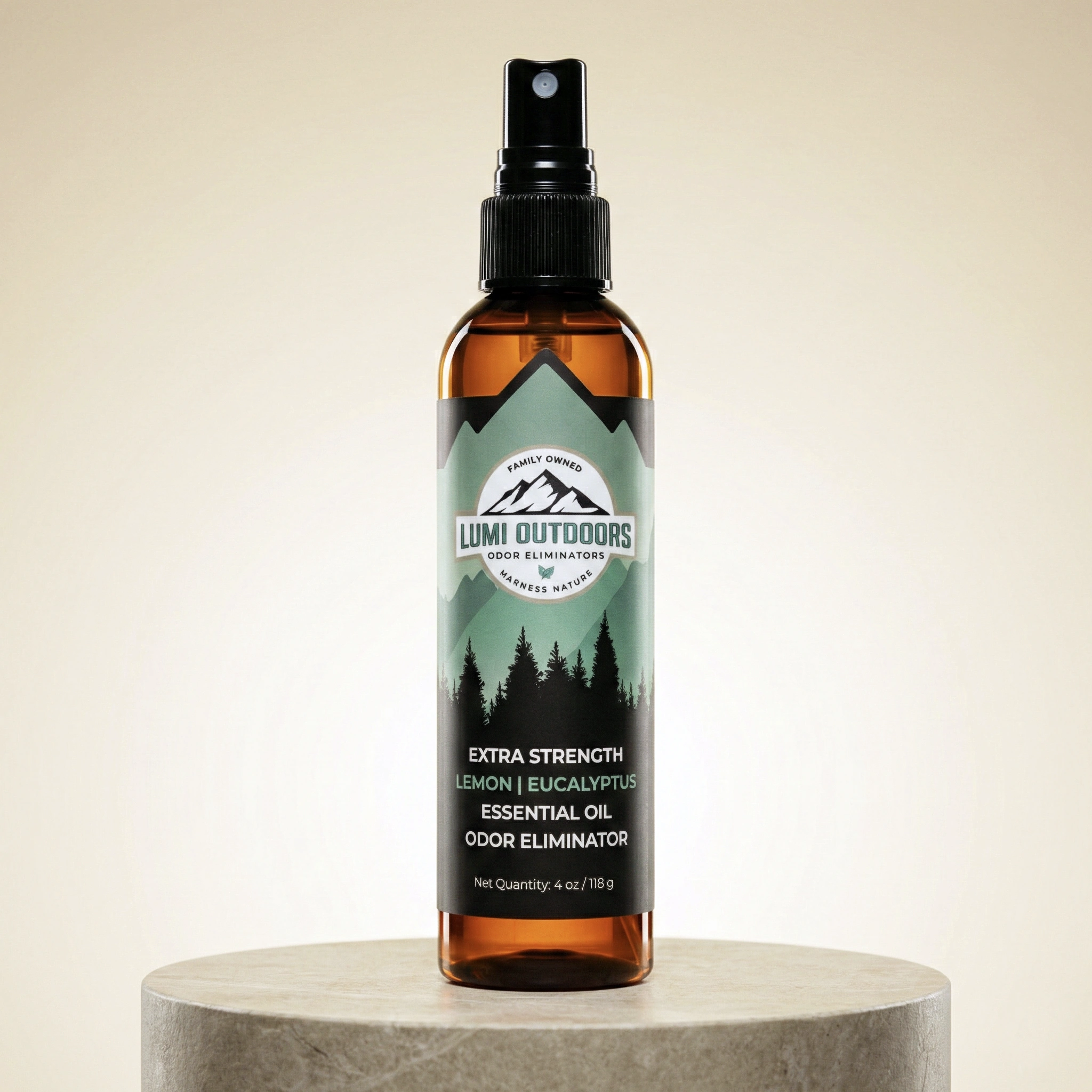
- Extra Strength Shoe Deodorizer Spray Check Price →
- Oil-tanned leather conditioner for exterior boot maintenance
What Does Soap Actually Do to Oiled Leather Boots?

Dish soap and general-purpose cleaners strip the protective oils from oiled leather, causing it to dry out, crack, and lose its water resistance. The brief freshness you get after washing is not worth the long-term damage to the leather's structure.
This is the big one. The Caterpillar Second Shift uses oil-tanned leather — a specific tanning method where oils are worked into the hide during the tanning process itself. That's what gives the boot its dark, rich color, its suppleness, and its legendary durability. The oil is not a coating on top of the leather. It's part of the leather.
Soap is a surfactant. Its entire job is to strip oils away from surfaces so you can rinse them off. When you scrub your Second Shift boots with dish soap, you're doing exactly what the soap is designed to do — pulling those embedded oils right out of the hide. You might notice the leather looks dull, feels stiffer, or starts showing fine cracks along flex points after a few washes. That's not age. That's damage.
And the smell? It's back in two days because you washed the surface but never touched the bacteria in the insole.
If you've been dealing with this same problem on other leather footwear, our guide on Don't Ruin Your Timberland PROs: The Mistake That Destroys Waterproof Leather covers a very similar issue with another popular work boot line.
Most people spray deodorizer and immediately put the boot in a closed closet — that actually slows the process down significantly. For maximum effect, pull the tongue of the boot fully open, stand it upright, and let it sit in a spot with light airflow for at least 15 minutes after spraying. The essential oil formula in the spray needs oxygen to fully activate and neutralize odor compounds. A closed, airless environment cuts its effectiveness nearly in half.
Does Baking Soda Damage Leather Boots?
Yes. Baking soda is mildly alkaline, and repeated exposure to alkaline substances disrupts the natural pH balance of leather, causing it to dry out and become brittle over time. It also leaves a powdery residue that gets ground into the boot's lining.
Baking soda is probably the most widely recommended DIY boot deodorizer on the internet. And the advice is not completely without logic — sodium bicarbonate does absorb some moisture and can neutralize acidic odor compounds. The problem is what it does to the material in the process.
Leather has a natural pH that sits in a slightly acidic range. This acidity is part of what makes the material stable and flexible. Baking soda is alkaline, sitting around a pH of 8.3. Pouring it inside a leather-lined boot repeatedly and letting it sit overnight starts to shift that balance. Over time — and we're talking weeks, not years — the lining becomes drier, more rigid, and more prone to cracking. The insole takes the worst of it.
There's also a practical problem: baking soda doesn't fully dissolve inside a boot. You shake most of it out, but a fine residue stays behind. It mixes with sweat and forms a gritty paste that accelerates wear on the insole fabric. Not exactly what you want in a boot you're asking to last several years.
The short version: baking soda gives you a temporary fix at a slow, invisible cost.
Why Is Rubbing Alcohol the Worst Thing You Can Put on Second Shift Boots?
Rubbing alcohol aggressively dehydrates leather by dissolving the oils that keep it supple. Even a small amount applied to oil-tanned leather will cause visible lightening, stiffening, and potential cracking — often permanently altering the appearance of the boot.
People reach for alcohol because it evaporates fast and has a "clean" feeling. And on a rubber gym shoe or a synthetic sneaker? It might be fine. On oiled leather? It's one of the most damaging things you can apply.
Alcohol is a solvent. It dissolves oils on contact. The oil-tanned leather of the Second Shift has those oils worked in at a molecular level — and alcohol pulls them right back out. You'll see it happen almost immediately. The spot where the alcohol lands turns lighter, sometimes almost gray. That color change is the oil leaving the leather. You can sometimes reverse it with a conditioner if you act fast, but often the change is permanent.
Beyond the cosmetic damage, dehydrated leather loses its flexibility. The fibers become rigid and start to separate along stress points — the toe box, the heel, the flex crease across the vamp. These are the exact spots that take the most abuse on a work boot. Weakening them with alcohol is a bad trade-off for a temporary smell reduction.
There's a better way to handle this. One that doesn't cost your boots anything.
We ran a direct comparison between common DIY methods and our natural spray approach. The results aren't even close:
| Feature | Extra Strength Shoe Deodorizer Spray | Dish Soap + Baking Soda DIY Method |
|---|---|---|
| Neutralizes odor at the source | Yes — plant-based essential oils break down odor compounds in the lining | No — surface-level cleaning only; smell returns within 48 hours |
| Safe for oiled leather | Yes — spray targets the interior only, never strips leather oils | No — soap strips oils; baking soda disrupts leather pH over time |
| Ease of use | 2-3 pumps into the boot lining; air dry for 10-15 minutes | Scrubbing, rinsing, waiting for full dry — risks waterlogging the boot |
| Residue left behind | None — formula fully absorbs as it dries | Baking soda leaves gritty residue that accelerates lining wear |
| Long-term leather health | Preserves leather integrity — no oil stripping or pH disruption | Gradual damage: drying, stiffening, and cracking over weeks |
What Actually Works to Neutralize Deep Boot Odor Without Damaging the Leather?

The most effective method for deodorizing Caterpillar Second Shift boots is an essential oil spray applied directly to the insole and lining, combined with proper drying time and preventative moisture control. This neutralizes odor at the source without touching the leather's oil content.
Here's the core principle that the DIY methods all miss: odor lives in the insole and the lining, not the leather exterior. You don't need to clean the outside of the boot to fix the smell. You need to neutralize what's inside.
A plant-based spray like Lumi Outdoors Extra Strength Shoe Deodorizer Spray works by delivering plant-based essential oils directly into the lining of the boot. The lemon and eucalyptus formula doesn't just mask the smell — the essential oils break down the organic compounds that produce odor in the first place. No rinsing. No drying time that strips leather. No residue.
Here's the simple routine that actually works:
Step 1: Remove the Insole
Pull the insole out of each boot after every shift. This is the single most important step most people skip. The insole is where 90% of the odor lives. Leaving it inside a sealed boot is like putting wet laundry in a bag and wondering why it smells.
Step 2: Let the Boot Air Out
Set the boots upright in a well-ventilated area — not shoved in a closet, not packed in a bag. Use a boot dryer or a boot tree if you have one. Cedar shoe trees work well here because cedar naturally draws out moisture. Give the boots at least an hour of open-air drying before you apply anything.
Step 3: Spray the Interior
Spray 2-3 pumps of the Extra Strength Shoe Deodorizer Spray directly into the boot lining and onto the bottom of the insole. Let it air dry for 10-15 minutes. The formula does its work as it dries. You don't need to wipe it out.
Step 4: Add Preventative Powder Before Your Next Shift
Once the boot is dry, sprinkle a light layer of Lumi Outdoors Natural Foot Powder into the boot before you put it on. The talc-free, plant-based formula absorbs sweat throughout the day, which starves the odor-producing bacteria of the moisture they need. Less moisture = less smell by end of shift. It's a proactive step, not a reactive one.
Using both the spray and the powder together is what the serious solution-stackers do. The powder handles prevention during the day; the spray handles neutralization at night. They work from two different directions on the same problem.
This same approach works on other demanding footwear. If you've got a family member dealing with cleat odor, our guide on Stop Youth Cleat Stink! 5 Proactive Tips for Football Moms uses the same logic — prevent moisture first, neutralize after.
How Do You Maintain and Protect the Oiled Leather After Deodorizing?
After deodorizing the interior, condition the exterior leather every 4-6 weeks with a product specifically formulated for oil-tanned leather. This replenishes the oils that daily wear — and environmental exposure — gradually draw out, keeping the boot supple and water-resistant.
Deodorizing the inside and conditioning the outside are two separate jobs. Don't conflate them. The spray goes inside, on the lining and insole only. The conditioner goes outside, on the leather upper.
For the Second Shift specifically, you want a conditioner designed for oil-tanned or waxed leather — not a generic shoe polish. Something like mink oil, neatsfoot oil, or a quality beeswax-based leather balm will work. Apply a thin coat, work it in with a clean cloth, and let it absorb for several hours. The leather will darken slightly when it's well-conditioned — that's normal and expected.
A well-conditioned boot also resists odor absorption better, because the tighter, more supple leather surface doesn't hold onto contaminants the way dry, cracked leather does. Conditioning is maintenance. Skipping it is how a $150 boot turns into a six-month boot.
The tanning process that makes oil-tanned leather so durable is also what makes it sensitive to harsh treatments — understanding that distinction is the difference between boots that last two years and boots that last ten.
Nothing's perfect. The spray-and-powder system requires consistency — it won't fix years of built-up odor in a single application. Here's the honest breakdown:
- Plant-based essential oils neutralize odor compounds rather than just masking them
- Safe for oil-tanned and waxed leather — no stripping, no drying, no discoloration
- No rinsing required — apply and walk away
- Lemon and eucalyptus scent is clean and not overpowering
- Works on the insole, lining, and any boot material without damage
- Heavily set-in odor from months of wear may require 3-5 consecutive nightly treatments before fully clearing
- Requires a consistent daily habit — skipping applications during heavy-use weeks lets odor rebuild
Can You Prevent Work Boot Odor From Getting That Bad Again?
Yes. Rotating between two pairs of boots, removing insoles daily, and applying foot powder before each wear dramatically reduces odor buildup — because boots need at least 24 hours to fully dry between wears.
Prevention is always easier than treatment. Once odor gets deep-set into a boot's lining — we're talking months of consistent wear without proper drying — it takes repeated treatments to fully neutralize. You can get there, but it takes longer.
The single biggest change most people can make: stop wearing the same boots two days in a row. A boot that's worn ten hours a day needs more than a few hours overnight to fully dry out. If you have a second pair you can rotate in, each boot gets a full 24-48 hours to air out between wears. The odor problem often solves itself at that point, especially if you're using powder daily.
A few other habits that make a real difference:
- Wear moisture-wicking socks. Cotton holds sweat against your foot. Wool or synthetic blends pull it away.
- Pull the insoles out at the end of every shift — even if you're tired. This one step matters more than anything else.
- Store boots upright with the tongues pulled open, in a ventilated area. Not in a gym bag. Not in the trunk of your car.
- Apply the foot powder before you put the boots on, not after you take them off.
The research on moisture and bacterial growth is straightforward: occupational health guidance from the CDC has long pointed to moisture management as the primary factor in foot health for workers in physically demanding environments. Dry feet are healthy feet. Healthy feet are feet that don't stink.
These aren't complicated changes. They're just habits. And once they click into place, you stop thinking about boot smell entirely — which is exactly where you want to be.
- Plant-based essential oils neutralize odor compounds rather than just masking them
- Safe for oil-tanned and waxed leather — no stripping, no drying, no discoloration
- No rinsing required — apply and walk away
- Lemon and eucalyptus scent is clean and not overpowering
- Works on the insole, lining, and any boot material without damage
- Heavily set-in odor from months of wear may require 3-5 consecutive nightly treatments before fully clearing
- Requires a consistent daily habit — skipping applications during heavy-use weeks lets odor rebuild
Still pulling off your boots and dreading what comes next?
Join 1 Million+ Other People Who Chose Lumi to Conquer Their Shoe Odor.
- DESTROYS ODOR AT THE SOURCE, DOESN'T JUST MASK IT
- ALL-NATURAL & PLANT-BASED INGREDIENTS
- PROUDLY FAMILY-OWNED & MADE IN UTAH
- THE "FRESH CONFIDENCE" GUARANTEE