
5 Simple Steps to Clean Hospital Clogs and Refresh Your Mind After a Long Shift
- Clean by Material Scrub rubber clogs with soap and use a damp cloth for leather to prevent material damage.
- Neutralize, Don't Mask Use natural essential oil sprays to break down sweat oils rather than masking them with perfumes.
- Reset Your Mind Establish a sensory routine with lavender scents to help your brain transition from work to rest.

You know that feeling. You've just clocked out after a 12-hour shift, your legs feel like lead, and the first thing you want to do is peel off those hospital clogs. But as soon as they come off, that "hospital smell" hits you. It’s a mix of sweat, floor wax, and a long day of running between rooms. It’s not just about the dirt on the outside; it’s about that lingering funk that seems to follow you into your car and all the way home.
I’ve been there. Walking through the door and feeling like you need to decontaminate before you can even hug your kids. Keeping your work gear clean isn't just a chore; it’s how you keep your work life from bleeding into your home life. Here’s the thing: cleaning those clogs doesn't have to be a massive project. With the right routine, you can walk into your next shift with fresh feet and a clear head.
How Do You Clean Rubber or Plastic Hospital Clogs Without Damaging Them?
The best way to clean rubber hospital clogs is by scrubbing them with a soft brush and soapy water, followed by a quick wipe with a diluted vinegar solution. This removes surface grime and neutralizes odors without degrading the specialized foam or rubber materials.
Most popular clogs, like Crocs or molded foam shoes, are surprisingly resilient. Start by taking a soft-bristled brush and some mild dish soap. Give the outside a good scrub to get rid of any "floor juice" or spills from the shift. Don't forget the treads! Hospital floors are notorious for trapping gunk in the soles of your shoes.
Once the visible dirt is gone, mix a little white vinegar with water and wipe down the interior. This helps cut through the film that sweat leaves behind. Just be sure to avoid high heat. If you try to dry them with a hair dryer or leave them in a hot car, they might shrink or warp. If your feet are starting to smell a bit like a snack food aisle, you might want to check out Why Your Feet Smell Like Corn Chips (And How to Fix It) to see what’s really going on inside your socks.
If you want to stop the moisture before it starts, you need a heavy-duty absorber. This is the one we keep by the door:
What You'll Need
- Soft-bristled brush
- Microfiber cloth
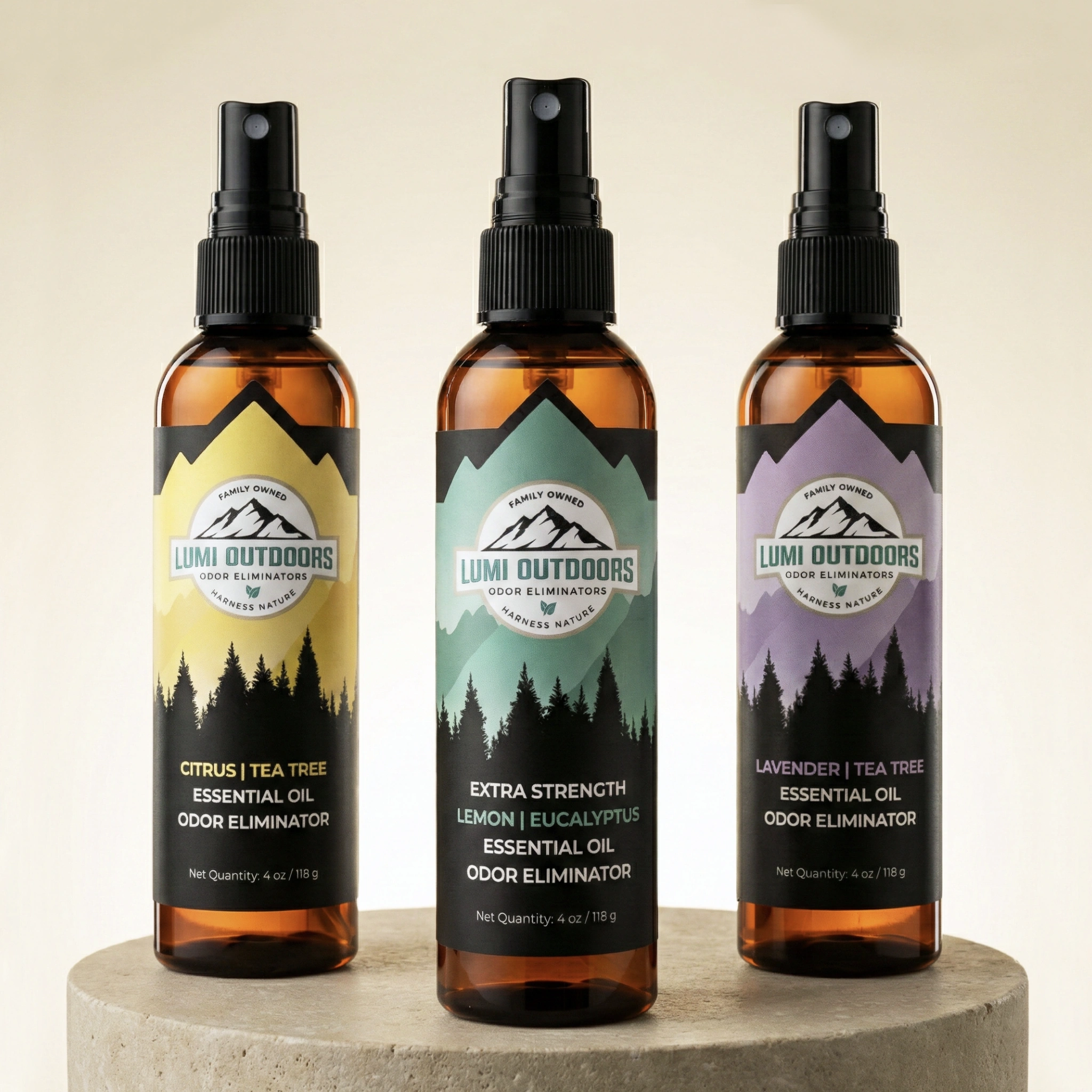
- The Variety Bundle | 3-Pack (Lemon Eucalyptus, Citrus, Lavender) Check Price →
- White vinegar
What Is the Best Way to Refresh Leather Nursing Shoes?

Refreshing leather nursing shoes requires a damp microfiber cloth for surface dirt and a dedicated leather conditioner to keep the material supple. Avoid soaking leather shoes, as excessive moisture leads to cracking and permanent odor retention.
Leather clogs, like Danskos, need a bit more love than their rubber cousins. You can't just toss these in a sink of water. Instead, use a damp microfiber cloth to wipe away the day's grime. If they’ve lost their shine, a quick dab of leather conditioner once a month will keep the material from cracking.
For the inside, since you can't soak them, you'll need something that can neutralize smells without saturating the leather. A light mist of a natural spray works wonders here. Just make sure they are completely dry before you slip them back on for your next shift. Damp leather is a magnet for smells, and once that scent gets deep into the grain, it's hard to get out.
Place your clogs in front of a fan—not a heater—immediately after your shift. Constant airflow for just two hours does more to prevent permanent stink than twelve hours of sitting in a dark closet or locker.
How Can You Remove Stubborn Odors from Hospital Shoes?
To eliminate deep-seated odors in medical footwear, use a plant-based spray that neutralizes odor molecules at the source. Regular application after every shift prevents sweat from soaking into the shoe's lining and creating a permanent scent.
Sometimes, soap and water just don't cut it. Sweat is mostly water, but it’s the salts and oils that get trapped in the shoe lining that cause the real problems. If you've been relying on the orange box in your pantry, you might find that baking soda alone is a terrible shoe deodorizer because it often leaves a messy paste and doesn't actually solve the underlying moisture issue.
Instead of masking the scent with "fresh linen" perfumes that just smell like flowery sweat, look for something with tea tree or eucalyptus. These natural oils actually break down the stuff that makes shoes smell. I usually keep a bottle of Natural Citrus Tea Tree Shoe Deodorizer Spray in my gym bag and my locker. It’s a quick ritual: spray, let them breathe, and walk away.
We compared our natural spray against the big-brand aerosols. The difference isn't just in the smell—it's in the chemistry.
| Feature | Lumi Outdoors Natural Sprays | Big-Brand Aerosols |
|---|---|---|
| Ingredient Base | Essential Oils & Alcohol | Synthetic Fragrance & Propellants |
| Odor Action | Neutralizes molecules at the source | Masks odor with heavy perfume |
| Scent Experience | Crisp, natural, and calming | Overwhelming chemical 'freshness' |
Why Is a Post-Shift Decompression Routine Important for Healthcare Workers?

A post-shift decompression routine helps your brain switch from "work mode" to "home mode" by using sensory cues like calming scents and physical comfort. This transition lowers stress levels and improves sleep quality after demanding 12-hour rotations.
Working in healthcare means your brain is constantly "on." When you get home, you need a way to tell your nervous system that it’s safe to relax. It’s not just about cleaning your shoes; it’s about cleaning the air around you. According to the National Institute for Occupational Safety and Health (NIOSH), maintaining physical and mental boundaries is a big part of avoiding burnout.
One of the easiest ways to do this is with scent. As soon as I get home and put my gear away, I use a little Lavender Vanilla Room Spray. Lavender is well-known for its calming properties. It’s like a signal to my brain: "The shift is over. You can breathe now." It turns the house from a place where a tired nurse lives into a sanctuary where a person can rest.
How Do You Maintain Hospital Clogs to Make Them Last Longer?
Maintain your hospital clogs by rotating between two pairs every other shift and storing them in a cool, dry place with plenty of airflow. This allows the shoes to fully dry out, which preserves the structural support and prevents smells from taking root.
If you wear the same pair of clogs every single day, you're never giving the foam a chance to fully decompress or the lining a chance to fully dry. This is how clogs lose their support and start to smell like a locker room. If you can, buy two pairs. Rotate them. It sounds like an extra expense, but it actually doubles the life of both pairs because they aren't being constantly broken down by moisture.
Also, keep them out of your locker if possible. Lockers are where airflow goes to die. If you have to leave them at work, try to find a spot with a little breeze. A pair of well-maintained shoes won't just save you money; they’ll save your back and your nose.
Is the natural route perfect? Mostly, but it does require consistency. Here's the honest breakdown:
- Uses high-quality essential oils instead of chemicals
- Effectively stops the 'nursing shoe' funk at the source
- Helps extend the life of expensive footwear pairs
- Requires daily application for best results
- Natural scents fade faster than synthetic perfumes
The bottom line is that your hospital clogs do the heavy lifting for your body all day long. They deserve a little care in return. By taking five minutes after your shift to scrub, spray, and reset, you’re not just cleaning footwear. You’re making sure that when you step through your front door, you’re leaving the stress of the hospital exactly where it belongs: behind you.
Ready to leave the 'hospital smell' at the door?
Join 1 Million+ Other People Who Chose Lumi to Conquer Their Shoe Odor.
- THE BEST VALUE: STOCK UP & SAVE
- DISCOVER YOUR FAVORITE SCENT
- PROUDLY FAMILY-OWNED & MADE IN UTAH
- THE "FRESH CONFIDENCE" GUARANTEE