

3 Fast Ways to Stop Smelly River Shoes From Stinking Up Your Car
- Air First Keep river shoes outside or in a vented bag for at least 20-30 minutes before they enter the car — this is the single most effective free fix.
- Skip the Freezer Freezing only makes bacteria dormant, not dead — the smell returns once shoes warm up, often worse than before.
- Target the Cabin If odor has already transferred to your upholstery, use a plant-based neutralizing spray directly on fabric — synthetic air fresheners react with organic compounds and make it worse.

River water isn't just water — it carries algae, sediment, and organic material that begin decomposing the moment your shoes leave the current. Combine that with synthetic mesh and neoprene that traps moisture for hours, and you've got a bacterial incubator sitting in your back seat. The fix comes down to three things: immediate moisture removal, targeted odor neutralization, and smart containment before the smell bonds to your car's fabric.
Here are the three methods ranked from free-and-instant to the more thorough fix for shoes that have seen a few too many river crossings.
1. Air Them Out Before They Touch Your Car
The single most effective thing you can do is keep wet river shoes outside the vehicle entirely for the first 20-30 minutes after your trip — hung from a rack, clipped to a carabiner on your pack, or simply set on the bumper while you change. This gives the worst of the moisture and volatile organic compounds time to dissipate before they're trapped in an enclosed space.
River shoes — especially those with neoprene uppers like Chaco Z/Cloud or Keen Newports — can hold up to 3x their dry weight in water. That's a lot of moisture to bring into a car. The problem isn't just wetness; it's what's in the water. Rivers carry Pseudomonas bacteria and decomposing plant matter that release sulfur compounds as they break down. Those compounds are what give river shoes that distinctive "wet dog meets low tide" smell.
If you can't wait outside, at minimum, crack all four windows and run the fan on high for the first 10-15 minutes of driving. That alone won't stop the smell from developing, but it slows the off-gassing process before it saturates your headliner.
Don't underestimate how quickly odor embeds in car fabric. According to research on volatile organic compounds, organic molecules can bond to porous surfaces like seat foam within minutes of exposure — which is why a 20-minute drive home with wet shoes can leave a smell that lasts for days.
2. Pack a Mesh Bag — Never a Plastic Grocery Bag

Sealing wet river shoes in a plastic bag creates an anaerobic environment that accelerates bacterial fermentation — the same process that turns river muck into a full-scale biohazard. Use a breathable mesh bag or a vented dry bag instead, and the smell stays contained without getting dramatically worse during the drive home.
This is the free fix that most people overlook entirely.
A plastic grocery bag traps humidity at 100%, turning your shoes into a petri dish for the next two hours. A mesh stuff sack — the kind that comes with cheap camping gear — lets moisture evaporate while still keeping your upholstery dry. You can get a drawstring mesh bag for under $5 at any outdoor retailer, or repurpose an onion bag from the grocery store. It doesn't need to be fancy.
Place the mesh bag in your trunk rather than the passenger cabin. The trunk has less upholstered surface area and better air separation from the HVAC system that circulates cabin air. Wet shoes in the back seat go directly into your A/C return — which is why the smell hits you in the face the moment you turn the fan on during your next drive.
Speedo, Sea to Summit, and plenty of generic brands make vented wet/dry bags designed specifically for this use case. If you're doing river trips regularly, a $12 vented bag is one of the better investments you'll make.
Most river shoe odor lives in the midsole foam, not the upper fabric — which is why rinsing the outside does almost nothing. After a trip, prop the shoes sole-up in a sunny spot for 20 minutes. UV exposure disrupts bacterial cell membranes and the heat speeds moisture evaporation from the foam core. It won't replace a good deodorizing spray for serious odor, but it's one of the best free maintenance habits you can build into your post-river routine.
3. Freeze Your River Shoes to Kill the Smell (No, This Doesn't Work)
Freezing shoes does not eliminate odor. Cold temperatures make odor-causing bacteria dormant — not dead. The moment your river shoes thaw, the bacteria reactivate and the smell returns within hours, often worse than before because the freeze-thaw cycle can break down foam materials slightly, creating more surface area for bacteria to colonize.
This one gets passed around online as a clever life hack. It's not.
The science of freezing shoes is pretty clear: Pseudomonas and other gram-negative bacteria that thrive in river environments can survive temperatures well below 0°C in a dormant state. Your home freezer hits around -18°C — cold enough to pause activity, not enough to destroy it. You're essentially putting the smell on pause for 24 hours and calling it a fix.
The real problem with river shoe odor isn't surface-level bacteria — it's biofilm. A biofilm is a thin layer of bacteria that secretes a protective matrix, essentially armoring itself against simple interventions like cold, baking soda, or a quick rinse. This is why your river shoes can smell clean right out of the wash and reek again within a day of wearing them.
Baking soda has a similar limitation. It absorbs some moisture and neutralizes surface-level acidity, but it doesn't penetrate the foam midsole or the neoprene lining where biofilm actually lives. It's useful as part of a maintenance routine — not as a standalone fix for shoes that have been sitting in a hot car for two hours post-river.
If you want a genuinely effective odor-neutralizing approach, you need something that targets the bacterial source directly. For embedded odor in synthetic materials, Lumi's Extra Strength Shoe Deodorizer Spray is what we'd reach for — spray the inside thoroughly, let it dry for 15 minutes, and the lemon eucalyptus formula gets into the foam rather than just sitting on the surface. The scent is noticeable for the first 10 minutes or so, then fades neutral. One honest caveat: if you have cats, keep the sprayed shoes in a closed room until fully dry, since eucalyptus essential oil can be irritating to them.
For competing options: Rocket Pure Natural Shoe Deodorizer uses a peppermint-based formula that works reasonably well for lighter odors, and OdoBan makes a concentrated spray that's effective for thorough post-trip cleanups if you don't mind the chemical smell. Neither is designed specifically for the dense synthetic materials in river shoes, but both beat freezing every time.
What About the Smell That's Already in Your Car?
If the odor has already transferred to your car's cabin, a standard air freshener won't fix it — it'll combine with the organic compounds already in your upholstery and create something worse. You need a spray that neutralizes odor molecules rather than covering them with synthetic fragrance.
Synthetic perfumes react with organic decay compounds to produce new, often more nauseating combinations. That's the science behind why "ocean breeze" air freshener in a car that smells like river muck somehow smells worse than either one alone. The molecules don't cancel each other — they layer.
The better approach: open all doors and let the car air out for 20-30 minutes, then use a plant-based room spray on the floor mats and seat fabric — not just in the air. Lumi's Lemon Vanilla Room Spray is built to neutralize odor molecules rather than mask them, and it's safe to use directly on upholstery without leaving residue. A few spritzes on the floor mats, a pass over the rear seat — give it five minutes with the doors open and the smell is genuinely different, not just covered.
For floor mats that have taken repeated wet-shoe abuse, you'll want a more aggressive approach. Check out this guide on carpet cleaning mistakes before you go at it with a brush — the wrong scrubbing technique can push odor compounds deeper into the fibers rather than removing them.
One last thing worth knowing: the car's HVAC cabin air filter traps organic particles over time. If you've been hauling river gear for a season and the smell persists even after treating the shoes and upholstery, replace the cabin filter. It's a $15-20 part, takes about five minutes to swap, and it's one of the most overlooked sources of persistent car odor there is.
Want to stop river shoe smell before it ruins your car?
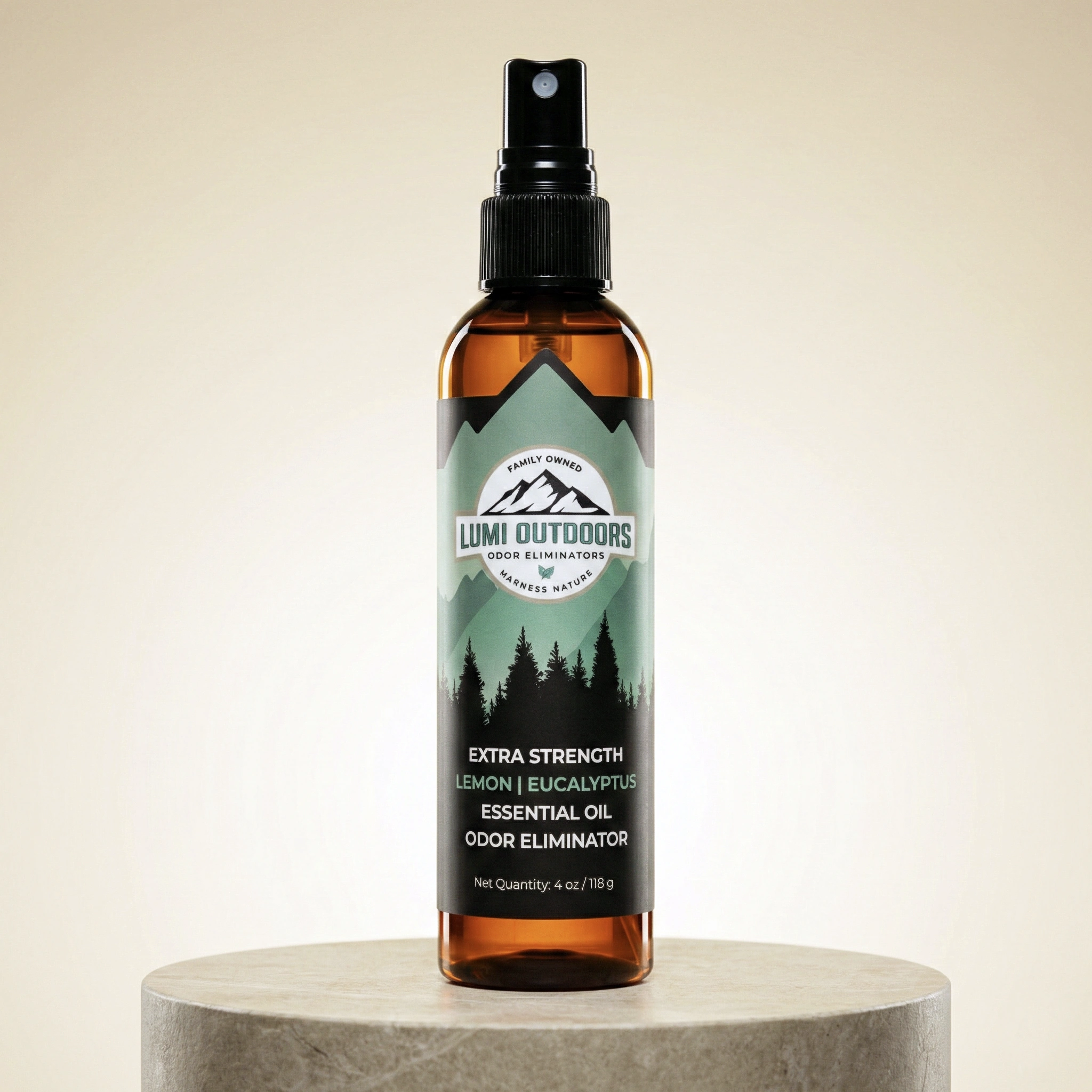
Join 1 Million+ Other People Who Chose Lumi to Conquer Their Shoe Odor.
- DESTROYS ODOR AT THE SOURCE, DOESN'T JUST MASK IT
- ALL-NATURAL & PLANT-BASED INGREDIENTS
- PROUDLY FAMILY-OWNED & MADE IN UTAH
- THE "FRESH CONFIDENCE" GUARANTEE