
Get 48-Hour Sweat Protection for Your Smelly Motorcycle Helmet
- Safety First Natural sprays with essential oils neutralize odors without damaging the helmet foam.
- Timing Matters Mist the liner immediately after riding while the material is still warm to trap the scent.
- Airflow is Key Always use a fan to ensure the interior is bone-dry before your next ride.

There is nothing quite like the feeling of the open road, the wind in your face, and the freedom of two wheels. But let's be real for a second—what happens when the kickstand goes down and the helmet comes off? If you’ve ever winced at the "helmet funk" hitting you as you walk into a coffee shop, you’re not alone. It’s that damp, stale, locker-room scent that seems to cling to your hair and forehead long after the ride is over.
As a parent of a kid who lives in his football cleats and a spouse to someone who spends all day in work boots, I know a thing or two about stubborn smells. But a motorcycle helmet? That’s personal. It’s right there against your face. You breathe it in every mile. And if we’re being honest, most of us don't have the time (or the patience) to pull out the liner and hand-wash it every single weekend. We need something that actually works, and we need it to last through more than just a quick trip to the grocery store.
Why Does Your Motorcycle Helmet Smell So Bad After Riding?
Motorcycle helmets smell because the tight, padded environment traps sweat, skin oils, and hair products, creating a breeding ground for odor-causing particles. Since helmets lack significant airflow when sitting still, moisture stays locked in the foam and fabric liners, leading to a persistent, sour scent.
Think about what’s happening inside that lid. You’re working hard, even if it doesn't feel like a "workout." Your head is one of the hottest parts of your body, and it’s encased in foam and plastic. According to experts at evaporative cooling, sweat is your body's way of cooling down, but inside a helmet, that sweat has nowhere to go. It soaks into the cheek pads. It saturates the top liner. It mixes with the oils from your skin and whatever pomade or hairspray you used that morning.
If you just toss your helmet on a shelf in a dark garage after a ride, you’re basically making a "stink soup." The moisture never fully evaporates, and those odor molecules settle deep into the fibers. Before you know it, your expensive gear smells like a gym bag that’s been left in a hot car. It's frustrating, it’s gross, and let's face it—it’s a little embarrassing when you’re trying to look cool at a bike meet.
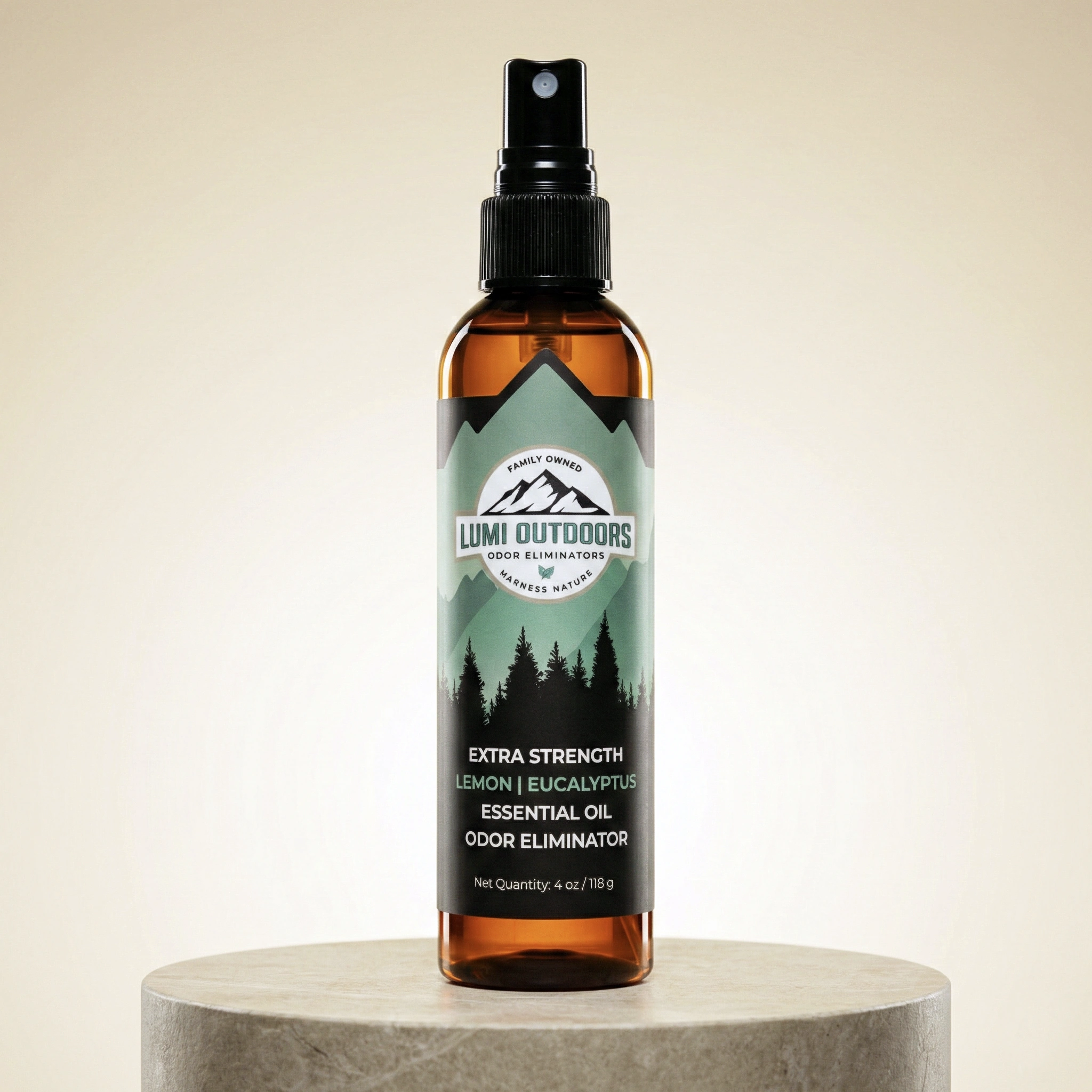
If you want to stop the moisture before it starts, you need a heavy-duty neutralizer. You don't need a chemistry degree to fix this. You just need the right tool. This is the one we keep by the door:
What You'll Need
- Microfiber cloth for wiping liners
- Small desk fan for rapid drying
- Extra Strength Shoe Deodorizer Spray Check Price →
- Soft-bristled brush for deep cleaning fabric
Can You Use Shoe Deodorizer on a Motorcycle Helmet?
Yes, you can safely use a high-quality, natural shoe deodorizer on a motorcycle helmet liner as long as it is free from harsh chemicals and aerosols that could degrade the EPS foam. Natural sprays using essential oils like lemon and eucalyptus are effective at neutralizing trapped odors without irritating your skin.
I know what you're thinking: "Isn't shoe spray for, well, feet?" Here's the secret: the sweat on your feet isn't all that different from the sweat on your scalp. Both are trapped in dark, cramped spaces. The key is making sure you aren't spraying cheap, synthetic perfumes or harsh solvents near your face. You’re going to be breathing this stuff in for hours. This is why I always reach for the Extra Strength Shoe Deodorizer Spray. It uses plant-based ingredients like eucalyptus, peppermint, and lemon. It doesn't just "cover up" the smell with a fake floral scent; it actually tackles the source of the odor.
Unlike those big-box store aerosols that leave a sticky residue, a natural spray dries clean. You won't feel like you've dipped your head in a vat of chemicals. Plus, if it can handle the "cleat-stink" from a teenager's soccer bag, a motorcycle helmet is a walk in the park. Just be sure to avoid anything with heavy alcohols that might dry out your cheek pads or make the foam brittle over time.
What Is the Best Way to Deodorize a Helmet Liner Between Washes?

The best way to deodorize a liner between deep cleans is to lightly mist the interior with a natural essential oil spray and then allow it to air dry in a well-ventilated area with a fan. This neutralizes odor-causing moisture and oils without the need for time-consuming disassembly of the helmet padding.
We've all tried the "lazy" methods. I once tried just sticking a dryer sheet in my helmet. Do you know what that got me? A helmet that smelled like "Fresh Linen" mixed with old gym socks. It was worse. You have to actually break down the oils that are trapped in the fabric.
For a quick refresh, I recommend the 3-step approach. First, give the inside a quick wipe with a dry cloth to pick up any loose surface oils. Second, give the cheek pads and top liner a few generous mists of your deodorizer. Finally—and this is the part most people skip—let it breathe! Don't put it back in its carrying bag or a closed closet. Set it in front of a window or a small desk fan. The airflow is what carries the neutralized scent molecules away, leaving your gear smelling like actual lemons instead of a chemistry lab.
For deep-seated smells, place your helmet upside down near a dehumidifier or a gentle fan for 2 hours after spraying. This pulls the moisture out of the dense cheek pads much faster than air-drying alone, ensuring the scent molecules lock into the dry fibers.
How Do You Apply Deodorizer Spray Without Ruining the Foam?
To protect the helmet's internal EPS foam, always spray the deodorizer onto the fabric liner from at least 6-8 inches away to ensure a fine, even mist. Avoid "soaking" the material, as excess liquid could seep through the fabric and potentially affect the adhesive or the foam structure over long-term use.
Safety is the number one priority when it comes to gear. That foam (the EPS liner) is what actually protects your head in a crash. You never want to use anything that could melt or weaken it. This is why you should avoid products with high concentrations of butane or propane (common in aerosols).
When I use the Natural Citrus Tea Tree Shoe Deodorizer Spray, I treat it like a fine perfume. A little goes a long way. If your pads are particularly gross, it's tempting to just saturate them. Don't. Instead, do two light applications about 30 minutes apart. This gives the first layer time to work its magic and evaporate before you add more moisture. If you’re worried about sensitive skin, you can even spray a microfiber cloth first and wipe the pads down. It’s a great way to control exactly where the product goes.
I tested our natural spray against the big-brand aerosols for a week of commuting. Here's what I found:
| Feature | Extra Strength Shoe Deodorizer Spray | Generic Chemical Aerosol |
|---|---|---|
| Ingredient Base | Pure Essential Oils (Lemon, Eucalyptus) | Synthetic Fragrance & Butane Propellants |
| Residue | Dries clean with no sticky buildup | Can leave a greasy or powdery film |
| Skin Sensitivity | Plant-based and gentle on forehead skin | Harsh chemicals can cause breakouts |
| Odor Action | Neutralizes at the source | Masks odor with heavy perfume |
How Can You Prevent Sweat Odor in Your Helmet for 48 Hours?

To achieve 48-hour odor protection, use a high-strength natural spray immediately after your ride while the liner is still warm and the pores of the fabric are open. This allows the essential oils to penetrate deeper into the padding, providing a lasting freshness that holds up through multiple subsequent rides.
The trick to that "48-hour" window isn't just about the product; it's about the timing. If you wait until the helmet smells like a swamp to treat it, you're playing catch-up. I like to keep a bottle of the The Variety Bundle | 3-Pack (Lemon Eucalyptus, Citrus, Lavender) in the garage. As soon as I get home and the helmet is still "warm," I give it a quick spritz.
This "preventative strike" keeps the odors from setting in. It's like how we've learned to stop youth cleat stink—you have to get ahead of the problem. If you’re heading out on a weekend trip, treat your helmet on Friday night. By Sunday afternoon, you’ll still be smelling the faint, clean scent of eucalyptus instead of the guy who rode 300 miles in the sun.
Is the natural route perfect? Mostly, but it does require a bit more consistency than just blasting it with toxic chemicals. If you forget to let it dry, you're just adding wetness to wetness. Here is the honest breakdown of what you can expect:
- Effective on the toughest sweat odors.
- Safe for all helmet brands and liner materials.
- No synthetic chemicals to irritate your face or skin.
- Lasts significantly longer than standard air fresheners.
- The natural lemon scent is quite strong initially (though it fades to a clean finish).
- Requires 15-30 minutes of drying time for the best results.
At the end of the day, your gear is an investment. You wouldn't skip an oil change, so why skip the maintenance on the one thing that touches your face every time you ride? Using a natural, high-performance spray isn't just about smelling good; it's about making your helmet a place you actually want to put your head. No more "stink-cloud" at the gas station. Just fresh, clean air and the open road. That’s how riding should feel.
If you're ready to ditch the funk for good, I highly recommend grabbing a bottle of the Extra Strength spray. It’s been a total lifesaver for my family’s gear, from work boots to lids. Ride safe, and stay fresh!
Ready to end the helmet funk for good?
Join 1 Million+ Other People Who Chose Lumi to Conquer Their Shoe Odor.
- DESTROYS ODOR AT THE SOURCE, DOESN'T JUST MASK IT
- ALL-NATURAL & PLANT-BASED INGREDIENTS
- PROUDLY FAMILY-OWNED & MADE IN UTAH
- THE "FRESH CONFIDENCE" GUARANTEE