
3 Ways to Dry & Deodorize Wet Cleats Before Tomorrow's Game
- Avoid Heat High heat from dryers or radiators can melt the glues and warp the soles of expensive cleats.
- Maximize Airflow Remove insoles and use a box fan with newspaper to pull moisture out from the inside.
- Spray Early Applying natural essential oil sprays while the material is still damp ensures deeper penetration and better freshness.

I've been there. It’s 8:00 PM on a rainy Saturday, and you’re standing in the garage staring at a pair of soccer cleats that look—and smell—like they were pulled from a swamp. The mud is thick, the insoles are squelching, and of course, there’s another game at 9:00 AM tomorrow.
You know that if you just leave them in the gear bag, you’ll be greeted by a scent tomorrow morning that could knock a vulture off a gut wagon. It’s that sour, heavy "wet dog" smell that seems to permeate everything it touches. Worse, putting on cold, soggy cleats is a great way for your athlete to start the game with blisters and a bad attitude. We need to get those shoes dry and fresh, and we need to do it fast.
How Can You Dry Wet Soccer Cleats Quickly Without Damaging Them?
The fastest way to dry cleats safely is by removing the insoles, stuffing the shoes tightly with recycled newspaper to absorb internal moisture, and placing them in front of a high-speed box fan. This method pulls water out of the material without using high heat that can melt the structural glues holding the shoe together.
The biggest mistake most of us make is thinking we can just toss them in the dryer. Please, don't do that. Most modern cleats are held together by specialized adhesives and synthetic materials. The high heat of a dryer can cause the soles to warp or the upper material to shrink, effectively ruining a $150 pair of shoes in thirty minutes. Instead, grab a microfiber towel and wipe down the exterior first. Get as much of that surface mud and water off as you can.
Once the outside is decent, pull those insoles out. This is a non-negotiable step. If the insoles stay in, moisture gets trapped underneath them, creating a little petri dish for odors. If you want to see how to handle other tricky materials, you might find our guide on cleaning Hey Dudes without a washing machine helpful, as many of the same "no-heat" rules apply.
If you want to stop the moisture before it starts, you need a heavy-duty absorber. This is the one we keep by the door:
What You'll Need
- Old Newspaper (Recycled)
- High-Speed Box Fan
- Extra Strength Shoe Deodorizer Spray Check Price →
- Microfiber Towel
Why Do Wet Cleats Smell So Bad After a Rainy Game?
Wet cleats smell because the combination of sweat and rainwater creates a warm, damp environment where organic matter and odor-causing particles thrive. When these elements stay trapped in the foam and fabric of the shoe, they release gases that create the "swamp funk" we all recognize.
It isn't just the water from the sky; it's what that water does to the sweat already inside the shoe. According to research on foot odor, moisture is the primary catalyst for the breakdown of organic compounds on the skin and in footwear. When your kid spends 90 minutes sprinting in the rain, their feet are essentially steeping in a soup of sweat and mud.
If you let that moisture sit, the smell doesn't just stay on the surface. It sinks into the fibers. This is how "permanent" shoe odor happens. You think they’re dry, but the moment your athlete's feet warm up the shoe again, the ghost of games past comes roaring back. It’s frustrating because you’re trying to save money by making the gear last, but the smell makes you want to throw them in the neighbor's yard.
When using the fan method, unlace the cleats all the way to the toe and pull the tongue forward as far as possible. This creates an 'air tunnel' that prevents moisture from getting trapped in the toe box, which is where the worst odors usually start.
What Are the Best Ways to Deodorize Cleats in Under 24 Hours?

The best way to deodorize cleats in a 24-hour window is to apply a high-concentration natural spray while the shoes are still slightly damp, allowing the essential oils to penetrate the fibers as they dry. Once the shoe is fully dry, a light dusting of talc-free powder can help lock out any remaining scents.
Timing is everything. If you wait until the cleats are bone-dry and smelling like a locker room, you’re working twice as hard. My go-to move is to spray them right after I pull the wet newspaper out. You want something that actually neutralizes the odor rather than just masking it with "fake mountain breeze" chemicals.
We've found that using a blend of lemongrass or eucalyptus works best because these natural oils are incredibly potent. I used to try the old baking soda in a sock trick, but it honestly just made a pasty mess inside wet cleats. You need something that gets into the nooks and crannies. If you're dealing with heavy-duty work gear too, you should check out these tips on avoiding mistakes with waterproof leather boots, which are even more prone to trapping odors.
We compared our natural spray against the big-brand aerosols. The difference isn't just in the smell—it's in the chemistry.
| Feature | Extra Strength Deodorizer Spray | Grocery Store Aerosols |
|---|---|---|
| Primary Ingredients | Essential Oils (Lemon, Eucalyptus) | Synthetic Fragrance & Butane |
| Odor Action | Neutralizes organic particles | Masks with heavy scent |
| Residue | Clear, non-greasy finish | Sticky or powdery buildup |
Is It Safe to Put Soccer Cleats in the Dryer or Near a Heater?
No, it is not safe to put soccer cleats in a dryer or directly on a radiator, as intense heat can crack the leather, melt synthetic adhesives, and warp the sole plate. Instead, use ambient air from a fan or a dedicated shoe dryer that uses low-temperature forced air.
It’s tempting to put them over a floor vent or right next to the fireplace when you're in a rush. Don't do it. I’ve seen parents bring me cleats where the "studs" were literally starting to pull away from the bottom because the glue got too hot. If you must use a heat source, keep it at least three feet away and ensure there is plenty of airflow. The movement of air is actually more important for drying than the temperature of the air.
Think about it like this: your cleats are an investment. You wouldn't put a silk shirt in a high-heat dryer, and you shouldn't do it to high-performance athletic gear. If you’re worried about the materials in other shoes, like the specialized foam in running shoes, our guide on deodorizing Hoka midsoles covers those specific concerns.
How Can You Prevent Cleats from Smelling in the Future?

To prevent future odors, always remove cleats from the gear bag immediately after use, use a moisture-absorbing foot powder before every game, and apply a maintenance spray after every use. Keeping the interior dry is the only way to stop the "swamp funk" cycle before it starts.
Prevention is a lot easier than the "emergency garage scrub" at midnight. Encourage your athlete to have a "post-game ritual." Cleats come out of the bag, insoles get pulled halfway out, and a quick spray goes in. It takes thirty seconds, but it saves you hours of cleaning later.
Using a talc-free powder before they even put their socks on is a massive help. It acts like a dry-wicking layer for their feet, catching the sweat before it even hits the shoe. It’s the difference between a slightly damp shoe and a soaked one. Plus, it makes the car ride home a lot more tolerable for everyone involved.
Is the natural route perfect? Mostly, but it does require consistency. Here's the honest breakdown:
- Completely eliminates 'swamp' smells without harsh chemicals.
- Safe to use on expensive synthetic and leather cleats.
- One bottle lasts through multiple sports seasons.
- Fast-drying formula doesn't leave cleats feeling slimy.
- The essential oil scent is quite strong for the first 10 minutes.
- Requires you to remove insoles for the best results.
At the end of the day, you just want gear that works and doesn't make your house smell like a gym locker. By focusing on airflow instead of heat, and using natural ingredients that actually solve the odor problem, you can keep those cleats in the game for the whole season. Now, go find that missing shin guard—you've got a game tomorrow.
Tired of the 'swamp funk' in your kid's gear bag?
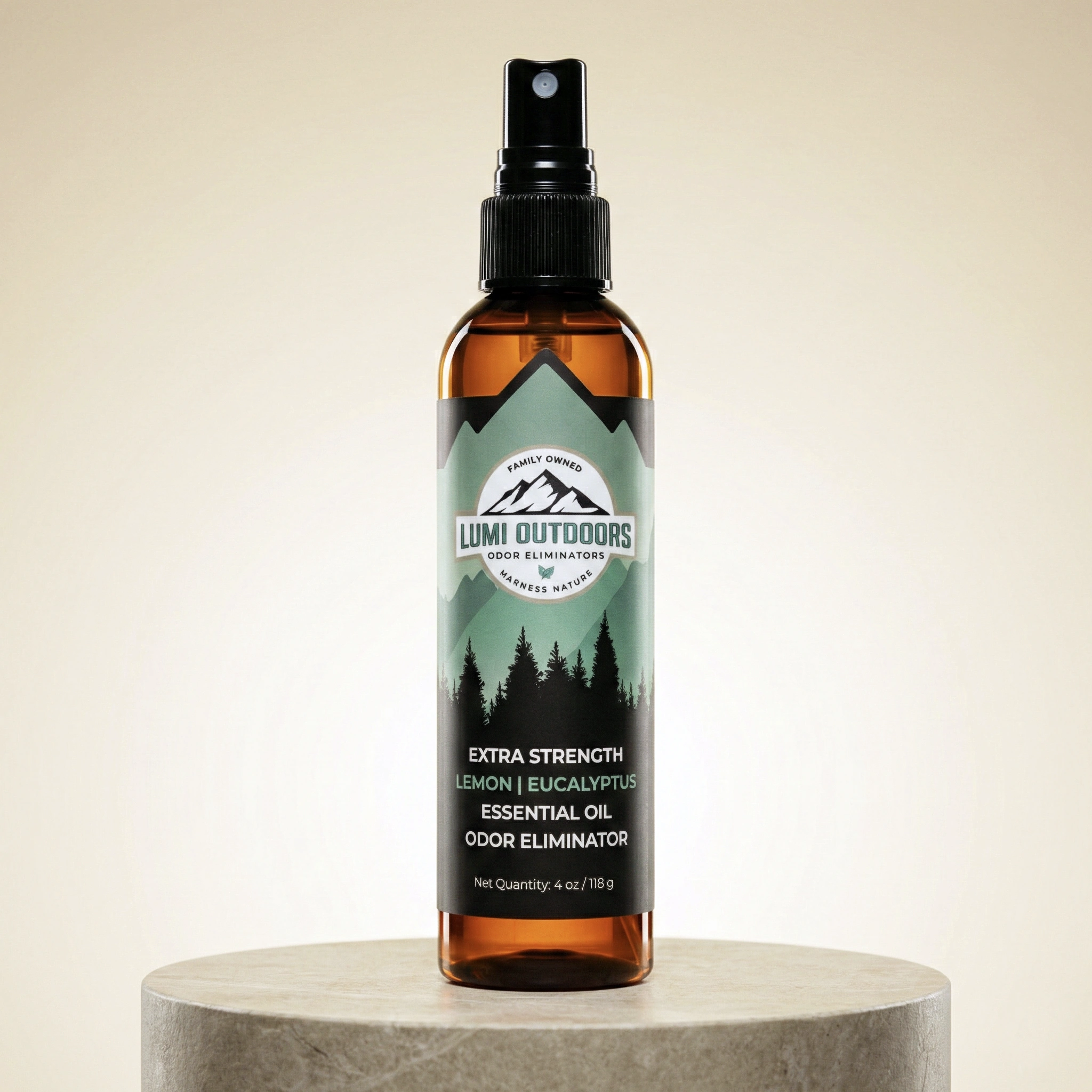
Join 1 Million+ Other People Who Chose Lumi to Conquer Their Shoe Odor.
- DESTROYS ODOR AT THE SOURCE, DOESN'T JUST MASK IT
- ALL-NATURAL & PLANT-BASED INGREDIENTS
- PROUDLY FAMILY-OWNED & MADE IN UTAH
- THE "FRESH CONFIDENCE" GUARANTEE