

3 Ways to Stop Synthetic Flats From Smelling Like Plastic
- The Plastic Trap Synthetic materials are non-porous and trap sweat, creating a greenhouse effect that fuels odor.
- Gentle Cleaning Avoid the washing machine and instead use pH-balanced natural sprays to protect the material.
- Moisture Management Use airflow and moisture absorbers like newspaper to dry flats completely between wears.

You found the perfect pair of "vegan leather" flats. They look sharp, they were affordable, and they match every outfit in your closet. But after a few wears, you notice something. Every time you slip them off, a wave of what can only be described as "hot plastic and old gym socks" hits the room. It’s embarrassing, and frankly, it makes you want to shove those cute shoes into the back of the closet and never look at them again.
The truth is, synthetic flats are notorious for this. Unlike natural hides, synthetic materials don't have pores. They act like tiny greenhouses for your feet, trapping every drop of sweat and every bit of heat. This creates the perfect environment for odor-causing compounds to thrive. If you’ve tried those cheap drug-store sprays only to end up with shoes that smell like "fake lemon plastic," you know that most fixes just don't work.
Why Do Synthetic Leather Flats Smell So Bad?
Synthetic leather is made from non-porous plastics like polyurethane (PU) or PVC, which trap moisture and heat against the skin instead of allowing it to evaporate. This "greenhouse effect" leads to a rapid buildup of sweat and bacteria that cannot escape the shoe material.
Think about what happens when you wrap a sandwich in plastic wrap. It stays moist, right? That’s exactly what’s happening to your feet. When you wear synthetic flats without socks, your skin is in direct contact with a non-breathable surface. Your feet sweat—because that's what feet do—and that moisture has nowhere to go. It sits there, soaking into the fabric lining and reacting with the plastic components of the shoe.
This is why your flats might smell like "new car" at first, but quickly turn sour. The chemical structure of the synthetic material actually holds onto those odor molecules tighter than natural leather would. You aren't just dealing with surface smells; the odor is literally trapped in the "pores" of the plastic lining. If you want to understand more about this, check out this guide on why your vegan leather boots reek for a deeper look at the science.
You don't need a chemistry degree to fix this. You just need a spray that understands how plastic reacts to sweat. This is what we use at home:
What You'll Need
- Soft-bristled brush
- Microfiber cloth
- Natural Lavender Tea Tree Shoe Deodorizer Spray Check Price →
- Newspaper for stuffing
How to Deodorize Synthetic Leather Flats Without Damaging the Material?

The safest way to deodorize synthetic flats is to use a pH-balanced natural spray containing essential oils like tea tree or peppermint, combined with a gentle wipe-down using a mixture of water and white vinegar. This neutralizes odors without cracking the synthetic "leather" or dissolving the glues holding the shoe together.
First, you need to handle the physical buildup. Grab a soft-bristled brush. You’ll want to gently scrub the inner seams of the flats where skin cells and sweat tend to accumulate. Once you've loosened the debris, mix a small amount of white vinegar with water (a 1:4 ratio works well). Dip a microfiber cloth into the mixture and wipe the entire interior. The vinegar helps balance the pH levels that odor-causing elements love. Be careful not to soak the shoe; just a damp wipe is plenty.
After wiping them down, let them air dry completely. Don't put them in the sun, as high heat can make synthetic leather peel. Once dry, use a natural spray. This is much better than using harsh chemicals because plant-based oils actually break down the odor rather than just coating it in perfume. If you’re also trying to maintain other shoes, like your favorite sneakers, you might find the tips in this article on cleaning Birkenstock footbeds helpful for managing different types of materials.
If your flats are particularly pungent, try the 'Freezer Trick.' Place your dry flats in a sealed bag and pop them in the freezer overnight. The cold helps neutralize the odor-causing compounds before you apply your natural spray.
Can You Put Synthetic Flats in the Washing Machine?
No, you should generally avoid putting synthetic flats in the washing machine because the agitation and heat can cause the "vegan leather" to peel, crack, or delaminate from the sole. The high water volume can also weaken the water-based glues used in most budget-friendly synthetic footwear.
It’s tempting to just toss them in with the towels and hope for the best. But synthetic shoes are often held together by adhesives that just aren't meant to be submerged. You might end up with a "clean" shoe that has a flapping sole or a bubbly texture on the toe. Plus, the tumbling action can scuff the plastic finish, making your cute flats look old and worn out in just one cycle.
Instead of the machine, stick to spot cleaning. If the insoles are removable, you can hand-wash those separately in the sink with a bit of mild soap. This gets rid of the bulk of the smell without risking the structural integrity of the shoe itself. Always remember: heat is the enemy of plastic. Air drying in a cool, well-ventilated spot is the only way to go.
How Does Moisture Control Help Prevent Odor in Vegan Leather?

Moisture control prevents odors by removing the damp environment that bacteria need to grow; using moisture-absorbing inserts or rotating your shoes allows the non-porous synthetic material to dry out between wears.
Since synthetic leather doesn't "breathe" on its own, you have to help it along. When you get home and take your flats off, don't just kick them into a dark closet. They need airflow. One old-school trick that actually works is stuffing them with newspaper for stuffing or plain brown packing paper. The paper pulls the moisture out of the lining so it doesn't sit there overnight.
Another big rule? Don't wear the same pair of synthetic flats two days in a row. They need at least 24 hours to fully dry out. If you wear them while they're still slightly damp from yesterday's sweat, you're just stacking layers of odor on top of each other. This is especially true for shoes with foam cushioning, which acts like a sponge for sweat. For more on how foam interacts with cleaners, see our guide on deodorizing Hoka midsoles.
I tested our natural spray against the big-brand aerosols you find at the grocery store. The difference isn't just in the smell—it's in how the material feels afterward.
| Feature | Lumi Natural Sprays | Generic Aerosol Sprays |
|---|---|---|
| Odor Strategy | Neutralizes at source | Masks with heavy perfume |
| Material Safety | Safe for PU and PVC leather | Can make synthetics sticky |
| Ingredients | Plant-based essential oils | Propane, Butane, Phthalates |
| Longevity | Stops smell for days | Smell returns in hours |
What Are the Best Natural Ingredients for Deodorizing Synthetic Shoes?
The most effective natural ingredients for synthetic shoes are tea tree oil, peppermint oil, and eucalyptus, as these plant-derived oils neutralize odors and provide a fresh scent without the use of volatile organic compounds (VOCs) that can degrade plastic.
When you look at the back of a standard shoe spray, you’ll often see a long list of chemicals you can't pronounce. Some of these can actually react with the polyurethane in your flats, making them sticky or causing the color to bleed. Natural oils are much friendlier to synthetic surfaces. Tea tree oil is a powerhouse for this because it tackles the source of the smell directly.
Lavender is another great choice, especially if you find peppermint too strong. It provides a clean, "spa-like" scent that masks the plastic smell of the shoes while the other ingredients work on the odor molecules. Using a spray like the Natural Lavender Tea Tree Shoe Deodorizer Spray gives you that balance. It’s effective enough for work boots but gentle enough for your favorite ballet flats.
Nothing's perfect. Here's what worked and what didn't in our tests:
- Does not degrade synthetic leather or glues.
- Actually eliminates odor instead of masking it.
- Cost-effective: one bottle lasts for hundreds of sprays.
- Needs a few minutes to dry after application.
- Stronger herbal scent initially than synthetic sprays.
Dealing with smelly synthetic flats doesn't have to mean throwing them away or feeling self-conscious every time you're at a friend's house. By focusing on pH-balanced cleaning, proper moisture removal, and using high-quality natural sprays, you can keep your "vegan leather" looking and smelling great for seasons to come. It’s about being proactive. A quick spray after you take them off and a little bit of airflow goes a long way. Your feet—and your friends—will thank you.
Tired of shoe odor? We recommend:
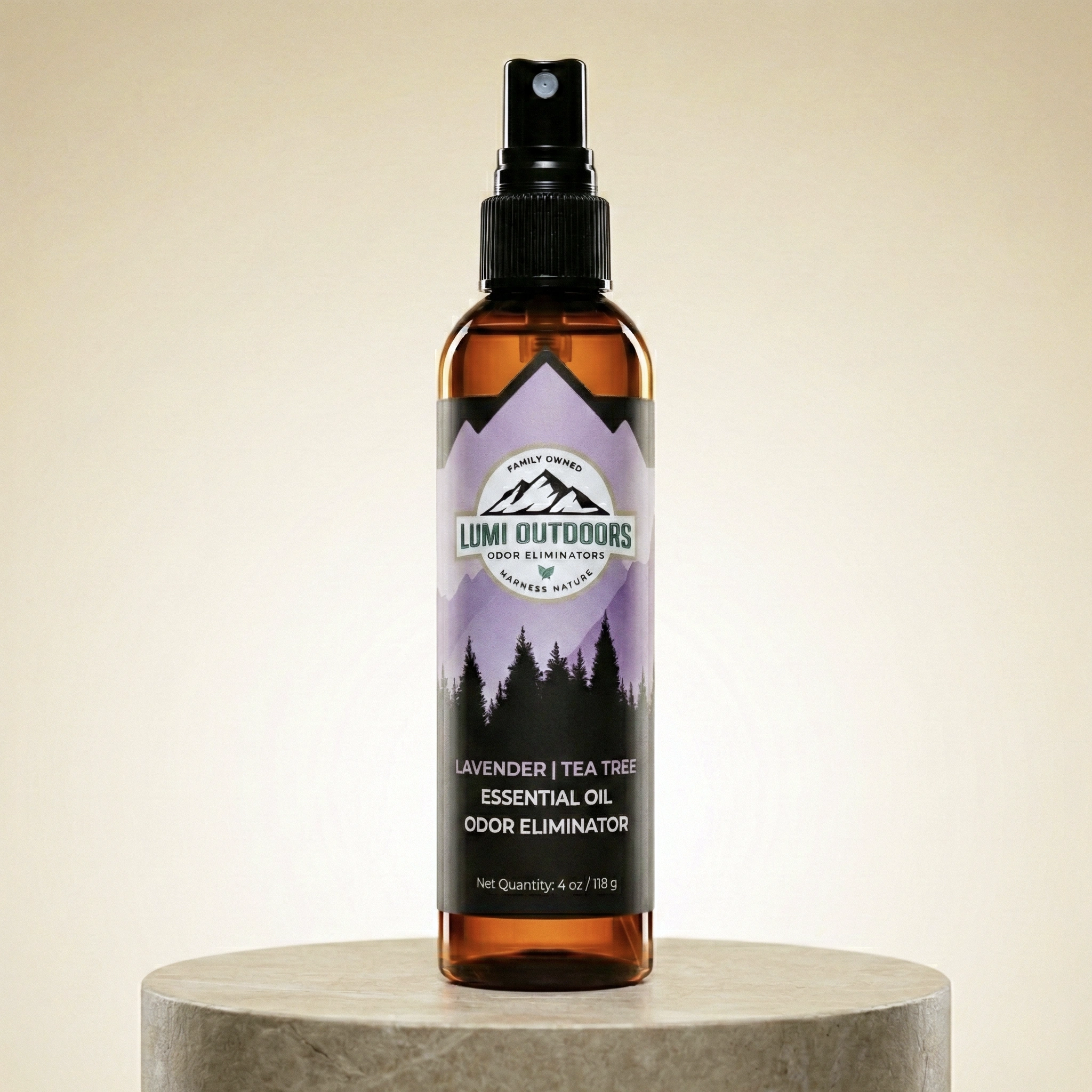
Join 1 Million+ Other People Who Chose Lumi to Conquer Their Shoe Odor.
- DESTROYS ODOR AT THE SOURCE, DOESN'T JUST MASK IT
- ALL-NATURAL & PLANT-BASED INGREDIENTS
- PROUDLY FAMILY-OWNED & MADE IN UTAH
- THE "FRESH CONFIDENCE" GUARANTEE