
Stop Ruining Timberland PROs! Why Alcohol Kills Leather
Look, I get it. You come home after a twelve-hour shift, or maybe your partner does, and the smell that wafts off those Timberland PRO Pit Boss boots is enough to make the wallpaper peel. Your first instinct is to grab the strongest thing in the medicine cabinet—rubbing alcohol—and douse them. It’s cheap, it’s fast, and it feels like it’s doing something, right?
But here’s the thing: you’re essentially slow-cooking your leather. Those boots cost a pretty penny, and while alcohol might zap the smell for an hour, it’s also stripping away the very oils that keep the leather from cracking into a million pieces. If you want your boots to last more than a single season, you have to stop the alcohol "hack" immediately.
- Leather Damage Alcohol is a solvent that removes the tanning oils required for leather durability.
- Waterproofing Loss Using harsh chemicals dissolves the waterproof seals on Timberland PRO boots.
- Safer Alternatives Natural essential oils and moisture absorbers provide a safer way to freshen work boots.

Can You Use Isopropyl Alcohol on Timberland PRO Pit Boss Boots?
No, you should never use isopropyl alcohol on Timberland PRO Pit Boss boots because it acts as a powerful solvent that strips away essential tanning oils and fats. This causes the leather to become brittle, lose its waterproof properties, and eventually crack or peel.
Leather is essentially skin. Think about what happens to your hands if you wash them with harsh chemicals all day—they get dry, red, and eventually crack. Your boots are the same. During the tanning process, leather is infused with specific oils to keep it supple and durable. Isopropyl alcohol is incredibly volatile, meaning it evaporates quickly, and it takes those vital oils right along with it.
When those oils are gone, the fibers of the leather start to grind against each other instead of sliding smoothly. That’s when you see those deep creases across the toe box turn into actual holes. It doesn't matter how "PRO" the boots are; once the leather is dehydrated, the clock is ticking on their lifespan.
If you want to stop the moisture before it starts, you need a heavy-duty absorber. This is the one we keep by the door:
What You'll Need
- Horsehair Shoe Brush
- Microfiber Cleaning Cloth
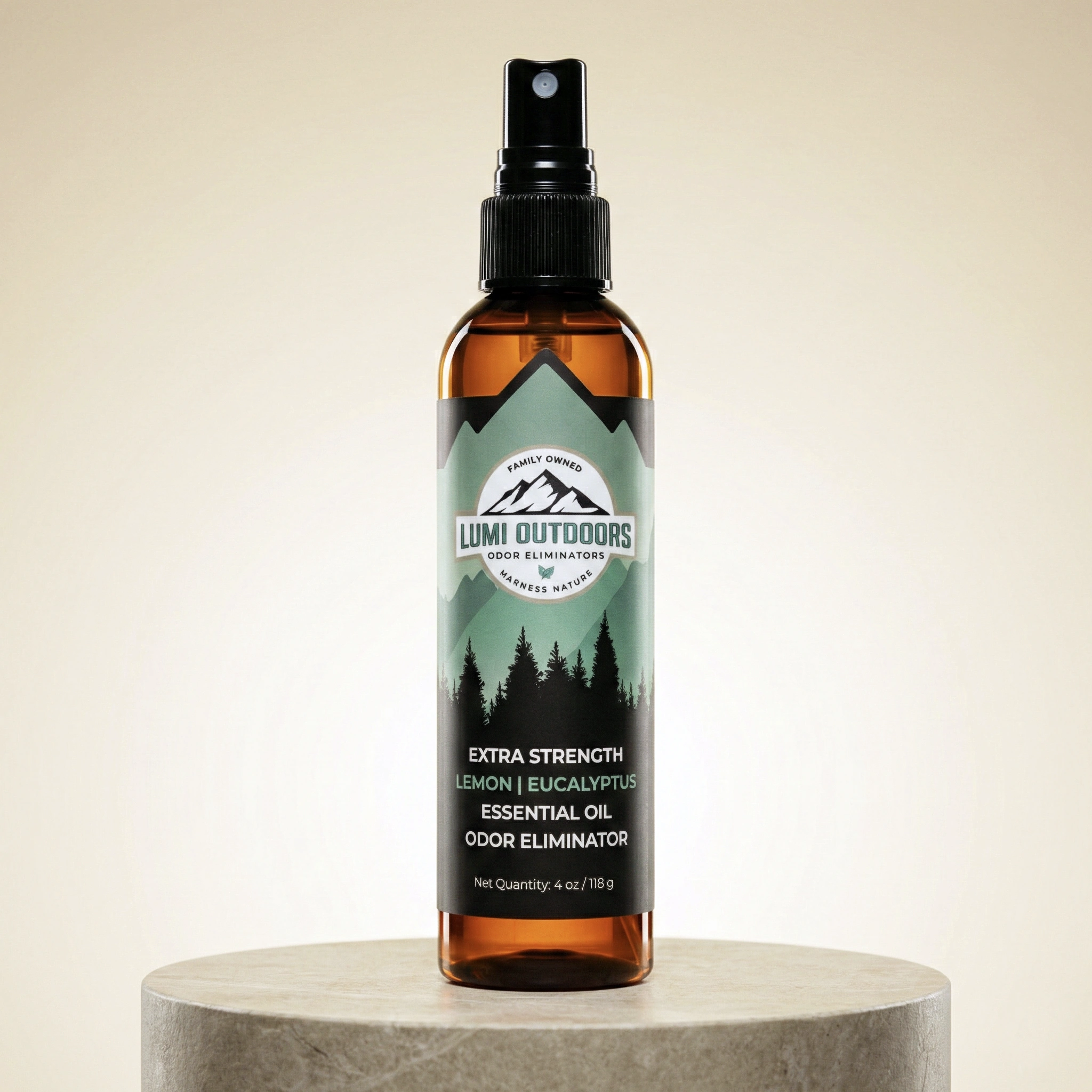
- Extra Strength Shoe Deodorizer Spray Check Price →
- Cedar Shoe Trees
How Does Rubbing Alcohol Affect Timberland PRO Waterproofing?
Rubbing alcohol destroys the waterproof integrity of Timberland PRO boots by dissolving the protective coatings and drying out the leather's natural pores. This creates micro-cracks that allow water to seep through the leather barrier and reach your feet.
The Pit Boss is famous for its durability, but that durability relies on the leather staying "sealed." Alcohol is a solvent. Its job in the world of chemistry is to break things down. When you spray it on your boots, it eats through any topical water-repellent finish you might have applied. Even worse, it opens up the grain of the leather, making it more porous. Instead of shedding water like a duck's back, your boots start acting like a sponge.
And let's be honest—nothing ruins a workday faster than wet socks. Once that leather is compromised, no amount of "waterproof" labels on the box will save you. You’re better off using a dedicated horsehair brush to knock off the dried mud and a microfiber cloth for light cleaning. These tools help maintain the surface without the chemical warfare.
If your boots are already smelling, don't spray the outside leather. Focus only on the interior fabric lining. Spraying the exterior leather with anything—even natural products—unnecessarily risks the finish when the problem is actually inside.
What Is the Safest Way to Deodorize Heavy-Duty Leather Work Boots?

The safest way to deodorize leather boots is by using a pH-balanced, natural spray made with essential oils or a talc-free powder that absorbs moisture without drying out the leather. These methods neutralize odor-causing particles without stripping the protective oils from the hide.
If the smell is the main problem, you have to tackle the root cause: moisture. When sweat gets trapped in the lining of a heavy boot, it creates the perfect environment for odors to thrive. Instead of trying to "kill" the smell with alcohol, you want to draw the moisture out. Stuffing your boots with plain newspaper overnight is an old-school trick that actually works. It pulls the dampness out of the leather fibers so the smell doesn't have a chance to settle in.
For a more modern approach, a natural powder is the way to go. You can't just use any grocery store powder, though. Many contain talc or harsh fillers that can turn into a "paste" inside your boot when they get wet. You want something plant-based that stays silky. Our Natural Foot Powder uses lemongrass and peppermint to keep things fresh without the chemical mess. It’s like a dry-cleaning service for your feet.
I tested both side-by-side for a week. Here's what happened:
| Feature | Lumi Extra Strength Spray | Isopropyl (Rubbing) Alcohol |
|---|---|---|
| Odor Elimination | Neutralizes with essential oils | Briefly masks by evaporation |
| Leather Safety | Maintains essential oils | Strips oils and causes cracks |
| Waterproofing Protection | Safe for all finishes | Dissolves protective coatings |
| Scent Experience | Natural Lemon & Eucalyptus | Harsh chemical fumes |
How Can You Extend the Life of Your Timberland PRO Boots?

To extend the life of Timberland PRO boots, you must keep them dry using cedar shoe trees and treat the leather with a natural conditioner every few months. Avoiding harsh chemicals like alcohol ensures the leather remains flexible and resistant to tearing under stress.
Taking care of work boots isn't just about cleaning them; it's about maintenance. If you've already made the mistake of using alcohol, don't panic. You can often "save" the leather by applying a high-quality leather conditioner. Think of it like a heavy-duty moisturizer. This helps put back some of what the alcohol took out.
Another big mistake people make is putting their boots next to a heater or a radiator to dry them out. Heat is just as bad as alcohol—it cooks the leather and makes it brittle. Instead, use proper drying techniques like airflow and cedar inserts. Cedar shoe trees are great because they hold the shape of the boot while the wood naturally absorbs moisture and leaves a faint, clean scent.
For those daily maintenance needs, our Extra Strength Shoe Deodorizer Spray is the perfect middle ground. It uses lemon and eucalyptus oils to freshen the interior without touching the structural integrity of the leather. It's the difference between using a sledgehammer and a scalpel to solve a problem.
"This stuff is amazing! My husband's work boots were so bad I almost threw them away. Two sprays and the smell was gone. It's been a life saver for my nose and our wallet!" — *Lumi Outdoors Customer Review*
Is the natural route perfect? Mostly, but it does require consistency. Here's the honest breakdown:
- Saves you hundreds by extending boot life
- No harsh chemical fumes in your home
- Completely safe for kids and pets
- Doesn't ruin the waterproof leather seal
- Requires 15 minutes to dry before wearing boots again
- More expensive than a bottle of rubbing alcohol
At the end of the day, your Timberland PROs are an investment in your comfort and safety. Using isopropyl alcohol on them might seem like a quick fix, but it's a shortcut that leads straight to the trash can. Stick to natural moisture absorbers and essential oil-based fresheners. Your boots—and your feet—will thank you for it.
Tired of your work boots smelling like a locker room?
Join 1 Million+ Other People Who Chose Lumi to Conquer Their Shoe Odor.
- DESTROYS ODOR AT THE SOURCE, DOESN'T JUST MASK IT
- ALL-NATURAL & PLANT-BASED INGREDIENTS
- PROUDLY FAMILY-OWNED & MADE IN UTAH
- THE "FRESH CONFIDENCE" GUARANTEE