

The Hidden Link Between Pointe Shoe Odor and Broken Boxes (And the 2026 Botanical Fix)
- Odor Is a Warning Sign Pointe shoe smell means moisture has already entered the box—and the structural glue is already breaking down.
- Treat Before Class, Not After Applying foot powder before dancing intercepts sweat at the source, before it can soak into the box materials.
- Consistency Extends Shoe Life Daily moisture control can meaningfully extend how long a pointe shoe stays firm and supportive, saving you real money.

Let's talk about the $100+ conversation nobody in the dance studio wants to have.
Your dancer's pointe shoes are dead again. The box is soft. The shank is buckling. And it's only been six weeks. You just bought those shoes. You're standing at the register again, pulling out your wallet, wondering if there's a faster way to burn through money than buying pointe shoes for a serious dancer.
Here's what most dance parents don't know: the smell coming from those shoes isn't just embarrassing. It's actually destroying the shoe from the inside out. Moisture from sweat is the number one enemy of a pointe shoe's structural box—and odor is your early warning sign that serious damage is already happening.
So we decided to put the three most popular pointe shoe odor fixes head-to-head and see what actually works. Not just for smell, but for shoe longevity.
Why Does Pointe Shoe Odor Happen So Fast?
Pointe shoes develop odor quickly because dancers' feet produce significant sweat during class—sometimes over a pint of moisture per hour of intense activity—and the traditional materials used to construct the box (fabric, glue, and paper-based compounds) absorb and trap that moisture with no way to release it.
A dancer's foot is working hard. Every relevé, every pirouette, every long barre combination generates heat and sweat. The inside of a pointe shoe is basically a sealed environment with zero airflow.
The American Orthopaedic Foot & Ankle Society notes that the feet have more sweat glands per square inch than almost anywhere else on the body. For dancers in tight, unventilated shoes, that means moisture builds up faster than most people imagine.
And that moisture doesn't just sit there. It goes straight into the box—the hardened toe structure that gives a pointe shoe its shape and support. That box is typically made from layers of burlap, paste, paper, and glue. When it stays wet day after day, the glue softens. The box collapses early. And you're back at the dance supply store.
The odor you smell? That's the sign the moisture has already found a home.
What You'll Need
- Newspaper (for post-class stuffing and moisture absorption)
- Cedar shoe inserts (for overnight storage between classes)
- Natural Foot Powder Check Price →
- Small soft brush (for applying powder evenly inside the shoe)
What Actually Happens to the Box When Sweat Soaks In?
Repeated moisture exposure breaks down the adhesive compounds inside the pointe shoe box, causing it to soften and collapse far sooner than normal wear should. This is why two dancers with similar training schedules can have dramatically different shoe lifespans—one manages moisture, one doesn't.
Think of the box like a papier-mâché structure. It's rigid and strong when dry. Get it wet repeatedly, and it starts to lose its integrity. The glue that holds everything together was never designed to handle daily sweat without any drying protocol.
Most dancers and dance parents focus entirely on the outside of the shoe—keeping the satin clean, watching the shank. But the real wear happens inside, invisibly, in that moisture-saturated box. By the time you notice the shoe feels "dead," the internal damage has been building for weeks.
The fix isn't complicated. It's about controlling moisture before it penetrates the box, and properly drying the shoe after every single class. Both steps matter.
Most dancers apply powder to the shoe—but the real win is applying it directly to the foot first, then the shoe. Sweat originates at the skin, and if you create a dry barrier there before the shoe goes on, you intercept moisture before it ever touches the box materials. Think of the foot as the source and the shoe as the second line of defense, not the first.
We Tested 3 Popular Pointe Shoe Odor Methods—Here's What Happened
We tested baking soda, cedar shoe inserts, and a botanical foot powder over four weeks of regular dance classes. The foot powder was the only method that addressed moisture at the source—inside the shoe during wear—rather than after the damage had already been done.
We set up a simple test. One pair of well-broken-in pointe shoes. Three weeks, three methods. We judged each on smell after a two-hour class, box feel at the end of each week, and residue or material damage.
Method 1: Baking Soda
This is the go-to advice in every dance forum. Sprinkle baking soda in the shoe after class, shake it out before the next wear. We tried it faithfully for a week.
The results: smell improvement was modest at best. The baking soda did absorb some odor after the fact, but it left white powder residue on the inside lining, and more importantly, it did nothing during class—when the actual moisture damage was happening. By week's end, the box felt marginally better than untreated, but not by much. And cleaning white powder out of a delicate satin lining every morning? Not sustainable for a busy family.
Method 2: Cedar Shoe Inserts
Cedar has real odor-absorbing properties. We placed cedar inserts in the shoes immediately after class each day. The smell was noticeably better than baking soda by day three. Cedar genuinely absorbs moisture when shoes are stored.
But here's the catch: cedar only works when the shoe is off the foot. During the two-hour class, the moisture was still soaking straight into the box unchecked. The cedar was essentially mopping up after a flood. It helped with post-class freshness, but the box was still getting hit hard during wear.
Cedar inserts are a solid part of a drying routine (we'll get to that). Just don't expect them to be a complete solution on their own. You can read more about which methods actually work for dance flats in our related testing breakdown.
Method 3: Botanical Foot Powder (The Winner)
This is where things got interesting. We applied Lumi's Natural Foot Powder directly to the feet and inside the shoe before class—not after. That's the key difference.
By creating a dry environment at the source, the powder intercepts moisture before it can saturate the box materials. After class, the inside of the shoe was noticeably less damp to the touch. After a week, the box retained its firmness better than either of the other two methods. After two weeks, the smell difference was dramatic.
The formula is talc-free and plant-based, which matters for the delicate interior of a pointe shoe. No chalky residue, no clumping, and nothing that could potentially affect the satin or lining material. It just quietly did its job—keeping things dry so the glue could stay glue.
We compared the natural powder against a leading drugstore talc-based option. Here's what we found side by side:
| Feature | Natural Foot Powder | Drugstore Talc Powder |
|---|---|---|
| Works During Wear | Yes — applied before class to intercept sweat | No — applied after, misses the critical wear window |
| Residue on Shoe Lining | Zero white residue observed in testing | Visible white powder residue inside lining |
| Box Firmness After 2 Weeks | Noticeably firmer than untreated control | Minimal difference from untreated control |
| Scent Profile | Fresh lemongrass, not overpowering | Strong synthetic fragrance |
| Price Point | Slightly higher upfront | Lower upfront cost |
What Is the Best Post-Class Drying Routine for Pointe Shoes?

The best post-class drying routine combines immediate unpacking, stuffing with newspaper to pull moisture from the box, and propping shoes open in a well-ventilated area overnight—never in a sealed bag or dance bag.
Even with the best foot powder, a post-class drying routine is non-negotiable. Here's exactly what we recommend:
Step 1: Unpack Immediately After Class
The single worst thing you can do is let pointe shoes sit in a sealed dance bag overnight. That's a moisture trap. The second class ends, shoes come out. No exceptions.
Step 2: Stuff with Newspaper
This is the oldest trick in the dance world, and it still works better than most alternatives. Crumple newspaper loosely and stuff it into the box. Newspaper is incredibly absorbent and pulls moisture outward from the internal structure. Replace it after 30 minutes if the shoes are particularly wet. Leave fresh stuffing in overnight.
Step 3: Open the Lining and Prop
If your dancer's shoes have a drawstring, loosen it. Fold the heel lining down if possible. You want maximum airflow through the interior. Prop the shoes with the opening facing up or forward—not flat on the bottom where moisture pools.
Step 4: Use a Deodorizing Spray as Needed
For shoes that already have a smell problem, a spray applied to the interior after stuffing can help neutralize odor while the shoe dries. If your dancer is sensitive to strong scents, the Natural Lavender Tea Tree Shoe Deodorizer Spray is a gentle option that won't overwhelm a car ride home from the studio. It's plant-based and safe on delicate materials—exactly what you want near satin and fabric linings.
Step 5: Never Use Direct Heat
No hair dryers. No radiators. No leaving them in a sunny car. Heat accelerates the breakdown of the box glue even faster than moisture alone. Room temperature airflow is all you need.
If you're dealing with other dance shoe odor situations in your household, our guide on why white cheer shoes reek covers a similar moisture-and-structure problem with a quick competition-day fix.
How Often Should You Treat Pointe Shoes for Odor?
Foot powder should be applied before every class. A deodorizing spray can be used after every class for heavy training schedules, or 2-3 times per week for moderate use. Consistency matters far more than intensity—daily light treatment beats weekly heavy treatment every time.
This is where most dancers fall off. They treat the shoes when they smell bad, not before. But by the time odor is noticeable, moisture has already been working on that box for days.
Think of it like brushing teeth. You don't wait until you have a cavity. You build the daily habit so the cavity never comes.
For dancers with heavy training schedules—multiple classes per week, intensive summer programs, competition season—the Natural Foot Powder and Extra Strength Shoe Deodorizer Spray bundle gives you the full system. Powder before class to control moisture during wear. Spray after class to neutralize any odor that developed. Together they cover both sides of the problem.
For lighter training schedules or dancers who are just starting out, the foot powder alone—applied consistently before every class—makes a real difference in box life.
Nothing's perfect, and natural products do ask something of you: consistency. Here's the honest breakdown:
- Addresses moisture during wear, not just after — the only method that actually protects the box in real time
- Talc-free formula made for daily use in enclosed shoes
- Zero residue on delicate satin or fabric linings during our testing period
- Lemongrass scent is noticeable but not overwhelming — survives a car ride home from the studio
- Versatile: works applied directly to feet or sprinkled inside the shoe
- Requires daily pre-class application to see the box-longevity benefits — skipping days reduces effectiveness
- Slightly higher upfront cost than a box of drugstore baking soda, though the shoe-life savings offset this quickly
Is It Worth Spending More on Natural Pointe Shoe Care Products?

Yes—because the cost of pointe shoe care products is a fraction of the cost of replacing shoes early. If natural powder and a spray extend a pair of shoes by even two to four weeks, they pay for themselves many times over.
Let's do the math quickly. A pair of pointe shoes runs $80–$130 depending on the brand. A serious dancer might go through six to ten pairs per year. If proper moisture management extends each pair by three to four weeks, that could mean one or two fewer pairs annually. That's real money.
The talc-free formula matters here too. Traditional talc powders have faced scrutiny from health researchers—the National Cancer Institute has published research on talc inhalation concerns, which is worth knowing when you're talking about a product applied inside an enclosed shoe that your child wears for hours. Plant and mineral-based alternatives don't carry those concerns.
For parents managing a household with dancers, athletes, and working adults all cycling through footwear, the economics of a good shoe care system become obvious pretty fast. You're not just buying a product—you're buying back the lifespan of expensive gear.
Ready to stop replacing pointe shoes every six weeks?
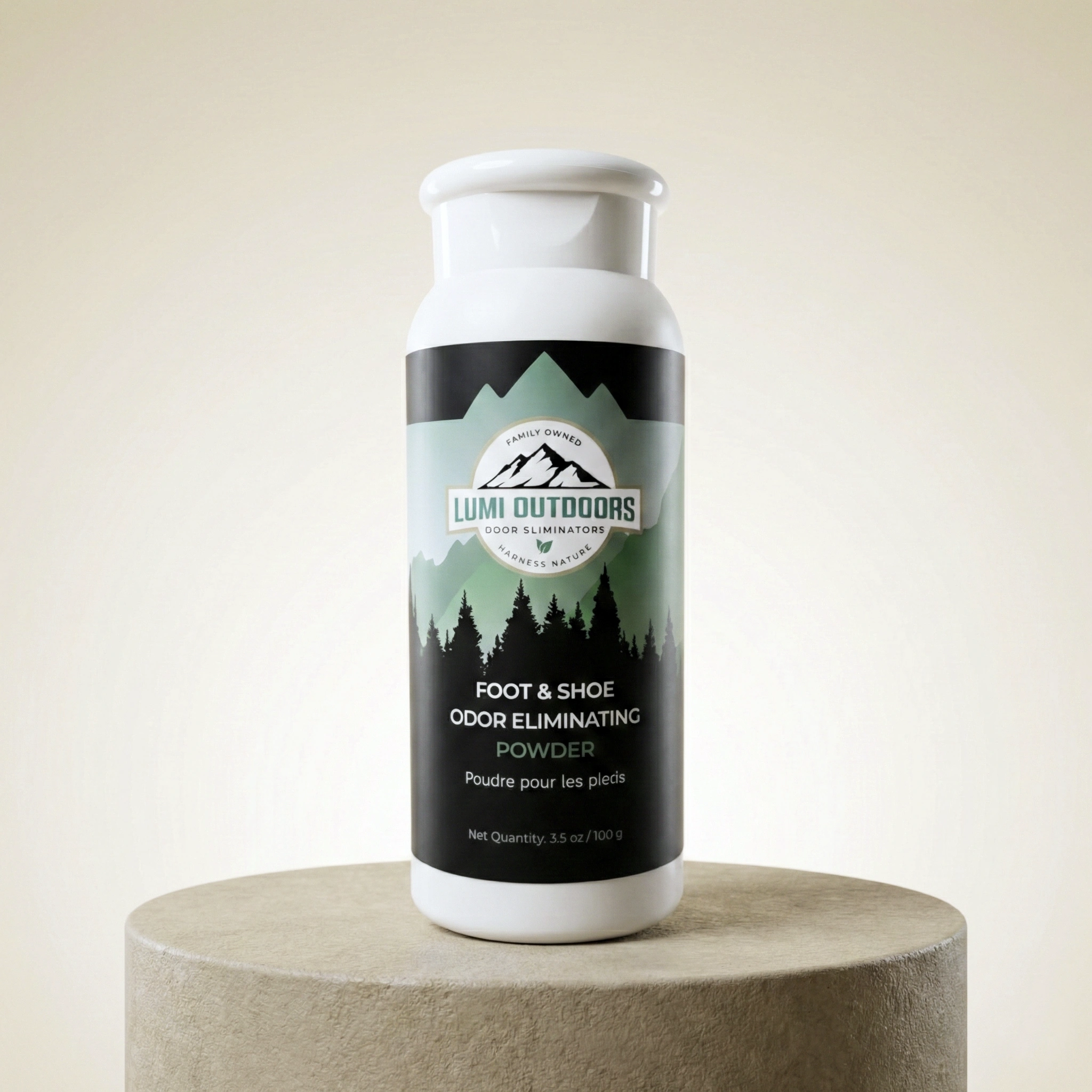
The best way to fight odor is to stop it before it starts. Our all-natural, talc-free foot powder is your first line of defense against mois...
- ABSORBS SWEAT & NEUTRALIZES ODOR
- ALL-NATURAL & TALC-FREE FORMULA
- PROUDLY FAMILY-OWNED & MADE IN UTAH
- THE "FRESH CONFIDENCE" GUARANTEE