

5 Ways to De-Stink Concrete Work Boots (Without Cracking)
- Neutralize the pH Concrete dust is high-alkaline and dries out leather, so you must neutralize it with a mild vinegar solution.
- Avoid the Wash Never put leather boots in a washing machine if you want them to last longer than a month.
- Daily Maintenance Use a natural powder or spray daily to stop moisture from soaking into the footbed.

If you've ever lived with someone who works in concrete, you know that smell. It’s not just a "sweaty feet" smell. It’s a heavy, damp, almost metallic funk that seems to attach itself to the mudroom walls. You want the smell gone, but those work boots weren't cheap. You’ve probably heard horror stories about leather cracking and falling apart after a few months on the job.
Here’s the thing: concrete is a different beast. It’s high-alkaline, meaning it literally sucks the life and moisture out of leather. If you try to scrub them with harsh detergents or soak them in the sink, you might kill the smell, but you’ll also kill the boots. We need a way to neutralize that concrete dust while getting the "swamp" out of the insoles.
Why Do Concrete Work Boots Smell So Bad?
Concrete work boots smell because the high-alkaline dust traps moisture and sweat against the leather, creating a dark, damp environment where odor-causing particles thrive. This combination of external debris and internal perspiration prevents the boots from breathing, leading to a concentrated and persistent stench.
When your boots are covered in a layer of fine gray dust, the pores of the leather are basically plugged. Think about it like wearing a plastic bag over your feet while you work in the sun. Your feet sweat—and trust me, they sweat a lot—but that moisture has nowhere to go. It sits there, soaking into the footbed and the lining.
And because concrete is so drying, the leather on the outside starts to get brittle. If you don't handle this right, you end up with boots that are both stinky and broken. It's a lose-lose situation for your wallet and your nose.
If you want to stop the moisture before it starts, you need a heavy-duty absorber. This is the one we keep by the door:
What You'll Need
- Stiff-bristled utility brush (non-wire)
- Old newspaper for moisture absorption
- Natural Foot Powder Check Price →
- White vinegar for pH balancing
How Does Concrete Dust Damage Leather Boots?
Concrete dust is highly alkaline, which reacts with the natural oils in leather to cause premature drying, stiffness, and eventually deep cracks. When the dust remains on the boot, it acts as a desiccant, pulling moisture out of the material and weakening the structural fibers of the footwear.
Leather is essentially skin. It needs a specific pH balance to stay flexible. Concrete is way on the other side of that scale. Every time your boots get dusty, that dust is actively trying to turn your supple leather into stiff cardboard. If you've noticed your boots feeling tighter or seeing tiny cracks around the toe box where they flex, that’s the concrete winning.
According to research on leather durability, maintaining the internal moisture of the fibers is vital for longevity. This is why we can't just use any old cleaner. We have to be smart about how we balance the chemistry of the boot.
After cleaning your boots with a vinegar solution, wait for them to dry and then rub a small amount of mink oil into the seams. Concrete dust settles in the stitching first, and the oil creates a barrier that prevents the thread from rotting and the leather from splitting at the flex points.
Can You Wash Work Boots to Get Rid of the Odor?
You should never fully submerge leather work boots in water or put them in a washing machine, as this will ruin the leather’s internal structure and cause the soles to delaminate. Instead, use a damp cloth for the exterior and targeted natural deodorizers for the interior to remove smells safely.
I know the temptation is real. You want to toss them in the heavy-duty cycle and walk away. But please, don't do it. The heat from the dryer or even just the soaking process can cause the glue holding your soles on to fail. Plus, once that thick leather gets soaked through, it takes forever to dry. If they stay damp for days, you’re just inviting more odor to move in.
Instead of a full wash, focus on a "dry-wet-dry" method. This protects the leather while handling the stink. It’s the same logic we use when we talk about how to keep your Timberland PROs in good shape. You want to be effective without being destructive.
What Is the Best Way to Clean Concrete Off Work Boots?
The best way to clean concrete off boots is to use a stiff-bristled brush to remove dry dust, followed by a wipe-down using a solution of equal parts water and white vinegar. The vinegar acts as a mild acid to neutralize the alkaline concrete dust, preventing the leather from drying out and cracking.
Here is your 5-step plan to get those boots back in fighting shape:
- The Dry Brush: Take a stiff-bristled brush (not a wire one!) and knock off every bit of dry dust you can. Do this outside. You want those leather pores open before you add any liquid.
- The Neutralizing Wipe: Mix a 50/50 solution of water and white vinegar. Dip a rag in it—don't soak the rag, just get it damp—and wipe down the entire exterior. The vinegar helps balance the high pH of the concrete.
- Internal Moisture Removal: Take some old newspaper and crinkle it up. Stuff it deep into the toes. This is an old-school trick that still works better than almost anything else for pulling sweat out of the footbed overnight.
- The Scent Strike: Once the boots are mostly dry, use a high-quality spray like the Extra Strength Shoe Deodorizer Spray. This doesn't just mask the smell; it hits those odor molecules at the source.
- Conditioning: Once the boots are clean and dry, apply a tiny bit of leather conditioner or mink oil. This replaces the oils the concrete stole.
I tested our natural spray against the big-brand aerosols you find at the grocery store. The difference isn't just in the smell—it's in the chemistry. Those big brands often use heavy perfumes that just mix with the boot smell to create a "citrus-swamp" aroma. No thank you.
| Feature | Lumi Natural Sprays | Big-Brand Aerosols |
|---|---|---|
| Odor Neutralization | Uses essential oils to destroy odor molecules | Coats odor in heavy synthetic perfumes |
| Ingredient Safety | 100% Plant-based and family safe | Contains butane, isobutane, and propane |
| Leather Health | Non-drying formula preserves leather flex | Alcohol-heavy sprays can dry out leather |
| Residue | Zero sticky or powdery buildup | Often leaves a white or sticky film behind |
How Can I Remove Deep Odors From My Boots?

To remove deep-set odors, apply a high-concentration natural deodorizer containing essential oils like eucalyptus and lemongrass directly into the boot and allow it to air dry completely. For the most stubborn smells, a light dusting of talc-free powder can help absorb lingering moisture that sprays might miss.
Sometimes the smell is so deep that a quick spray doesn't feel like enough. In those cases, you need something that works while you sleep. I've found that using the Natural Foot Powder inside the boots after they’ve been cleaned helps keep things dry for the next shift. It’s like a 24-hour guard for your feet.
Also, don't forget the "two-pair" rule if you can afford it. Rotating your boots gives each pair a full 24 to 48 hours to dry out. It sounds expensive upfront, but it actually makes both pairs last three times as long because the leather isn't constantly damp. If you're dealing with other types of shoes, like vegan leather boots that reek, the principles are similar: moisture is the enemy.
Is the natural route perfect? Mostly, but it does require a bit of consistency. You can't just spray once every six months and expect miracles. Here is the honest breakdown:
- Neutralizes deep-set funk without damaging expensive leather.
- Safe to use around kids and pets in the mudroom.
- Extends the life of your boots by controlling internal moisture.
- No harsh chemicals or synthetic propellants.
- Requires daily application for the best results in high-sweat jobs.
- The natural scent is strong initially (though it fades to neutral).
At the end of a long shift, the last thing you want to deal with is a house that smells like a job site. Taking five minutes to brush off the dust and give your boots a quick spray of Extra Strength Shoe Deodorizer Spray makes a world of difference. Your boots will last longer, your feet will feel better, and you won't have to apologize to guests when they walk through the front door.
Ready to get the "job site smell" out of your house?
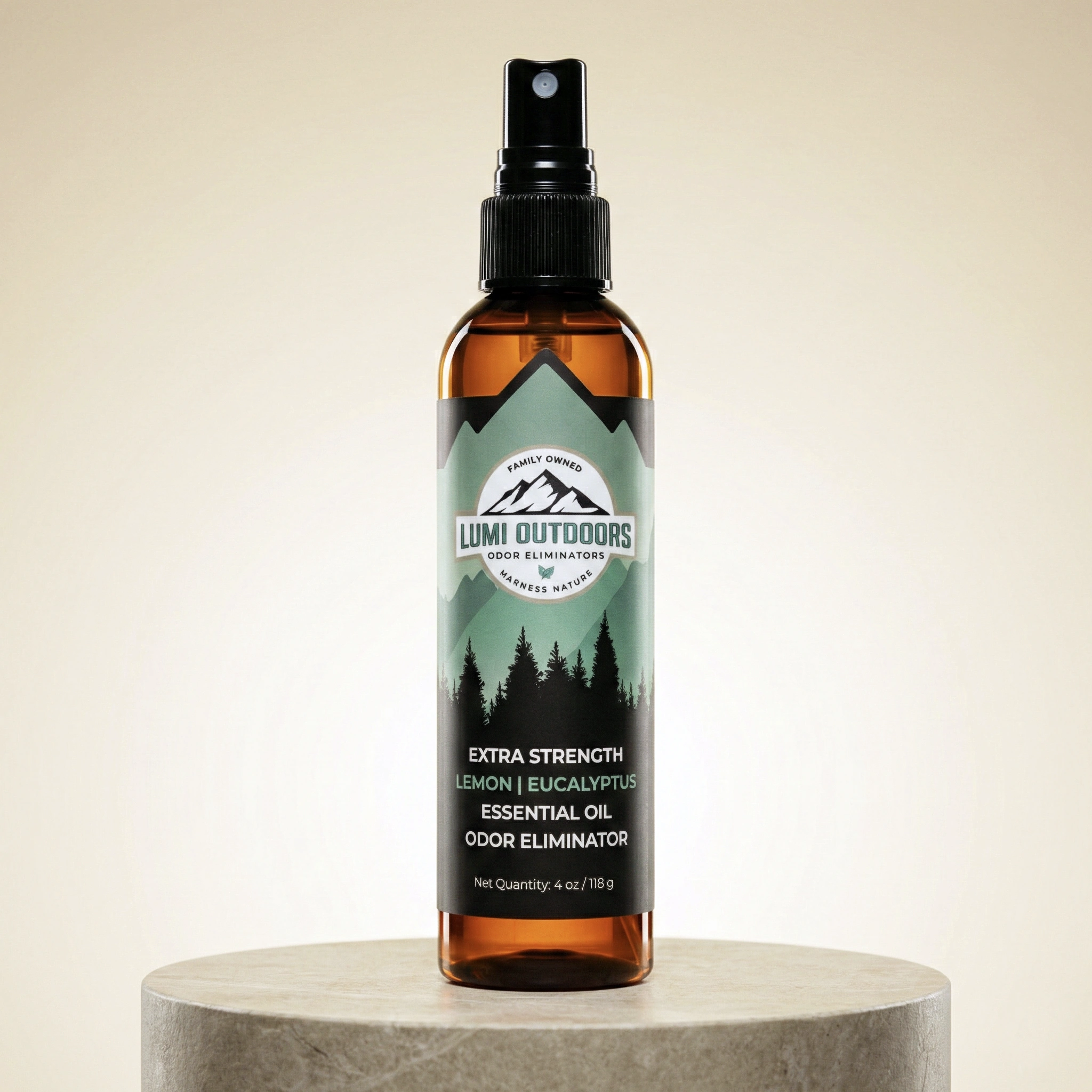
Join 1 Million+ Other People Who Chose Lumi to Conquer Their Shoe Odor.
- DESTROYS ODOR AT THE SOURCE, DOESN'T JUST MASK IT
- ALL-NATURAL & PLANT-BASED INGREDIENTS
- PROUDLY FAMILY-OWNED & MADE IN UTAH
- THE "FRESH CONFIDENCE" GUARANTEE