

How to Restore Grip: 7 Weird Ways to Clean Climbing Shoes that Actually Work
- Never Machine Wash High heat and washing machines melt the glue and ruin the shoe shape.
- Restore Grip Use rubbing alcohol or sandpaper to remove the slick oxidation layer for better stick.
- Odor Control Natural essential oil sprays neutralize odors without damaging delicate climbing materials.

You know that feeling when you're halfway up a route, you go to smear your foot on a tiny granite ripple, and—slip. Your foot skates off like it's on ice. It’s not just frustrating; it’s a total confidence killer. We’ve all been there, looking at our expensive climbing shoes and wondering why the rubber suddenly feels like slick plastic instead of sticky tires.
If you're like most parents of active kids or a weekend warrior yourself, you know the struggle of gear that costs a fortune but seems to lose its "magic" way too fast. We spend hundreds on high-end rubber, only for it to get coated in gym chalk, dust, and—let's be honest—a smell that could stop a bear in its tracks. But before you go dropping another $180 on a new pair, there are some surprisingly strange ways to bring that "day-one" stickiness back.
Can You Wash Climbing Shoes in a Washing Machine?
No, you should never put climbing shoes in a washing machine because the high heat and agitation can melt the specialized glue holding the rubber together and shrink the leather or synthetic uppers. This process often leads to delamination, effectively ruining the structural integrity of the shoe.
I’ve seen it happen more times than I’d like to admit. A well-meaning parent thinks, "These shoes are filthy, I'll just toss them in with the soccer jerseys." Twenty minutes later, the soles are peeling off like an old orange. Climbing shoes are delicate pieces of engineering. The glue used to bond that sticky rubber is sensitive to heat. If you want to keep your shoes in one piece, keep them far away from the spin cycle. Instead, let's talk about the methods that actually respect the materials while getting rid of the gunk.
If you want to stop the moisture before it starts, you need a heavy-duty absorber. This is the one we keep by the door:
What You'll Need
- Rubbing Alcohol
- Fine-grit Sandpaper (400 grit)
- Extra Strength Shoe Deodorizer Spray Check Price →
- Old Toothbrush
What Are the 7 Weird Ways to Restore Grip on Climbing Shoes?

Restoring grip involves removing the "oxidation layer" and dirt buildup using methods like rubbing alcohol wipes, fine-grit sandpaper, or even a simple damp toothbrush scrub. These techniques expose fresh, porous rubber that can properly "bite" onto the rock surface again.
1. The Rubbing Alcohol Swipe
This is my personal favorite because it's so fast. Take some rubbing alcohol on a clean cloth and wipe the soles down. You’ll see the cloth turn black almost instantly. That’s the oxidized rubber and gym grease coming off. Rubbing alcohol evaporates quickly, so it won’t soak into the leather, but it leaves the rubber feeling tacky and "new" again. Just don't overdo it—you don't want to dry out the rubber too much.
2. The Sandpaper "Re-Skin"
It sounds scary to take fine-grit sandpaper (around 400 grit) to your expensive shoes, but it works wonders. Over time, the surface of the rubber gets "glassed over" from heat and friction. Gently sanding the sole removes that slick, shiny layer. You aren't trying to sand the shoe away; you're just scuffing it enough to reveal the grippy stuff underneath. Think of it like a professional tire change for your feet.
3. The Warm Water and Toothbrush Scrub
Sometimes the weirdest way is the simplest. Most of us just leave our shoes in the bag, but a 5-minute scrub with an old toothbrush and warm water makes a world of difference. The bristles get into the tiny pores of the rubber where chalk loves to hide. If you've ever wondered why your shoes feel slick even when they look clean, it's usually deep-seated chalk dust. Much like cleaning Birkenstock footbeds, the goal here is removing oils and debris without soaking the core.
4. The Friction Heat Rub
If you’re at the crag and your shoes feel slick, try rubbing the two soles together vigorously. This creates heat through friction, which softens the rubber compounds and makes them stickier for your next burn. It’s a temporary fix, but it’s a classic climber "weird trick" that actually has science behind it.
For an instant grip boost at the gym, rub your soles together vigorously for 10 seconds. The friction generates heat that 'activates' the rubber's tackiness for your next attempt.
5. Sticky Tape Surface Pull
Got a roll of duct tape? Wrap a piece around your hand (sticky side out) and pat down the soles of your shoes. You’d be surprised how much invisible hair, dust, and lint this picks up. It’s like a lint roller for your climbing tech. This is especially useful in dusty indoor gyms where the floors are covered in a fine layer of "slippery dust."
6. The Vinegar Soak (For the Smell and the Stick)
If your shoes have that "fermented gym bag" aroma, a quick wipe with a 50/50 water and white vinegar solution can help. The acidity helps break down some of the oils that make the rubber slick, and it neutralizes some of the funk. Just be sure to wipe them down with plain water afterward so you don't smell like a salad on the wall.
7. The Natural Citrus Degreaser
Some climbers swear by using a tiny drop of citrus-based cleaner. Citrus oils are incredible at breaking down grease (like the oils from your skin that end up on the rubber when you put your shoes on). However, you have to be very careful to rinse it all off, as any leftover oil will make the shoes even more slippery than when you started.
Why Do Climbing Shoes Get So Smelly So Fast?

Climbing shoes smell because they are usually worn without socks, allowing sweat and dead skin cells to accumulate in a dark, poorly ventilated environment where odor-causing organisms thrive. The lack of airflow in tight-fitting performance shoes creates the perfect "petri dish" for persistent odors.
Here’s the thing: we’re basically shoving our feet into rubber-lined sweat boxes. Most climbing shoes don't breathe at all. When you're working hard on a project, your feet produce a lot of moisture. That moisture gets trapped. If you don't dry them out properly, you're looking at a biohazard by the end of the season. This is why many people find that choosing a natural spray is much smarter than trying to wash the shoes and ruining the glue.
I tested our natural spray against the big-brand aerosols you find at the drugstore. The difference isn't just in the smell—it's in the chemistry. Our essential oils actually tackle the source rather than just masking it with "fresh linen" chemicals.
| Feature | Lumi Extra Strength Spray | Standard Aerosol Sprays |
|---|---|---|
| Ingredient Base | Pure Essential Oils | Synthetic Fragrances |
| Residue | Zero Residue | Sticky Chemical Film |
| Safety | Plant-Based & Family-Safe | Harsh Propellants |
| Scent Profile | Natural Lemon & Eucalyptus | Artificial 'New Car' or 'Linen' |
What Is the Best Way to Deodorize Climbing Shoes Naturally?
The best way to deodorize shoes naturally is to use a high-concentration essential oil spray, like lemon or eucalyptus, which neutralizes odor while keeping the shoes dry. Pairing this with moisture-absorbing powders ensures that the environment inside the shoe remains inhospitable to the organisms that cause the stench.
For those of us managing a household of athletes, we don't have time for complicated "cures." I usually just hit my kid's shoes with the Extra Strength Shoe Deodorizer Spray the second they come off their feet. The lemon and eucalyptus oils do the heavy lifting while the shoes air out. It's way more effective than those little sneaker balls that just smell like "perfumed feet."
If you have a pair of shoes that are truly "lost causes," you might need the Natural Foot Powder and Extra Strength Shoe Deodorizer Spray bundle. Use the powder before you climb to soak up the sweat as it happens, then use the spray afterward to keep them fresh. It's the 1-2 punch that actually saves you money because you won't be throwing away shoes just because they stink.
Nothing's perfect. Is the natural route a magic wand? Mostly, but it does require you to be consistent. Here's what worked and what didn't in our testing:
- Restores 'factory-level' stickiness for a fraction of the cost.
- Eliminates embarrassing odors without harsh chemicals.
- Extends the life of expensive footwear significantly.
- Safe for all rubber types including Vibram and Stealth.
- Requires consistency to keep odors away completely.
- Rubbing alcohol can dry out rubber if used too frequently.
Conclusion
Restoring your climbing shoes doesn't require a miracle or a huge bank account. Most of the time, that "blown-out" feeling is just a layer of dirt and oxidation that can be fixed with a few household items like rubbing alcohol or a bit of sandpaper. By taking five minutes to clean the rubber and using a natural deodorizer like Lumi Outdoors, you can easily double the life of your shoes.
Don't let a little bit of dirt and a lot of smell keep you off the wall. Grab some cleaning supplies, give those soles some love, and get back to climbing with confidence. Your feet (and your climbing partners) will thank you.
Tired of your climbing shoes smelling like a locker room?
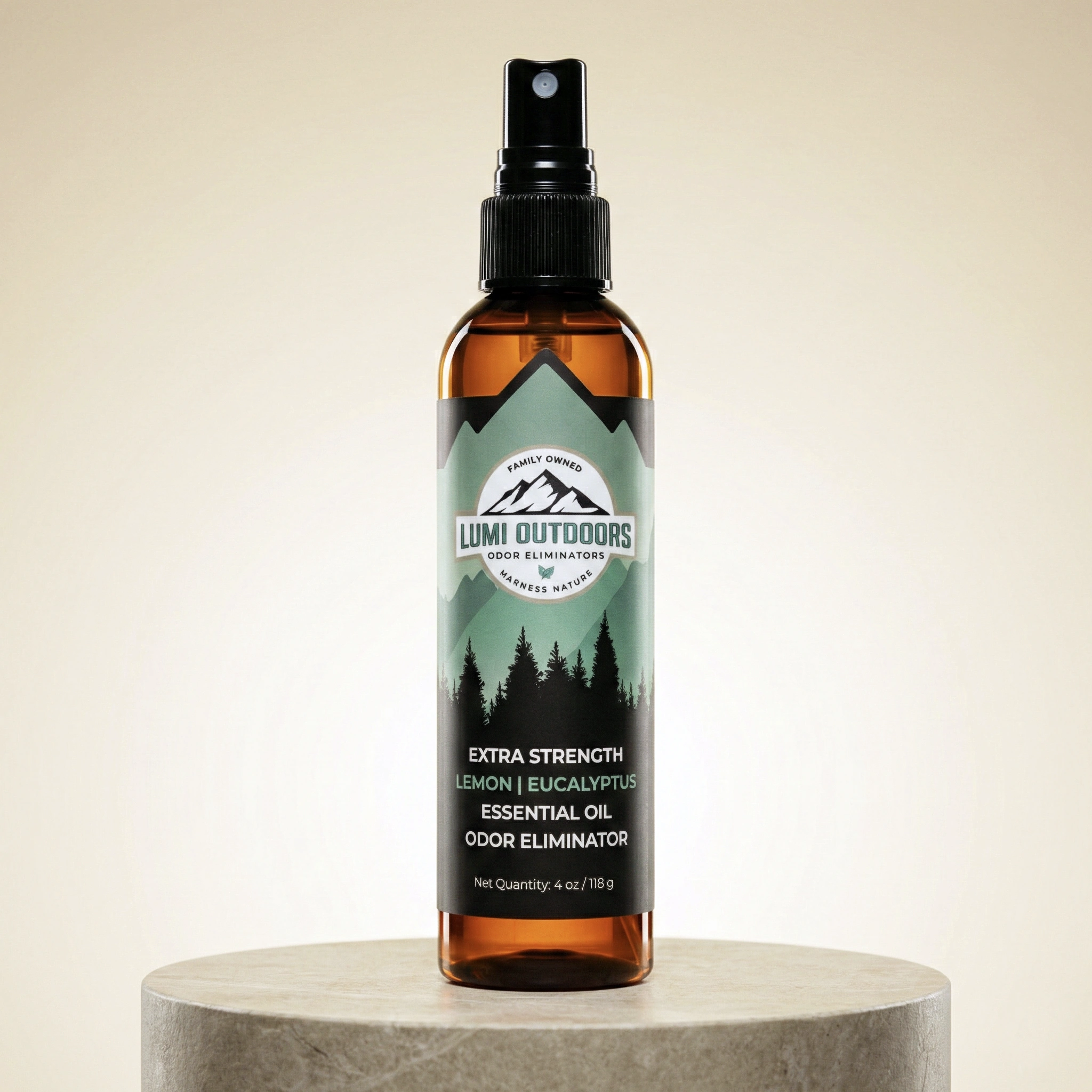
Join 1 Million+ Other People Who Chose Lumi to Conquer Their Shoe Odor.
- DESTROYS ODOR AT THE SOURCE, DOESN'T JUST MASK IT
- ALL-NATURAL & PLANT-BASED INGREDIENTS
- PROUDLY FAMILY-OWNED & MADE IN UTAH
- THE "FRESH CONFIDENCE" GUARANTEE