
5 DIY Sprays to Kill Diaper Pail Odors (Without Toxins)
- Neutralize, Don't Mask Ammonia is alkaline and requires a natural acid like citric acid to be fully neutralized.
- Porous Problems Plastic pails absorb odors over time, making a consistent spraying routine vital for freshness.
- Safety First Plant-based sprays avoid the harsh chemicals and synthetic fragrances found in traditional air fresheners.

You know that moment. You walk into the nursery to put your little one down for a nap, and it hits you. It’s not just a "dirty diaper" smell anymore. It’s that sharp, eye-watering ammonia sting that seems to cling to the curtains and the carpet. You’ve emptied the pail, you’ve scrubbed the plastic, but the ghost of 50 diapers past still haunts the room.
It’s frustrating because you want your home to feel clean and welcoming, especially for guests. But instead, you’re holding your breath while you change a onesie. Many of us reach for those grocery store aerosols to fix it. But let’s be honest: mixing "Midnight Rain" synthetic perfume with diaper funk just creates a weird, swampy scent that’s even worse. Plus, who wants to spray heavy chemicals right next to a sleeping baby?
Why Do Diaper Pails Smell So Bad Even When Empty?
Diaper pails smell because plastic is porous and absorbs odor molecules, while the urea in urine breaks down into ammonia gas over time. This gas gets trapped in the pail's seal and permeates the material, creating a persistent scent even after the trash is removed.
Plastic might look solid, but on a microscopic level, it’s full of tiny nooks and crannies. Over months of use, those odors move in and refuse to leave. The biggest culprit is ammonia. When urine sits, it undergoes a chemical change. This is why a pail can smell "sharp" rather than just "stinky." To fix it, you don't just need a scent; you need something that shifts the pH balance to neutralize that ammonia. Ammonia is alkaline, so we need safe, natural acids to cancel it out.
If you're tired of the nursery smelling like a locker room, you aren't alone. You just need a better tool for the job. You don't need a chemistry degree to fix this. You just need the right spray.
What You'll Need
- Citric acid powder
- Glass spray bottle
- Lavender Vanilla Room Spray Check Price →
- Distilled water
What Is the Best Ingredient for Neutralizing Ammonia Odors?
Citric acid is the most effective natural ingredient for neutralizing diaper odors because its acidic profile reacts with alkaline ammonia to eliminate the smell at the source. Unlike baking soda, which is also alkaline, citric acid provides the necessary chemical reaction to stop ammonia gas from off-gassing.
Most DIY guides tell you to throw baking soda at everything. While baking soda is great for some things, it’s not the hero here. Since ammonia is a base, you need an acid to neutralize it. This is where citric acid—often found in the canning aisle or used for making bath bombs—comes in. It’s a powerhouse that breaks down the salts in urine that cause that lingering "stinging" smell.
You can also use white vinegar, but citric acid is odorless on its own, which many parents prefer. If you’ve ever tried to deep clean Birkenstock footbeds, you know that some materials really hold onto smells. Diaper pails are exactly the same. They need a consistent routine to stay fresh.
Don't forget the gasket! The rubber seal around the lid is where 90% of odors hide. Once a week, spray your cleaner onto a cloth and wipe the seal thoroughly to remove trapped ammonia molecules.
How Do You Make a Citric Acid Diaper Pail Spray?

To make a citric acid spray, dissolve 2 tablespoons of citric acid powder into 2 cups of warm distilled water and add 10 drops of lemon essential oil. Shake well in a glass spray bottle and mist the inside of the pail every time you change the liner.
This is the heavy-duty recipe. Here is how to use those materials we talked about:
- Distilled Water: Using distilled water prevents minerals from building up in your spray nozzle.
- Citric Acid: This is your active worker. It eats the ammonia.
- Glass Bottle: Essential oils can sometimes degrade plastic over time, so glass is your best bet for a long-lasting DIY kit.
Simply spray the bottom of the pail before you put a new bag in. Then, give the lid a quick mist every morning. It takes five seconds, but it makes a world of difference. If you're also dealing with stinky gear in other parts of the house, like your favorite sneakers, you might find that keeping your Air Force 1s smelling new requires a similar dedication to moisture and odor control.
Can Essential Oils Safely Deodorize a Nursery?
Yes, essential oils like lavender, lemon, and tea tree can safely deodorize a nursery when properly diluted and used in well-ventilated areas. These plant-based oils provide scent through natural compounds rather than the synthetic phthalates found in traditional air fresheners.
When you use essential oils, you aren't just masking the smell with a "fake" flower scent. Many oils, like tea tree and lemon, have natural cleansing properties. They help keep the air feeling crisp. Lavender is a classic choice for nurseries because it’s calming for both babies and parents—and let’s face it, we could all use a little more calm during a 3:00 AM diaper change.
I tested our natural spray against the big-brand aerosols. The difference isn't just in the smell—it's in the chemistry.
| Feature | Lumi Natural Sprays | Big-Brand Aerosols |
|---|---|---|
| Odor Neutralization | Neutralizes with Essential Oils | Masks with Synthetic Fragrance |
| Ingredient Safety | Plant-based & Phthalate-free | Contains Propellants & Parabens |
| Residue | Clean, zero-residue mist | Often leaves a greasy film |
| Scent Quality | Natural, light botanicals | Heavy, chemical perfumes |
What Is the Most Effective Way to Use a Diaper Pail Spray?

The most effective way to use a spray is to mist the "hot zones" of the pail—the underside of the lid and the rubber gasket—after every bag change. This prevents odor molecules from settling into the seals where they are hardest to remove.
Don't just spray the air around the pail. That’s like trying to put out a fire by throwing water on the smoke. You have to hit the source. Open the lid, spray the empty interior, and let it air dry for 60 seconds before putting in a new bag. If the smell is really stuck in the rubber seal, spray a cloth with your DIY mix and wipe down the gasket specifically.
This is the same logic we use for other tough odors. For example, if you want to deodorize your Hey Dudes, you don't just spray the outside; you have to get into the spots where the sweat and odors actually live.
Is the natural route perfect? Mostly, but it does require consistency. Here's the honest breakdown:
- Completely non-toxic and safe for babies.
- Actually eliminates odor instead of just covering it up.
- Saves money by extending the life of your diaper pail.
- Uses therapeutic-grade essential oils for a calming environment.
- DIY versions require mixing and can settle over time.
- Natural scents are lighter and don't last as long as synthetic perfumes.
At the end of the day, you just want a home that smells like "home," not like a waste management facility. Whether you mix up your own citric acid brew or keep a bottle of Lavender Vanilla Room Spray on the changing table, the goal is the same: a fresh, safe space for your family to grow. You’ve got enough to worry about with a little one—the smell of the trash shouldn't be on that list.
Tired of holding your breath in the nursery?
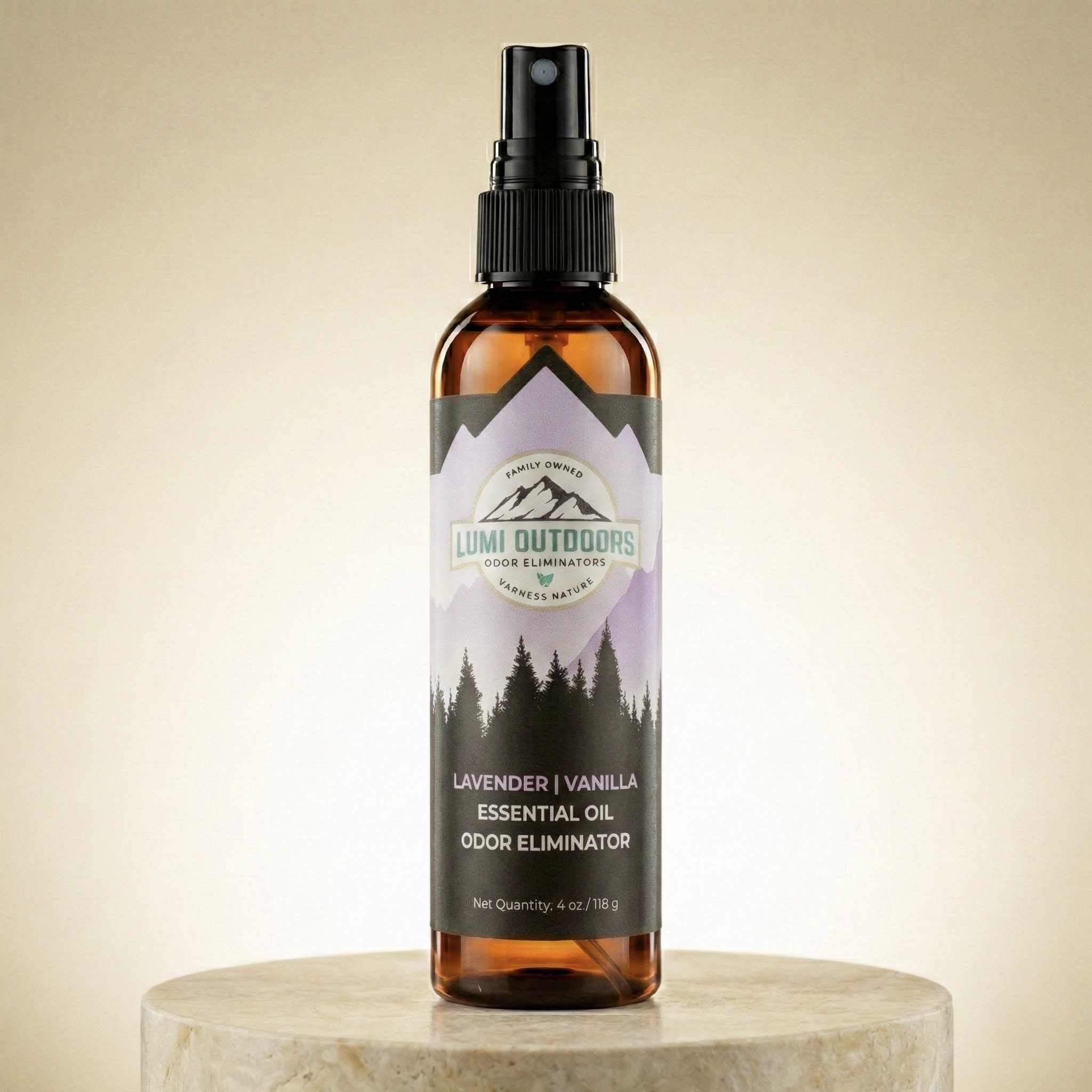
Chemical air fresheners just cover up odors with a synthetic fog. Our Natural Odor Eliminating Room Spray does things differently. Made with...
- Eliminates Odors, Doesn't Mask: Works by neutralizing odor molecules for a true clean scent.
- No Harsh Chemicals: Made with essential oils, not synthetic perfumes, parabens, or phthalates.
- Safe for the Whole Home: Spray with confidence in the kitchen, bathroom, nursery, and around pets.
- Sophisticated, Natural Scents: Unique and pleasant scent combinations that enhance your home environment.