

Stop the 100° Funk! DIY Lavender Spray for Hot Yoga Gear
- The Studio Trap High heat and humidity create a breeding ground for odors that standard cleaners can't touch.
- Nature Wins Essential oils like tea tree and lavender dismantle odors at a molecular level without using harsh chemicals.
- Timing Matters Always spray gear while it is still warm and allow it to air dry in a well-ventilated space for best results.

There’s nothing quite like the feeling of walking out of a hot yoga session. You’re centered, you’re glowing, and you’re also completely drenched. But the second you reach for your shoes in the studio lobby, that Zen feeling vanishes. One whiff of your footwear and you realize the 100-degree heat didn't just challenge your balance—it turned your gear into a swampy mess.
It’s frustrating. You invest in high-quality gear and expensive studio memberships to feel good, only to have the literal "scent of your hard work" follow you into your car and home. If you feel like you’re constantly fighting a losing battle against the funk, you aren't alone. Most of us have tried the grocery store sprays only to find they just layer a fake "ocean breeze" scent over the top of the actual problem. It doesn't work, and honestly, those chemical clouds shouldn't be anywhere near your skin or your lungs after a deep-breathing practice.
Why Does Hot Yoga Gear Smell So Bad So Quickly?
Hot yoga gear smells because the high heat and humidity create the perfect environment for odor-causing organisms to thrive in the porous fibers of your shoes and mats. These tiny hitchhikers feed on sweat and skin cells, releasing gas that creates the "sour" smell we associate with gym bags.
When you're flowing in a room heated to 105 degrees with 40% humidity, your body is doing exactly what it's supposed to: sweating. A lot. That moisture isn't just water; it's a mix of salts and oils that get trapped deep inside the foam of your shoes or the weave of your yoga bag. Unlike a dry gym, the "hot" part of hot yoga means your gear stays damp for much longer. This prolonged dampness is like a five-star resort for the things that make your shoes reek. If you've ever wondered how to keep your wool runners or studio shoes fresh, you know that standard air-drying just won't cut it in these conditions.
You don't need a chemistry degree to fix this. You just need a concentrated hit of what nature already perfected.
What You'll Need
- Microfiber Cloth
- Mesh Laundry Bag
- Natural Lavender Tea Tree Shoe Deodorizer Spray Check Price →
- Cedar Blocks or Sachets
Can You Make Your Own Natural Lavender Spray at Home?

Yes, you can create an effective DIY deodorizer by mixing distilled water, witch hazel or high-proof alcohol, and specific essential oils like lavender and tea tree. This combination helps to neutralize odors and lift away the "sweaty" scent without using synthetic perfumes.
If you're the type who likes to know exactly what’s in your products, making a DIY version is a great weekend project. Here’s a simple recipe I’ve used:
- 2 ounces of distilled water
- 1 ounce of witch hazel (this helps the oils mix with the water)
- 10 drops of Lavender essential oil
- 5 drops of Tea Tree essential oil
Why Is Tea Tree Oil Better Than Harsh Chemicals for Yoga Shoes?
Tea tree oil is superior because it naturally breaks down the organic compounds that cause odor instead of just masking them with synthetic fragrances. Unlike harsh chemical aerosols, tea tree oil won't degrade the specialized foam and fabrics used in high-end yoga footwear.
Think about the last time you used a "traditional" deodorizer. You probably had to hold your breath while you sprayed it, right? Those aerosols often contain phthalates and other ingredients that can irritate your respiratory system—the last thing you want after a yoga class. Natural oils like tea tree and eucalyptus are "bio-active." This means they actually interact with the odor at a molecular level. They don't just sit on top of the smell; they dismantle it. Plus, they are much gentler on your gear. If you're worried about your shoes, you'll be glad to know that natural oils won't eat away at the glue or the cushioning in your favorite pair.
For deep-set studio funk, spray your shoes and then use a hairdryer on the 'cool' setting for 60 seconds. This helps the essential oils penetrate the foam layers while quickly evaporating the excess moisture that causes the smell.
How Do You Properly Deodorize Hot Yoga Footwear?

The best way to deodorize yoga shoes is to spray them immediately after class while the pores of the material are still open from the heat, then allow them to dry in a well-ventilated area. Using a microfiber cloth to wipe away excess moisture before spraying will significantly improve the results.
Here is the step-by-step routine I recommend for any regular practitioner:
- The Pre-Wipe: Use a microfiber cloth to wipe the inside of your shoes as soon as you take them off. This removes the surface sweat before it can soak deeper into the sole.
- The Targeted Spray: Give each shoe 2-3 pumps of a natural spray. Focus on the toe box and the heel, as these are the "hot zones" for odor.
- The Air Out: Don't toss your shoes back into your dark gym bag! Use a mesh laundry bag to keep them separate but exposed to the air during your drive home.
- The Cool Dry: Once you're home, leave them in a spot with good airflow. If they are particularly damp, stuffing them with a bit of newspaper for an hour can help pull out the core moisture.
I tested both our natural spray and the leading big-brand aerosols for a week after my Tuesday power yoga classes. Here is how they actually compared:
| Feature | Lumi Natural Sprays | Big-Brand Aerosols |
|---|---|---|
| Ingredient Base | Essential Oils & Water | Butane & Fragrance |
| Odor Action | Neutralizes source | Masks with perfume |
| Dry Time | 2-3 minutes | Instant (Alcohol) |
What Are the Best Natural Ingredients for Eliminating Studio Odors?
Lavender, Tea Tree, Eucalyptus, and Citrus oils are the most effective natural ingredients for neutralizing heavy odors. These plants have evolved natural defense mechanisms to stay fresh in humid environments, which makes them perfect for treating sweaty yoga gear.
It's not just about smelling like a flower garden. Each of these oils has a specific job. Tea tree is the "cleaner" that goes after the source. Lavender is the "soother" that provides aromatherapy benefits and calms the senses. Eucalyptus and citrus (like lemon or orange) are "refreshers" that provide a bright, clean scent that cuts through heavy, musty air. When these are blended together, they create a powerhouse formula that handles even the most stubborn smells. This is why we created The Variety Bundle | 3-Pack—because sometimes you need the extra strength of Eucalyptus for your boots and the calming Lavender for your mat bag.
How Can You Keep Your Yoga Bag from Smelling Like a Locker Room?
To keep a yoga bag fresh, you should use a dedicated room or fabric spray on the lining once a week and never leave damp towels or clothes inside for more than two hours. Placing cedar blocks or natural sachets in the side pockets can also provide ongoing moisture absorption.
Your bag is basically a portable greenhouse. If you put wet leggings in there and zip it up, you're creating a tiny ecosystem of stink. Here’s a tip: keep a small bottle of Lavender Vanilla Room Spray in the side pocket. After you empty your bag at home, give the inside a quick mist. It keeps the fabric smelling like a spa instead of a locker room. Also, consider using cedar blocks. They are fantastic at pulling moisture out of the air, which helps keep the interior of the bag dry and inhospitable to odors.
Is the natural route perfect? No product is a magic wand that replaces basic hygiene, and natural sprays do require a few extra seconds to dry compared to alcohol-heavy aerosols. Here’s the honest breakdown of what you can expect:
- Uses high-quality tea tree and lavender oils.
- Actually addresses the cause of the smell.
- Safe to breathe in small studio spaces.
- Saves money by extending the life of your gear.
- Requires a few minutes to dry naturally compared to instant-dry chemicals.
- Scent is subtle and herbal, not like heavy perfume.
At the end of the day, your yoga practice is about feeling better in your own skin. You shouldn't have to compromise that feeling by breathing in harsh chemicals or cringing every time you open your gym bag. Switching to a natural, plant-based deodorizer isn't just a win for your nose—it's a win for your gear and your peace of mind. So, next time you roll up your mat and head for the door, give your shoes a quick spritz of lavender. Your fellow yogis (and your nose) will thank you.
Tired of shoe odor? We recommend:
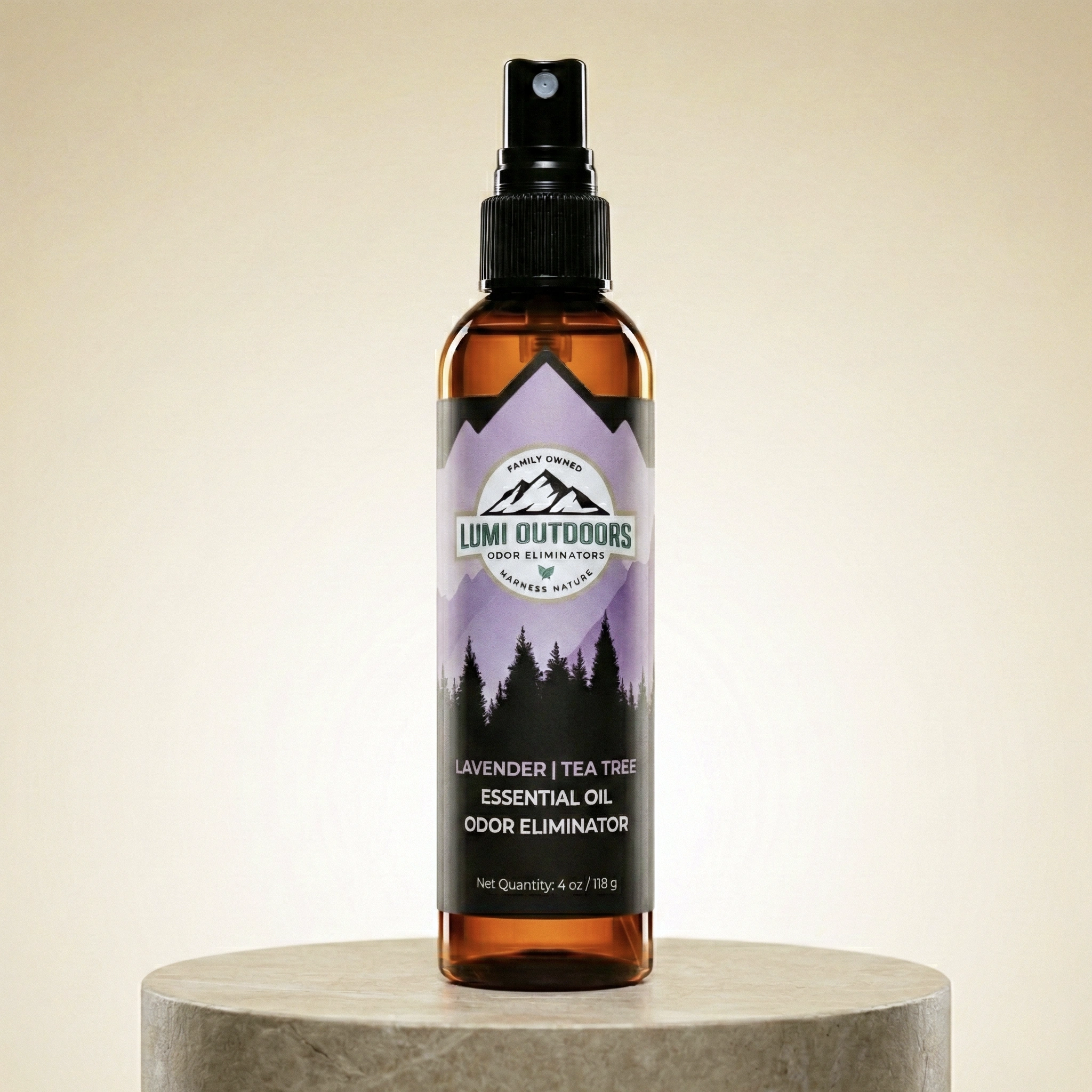
Join 1 Million+ Other People Who Chose Lumi to Conquer Their Shoe Odor.
- DESTROYS ODOR AT THE SOURCE, DOESN'T JUST MASK IT
- ALL-NATURAL & PLANT-BASED INGREDIENTS
- PROUDLY FAMILY-OWNED & MADE IN UTAH
- THE "FRESH CONFIDENCE" GUARANTEE