
Never Smell Your Boots Again: 6 Ways to De-stink Hiking Shoes for Good
Hiking is one of those things that feels amazing for the soul but can be absolute murder on your footwear. You spend all day climbing ridges and crossing creeks, but the moment you get back to the car and peel those boots off, the fun stops. That heavy, sour smell hits you, and suddenly, you’re scrambling to roll down the windows.
- Avoid Heat High heat from dryers ruins boot adhesives and leather. Stick to air drying.
- Dry Deep Use crumpled newspaper to pull moisture from deep inside the boot padding.
- Natural Wins Plant-based oils like eucalyptus work better than synthetic perfumes to stop smells.

If you've tried every drug-store spray and still find yourself leaving your boots out on the porch so they don't ruin the living room air, you aren't alone. Most people think they just need a stronger chemical, but the truth is usually the opposite. We’re going to walk through how to actually fix the problem without ruining the leather or synthetic tech in your expensive hiking gear.
Why Do My Hiking Boots Smell So Bad After One Trip?
Hiking boots smell because sweat and heat get trapped in the thick, padded materials, creating a dark environment where odor-causing particles thrive. Without proper airflow, moisture stays locked in the fabric and insoles long after you take them off.
Here is the thing about hiking boots: they are built to be tough and water-resistant. That’s great for keeping rain out, but it’s also great at keeping sweat in. Each of your feet has about 250,000 sweat glands. When you’re pushing up a steep trail, those glands are working overtime. In a regular sneaker, some of that moisture escapes. In a heavy-duty hiking boot? It just sits there.
This trapped moisture creates a breeding ground for the things that cause bromodosis (the medical term for smelly feet). It isn't just about the sweat itself; it's about what happens when that sweat feeds the natural organisms living on your skin. If you don't get that moisture out quickly, the smell becomes part of the boot's "personality." And nobody wants a boot with that kind of personality.
If you want to stop the moisture before it starts, you need a heavy-duty absorber. This is the one we keep by the door:
What You'll Need
- Crumpled newspaper
- Soft-bristled shoe brush
- Natural Foot Powder Check Price →
- Microfiber cloth
How Can I Dry My Hiking Boots Faster Without Damaging Them?

The fastest way to dry hiking boots is to remove the insoles and stuff the boots with crumpled newspaper, which pulls moisture out of the interior materials. Never use high heat like a hairdryer or radiator, as this can crack leather and melt the adhesives holding the sole together.
We’ve all been tempted to throw our boots in front of the fireplace or use a hairdryer to speed things up. Don't do it. High heat is the enemy of quality footwear. It can shrink the liners and make the leather brittle. Instead, reach for some old crumpled newspaper. Shove it deep into the toe box and let it sit. The paper acts like a sponge, drawing the dampness out of the deep padding.
While the paper does its work, make sure you pull the insoles out completely. A lot of the "funk" lives right under your heel, and if you leave the insole in, that area stays damp for days. Set them aside in a spot with good airflow. If you have a porch or a mudroom with a fan, that's your best bet. Just keeping the air moving is often enough to prevent the smell from setting in.
What Is the Best Way to Deodorize Hiking Shoes Overnight?
To deodorize boots overnight, use a natural spray containing essential oils like lemon and eucalyptus that neutralize odors rather than just masking them. Applying these sprays while the boot is still slightly warm from wear allows the oils to penetrate the fibers more effectively.
Sometimes you’re on a multi-day trip and you don't have time for a 24-hour drying session. You need those boots ready by 7:00 AM. This is where a high-quality spray makes a world of difference. But here is the catch: a lot of "big brand" sprays are just perfumes. They cover the smell for ten minutes, and then you’re left with a scent I call "Cinnamon-Toast-Foot." It’s not an improvement.
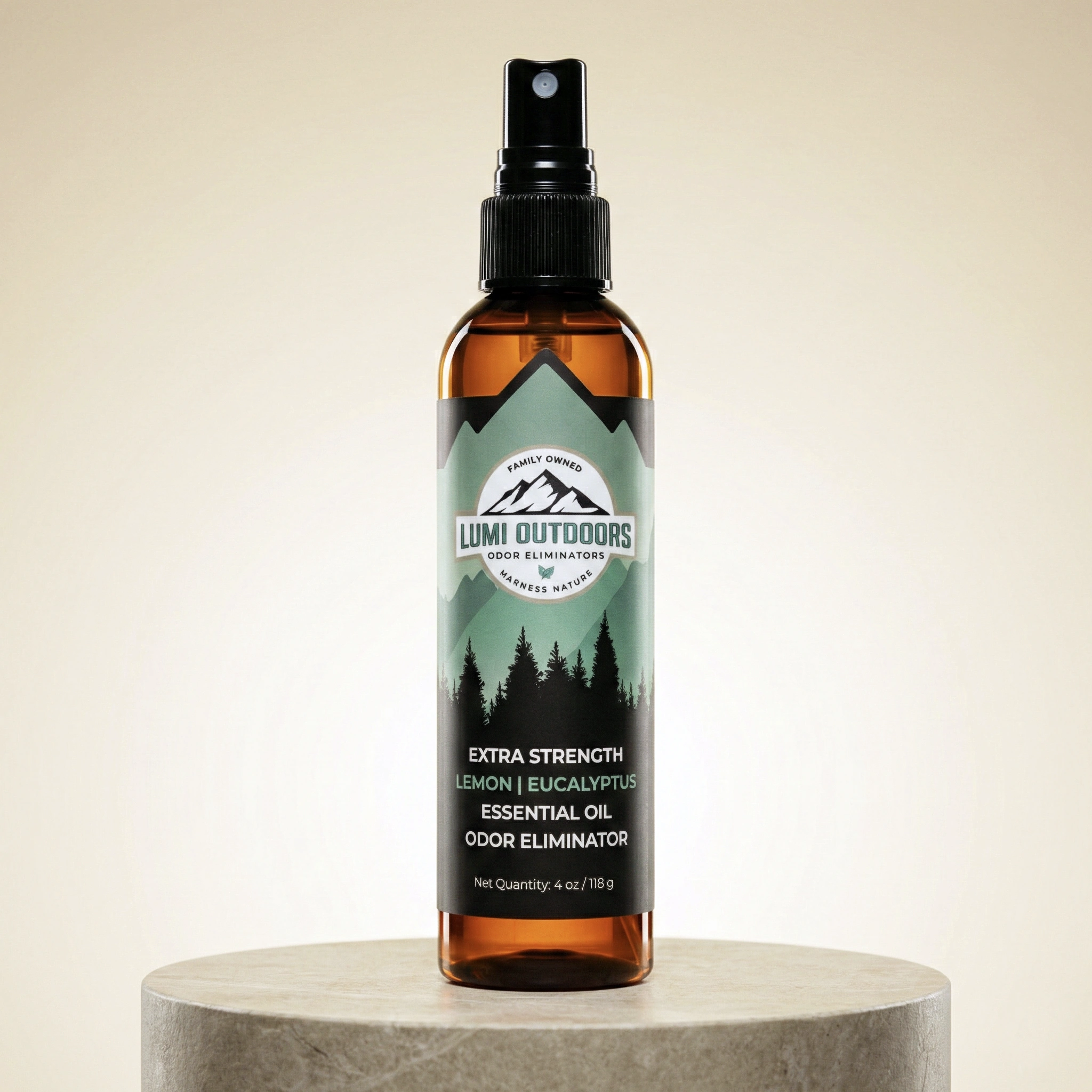
Look for something that uses plant-based enzymes and oils. For example, the Extra Strength Shoe Deodorizer Spray uses lemon and eucalyptus to actually tackle the source of the scent. I’ve found that a quick spray right after taking the boots off works best. The materials are still "open" from the warmth of your feet, letting the spray get where it needs to go.
Try 'The Insole Swap' for long backpacking trips. Buy a second pair of moisture-wicking insoles and rotate them every single day. This gives each pair a full 48 hours to dry completely, which stops most odor before it can even start.
Can I Wash My Hiking Boots in the Laundry Machine?
You should never put hiking boots in a washing machine because the agitation and soaking can ruin the structural integrity of the boot and degrade the waterproof membranes. Instead, use a soft-bristled brush and a microfiber cloth to hand-clean the exterior and interior with mild soap.
I know it’s tempting to just toss them in with the towels and hope for the best. But a washing machine is a death sentence for most hiking boots. The heat and the spinning can cause the soles to delaminate (that's when the bottom of your shoe starts peeling off like a banana).
Instead, grab a soft-bristled brush. Dip it in some warm water with a tiny drop of dish soap and scrub the outside to get the mud off. For the inside, use a damp microfiber cloth to wipe down the lining. You’d be surprised how much salt and grime from your sweat builds up on the interior walls of the boot. Wiping it out once a month can keep them smelling fresh for years.
We compared our natural spray against the big-brand aerosols. The difference isn't just in the smell—it's in the chemistry:
| Feature | Lumi Natural Sprays | Generic Aerosol Sprays |
|---|---|---|
| Odor Elimination | Uses plant enzymes to neutralize scent | Masks odor with heavy perfumes |
| Ingredient Safety | 100% plant-based and skin-safe | Contains butane and synthetic solvents |
| Scent Profile | Clean, herbal essential oils | Chemical 'laundry' or 'powder' smell |
| Impact on Materials | Gentle on leather and Gore-Tex | Alcohols can dry out leather over time |
How Do I Stop My Feet From Sweating in Hiking Boots?

Preventing foot sweat starts with wearing moisture-wicking wool socks and applying a talc-free foot powder before your hike to absorb liquid as it's produced. Avoid cotton socks, which hold onto moisture and keep your feet damp and prone to odor.
Cotton is the enemy of the hiker. Once a cotton sock gets wet, it stays wet. That dampness softens your skin, leads to blisters, and—you guessed it—makes your boots stink. Switch to a high-quality Merino wool blend. Wool is magic; it can hold a lot of moisture without feeling wet against your skin.
If you’re a heavy sweater, you need a proactive defense. I always tell people to check out our guide on how to use foot powder for shoes. Applying a layer of Natural Foot Powder directly to your feet before you pull your socks on creates a barrier. It catches the sweat the second it leaves your skin, so it never even reaches the boot's fabric.
What Natural Ingredients Actually Fix Shoe Odor?
Natural ingredients like tea tree oil, lemongrass, and citrus oils are effective because they contain natural properties that break down odor-causing compounds. These plant-based alternatives provide a safer, more pleasant scent than harsh synthetic chemicals.
A lot of people are surprised that "natural" stuff actually works. But think about it: plants have had to defend themselves against moisture and decay for millions of years. They’ve got the right tools for the job. Tea tree oil is famous for its ability to keep things clean and fresh. Lemongrass and orange oils don't just smell like a spa; they help neutralize the acidic nature of sweat.
Using these instead of heavy chemical aerosols is better for your skin, too. Your feet have huge pores, and you don't really want to be soaking them in synthetic solvents all day while you hike. Using something like the Natural Citrus Tea Tree Shoe Deodorizer Spray gives you that peace of mind. Plus, it smells a lot better when you're sitting around the campfire later that night.
Is the natural route perfect? Mostly, but it does require consistency. Here's the honest breakdown:
- Safely eliminates odors without damaging expensive hiking tech
- Plant-based formula is safe for the whole family and pets
- Extends the life of your footwear by reducing moisture buildup
- No harsh chemicals or skin irritants like butane or aluminum
- Requires consistent application after each hike for best results
- Natural scents are lighter than heavy synthetic perfumes (though they last longer)
Getting Your Gear Back to Fresh
At the end of the day, your hiking boots are an investment. You spent good money on them so you could get out and enjoy nature. Don't let a little bit of "trail funk" ruin that experience or force you to buy new boots every season.
If you stick to the basics—dry them out properly with newspaper, avoid the washing machine, and use a solid natural deodorizer—you'll be able to keep those boots for hundreds of miles. Your feet, your family, and your car's upholstery will thank you. If you’re dealing with a truly stubborn pair of boots that seems beyond hope, I’d suggest the "Solution Stacker" approach. Using a powder to stay dry during the day and a spray to clean things up at night is the most effective way to win the war on odor.
Ready to save your favorite boots from the porch?
Join 1 Million+ Other People Who Chose Lumi to Conquer Their Shoe Odor.
- DESTROYS ODOR AT THE SOURCE, DOESN'T JUST MASK IT
- ALL-NATURAL & PLANT-BASED INGREDIENTS
- PROUDLY FAMILY-OWNED & MADE IN UTAH
- THE "FRESH CONFIDENCE" GUARANTEE
Frequently Asked Questions
Can I use baking soda to de-stink my hiking boots?
How often should I spray my boots with deodorizer?
Is it safe to use these natural sprays on leather hiking boots?
What if my boots already smell really bad and are old?