
Landscapers: Stop Smelling Like Mud! My 3-Step Boot Success [2026]
- Organic Rot Landscaper odor is caused by decomposing organic matter like grass and mulch trapped in damp leather.
- Essential Oil Reset Standard perfumes only mask the smell; you need essential oils to change the boot environment.
- External Maintenance Removing dirt from the outside is just as important as treating the inside to let the leather breathe.

If you've ever stood in the mudroom and wondered if a small animal crawled into your partner's work boots and died, you aren't alone. I’ve been there. As someone who manages a household where "outdoor work" is the daily reality, I know that landscaper funk isn't your average gym-sock smell. It’s a heavy, damp, organic rot that seems to cling to the leather like it’s part of the design. It's the kind of smell that doesn't just stay in the boots; it wanders into the hallway, settles in the carpet, and greets your guests before you do.
You’ve probably tried the old tricks. You’ve dumped half a box of baking soda in there, only to end up with a gritty, grey paste the next morning when the boots didn't dry. Maybe you’ve tried those "industrial" blue cans from the big-box store that smell like a high school locker room trying to hide a swamp. It doesn't work because landscaping odor is different. It’s a mix of nitrogen-rich grass clippings, mulch, damp soil, and sweat. That combination creates a literal ecosystem inside the boot.
Why Do Landscaper Work Boots Smell So Bad?
Landscaper boots smell because they are exposed to organic matter like grass and mulch which, when trapped in a dark, damp environment with sweat, begins to decompose and off-gas. This "organic rot" requires a formula that breaks down the odor at the source rather than just masking it with perfume.
Think about what happens to a pile of wet grass clippings left in a bag for three days. It gets hot, it gets slimy, and it reeks. Now, imagine that happening inside a leather boot that never quite dries out. When your partner is out there weed-whacking or laying sod, they aren't just getting dirty; they are collecting microscopic bits of plants that love to live in the moisture of a work boot. This creates a specific condition known as bromodosis, where sweat and skin oils interact with environmental debris.
The frustration is real. You’ve spent $200 on a pair of high-quality boots, but six months in, they’re so offensive you’re tempted to leave them on the porch. But you can't just throw them away, and you definitely can't ignore it. That smell is a sign that the materials are breaking down from the inside out. If you don't fix the moisture and the "organic rot," you're just throwing money into the compost pile.
If you want to stop the moisture and the rot before they take over your mudroom, you need something that actually targets the source. This is the heavy-duty solution I keep right by the front door:
What You'll Need
- Stiff-bristled scrub brush for external mud removal
- Newspaper for internal moisture absorption
- Extra Strength Shoe Deodorizer Spray Check Price →
- Small circulating fan for overnight airflow
Can You Wash Leather Work Boots in the Machine?
No, you should never put leather work boots in a washing machine because the agitation can warp the leather and the excessive water will cause the material to crack or rot once it dries. Washing machines can also damage the internal support structures and glue that hold the boot together.
It’s tempting to just toss them in on a heavy cycle and hope for the best. But please, don't do it. I’ve seen perfectly good boots come out looking like shriveled raisins. Instead, you need a targeted manual approach. Start by using a stiff-bristled scrub brush to knock off the dried mud and grass from the exterior. If the dirt stays on the outside, it keeps the leather from "breathing," which traps all that sweat inside. You can read more about why this matters in our guide on how to avoid ruining Timberland PROs.
Once the outside is clear, focus on the interior. If the insoles are removable, pull them out. That’s usually where the worst of the moisture lives. If you leave the insoles in while trying to dry the boots, you’re basically leaving a wet sponge inside a dark cave. It’s never going to end well.
How Do I Get Rid of That Deep Organic Smell?

To eliminate deep organic odors, you must use a plant-based essential oil spray that neutralizes the compounds in sweat and plant matter. After cleaning the exterior, spray the interior thoroughly and allow the boots to dry in a well-ventilated area for at least 12 hours.
This is where the "3-Step Success" comes in.
- The Scrub: Use that stiff-bristled scrub brush to clear the "pores" of the leather.
- The Reset: Use a high-concentration spray like the Extra Strength Shoe Deodorizer Spray. Since it uses essential oils like Lemon and Eucalyptus, it doesn't just cover the smell; it changes the environment inside the boot so the odor can't survive.
- The Dry: Stuff the boots with newspaper to pull moisture from the leather walls, or better yet, place them near a circulating fan.
I’ve found that the "Extra Strength" version is the only thing that stands a chance against mulch-smell. It’s potent enough to handle the "worst-of-the-worst" cases, which, let's be honest, describes most landscaper gear by Friday afternoon.
If the smell is stuck in the toe box, use a long-handled brush to apply the spray specifically to the very front of the boot, then prop the boots up with the toes pointing toward the ceiling to let gravity pull the formula into the deepest seams.
What Are the Best Home Remedies for Boot Odor?
Common home remedies include stuffing boots with newspaper, using cedar inserts, or applying a mixture of vinegar and water. While these methods help manage moisture, they often lack the strength to fully neutralize the heavy organic odors found in professional landscaping gear.
Newspaper is actually a hero here. It’s cheap and surprisingly effective at wicking away the dampness that leads to that "wet dog" smell. Change the paper every few hours if the boots are truly soaked. Some people swear by white vinegar, but be careful—vinegar is an acid. If you use too much, you can actually dry out the leather and cause it to crack prematurely.
For daily maintenance when the smell isn't quite at "emergency" levels, a lighter touch works well. I usually keep a bottle of Natural Citrus Tea Tree Shoe Deodorizer Spray for the "in-between" days. It keeps things fresh without being overwhelming. It’s a great way to maintain the progress you made with the extra strength deep-clean.
How Do You Stop Boots from Smelling Before It Starts?
Preventing odor starts with a rotation system: never wear the same pair of boots two days in a row, allowing 24 to 48 hours for them to fully dry. Using a moisture-wicking sock and applying a natural deodorizer after every shift will stop the organic rot before it takes hold.
I know, buying two pairs of expensive work boots sounds like a lot. But they will actually last three times as long if they have time to dry out between shifts. If that's not in the budget, you have to be disciplined about the drying process. Use your circulating fan every single night. Airflow is the enemy of odor.
I tested our natural approach against the typical store-bought aerosols. Here is what I found during a week of humid July weather:
| Feature | Extra Strength Deodorizer | Generic Aerosol Spray |
|---|---|---|
| Odor Strategy | Breaks down organic molecules | Masks with heavy perfume |
| Longevity | Lasts until next heavy sweat | Fades within 2 hours |
| Ingredient Transparency | Essential oils & water | Hidden 'fragrance' chemicals |
When Should You Replace Smelly Work Boots?
You should replace work boots when the odor persists even after deep cleaning and complete drying, as this indicates the bacteria has permeated the foam midsole or structural layers. Additionally, replace boots if the leather is cracking or the soles have lost their traction, regardless of the smell.
Sometimes, a boot is just too far gone. If the internal padding has started to crumble or if there's visible mold inside that you can't reach, it's a safety hazard. But for 90% of the landscapers I’ve talked to, the "unbearable" smell is actually reversible with the right tools and a bit of patience. If you're working with vegan leather or synthetic materials, the rules are slightly different, as those materials trap heat even more—check out our tips on fixing vegan leather reek.
Nothing is perfect, and while I stand by this method, it's only fair to be honest about the work involved. It isn't a "spray once and forget it forever" miracle. It takes a routine.
- Actually removes the "rot" smell rather than masking it
- Safe for all leather and waterproof materials
- No harsh chemicals or skin irritants
- Highly concentrated—a little goes a long way
- Requires 12 hours of drying time for maximum effect
- The initial scent is quite strong (though it fades)
At the end of the day, you don't have to choose between a thriving landscaping business and a home that smells like a home. By focusing on moisture control and using products that actually break down the organic mess, you can save your boots and your nose. Start the 3-step process tonight, and by tomorrow morning, you might actually be able to walk into the mudroom without holding your breath.
Ready to reclaim your mudroom from the swamp?
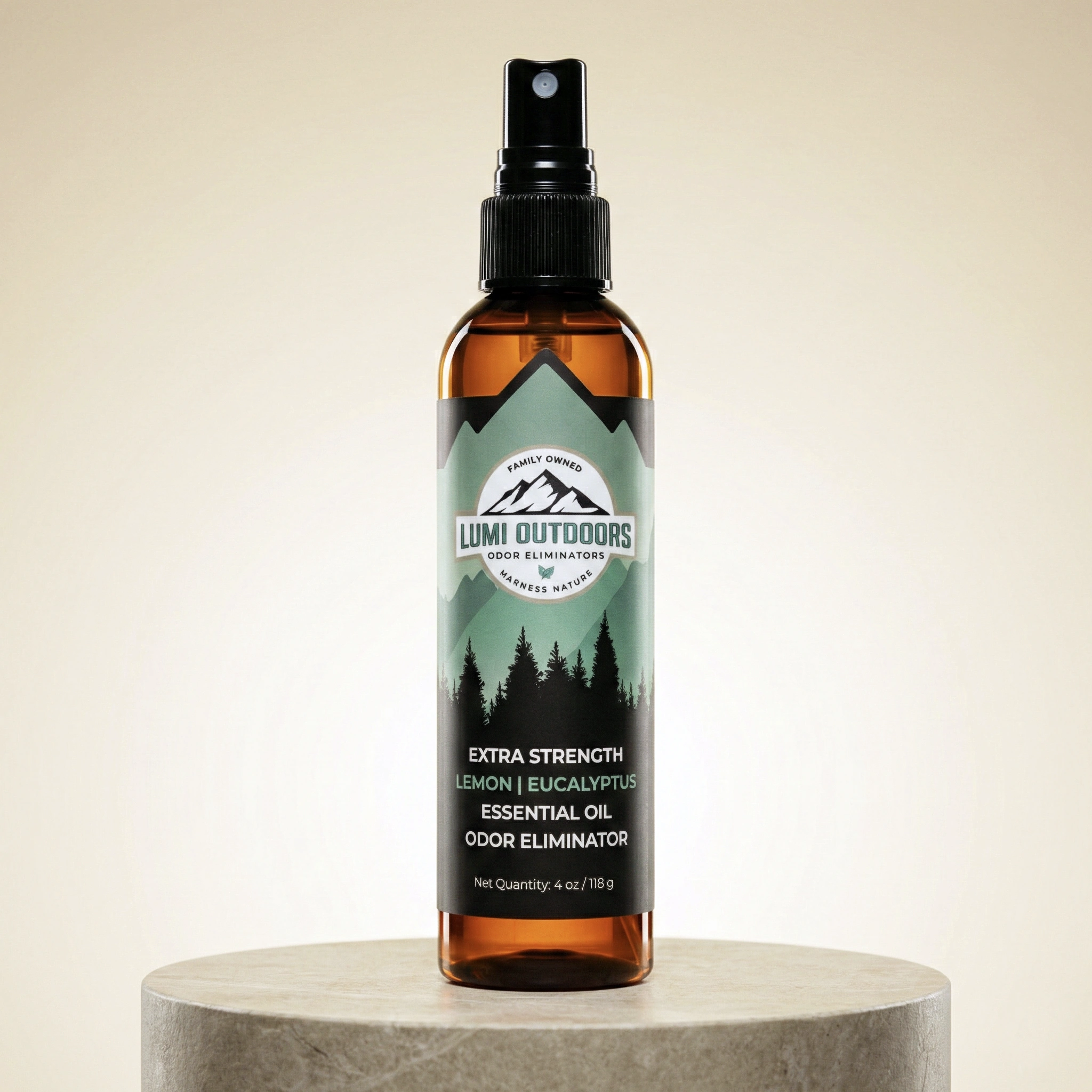
Join 1 Million+ Other People Who Chose Lumi to Conquer Their Shoe Odor.
- DESTROYS ODOR AT THE SOURCE, DOESN'T JUST MASK IT
- ALL-NATURAL & PLANT-BASED INGREDIENTS
- PROUDLY FAMILY-OWNED & MADE IN UTAH
- THE "FRESH CONFIDENCE" GUARANTEE