

The Ultimate S-Tier Guide on How to Fix Stinky Clogs FOR GOOD and Keep Them Fresh
- The Clog Trap Clogs trap moisture because materials like rubber and EVA foam don't allow for airflow.
- Deep Clean Ritual Use soap, a soft brush, and vinegar to break down the organic buildup that causes persistent smells.
- Double Defense Combining a moisture-absorbing powder with a neutralizing spray is the most effective way to stay fresh.

We’ve all been there. You come home after a long shift at the hospital or a day in the garden, kick off your favorite clogs, and suddenly the room smells like a locker room that hasn't seen a breeze in a decade. It’s embarrassing, right? You spent good money on those Crocs, Birkenstocks, or professional Danskos, and now they’re basically toxic waste for your nostrils.
The truth is, clogs are a unique breed of footwear. Whether they are made of rubber, EVA foam, or cork, they are designed for comfort—not necessarily for breathability. That comfort comes at a price: a warm, dark, moist environment where odor molecules love to set up shop. But don't toss them in the trash just yet. You can fix this, and you can do it without using harsh chemicals that make your skin crawl.
Why Do Rubber Clogs Smell So Much Worse Than Other Shoes?
Clogs trap sweat against non-porous materials like rubber or EVA foam, preventing evaporation and allowing odor-causing moisture to sit on the surface. This creates a concentrated environment where organic odors become trapped in the footbed and strap hinges.
Most sneakers have mesh or fabric that lets your feet "breathe." Clogs, especially the rubber variety, act like a little sauna for your feet. Every time you walk, your feet produce sweat. In a normal shoe, some of that moisture escapes. In a clog, it stays right there, rubbing against the material and mixing with dead skin cells.
If you're wearing these for a 12-hour shift, you're looking at half a cup of moisture just sitting in there. When that liquid has nowhere to go, it starts to break down and create that "sour" smell we all know and hate. It's not that you're "dirty"—it's just physics. And if you have kids who wear them to soccer practice, you know that smell can travel through the whole house in minutes.
You don't need a chemistry degree to fix this. You just need a system that actually addresses the moisture and the smell at the same time.
What You'll Need
- White vinegar (for soaking)
- Soft-bristled brush
- Natural Foot Powder and Extra Strength Shoe Deodorizer Spray Check Price →
- Microfiber cloth
How Do You Deep Clean Rubber or Foam Clogs Without Ruining Them?

To deep clean rubber or foam clogs, scrub them with a soft-bristled brush and a mixture of warm water and mild dish soap, then air-dry them completely in a shaded, well-ventilated area. Avoid high heat or direct sunlight, which can cause the material to shrink or warp.
If things have gotten really bad, a simple spray won't cut through the layers of grime. You need to get in there and scrub. Grab a soft-bristled brush—an old dish brush works great—and some soapy water. Focus on the heel cup and the area under the toes, as that’s where the most skin buildup happens.
For a deeper clean, you can use white vinegar. Mix one part vinegar with two parts water and let your rubber clogs soak for about 15 minutes. The vinegar helps break down the mineral deposits from your sweat. Once you're done scrubbing, use a microfiber cloth to wipe them down. This is better than a paper towel because it actually grabs the loosened dirt instead of just moving it around.
Whatever you do, keep them away from the dryer or the heater. I've seen too many parents ruin a brand-new pair of $60 clogs because they tried to "speed up" the drying process. They will shrink, and they will never fit the same again.
For a deep refresh on non-porous rubber clogs, create a 50/50 mix of water and white vinegar for a 15-minute soak. This breaks down the stubborn salt deposits from sweat that soap alone often misses.
What Is the Secret to Keeping Birkenstock Footbeds From Smelling?
The secret to keeping cork-bed clogs fresh is to wipe the suede lining with a damp cloth after every few wears and use a natural powder to absorb oils before they penetrate the porous cork. Regular maintenance prevents the dark, "grimy" buildup that holds onto persistent smells.
Birkenstocks are a different beast. Because the footbed is made of cork and suede, it’s like a giant sponge. It absorbs everything. If you’ve noticed the footbed turning dark and shiny, that’s a mix of sweat and body oils. You can learn more about this in our guide on how to deep clean Birkenstock footbeds without cracking the cork.
The best way to handle this is to be proactive. If you wait until they stink, you're fighting an uphill battle. Using something like the Natural Foot Powder and Extra Strength Shoe Deodorizer Spray is a total lifesaver here. The powder sits on top of the suede and catches the moisture before it ever hits the cork. It’s like putting a barrier between your foot and the shoe.
I tested both side-by-side for a week. Here's what happened:
| Feature | Lumi Natural System | Grocery Store Aerosols |
|---|---|---|
| Ingredient Safety | Plant-based oils & minerals | Synthetic fragrances & butane |
| Odor Strategy | Neutralizes molecules on contact | Masks with heavy perfumes |
| Residue | Clean and dry finish | Sticky or powdery buildup |
| Skin Friendly | Safe for bare feet | Can cause irritation |
Can You Use Essential Oil Sprays to Deodorize Clogs Daily?

Yes, high-quality room and shoe sprays made with natural essential oils are safe for daily use on clogs and effectively neutralize odor molecules without leaving a sticky residue. These sprays offer a non-toxic alternative to synthetic aerosols that only mask smells with heavy perfumes.
Here’s the thing about those big-brand sprays you find at the grocery store: they usually just cover up the smell. It’s like putting perfume on a pig. You end up with a "floral-scented foot" smell that is somehow worse than the original odor. Plus, many of those contain chemicals you really don't want soaking into your skin all day.
That’s why I love options like the Lemon Vanilla Room Spray. It uses real essential oils to actually neutralize the odor. You can spray it directly into the clogs after you take them off, or even use it to freshen up the mudroom where everyone drops their gear. If you prefer something a bit warmer, the Lavender Vanilla Room Spray is great for keeping the hallway smelling like a spa instead of a locker room.
One customer, Sarah, mentioned: "I was about to throw my garden clogs away. They were so bad I left them on the porch. The Lumi spray and powder combo actually brought them back to life. Now I don't have to hold my breath when I put them on!"
How Often Should You Clean Your Work Clogs to Prevent Odor?
Work clogs used in high-intensity environments like healthcare or kitchens should be sprayed daily with a deodorizer and deep-cleaned with soap and water once every two weeks. This schedule prevents the accumulation of bacteria-attracting bio-films on the footbed.
Consistency is everything. If you're a nurse or a chef, your shoes are working just as hard as you are. You wouldn't wear the same socks for a week without washing them, so don't treat your clogs that way. A quick spray at the end of every shift takes about five seconds but saves you hours of scrubbing later.
And remember, if you have other types of shoes in your rotation, they need love too. Whether you're trying to deodorize your Hey Dudes or keep your work boots fresh, the principle is the same: stop the moisture, stop the smell.
Is the natural route perfect? Mostly, but it does require a bit more consistency than just dousing your shoes in industrial cleaners. Here's the honest breakdown:
- Completely non-toxic and safe for kids and pets.
- Neutralizes odors instead of just covering them up.
- Versatile enough for rubber, cork, and leather footwear.
- Pleasant, authentic essential oil scents that don't smell like a hospital.
- Natural sprays require daily application for the best results compared to some 24-hour synthetic chemicals.
At the end of the day, your clogs are a tool. They help you get through your day without your feet killing you. By taking a few minutes each week to keep them clean and using natural products to manage the moisture, you can extend their life and save yourself from those "what is that smell?" moments. Grab a bundle, keep it by the door, and breathe easy knowing your clogs are finally fresh for good.
Ready to kick off your clogs without the "stink cloud"?
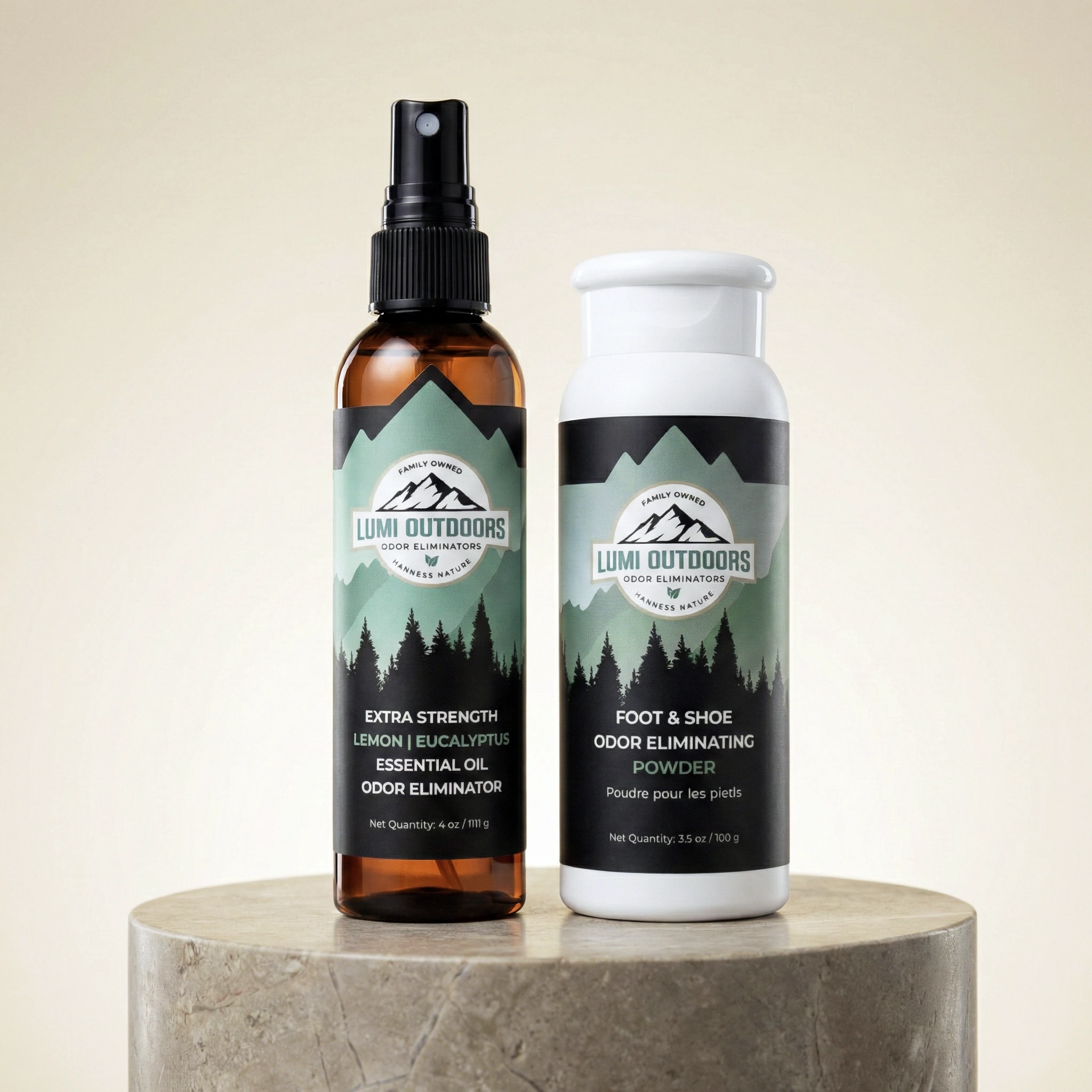
Join 1 Million+ Other People Who Chose Lumi to Conquer Their Shoe Odor.
- THE ULTIMATE 1-2 PUNCH AGAINST ODOR
- A COMPLETE KIT FOR SHOES, BAGS & GEAR
- PROUDLY FAMILY-OWNED & MADE IN UTAH
- THE "FRESH CONFIDENCE" GUARANTEE