

The 3 Easy Steps to Clean Smelly Shoes Most People Get Completely Wrong
- Ditch the Machine Standard laundry cycles can damage shoe glues and often trap more moisture inside.
- Dry First Using newspaper to pull moisture out is the safest way to prevent smell from setting.
- Go Plant-Based Natural essential oils break down odors effectively without exposing your family to harsh chemicals.

We’ve all been there. You walk into the mudroom or the front hallway, and it hits you—that unmistakable, heavy scent of "active family." Maybe it's your son’s soccer cleats that haven't quite dried since Tuesday’s practice, or perhaps it's your partner’s work boots that have seen better days. Whatever the source, shoe odor isn't just a minor annoyance; it can be downright embarrassing when guests come over.
Most of us try the same tired tricks. we toss them in the washing machine (only to have the soles peel off), or we douse them in a floral-scented aerosol that just smells like "lilacs and gym socks." It doesn't have to be that way. Cleaning smelly shoes isn't about masking the scent with heavy perfumes; it's about a simple, three-step process that actually works without ruining your expensive footwear.
Why Do Shoes Smell So Bad even After They Are Washed?
Shoes smell because trapped moisture from sweat creates a perfect environment for odor-causing compounds to grow within the fabric and insoles. Washing often fails because it doesn't dry the inner layers quickly enough, leading to a "musty" smell that's often worse than the original odor.
Here’s the thing about our feet: they have more sweat glands per square inch than almost anywhere else on our bodies. When that sweat gets trapped inside a dark, warm sneaker, it’s like an invitation for trouble. If you’ve ever wondered why your shoes still reek even after a cycle in the laundry, it’s usually because the thick foam and padding haven't dried all the way through.
And let’s be honest, the washing machine is often the enemy of high-quality shoes. If you want to stop washing your Brooks Ghost or other performance runners, you're making a smart move. The heat and agitation can break down the glue and cushioning that you paid good money for. Instead, we need to focus on a method that treats the material with respect while being ruthless with the smell.
You don't need a chemistry degree to fix this. You just need the right spray and a little bit of patience. This is the one we keep by the door:
What You'll Need
- Old Newspaper
- Microfiber Cloth
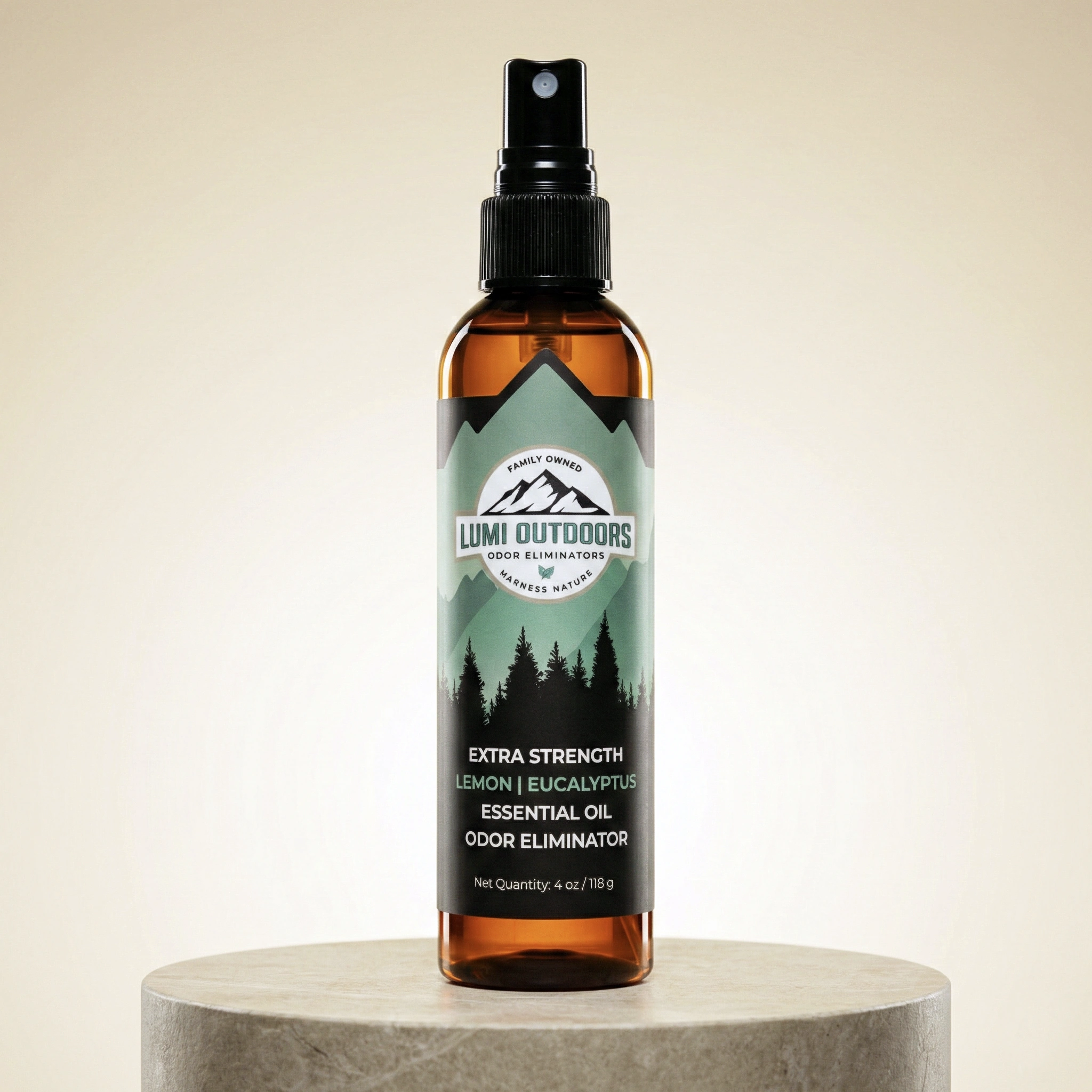
- Extra Strength Shoe Deodorizer Spray Check Price →
- Soft-Bristled Shoe Brush
Step 1: How Do You Properly Dry Out Damp Shoes?

The first and most vital step is removing all moisture by stuffing the shoes with plain newspaper and placing them in a well-ventilated area away from direct heat. This pulls liquid out of the deep foam layers where odors live, preventing the smell from setting in.
I can’t tell you how many pairs of shoes I’ve seen ruined because someone put them on a radiator or in the dryer. High heat is a "shoe killer." It makes leather crack and causes foam midsoles to lose their "bounce." If you're trying to keep your Air Force 1s looking and smelling new, you have to be gentle.
Instead, use the newspaper trick. Take some old circulars or Sunday papers, crinkle them into loose balls, and shove them all the way to the toe box. The paper acts like a sponge, drawing moisture out of the fabric. Change the paper every few hours if the shoes are soaking wet. It's low-tech, but it's the gold standard for preserving the life of your footwear.
Step 2: What Is the Best Way to Neutralize Odors Without Harsh Chemicals?
To neutralize odor without chemicals, use a plant-based spray containing essential oils like eucalyptus, lemongrass, or tea tree which naturally break down the source of the smell. Spray the interior thoroughly after the shoe is dry to ensure the formula reaches the fibers of the insole.
Once the shoe is dry, the real "cleaning" happens. Most people reach for those blue cans of aerosol from the grocery store. But have you ever looked at the warning label? If you're like me, you don't want your kids' skin absorbing a cocktail of synthetic chemicals all day. Plus, those sprays usually just coat the odor in a layer of wax or heavy scent that wears off by noon.
We found that natural oils do a much better job. They don't just sit on top of the fabric; they get into the fibers. I tested our natural spray against the big-brand aerosols. The difference isn't just in the smell—it's in the chemistry.
| Feature | Lumi Extra Strength Spray | Generic Aerosol Sprays |
|---|---|---|
| Ingredients | Plant-based essential oils | Synthetic chemicals & butane |
| Odor Action | Neutralizes at the source | Masks with heavy perfume |
| Safety | Family and pet safe | Warning labels for skin/lungs |
| Scent Profile | Fresh Lemon & Eucalyptus | Artificial "Floral" or "Sport" |
If you're dealing with the heavy-duty stuff—like work boots or teenage boy sneakers—you might want something with a bit more "oomph." The Extra Strength Shoe Deodorizer Spray uses a concentrated blend that handles even the most stubborn cases. It’s been a lifesaver in our house for those "stinky cleat" emergencies.
The freezer trick is a myth. While it puts odor-causing elements into 'hibernation,' they wake right back up once the shoes warm up on your feet. Instead, try 'activated charcoal' bags inside your shoes overnight; they work with the spray to pull out deep-seated moisture that newspaper might miss.
Step 3: How Can You Prevent Shoe Odor From Coming Back?

Preventing future odor requires a 24-hour "rest period" between wears and the use of a moisture-absorbing powder to keep feet dry during use. This rotation allows the shoe to fully decompress and shed any lingering moisture before it can cause a problem.
Consistency is the secret sauce here. If you wear the same pair of work boots every single day for 12 hours, they never get a chance to "breathe." It’s like sleeping in the same sheets for a month without washing them. If you can, rotate between two pairs. This is especially true for leather, as we've seen with folks trying to avoid ruining their Timberland PROs.
For the "sweaty foot" crowd, a little bit of powder goes a long way. Using something like the Natural Foot Powder and Extra Strength Shoe Deodorizer Spray bundle gives you a two-pronged attack. The powder keeps your feet dry during the day, and the spray refreshes the shoes at night. It’s a simple habit that takes ten seconds but saves you from having to buy new sneakers every three months.
"This stuff is amazing! My husband's work boots were so bad I made him leave them in the garage. After two days of using the Extra Strength spray, I can actually let them back in the house. It doesn't just smell like perfume; the bad smell is actually gone." — Sarah M., Verified Buyer
Is the natural route perfect? Mostly, but it does require consistency. Here's the honest breakdown:
- Eradicates the toughest smells permanently
- Zero toxic chemicals or synthetic fragrances
- Extends the life of expensive footwear by reducing washes
- Safe for use around kids and pets
- Requires a few minutes of drying time after application
- Heavily soiled shoes may need multiple treatments initially
What Should You Do Next?
Fixing smelly shoes doesn't require a miracle or a bunch of toxic chemicals. It just takes a little bit of common sense and the right tools. By drying your shoes properly, using a high-quality natural spray, and giving your footwear a day off now and then, you can save your nose (and your wallet).
If you're tired of the "gym bag smell" following you around, start with the basics. Grab a bottle of a plant-based deodorizer that you can feel good about using around your kids and pets. You'll notice the difference the next time you walk through the front door and—for once—don't smell anything at all.
Ready to eliminate shoe odor for good?
Join 1 Million+ Other People Who Chose Lumi to Conquer Their Shoe Odor.
- DESTROYS ODOR AT THE SOURCE, DOESN'T JUST MASK IT
- ALL-NATURAL & PLANT-BASED INGREDIENTS
- PROUDLY FAMILY-OWNED & MADE IN UTAH
- THE "FRESH CONFIDENCE" GUARANTEE