Enjoy Odor-Free Days: The Best Way to Clean Ski Boot Liners for Dry Feet
- Avoid the Machine Washing machines and high heat will warp your custom liners; always stick to hand washing and air drying.
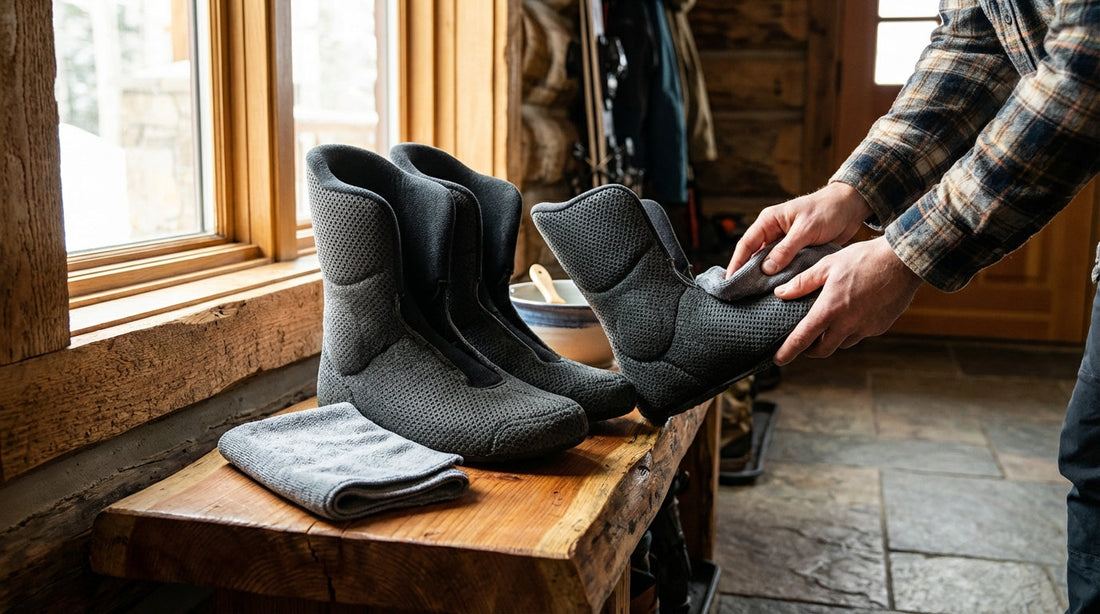
- Daily Maintenance The key to fresh boots is pulling the liners out of the shells after every use to let moisture escape.
- Proactive Defense Applying a natural powder before you hit the slopes stops sweat from soaking into the foam in the first place.

The smell of a locker room is one thing, but the scent of a well-used ski boot is on an entirely different level. If you've ever unbuckled your boots after a long day on the slopes and felt a wave of "mountain funk" hit you, you aren't alone. It’s a common struggle for every skier, from the weekend warrior to the seasoned pro. Those expensive liners are designed to keep your feet warm by trapping heat, but they also happen to be world-class sponges for sweat and moisture.
Most of us spend hundreds, if not thousands, on our ski gear. We wax our skis and sharpen our edges, but we often ignore the part of the gear that actually touches our bodies. Leaving your liners damp and salty doesn't just make them smell; it actually breaks down the materials over time, leading to a packed-out fit and cold feet. Keeping them clean is the secret to making that investment last for seasons instead of months.
Why Do Ski Boot Liners Smell So Bad?
Ski boot liners smell because they trap sweat, heat, and dead skin cells in a dark, poorly ventilated environment, creating a perfect breeding ground for odor-producing organisms. Because the plastic outer shell prevents moisture from evaporating, the dampness stays locked inside the foam padding for days.
Think about it: your feet have about 250,000 sweat glands. When you're charging down a run, your feet are working hard. Even in freezing temperatures, you're sweating. In a normal shoe, some of that moisture might escape. In a ski boot? It’s trapped behind a wall of plastic. This creates a humid microclimate. When you pull your feet out and shove those boots in a dark closet or a car trunk, that moisture just sits there. That's usually why your feet smell like corn chips or worse by the end of the trip.
If you don't manage that moisture immediately, it soaks deep into the open-cell foam of the liner. Once it's in there, it’s hard to get out. That's why the best strategy is a mix of deep cleaning and daily prevention. You don't need a chemistry degree to fix this. You just need a way to stop the sweat before it turns into a science project in your boots.
What You'll Need
- Microfiber Cloth
- Mild Dish Soap
- Natural Foot Powder Check Price →
- Boot Dryer
Can You Wash Ski Boot Liners in the Washing Machine?
No, you should never put ski boot liners in a washing machine because the agitation and heat can permanently warp the custom-molded foam and damage the delicate stitching. Hand washing is the only safe way to clean liners without ruining their shape and performance.
It’s tempting to just toss them in with the towels, but please, resist the urge. Most modern liners are "heat-moldable," meaning they are designed to change shape with heat. The hot water or the high-heat cycle of a dryer will turn your expensive custom-fit liners into a lumpy, useless mess. Even a cold cycle is risky because the mechanical spinning can tear the outer fabric or degrade the foam's integrity.
Instead, you want to treat them like a delicate piece of athletic gear. If they are truly filthy, a gentle soak is the way to go. But before you even get to the "bath" stage, you should be focused on drying. Moisture is the root of all evil here. According to the Mayo Clinic, managing sweat is the first step in controlling the environment where odors thrive. For ski boots, this means pulling the liners out of the shells after every single use.
What Is the Best Way to Clean Ski Boot Liners?

The best way to clean ski boot liners is to remove them from the plastic shells and hand-wash them in a tub of cool water with a small amount of mild dish soap. After soaking for 15-20 minutes, rinse them thoroughly and allow them to air dry completely away from direct heat sources.
Here is the step-by-step process I use when my boots start to get that "neglected" scent:
- Step 1: Remove the Liners. Carefully pull the liners out of the plastic shells. Be gentle so you don't tear the pull tabs or the foam near the heel.
- Step 2: The Soak. Fill a sink or tub with cool water. Add a drop of mild dish soap. Submerge the liners and gently squeeze them to get the soapy water into the foam. Avoid harsh detergents which can irritate your skin later.
- Step 3: Spot Clean. Use a microfiber cloth to wipe down the exterior of the liner and the inside of the plastic shell. This removes any salt buildup from sweat.
- Step 4: Rinse. Rinse with cool water until all the soap is gone. Squeeze (don't wring) the liners to get the excess water out.
- Step 5: Dry. This is the most important part. Use a dedicated boot dryer or place them in a well-ventilated room. Do not put them near a fireplace or a heater, as excessive heat will ruin the foam.
I tested the natural route against those chemical sprays you find at big-box stores. Here is how they actually compare when things get sweaty:
| Feature | Lumi Natural Solutions | Store-Brand Aerosols |
|---|---|---|
| Ingredients | Plant-based essential oils & minerals | Synthetic fragrances & harsh chemicals |
| Moisture Control | High-absorbency natural powders | Mostly masks scent with perfume |
| Skin Safety | Talc-free & gentle on skin | Can cause irritation in tight boots |
| Scent Profile | Fresh Lemongrass & Eucalyptus | Heavy 'Chemical Meadow' smell |
How Do You Keep Ski Boot Liners Dry and Fresh Every Day?

To keep ski boot liners fresh daily, you must remove them from the shells after every ski session to allow trapped moisture to evaporate. Using a moisture-absorbing powder before skiing and a natural deodorizer after skiing will prevent odors from developing in the first place.
Prevention is much easier than a deep clean. If you wait until the boots smell like a swamp, you're playing catch-up. The goal is to manage the "moisture cycle." This starts before you even put your socks on. Using a high-quality, talc-free powder can absorb sweat as it happens, keeping your feet drier and your liners cleaner. You can learn more about this in our guide on how to use foot powder for shoes.
Once you're off the mountain, don't leave your boots in the car. Cold air doesn't dry things; it just freezes the moisture. Bring them inside, pull the liners out, and let them breathe. If you have a boot dryer, use it on the "no heat" or "low heat" setting. Keeping the environment inside the boot dry is the only way to ensure they stay fresh for the whole season.
For stubborn odors that won't leave the toe box, place a dry tea bag inside each liner overnight. The dry tea leaves act as a natural desiccant and help neutralize lingering scents without adding more moisture.
Does Foot Powder Really Help Prevent Ski Boot Odor?
Yes, foot powder is highly effective for ski boots because it acts as a preventative barrier that absorbs moisture before it can soak into the liner's foam. By keeping the interior environment dry, it stops the conditions that lead to persistent odors.
Many people think powders are just for covering up smells, but that's not the case with the right formula. A natural, lemongrass-scented powder doesn't just mask the scent; it manages the sweat. When your feet stay dry, you stay warmer. It’s a win-win for any skier. Using a product like Natural Foot Powder ensures you aren't putting harsh chemicals or talc against your skin inside a tight boot.
If you're dealing with boots that already have a bit of a "history," you might need something stronger to reset the clock. That's where a spray comes in. Our Extra Strength Shoe Deodorizer Spray uses citrus and eucalyptus oils to tackle the toughest smells without using those "forbidden" chemicals we all want to avoid in our homes.
Is the natural route perfect? Mostly, but it does require consistency. Here’s the honest breakdown:
- Extends the life of expensive ski gear
- Keeps feet warmer by reducing moisture
- Uses safe, plant-based ingredients
- Saves money on professional cleaning
- Requires daily application for best results
- Manual liners removal can be a bit of a chore
At the end of the day, your ski boots are your connection to the mountain. When they feel good and smell fresh, you’re going to have a better time out there. No one wants to be the person everyone avoids in the lodge because of their boots. By taking ten minutes after your ski day to dry your liners and using a reliable, natural powder, you’ll keep your gear—and your nose—happy for years to come.
Ready to eliminate mountain funk for good?
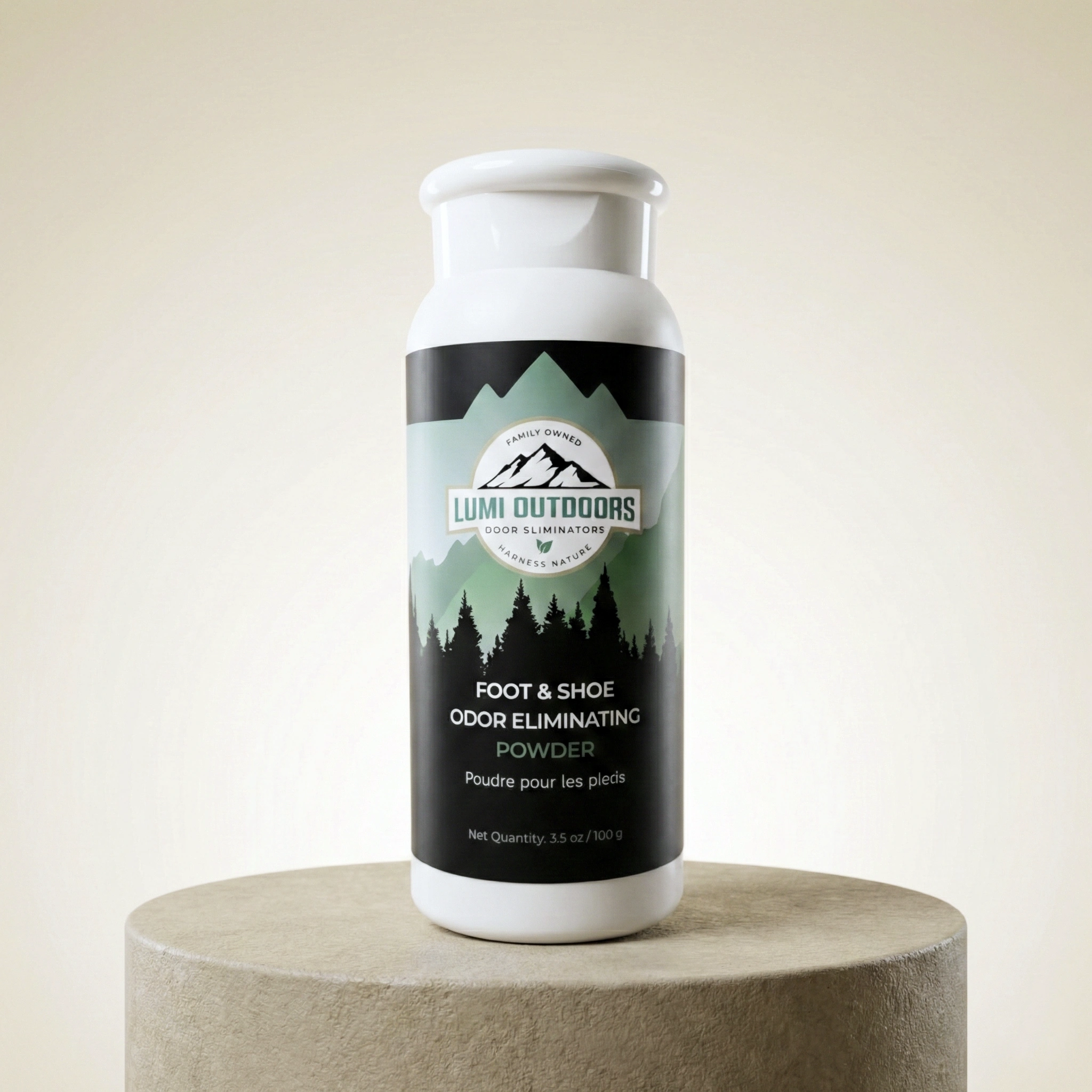
The best way to fight odor is to stop it before it starts. Our all-natural, talc-free foot powder is your first line of defense against mois...
- ABSORBS SWEAT & NEUTRALIZES ODOR
- ALL-NATURAL & TALC-FREE FORMULA
- PROUDLY FAMILY-OWNED & MADE IN UTAH
- THE "FRESH CONFIDENCE" GUARANTEE